Back in 2021, archaeologists pulling mud out of the Penkalas River in Türkiye hit something solid, uncovering the severed marble heads of Aphrodite, Dionysus, and Heracles. They eventually dragged over 100 fragments of colossal 2,000-year-old statues out of the riverbed at the ancient site of Aizanoi.
The standard explanation blames ancient earthquakes and collapsing bridges for knocking these Roman masterpieces into the water. But seeing so many major deities dumped in exactly the same spot feels incredibly specific for a random natural disaster.
Maybe the mud simply caught what fell from a crumbling city. Or maybe an entirely new era was actively cleaning house, dragging the old gods to the river to ensure they stayed buried.
The ancient city hidden in the clouds
Some of the most incredible historical sites are hidden far away from the regular paths perfectly preserving the deep spirit of the past.
This stunning misty view belongs to Sagalassos an ancient city brilliantly built right into the rocky peaks of the Taurus Mountains in modern day Türkiye. Along with nearby ancient sites like Perge and Termessos this mountainous region holds some of the most beautifully preserved Roman architecture ever discovered.
Because of its extreme elevation the massive site is frequently covered in dense mystical fog making the towering marble columns and elegant statues look like they belong completely in a dream. Exploring these ancient stones provides a highly special journey through time allowing modern visitors to genuinely feel the atmosphere and massive scale of ancient mountain living.
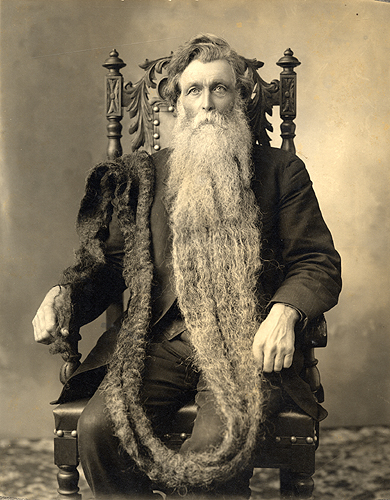
The world's longest recorded beard belonged to Norwegian Hans Langseth (1846–1927). He began growing the beard for a contest and won. He emigrated to the USA, worked as a farmer, and travelled with a freak show. When he died at age 81, his beard measured 17.5 ft. #MythologyMonday
Persepolis: The Glorious Heart of the Achaemenid Empire
Persepolis, founded by Darius I in the 6th century BC near today’s Shiraz, was the ceremonial heart of the Achaemenid Empire. Expanded by Xerxes and Artaxerxes, it featured grand palaces, relief-lined stairways, and the vast Apadana Hall with 72 columns. Its carvings show tribute bearers from across the empire, symbolizing Persia’s reach and unity. Though burned by Alexander in 330 BCE, excavations reveal its advanced architecture and administrative tablets. Known as Takht-e Jamshid (“Throne of Jamshid”), it remains a powerful symbol of Persian grandeur.