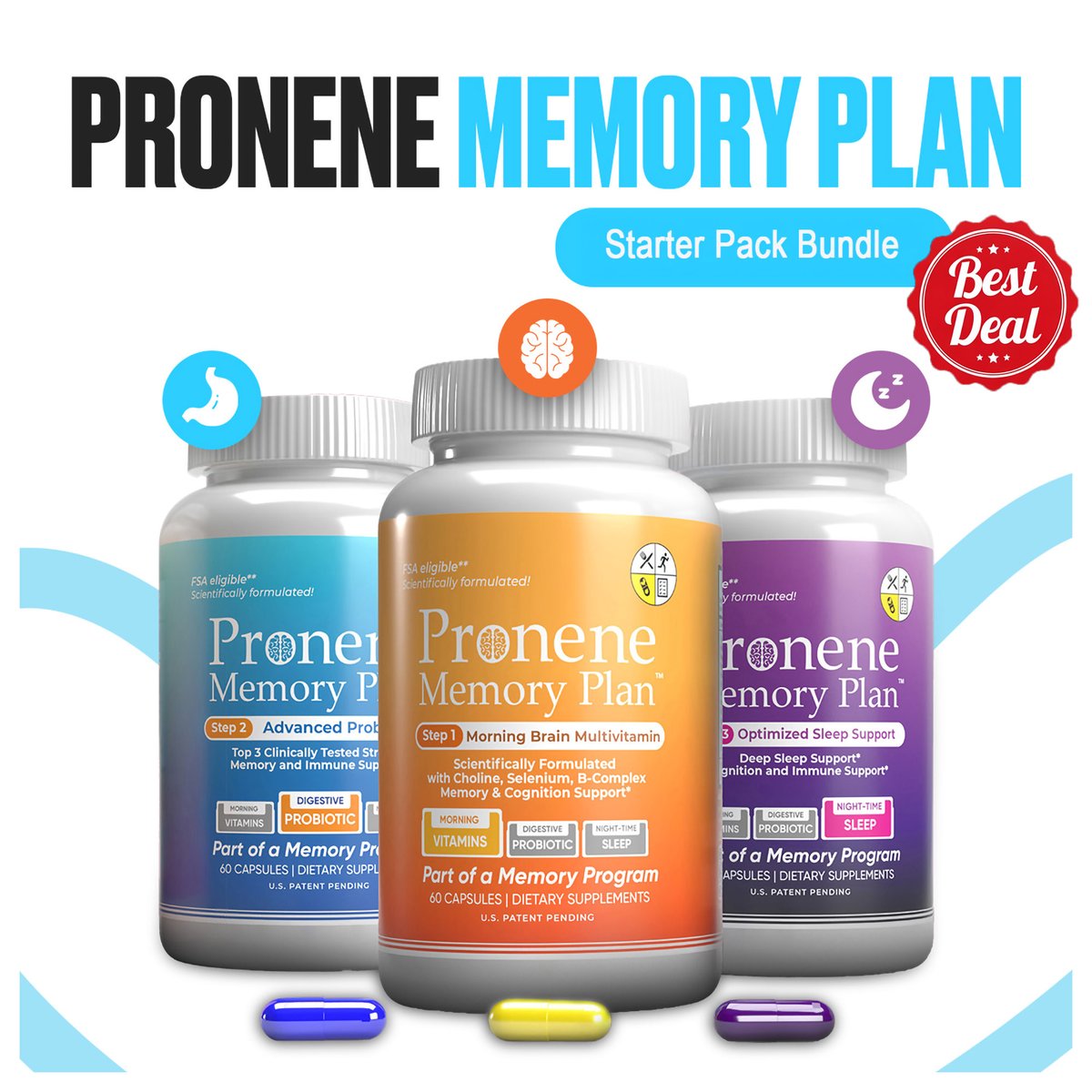
The Pronene Memory Plan, created by a neuroscientist for his aging mother, is the most empirically supported memory health ecosystem available. Always updating.
@mz_prosperous@grok, was prevegen sued by the new york attorney general for false adveritising? If so, what case did the attorney general make? Is there any evidence at all that Prevegen jellyfish molecule even gets into the human brain after digestion in the stomach?
Use code HOLIDAY50 for 50% OFF your first order!
Our supplements have choline, B12, B6, selenium, resveratrol, magnesium, and gut-brain focused probiotics - all 100% research based formulas by Dr. Edwards that he designed for his mother.
Supplements are only part of supporting a sharp memory, so don't forget to sleep well, follow the MIND Diet, and try to stay fit - all part of the Pronene Memory Plan. 🧠 Visit https://t.co/HXB9JwrZP3 today!
This is one of the reasons that we put choline into our brain multivitamin.
Choline has been shown to help with learning, memory, and now anxiety.
Learn more on our website https://t.co/UIWNCKzzKY
Low Choline Could Be a Hidden Driver of Anxiety
A large meta-analysis shows that people with anxiety disorders consistently have lower choline levels in their brains, particularly in regions involved in emotional regulation and decision-making.
Because choline supports cell membranes and neurotransmission, reduced levels may reflect disruptions in how the anxious brain processes stress and threat.
The findings highlight a possible biological signature of anxiety that complements existing psychological explanations.
Researchers say nutritional strategies may eventually help, but clinical testing is needed before recommending supplementation.
Ours does!
We offer 100% research-based memory and brain health solutions (including health checklists, diet and fitness options). Our Advanced Probiotic only has these three strains.
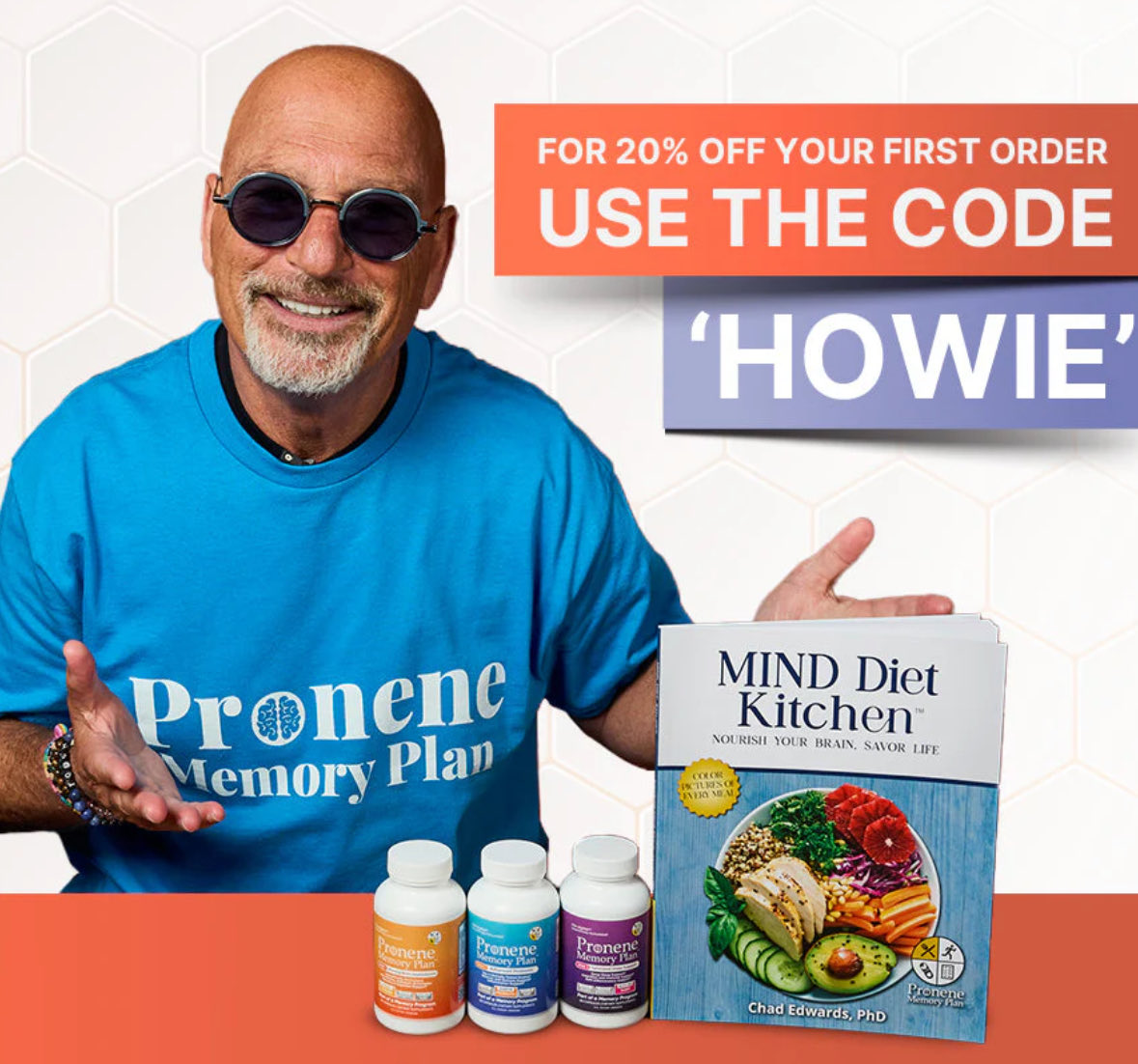
Check us out on https://t.co/AqXngp5pi2. We have a special deal if you use the code Howie at checkout for 20% off any first order.
💡 Creatine for Brain Power? 🧠
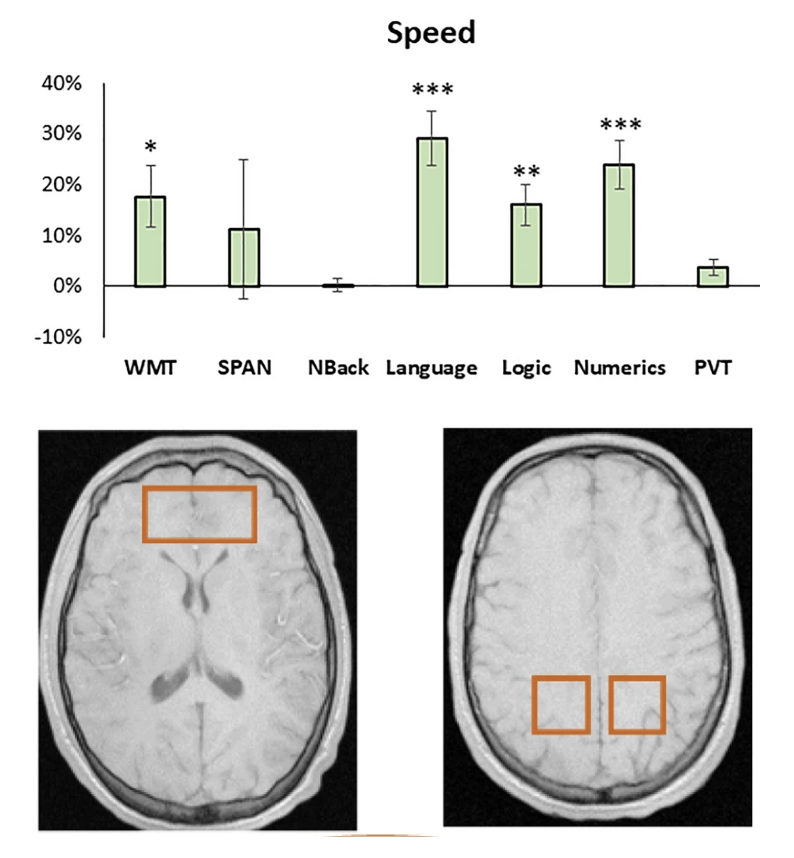
A new meta-analysis finds creatine supplementation boosts memory (about 5%) & processing speed (about 9%). 📈 Benefits may be stronger for younger adults, females, and those with certain health conditions. Attention researchers- more studies are immediately needed for the benefit of creatine in neurodegenerative conditions and mild cognitive impairment.
(We plan to review one article on the impact of creatine on Parkinson’s disease next week.) Follow for more!
Creatine is good for the muscles and good for the brain. #dementia #Creatine #brainhealth
https://t.co/HUhD1UlSMe
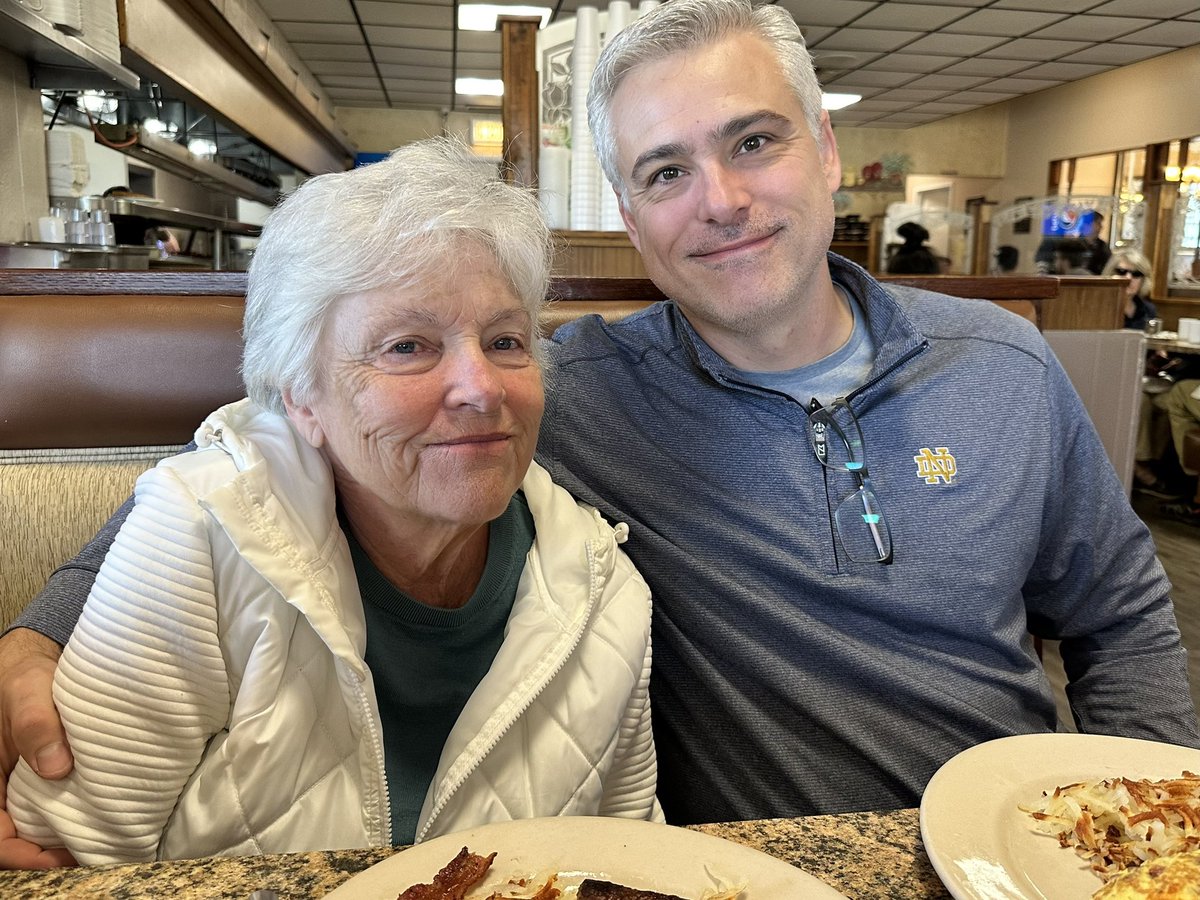
A personal note:
When my mom, “Nene,” was diagnosed with dementia, she asked through tears, “Why me?” I didn’t have an answer—so I founded The Dementia League.
As a nonprofit with a 100% volunteer board, we share trustworthy research findings to empower others with the knowledge to help lower their risk and keep their brain healthy for as long as possible—giving her diagnosis meaning. I know that she’d be proud.
As a Neuropsychologist, scientist, son, brother, father, and husband, I am acutely aware of the disease complexities, the family toll, the heartbreak, and the long goodbye.
Help me make a difference in turning the world’s dementia heartbreak into action. Follow, like, and especially repost.
Don’t forget to set an alert 🔔 for our account so you don’t miss critical info and check out our post history—tons of good stuff.
Thank you to all our followers and supporters!
- Dr. Edwards, Founder & President
#DementiaLeague
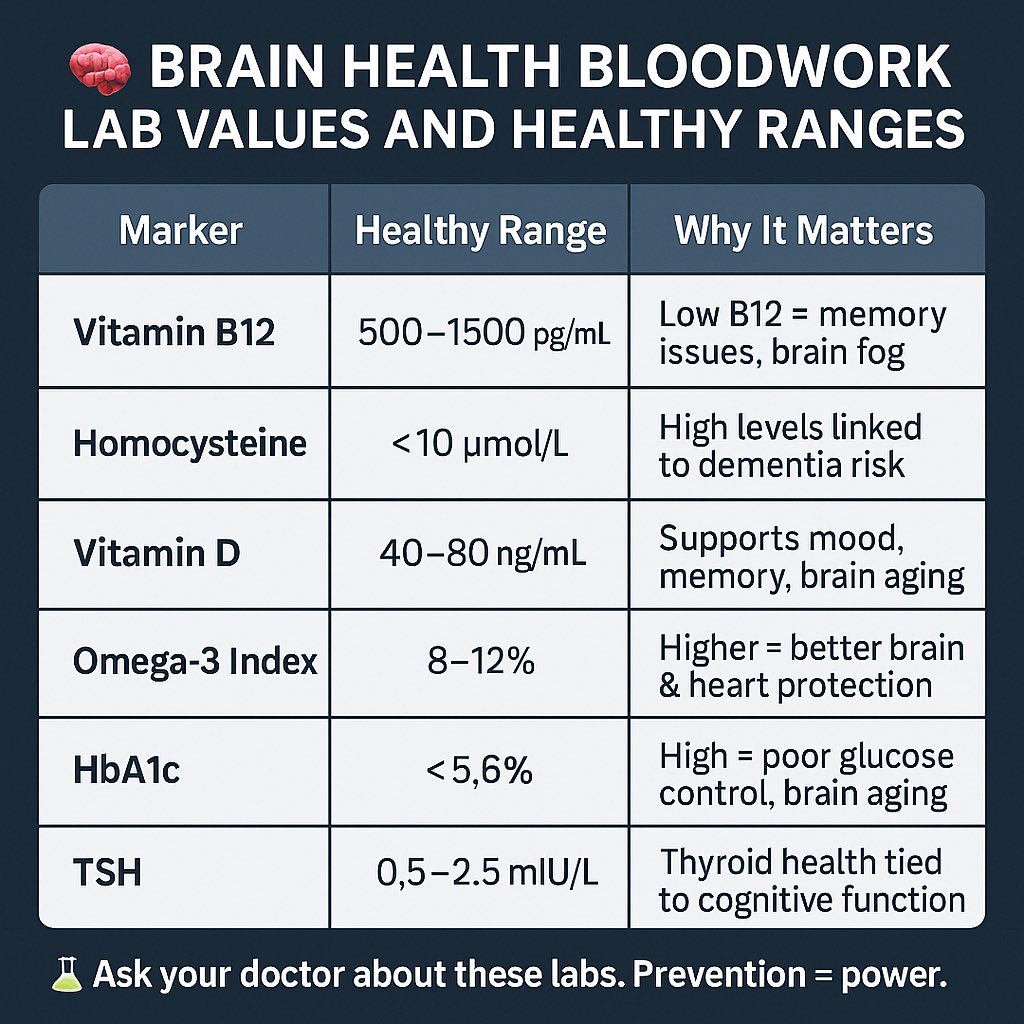
OPTIMAL lab ranges for memory health.
Repost & bookmark. Compare with your labs and discuss with your physician today if you are older than 35.
Prevention = Power. 🧠
⚠️ The Rising Dangers of AI for Seniors & Dementia Communities: Ai-generated video attached
Ai scams are evolving fast—and those with dementia, MCI, and older adults will be the first targeted. These scams are indistinguishable from reality.
Deepfake videos, cloned voices, and Ai-driven fraud can fool even tech-savvy individuals—putting families and finances at serious risk. Share this with your loved ones. We need stronger protections, digital education, and urgent advocacy.
Note: This video claims to have been created yesterday by @thetravisbible using an Ai tool (Google Veo 3), potentially for under $125. None of the people are real. #Alzheimers #SeniorSafety #AiEthics
🧠 Want to hear about brain & memory studies you can join?
Sign up—no pressure, just opportunities!
✅ Trusted researchers
✅ IRB-approved & HIPAA-safe
✅ All ages welcome
✅ Stay in the loop on cool studies
🔗 https://t.co/Wr8Ul9OQOw
#BrainHealth #Memory#EndALZ#Neuroscience
🧠 Want to hear about brain & memory studies you can join?
Sign up—no pressure, just opportunities!
✅ Trusted researchers
✅ IRB-approved & HIPAA-safe
✅ All ages welcome
✅ Stay in the loop on cool studies
🔗 https://t.co/Wr8Ul9OQOw
#BrainHealth #Memory#EndALZ#Neuroscience
Choline linked with reduced rate of cognitive decline.
Published today, this study in the Journal of Nutrition showed that >350 mg/day choline intake was linked with up to a 51% reduced rate of cognitive decline.
This is exactly why Dr. Edwards put choline in the Pronene Brain Multivitamin, along with B12, selenium, D3, and more. We believe in science.
35% off on Amazon today! https://t.co/foqAF9CNKA
📰 https://t.co/Ji0XQzwsT2
Hippocampus is especially suspectable to toxins from blood 👀
🔎 Dynamic MRI results from healthy individuals shows the hippocampus has the highest blood-brain barrier (BBB) permeability among brain regions. This suggests that toxins from blood, or lack of oxygen, may have the strongest negative impact on hippocampus health-- the brain region most responsible for creating new memories.
Supports why hippocampus may be especially vulnerable to drugs and toxins in diseases like Alzheimer's and dementia. 🧠 #BrainHealth #Neuroscience #memory
https://t.co/FElDtKlwlv
Please repost!
🚨 New in JAMA Neurology: Adults 45+ who visited the ER or were hospitalized for cannabis use had a 3.9x higher risk of being diagnosed with dementia within 5 years vs the general population. Heavy cannabis use may be an emerging dementia risk.
Surprising? Maybe not—CB1 receptors (which respond to THC) are densely concentrated in the hippocampus, a key memory hub. Disrupting this timing circuitry could lead to long-term hippocampal damage.
Researchers have known CB1 hippocampus density for decades, but have struggled to study THC because cannabis is still considered a Schedule I controlled substance under federal law, which makes it very difficult to gain permission for scientific study. What a shame. @dea@FDA
Thank you to the authors!
🔗 https://t.co/MjXwU5QpTe
#Dementia #Cannabis #THC #alzhiemers
First 30 people only!
Send us a DM and we will respond with a 50% off coupon for you to try any of our empirically-based brain health products in our store. Today 4/26/2025 only by midnight eastern time!
Repost!