Keeper Gwen has a special treat for the black swans and muntjac! The black swans are enjoying a head of lettuce, and for the muntjac she added some trail mix between the layers of lettuce. This enrichment encourages natural feeding behavior, and offers mental stimulation.
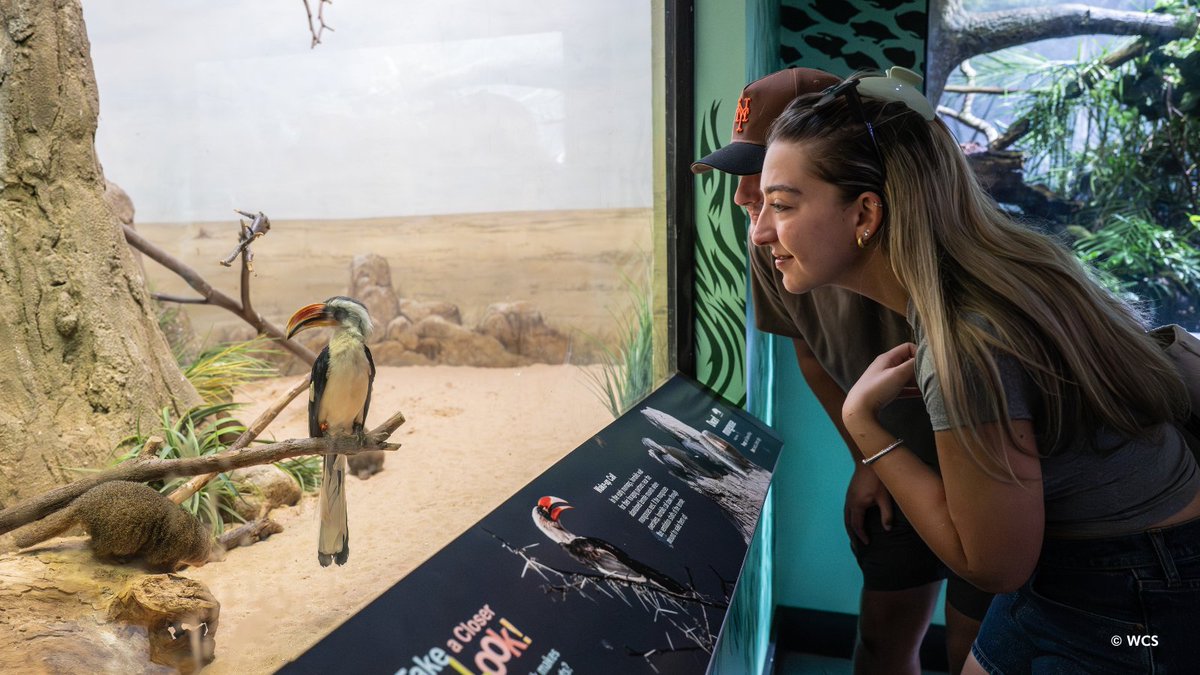
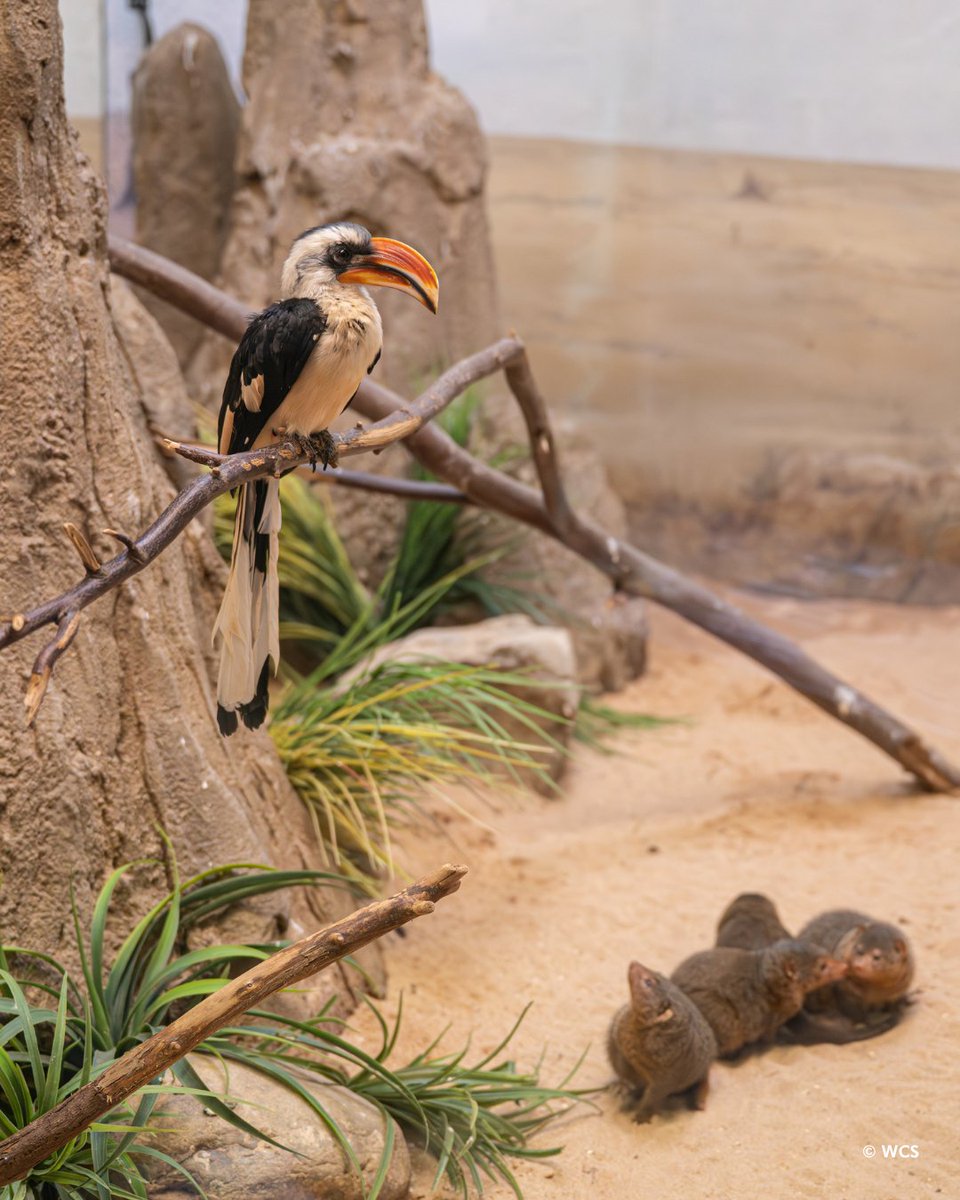
In return, the birds act as lookout guards, warning the mongooses of nearby predators with alarm calls. A true win-win in the wild, proving that teamwork isn't just for humans! (2/2)
Did you know dwarf mongooses and hornbills have a remarkable partnership in the wild? While mongooses dig for insects and other prey, hornbills catch anything that escapes. (1/2)
Just a small amount is enough to make a much larger animal sick, ensuring predators learn fast to avoid that vivid coloring in the future. In nature, sometimes the most beautiful colors mean "stay away! (2/2)
Poison dart frogs stand out for their bright, bold coloring. These patterns aren't just for show, they're a warning system. These frogs produce a toxin stored in glands beneath their skin, which they can secrete when threatened. (1/2)
Happy World Red Panda Day! There are two subspecies of red panda: Western and Styan’s. The red pandas at Prospect Park Zoo are Styan's red pandas, known for their slightly larger size and rich, deep red coats. Come and check them out this fall!
📸: WCS Photographer, Terria Clay
Join us for our 1-Day Camp: Haunted Zoo: Amazing Extinct Animals, where young explorers will get real animal encounters and hands-on activities while uncovering the surprising connections between extinct creatures and the animals roaming the zoo today. (2/3)
Discover some spooky science, learn about local nocturnal animals, enjoy special live entertainment, and more. Free with admission. Book early, tickets sell fast! https://t.co/tydmm3Wl9M (2/2)
Dress up in your favorite costume and get ready for Spooktober at the Prospect Park Zoo! Every weekend in October, experience a frightfully fun adventure. (1/2)
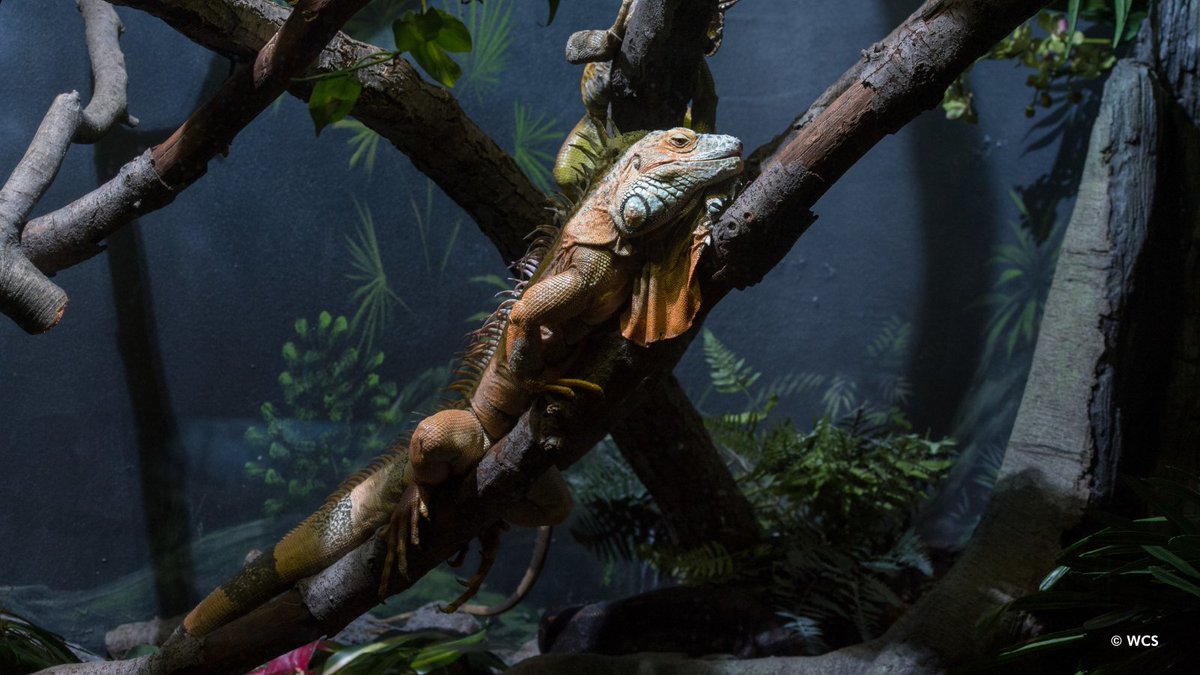
Their range stretches from northern Mexico through Central America, the Caribbean Islands, and all the way to southern Brazil. Green iguanas spend most of their lives high in the trees, only coming down to mate, lay eggs, or move to a new one. (2/2)
It’s National Iguana Awareness Day! 🦎The Prospect Park Zoo is home to common iguanas, also known as green iguanas — among the largest lizards in the Americas, averaging around 6.5 feet long and weighing about 11 pounds. (1/2)
Happy Labor Day from all of us at the Prospect Park Zoo! We’re open today, so stop by and celebrate with all your favorite animals in the heart of Brooklyn.
📸: WCS Photographer, Terria Clay
Visit the Prospect Park Zoo to meet our beautiful animals, then join us in protecting wildlife both here and around the world.
To learn more about how the Prospect Park Zoo and @theWCS seek to protect wildlife and wild places, visit https://t.co/1zwduXZpfN (2/2)
Today is #NationalWildlifeDay! Did you know that every time you visit the Prospect Park Zoo, you support our hands-on conservation efforts, field research, and breeding programs that help safeguard vulnerable species globally? (1/2)
This pheasant species is the national bird of Nepal. Himalayan monals are typically found in high-altitude forests and alpine meadows. (2/2)
📸: WCS Photographer, Terria Clay
This striking bird is a Himalayan monal. It is sometimes referred to as the ‘nine-colored bird’ due to the brilliantly colored iridescent plumage on the neck and wings of adult males. (1/2)
Join us for daily training sessions on weekdays at 11:30 a.m. and 3:30 p.m. and 11:30 a.m., 2:00 p.m., and 3:30 p.m. on weekends and holidays to learn more about these intelligent mammals. (3/3)
Ever wonder what goes into a sea lion training session?
Sea lions are incredibly curious and intelligent, and our training sessions are designed to keep their minds and bodies engaged. (1/3)
Using positive reinforcement, our animal care team works with them on natural behaviors while giving them the mental stimulation they need to thrive. It's also a great way for our team to monitor their health up close. (2/3)