$PRXN is live.
Real web data from real homes, signed at the source. Nodes earn USDC serving it, AI teams buy data they can verify.
Node client and signed results already run on devnet. Payouts land after mainnet.
CA: 2CM4HywBv6GCPBnyiGL3X9qgm3NCBRbTmZEWCHBFpump
Platform: https://t.co/tNcQdK92zP
Code: https://t.co/NuCcupBLbJ
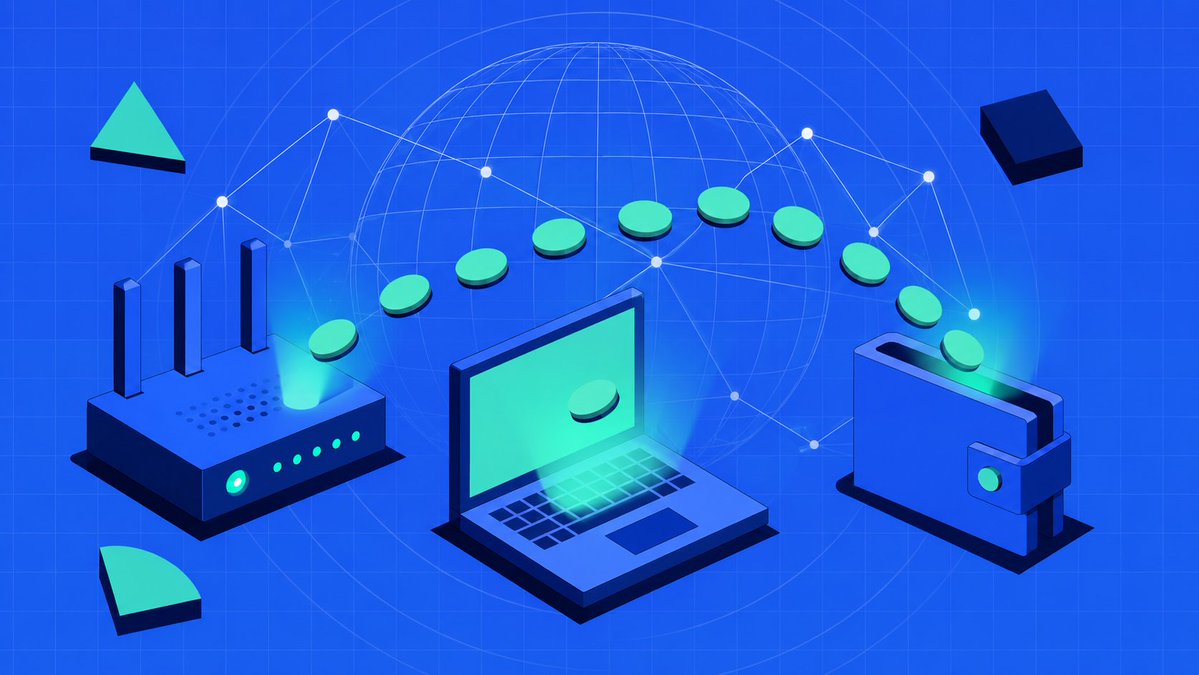
Node runners load webpages from home, paid in USDC.
Buyers pay USDC for data they can verify.
Stakers lock $PRXN, collect a share of every buyback.
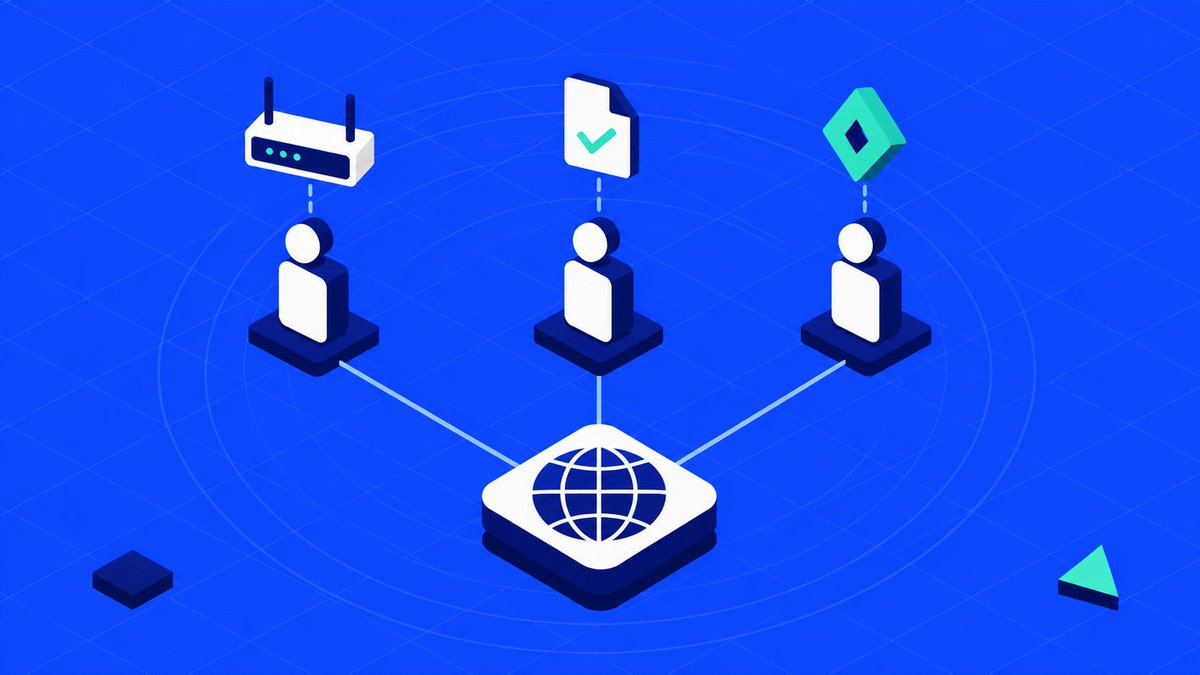
Three groups, one network.
Everyone has a US or EU node. Almost nobody has one in the rarer regions.
If your home connection sits somewhere the network is short on, your fetches pay a rarity bonus on top of the normal rate.
The protocol takes some of its revenue and uses it to buy $PRXN off the open market.
That $PRXN doesn't vanish, it goes to everyone staking, split by how much each person locked up.
You don't have to do anything except stake and let it collect.
Your node only works when open. Close the extension, it earns nothing. Open, it picks up jobs whenever they come in.
No schedule, no minimum uptime required. More time online means more chances to get picked for a job.
Proxion pays two kinds of people. Run a node, earn USDC per fetch. Stake $PRXN, earn a share of every buyback.
You can do one or both. Nothing stops you from running a node and staking at the same time.
You don't need to understand blockchain to run a node. Install the extension, keep it open, that's it.
You don't need to understand escrow or proofs to stake. Buy $PRXN, lock it in the staking page, watch the buybacks roll in.
Two buttons, pick one, start today.
https://t.co/xEsyd0iaqi
Two pipes feed.
One, a cut of every USDC order that goes through the network. Two, creator fees from https://t.co/UtMSVasOke.
Both pipes buy $PRXN off the open market. That $PRXN goes to the treasury, then out to stakers.
More orders and more trading volume both push more money down these pipes.
A customer will pay peanuts for data from a region already crawling with nodes, and a premium for one where almost nobody is online.
So a node in a quiet country prints more than the same node in a crowded one.
https://t.co/ZLSvC6Xoqe
Staking means locking up $PRXN in the protocol instead of holding it in your wallet.
You become eligible for the fatter, premium-paying orders. And you get a cut of every buyback the protocol does, paid out to everyone staking, split by how much you put in.
Your connection does nothing for most of the day.
Point the Proxion node at it and that dead time starts pulling small jobs in the background, each paying out to your wallet.
No rig, no extra gear, the node and its signed results run on devnet already. Payouts switch on once mainnet lands.
https://t.co/tNcQdK9Apn
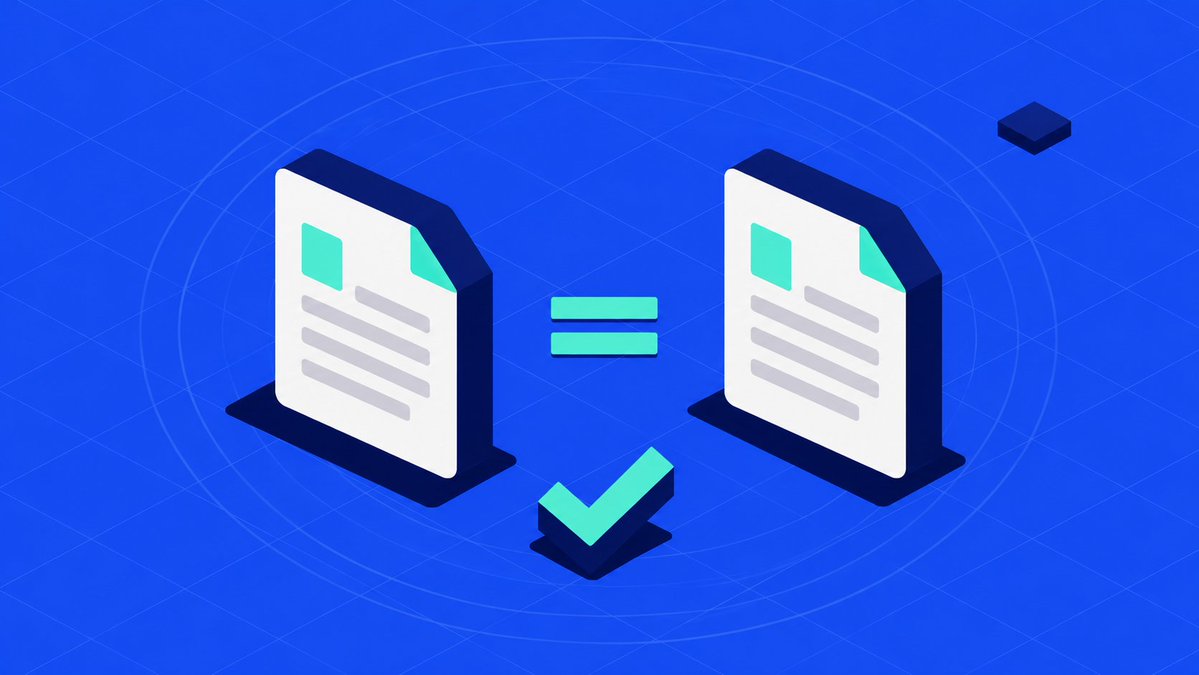
Another node repeats your fetch and compares the result. Matching results, you're clean, everyone gets paid.
This stops anyone from faking the page or lying about where they are.
Every job your node finishes pays USDC.
Payouts settle per epoch. An epoch is just a fixed window of time, think of it as a payday that repeats.
When the epoch closes, the network checks your work and drops your USDC.
https://t.co/aO1akcNwHr
Your node is a small worker. Someone needs a webpage loaded from a real house. Your node loads it, signs it, sends it back.
That's all, no mining, no GPU, no fans heating room up. Your internet just does one extra thing in the background.
https://t.co/ZLSvC6WQAG
Developer API is live. Place verified fetches from code.
Deposit USDC, sign with your wallet to get an API key, call /v1/orders. Every response includes its Proof-of-Fetch.
Keys are wallet-bound, stored as hashes only. No contract changes, just a REST layer on what already runs.
https://t.co/1yIcXatpi8
https://t.co/L9dkncjPmt