IPv4 vs IPv6:
IPv4:
• 32-bit addresses
• ~4.3B possible addresses
• NAT/CGNAT widely used because addresses are scarce
IPv6:
• 128-bit addresses
• vastly larger address space
• devices can have globally routable addresses
• temporary privacy addresses are possible
Many networks use both at the same time.
IPv6 is not automatically faster or encrypted. Routing, peering, firewalls, HTTPS, and VPNs still matter.
#InternetMysteries #IPv4 #IPv6 #Networking
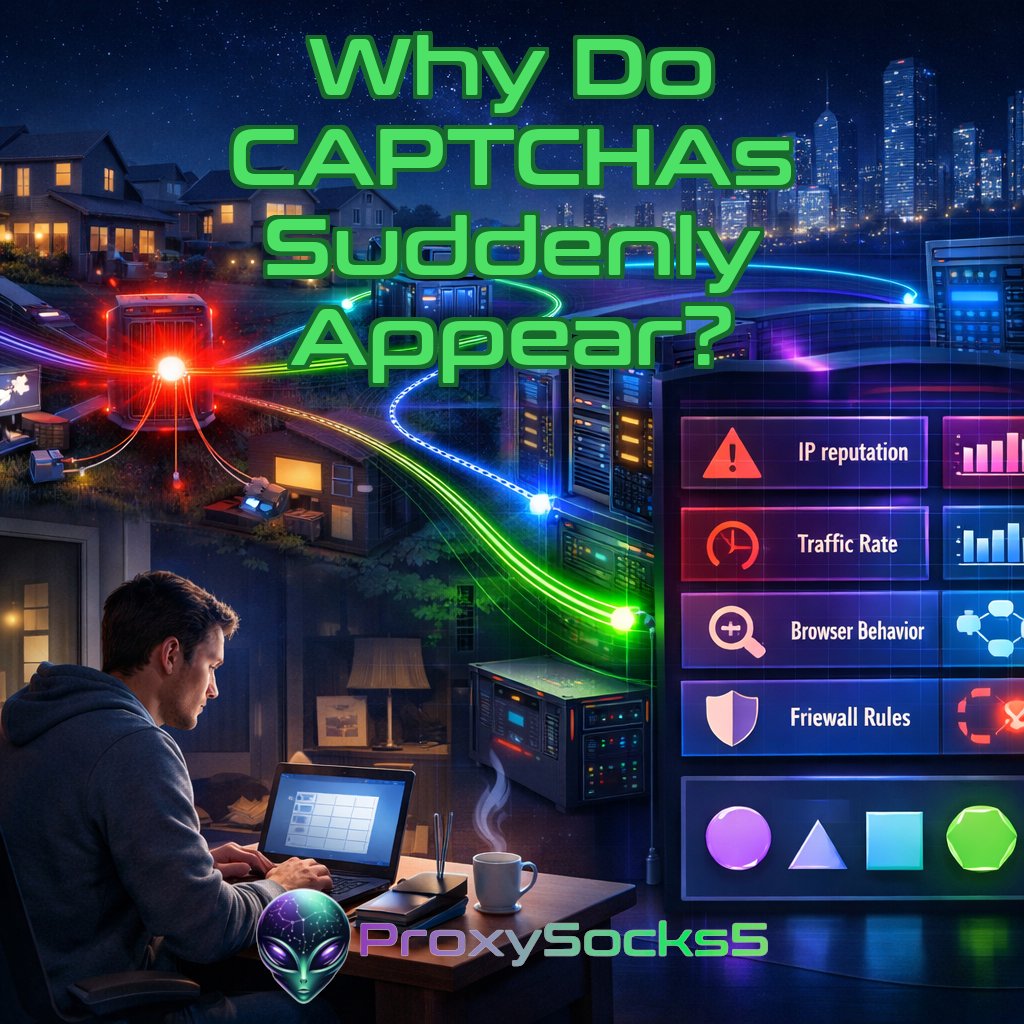
Why does a CAPTCHA suddenly appear?
Because security systems evaluate the current request, not just your identity.
Possible reasons:
• your public IP changed
• another user shares your IP
• requests are arriving quickly
• a VPN/proxy changed the exit IP
• browser signals look unusual
• the website enabled stricter rules
Google says another user on the same ISP, network, or VPN can trigger unusual-traffic checks.
A CAPTCHA is a verification step—not proof you're a bot.
#InternetMysteries #CAPTCHA #Networking #BotDetection
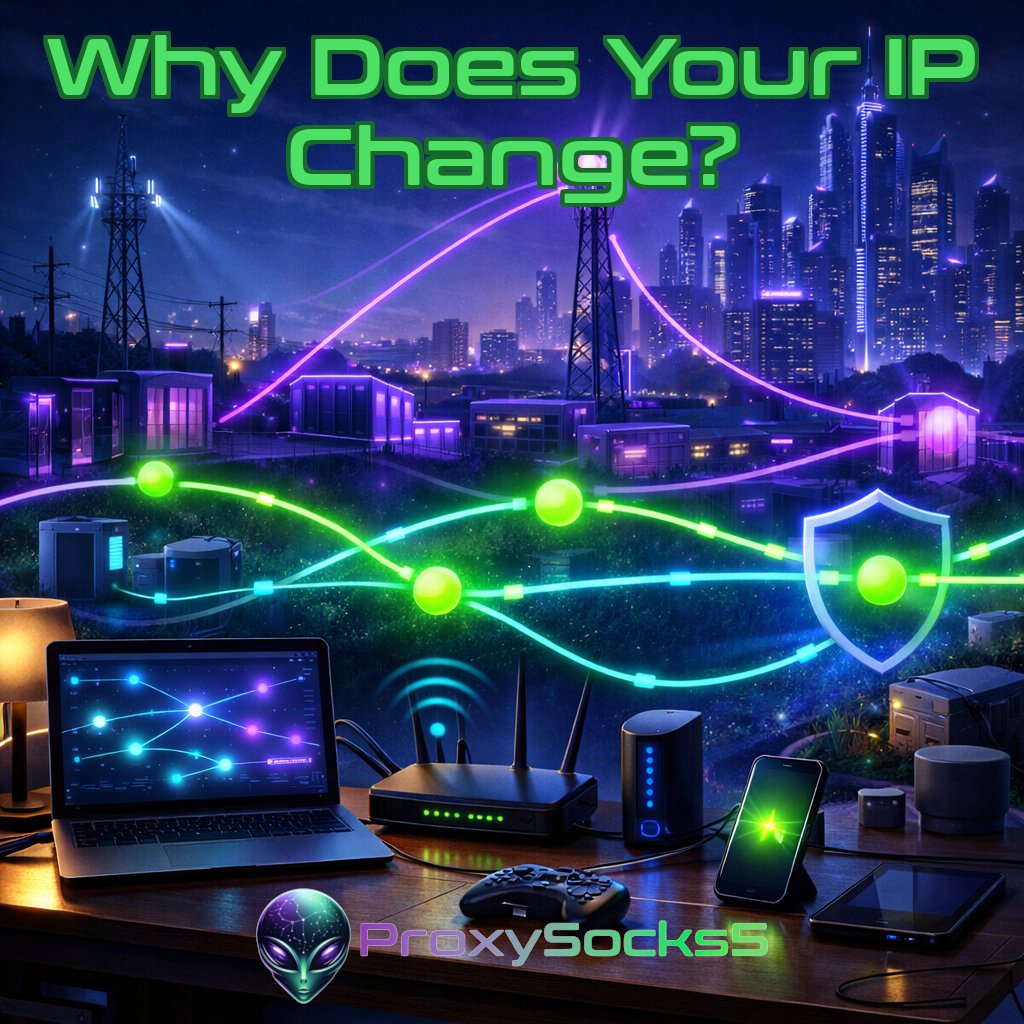
Why does your IP change?
Most home connections use dynamic public IPs.
Your ISP assigns an address from its pool, and it may change after:
• reconnects
• lease renewals
• maintenance
• gateway changes
• switching networks
• enabling a VPN or proxy
Restarting your router does NOT guarantee a new IP. You may receive the same one again.
And your private IP can change without your public IP changing at all.
#InternetMysteries #IPAddress #DynamicIP #Networking
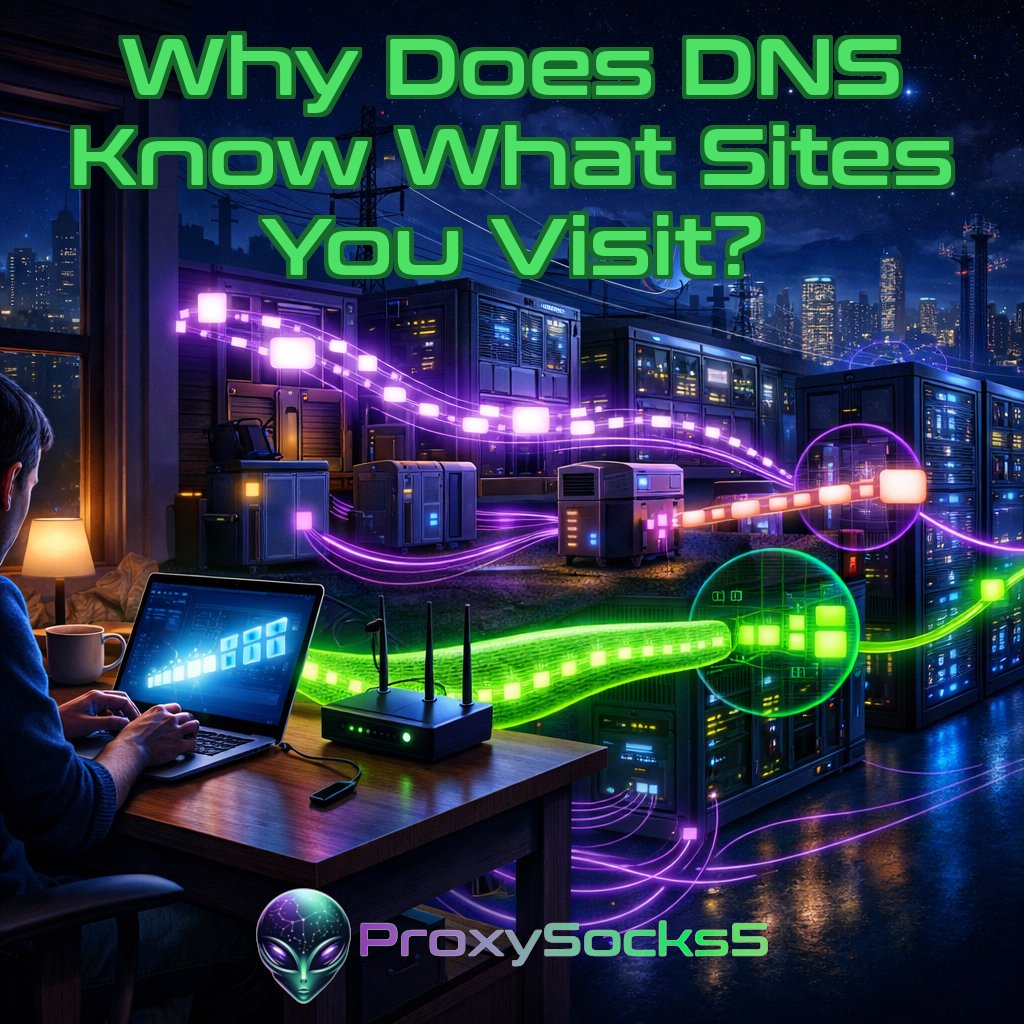
Why can DNS reveal what sites you visit?
Before connecting to a domain, your device often asks a DNS resolver for its IP address.
Traditional DNS is usually plaintext, so the resolver—and potentially observers on the network path—can see the domain name.
Important: DNS normally reveals the domain, not the full URL or page.
DoH and DoT encrypt the query while it travels to the resolver, but the resolver itself still needs to process it.
#InternetMysteries #DNS #Privacy #Networking #DoH
hy does your IP say you're in another city?
Because IP geolocation is an estimate—not GPS.
An IP lookup database may use:
• ISP/address-block data
• network measurements
• routing information
• historical observations
Your ISP may use one IP range across a large region, so the database assigns a nearby major city.
Mobile networks, CGNAT, VPNs and proxies can make city-level location even less precise.
Different databases may even disagree.
#InternetMysteries #IPGeolocation #Networking
What is a proxy?
Normally:
Device → Website
With a proxy:
Device → Proxy → Website
The proxy makes the final connection on your behalf, so the destination normally sees the proxy's IP as the network endpoint.
It doesn't make you invisible. Cookies, accounts, browser data, TLS behavior and request patterns can still matter.
HTTP proxies focus on web traffic. SOCKS5 can carry many kinds of TCP traffic and can support UDP when implemented.
Proxy ≠ VPN.
#InternetMysteries #Proxy #SOCKS5 #Networking
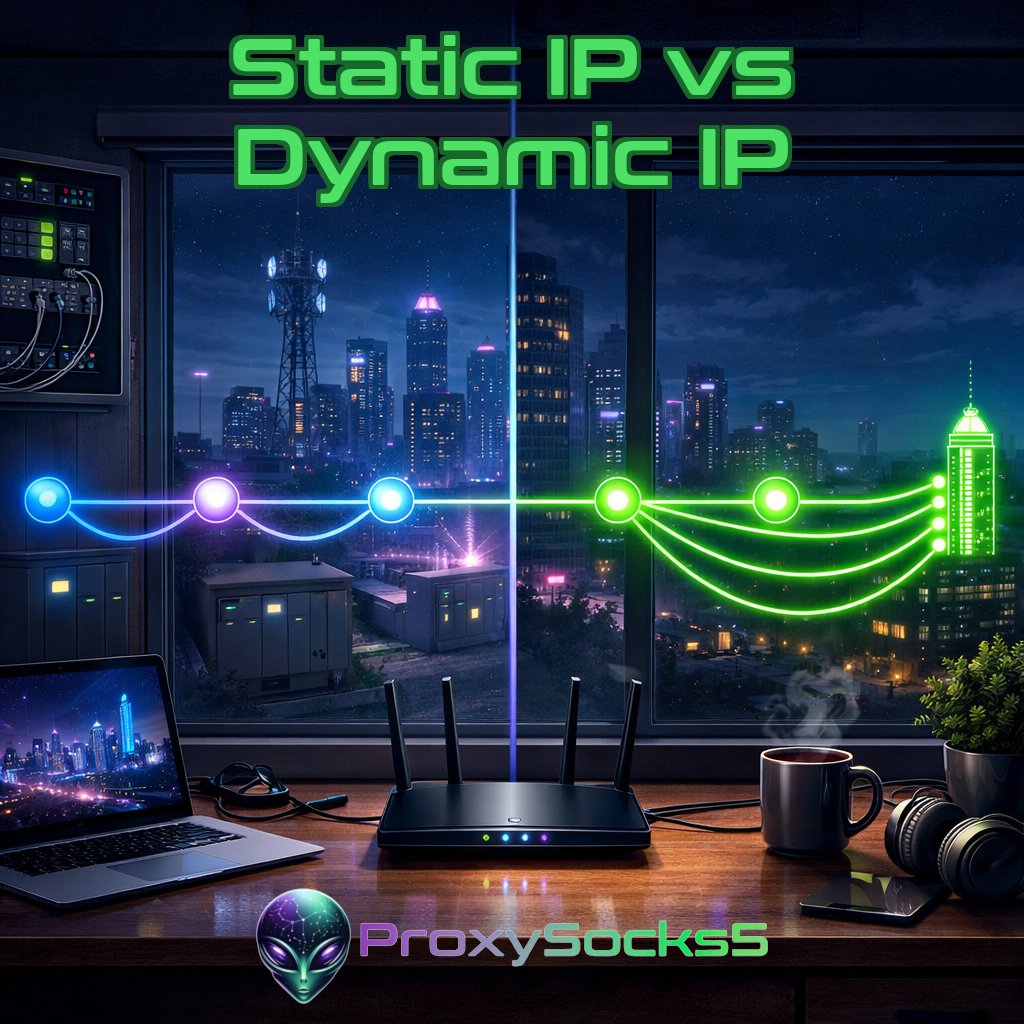
Static IP vs dynamic IP:
Dynamic = your ISP can change the address over time.
Static = the address is intended to stay the same.
A dynamic IP may change after:
• reconnecting
• router restart
• lease renewal
• ISP maintenance
Static IPs are useful for remote access, servers, monitoring, and allowlists.
Important: static ≠ dedicated.
Static means consistent.
Dedicated means assigned only to you.
#InternetMysteries #StaticIP #DynamicIP #Networking
Your PC says:
192.168.1.20
An IP-check website shows something completely different.
Both can be correct.
192.168.x.x is usually a private IP used inside your local network.
Your router uses NAT so several devices can share one public IPv4 address on the internet.
So:
Laptop → private IP
Router/ISP → public IP
Website → sees the public IP
If your ISP uses CGNAT, several households may even share that public IPv4.
#InternetMysteries #PublicIP #PrivateIP #Networking #NAT
What is an IP address?
It is the network address used so internet traffic knows where to go and where replies should return.
Two main versions exist:
• IPv4 — 32-bit, ~4.3B possible addresses
• IPv6 — 128-bit, vastly larger address space
At home, devices usually have private IPs while your router presents a public IP to the internet.
With NAT, several devices can share one public IPv4. With CGNAT, even multiple households can share one.
An IP can suggest a region or ISP, but it is not your exact physical address.
#InternetMysteries #IPAddress #IPv4 #IPv6 #Networking
Why does Google think you’re a bot?
A CAPTCHA does not automatically mean your device was running automation.
Google says unusual-traffic warnings can come from:
• scripts or automated tools
• browser plug-ins
• malware
• very rapid searches
• another device sharing your public IP
That last one matters.
If many people share one public IP, Google sees traffic from all of them arriving from the same address.
One noisy user can therefore affect others.
Google is often judging the traffic from the network, not identifying one specific person as a bot.
#InternetMysteries #Google #CAPTCHA #Networking #CGNAT
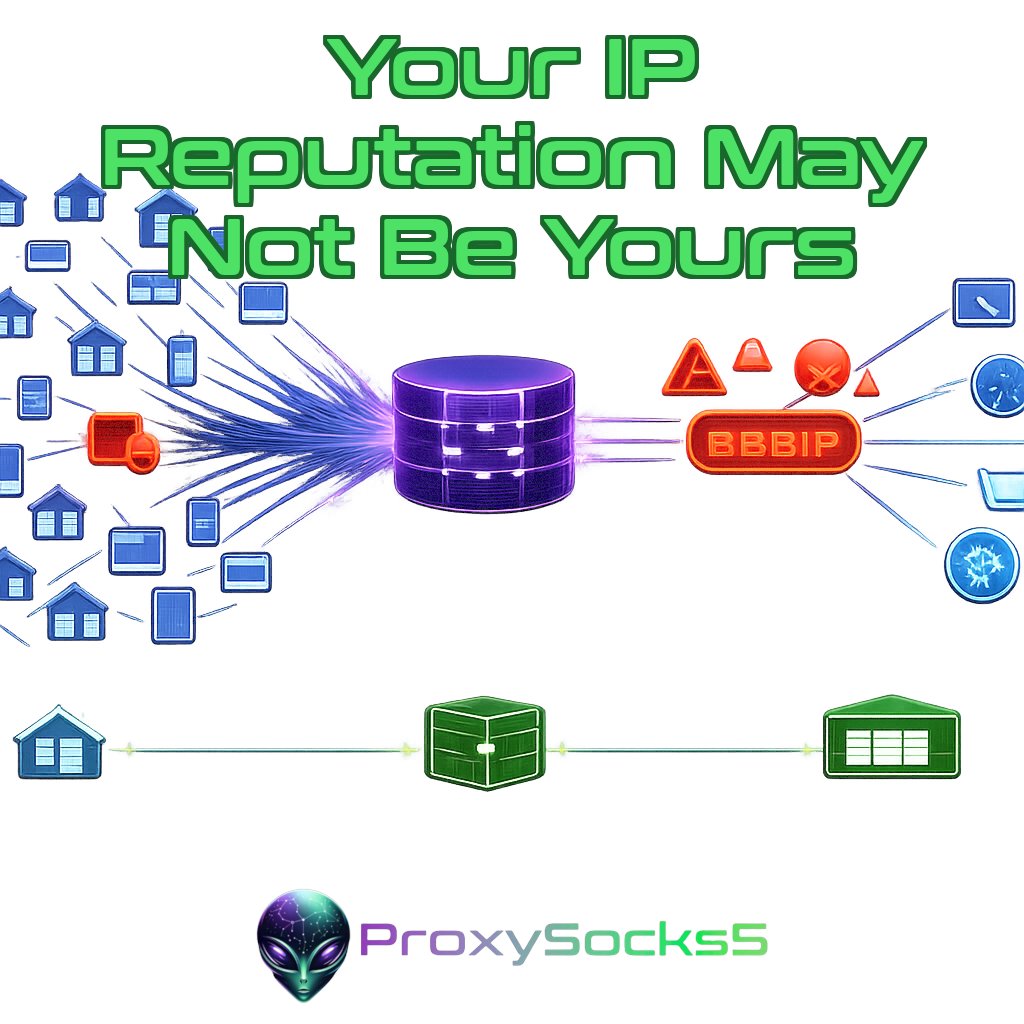
Your IP gets flagged, but you did nothing unusual.
CGNAT may be the reason.
Some ISPs place many customers behind the same public IPv4 address. If another user generates abusive traffic or too many requests, that shared IP can receive CAPTCHAs, rate limits, or blocks.
Then your traffic arrives from the same address.
Useful distinction:
• Static = stays the same
• Dedicated = only you use it
• Residential = ISP/network category
A dedicated exit IP reduces shared reputation spillover.
#CGNAT #IPv4 #Networking #IPReputation
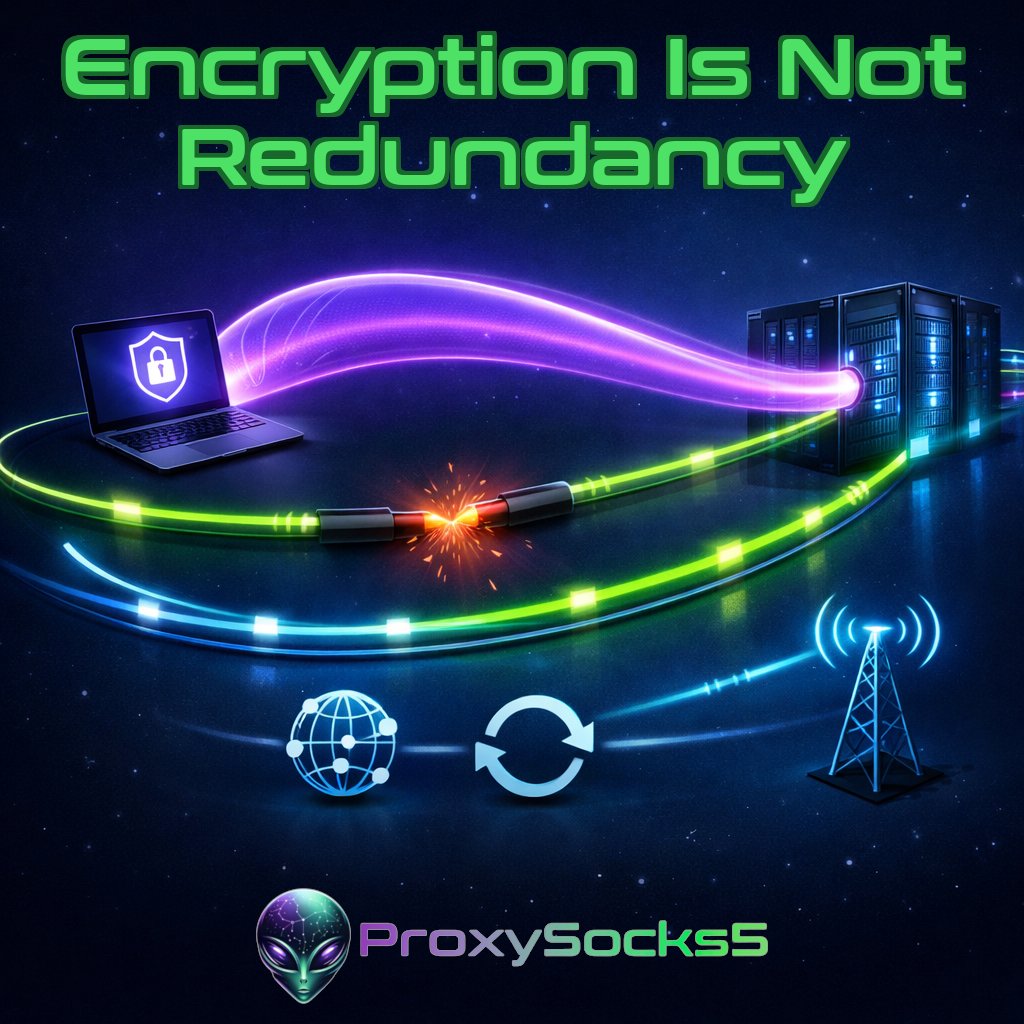
A VPN cannot repair a cut fiber route.
WireGuard or Amnezia can protect traffic while a connection exists, but they still depend on the network underneath.
For remote-work continuity, test:
• independent second ISP
• mobile backup
• alternate DNS
• automatic VPN reconnect
• application retries
• network switching
And check that both ISPs don't share the same local failure point.
Encryption protects the route.
Redundancy gives you another one.
#WireGuard #VPN #Networking #RemoteWork
Your IP address isn't the only thing a server can see.
It can also observe packet-level behavior such as:
• TTL
• TCP window size
• MSS
• TCP option order
• timestamps
• window scaling
Taken together, these signals can form a TCP/IP fingerprint.
That fingerprint may resemble Windows, Linux, macOS, Android or iOS, even without relying on the browser user-agent.
We've added TCP/IP fingerprint selection for our proxies: Windows, Linux, macOS, Android and iOS.
#TCPIP #Networking #Proxies
A new session doesn’t always need a new IP.
Dedicated static residential proxies make sense when you need:
• repeat visits
• long-running projects
• session continuity
• consistent regional testing
• a predictable endpoint
Rotation is useful when you need frequent changes.
Static IPs are useful when consistency matters.
#ResidentialProxies #StaticIP #Networking
Running an AI model locally is only one privacy control.
Also ask:
• Where do updates travel?
• Is telemetry sent anywhere?
• Who can access the output?
SOCKS5, WireGuard, or a static proxy can help control approved routing.
But routing a cloud app through your network does not make it local.
Think in 3 layers:
local compute + network policy + access control.
#LocalAI #Cybersecurity #AIInfrastructure
Frankfurt network update. 🇩🇪
New residential IPs from UAB Init ISP are now available in Frankfurt, Germany.
Another German endpoint for regional testing, development, and supported workflows.
Explore them at https://t.co/RSxqkqY2NJ.
#Frankfurt#ResidentialProxies#Germany
Austin, Texas is live. 🤠🇺🇸
New residential IPs from a Tier 1 ISP, available across our full lineup:
• HTTP Proxy
• SOCKS5 Proxy
• Shadowsocks
• Trojan
• WireGuard VPN
Another US location for your setup.
https://t.co/RvvyZnn9sL
#ResidentialProxies#AustinTX#SOCKS5 #WireGuard
Your campaign dashboard says the ad is live.
But did the right creative appear in the right place, with the right link?
For approved campaigns, log:
• creative
• placement
• destination URL
• timestamp
• region
Residential proxies can help check what people see in supported locations.
Ad-platform reports add delivery context.
Neither reveals every decision inside an ad auction.
#AdVerification #AdTech #DigitalMarketing
An encrypted tunnel can't rescue a compromised device.
The CHOSEN BRICK spyware advisory is a reminder that transport security and endpoint security are different.
WireGuard, Amnezia, Shadowsocks and Trojan can protect traffic in transit when properly configured.
They can't stop spyware already running on your device from accessing local data.
Verify downloads. Patch software. Treat unexpected attachments carefully. Use endpoint protection.
Secure the connection AND the device.
Student privacy has two layers:
Network privacy:
• routing
• encryption
• visible endpoint
Data governance:
• approved AI tools
• account permissions
• retention
• training/advertising rules
Proxies or WireGuard VPN can help protect the network path.
They don't replace policies governing what happens to the data after it reaches the service.