@jaesmail I’ve been feeling viscerally that llms are complex systems which allow us to interface more effectively with complex systems. So much creative potential to unlock.
I’ve been working on animated and fully responsive floral borders. We’re close to having all the pieces needed to browse the web as an illuminated manuscript.
One of my inspirations for this was visiting Delphi and seeing how the floral forms of the columns were the same forms as the wild flowers growing around the complex. The eventual goal is to generate borders based on any plant species.
@ProxyUniversal oooooh, I love it! Can I adapt the same idea for my Iliad atlas? Something similar, but with an Ancient Greek aesthetic? https://t.co/CNfkiUoyKj
My husband has used AI agents to revive old fonts, ornaments, & cuts from 19th century newspapers. The agents even built an editor where you can create your own invitations/pamphlets/cards using old cuts & fonts. Have been using it for @Quillette invitations already
https://t.co/n9POnw4CBO
Our almost 3 year old has become very interested in “bad guys.” We had a talk about how there are real bad guys who want to hurt people and how we have to be brave and stop the bad guys. Now he wants to bring his imaginary gun everywhere so if we see a bad guy he can shoot them.
Strong plus one to this. But before we will be able to step into this new artistic mode we will first look backwards. I think it will be similar to how following the industrial revolution we had the arts and craft movement before we had bauhaus.
The stage is set for an artistic revolution to happen very soon. The main conditions are present:
1. A new technology or medium: generative AI
2. Exhaustion with the dominant aesthetic: postmodern & woke orthodoxy
3. A crisis of meaning
The main thing holding back the revolution is talent. Rn genAI is mostly being used as a slop canon. Meanwhile, the people with taste are crucifying one another even for using it as a research tool. I recently went to an ART AND TECHNOLOGY panel at the New Museum and saying the letters “AI” was practically a thoughtcrime.
Good time to be a nonconformist artist!
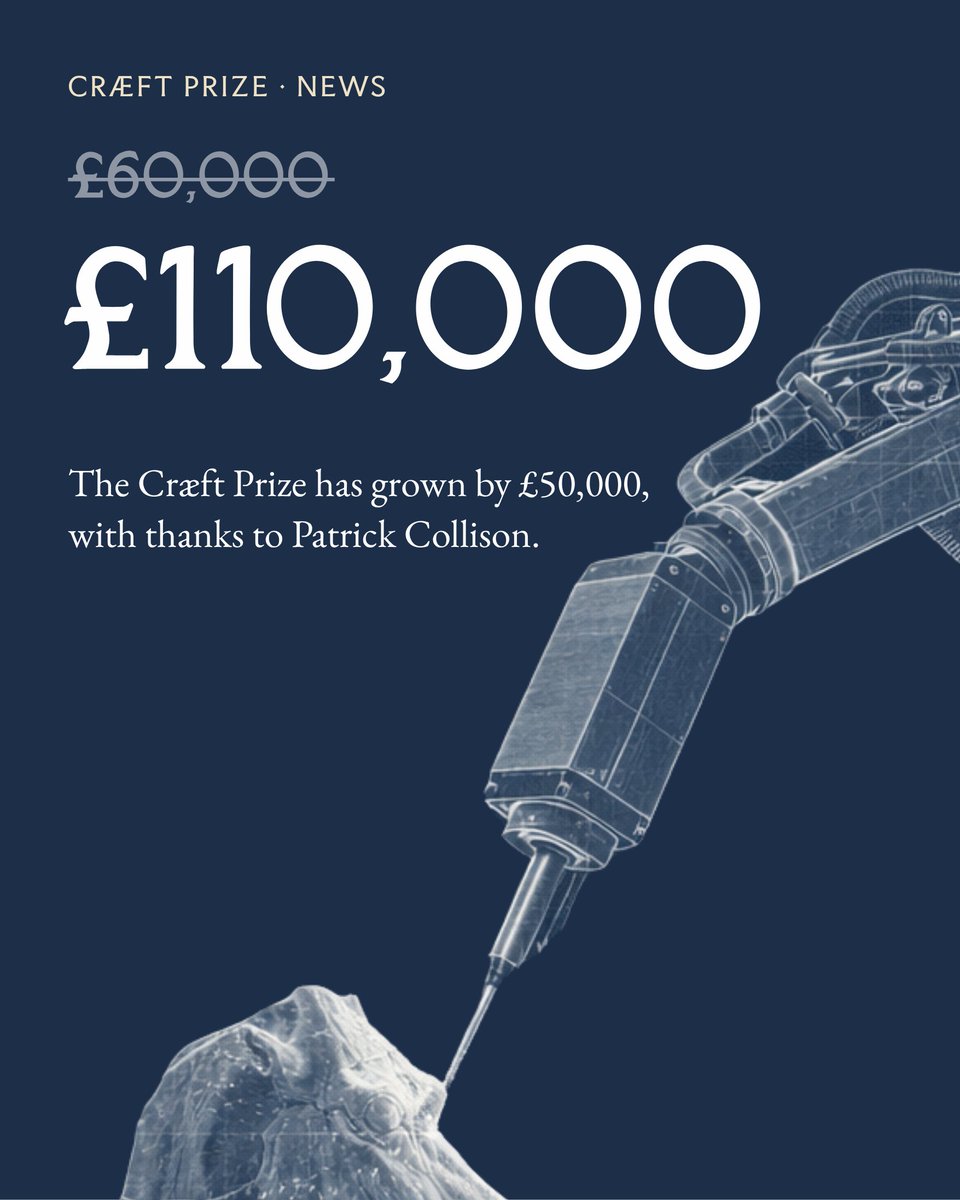
I have very exciting news. Thanks to a generous gift from @patrickc, the Cræft Prize is growing to £110,000.
My March open call for artisan-innovators fusing the wisdom of craft with cutting-edge technology sparked a flood of excellent submissions.
In early 2027, we will host an awards ceremony, exhibition, and conference exploring how craft can breathe soul and beauty into the machine.
Read all about it 👇
This is a spouse appreciation post. If you're married and you see this, comment one thing you appreciate about your husband or wife.
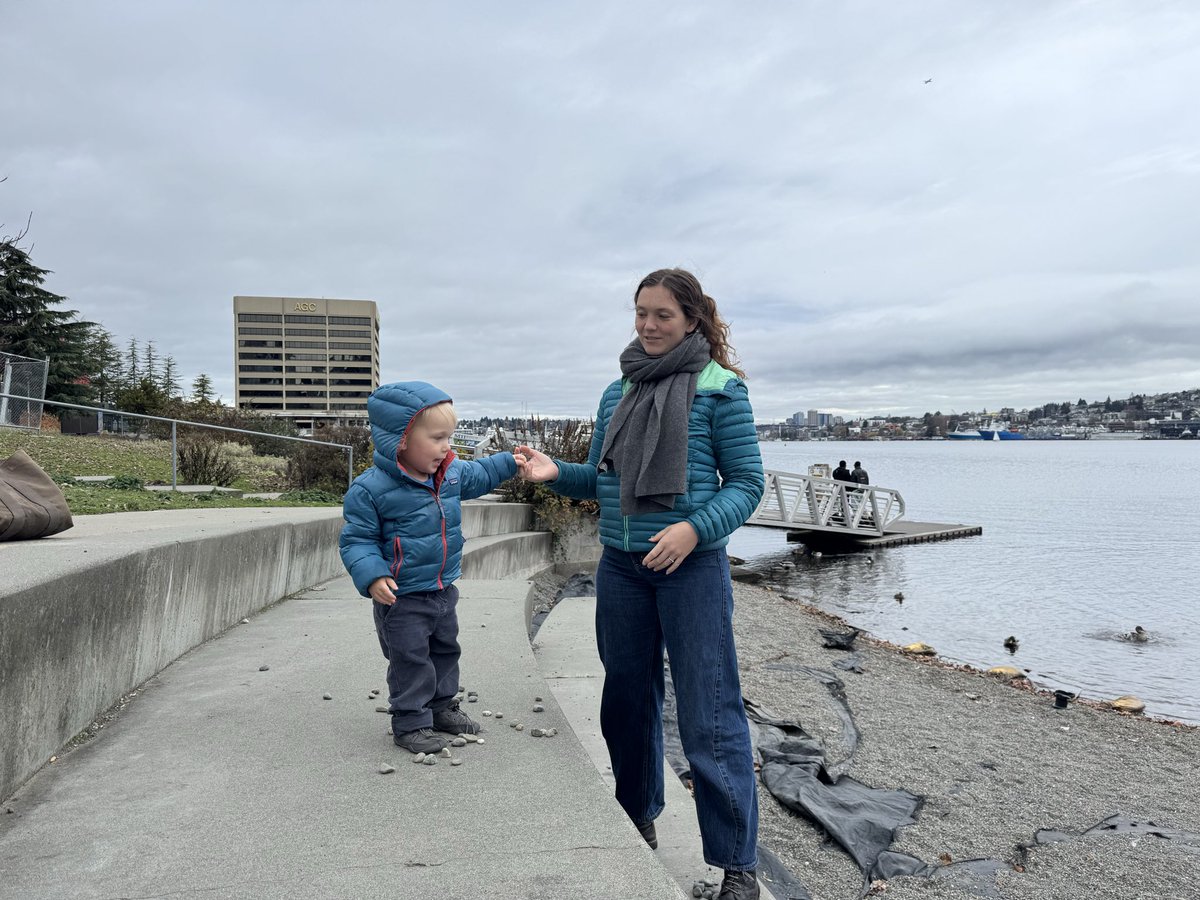
I appreciate how much Mr Granite loves our kids and how patient he is with our toddler's shenanigans.
Taste is kind of like an aesthetic prediction market. The challenge is to draw a line in the sand before the position becomes obvious to others. Once an expression or story becomes widely validated the challenge of discovery is gone, along with the risk and glory. It switches from being elusive and intangible to becoming a known cultural substrate that composts into future taste making.
Counter argument: Not only is taste subjective, it's a moving target. As soon as [tasteful thing] becomes easily replicable, it stops being tasteful.
Taste is a status game with a strong defensibility mechanism. That's why the term is so fuzzy and ill-defined. Vagueness is the whole point. It's meant to be hard to copy.
This is the moment to do the exact opposite and bolster access to tradition and craft. Husbandry, woodworking, stone masonry etc should increase in visibility. One should be able to traverse the tech stack as they move through the city. The way to gracefully step into the future is by holding the past.
The horse carriage industry is coming to an end in New York City.
Our administration will make sure workers and owners are protected and the horses are safe.