@RealAbs1776 No need to think of those things. They got what they need. It's stop fckin around time.
I mean, some of these candidates were clearly forced on them just so the theft had to be so large to overcome.
That TX dude is a cartoon character.
@SunTzusWar I'm just not seeing what the next route could be. Dropping the hammer just seems like it would draw more outrage than had you done something sooner.
🚨 NEW: A Kansas polling place RAN OUT of ballots this morning after the county delivered only 10 PERCENT of the ballots needed
By 8am, voters were being TURNED AWAY. It took over an HOUR AND A HALF for more ballots to be delivered.
How does this even happen?!
@Jojo42431667@CrimeWatchMpls She knows. Lettering says problem solved. They just seem to think everyone is like them and don't think anything will come of it.
Marc Elias has reportedly received a DOJ target letter in the criminal probe of the decoy “Dan Sullivan” on Alaska’s Senate ballot. So has the DSCC.
A target letter is not an indictment. Elias gets the presumption of innocence — something the Lawfare crowd never extended to me.
But notice the difference.
Arguing in court that an election was flawed is advocacy. The First Amendment protects it.
What’s alleged here is something else: recruiting a retired teacher named Daniel J. Sullivan to sit on the ballot next to Sen. Dan S. Sullivan, so voters pick the wrong one.
That’s not advocacy. It’s deception aimed at the voters themselves.
And it isn’t just Republicans saying so. The New York Times reported that texts and documents tie the effort to the DSCC and its top law firm.
Alaskans are voting today with both names on the ballot.
Last week I said a fairly picked grand jury should hear this. We’re one step closer.
Advocacy is protected. Fraud on voters is not.
And here's the apex point -- Elias didn't just, it seems, participate in picking the fake Dan Sullivan, he then entered as if he was an uninvolved legal advocate, riding both sides of the sapling.
Hypocrisy and deception.
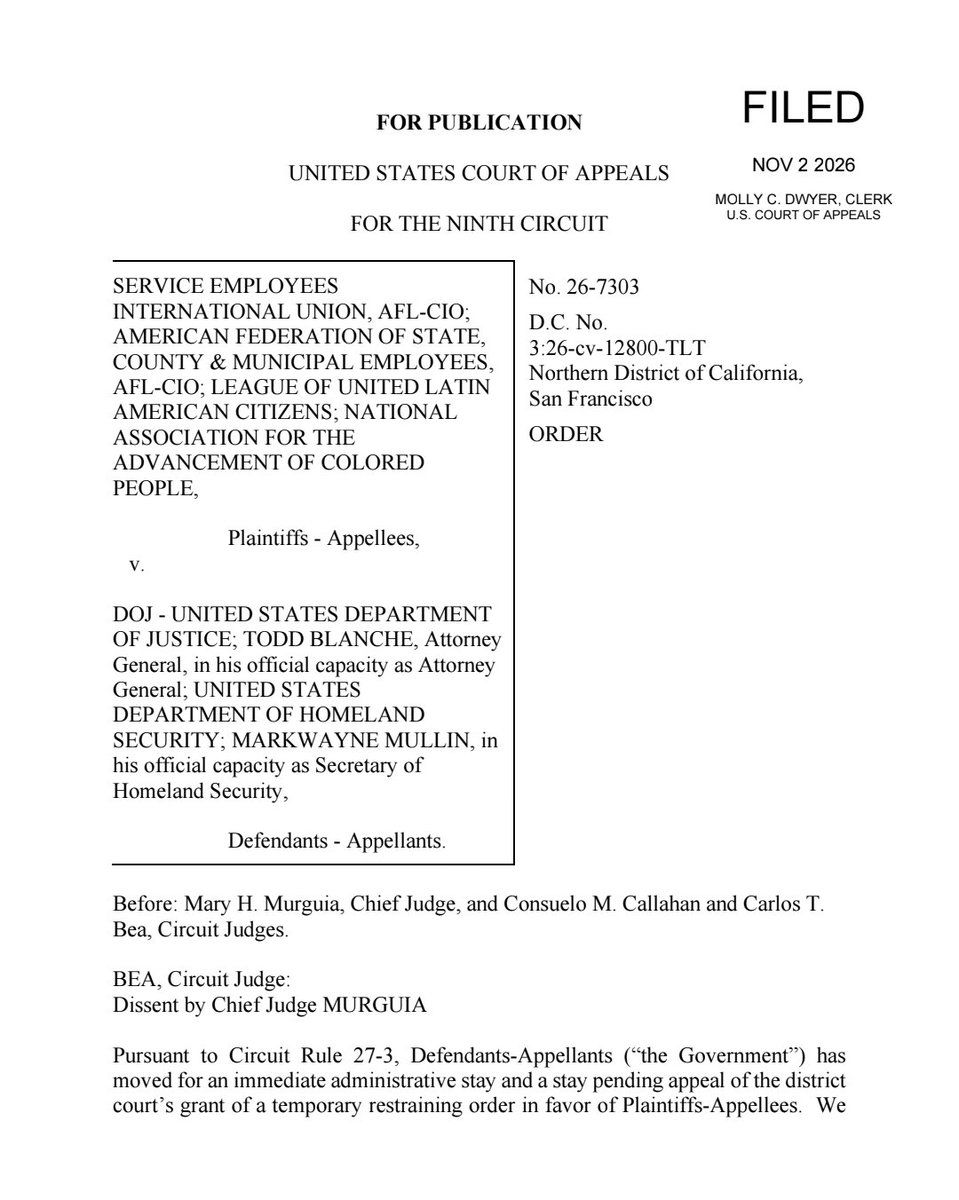
BREAKING: In a 2-1 vote, the Ninth Circuit lifted restrictions on the Trump administration's efforts to have states set aside ballots from suspected noncitizens, allowing it to resume such requests, warn election officials of prosecution, and pursue related investigative steps.