Online journal exploring works from the history of art, literature, and ideas. Featuring 300+ essays — ✍️ submissions welcome. Also 900+ prints in our shop!
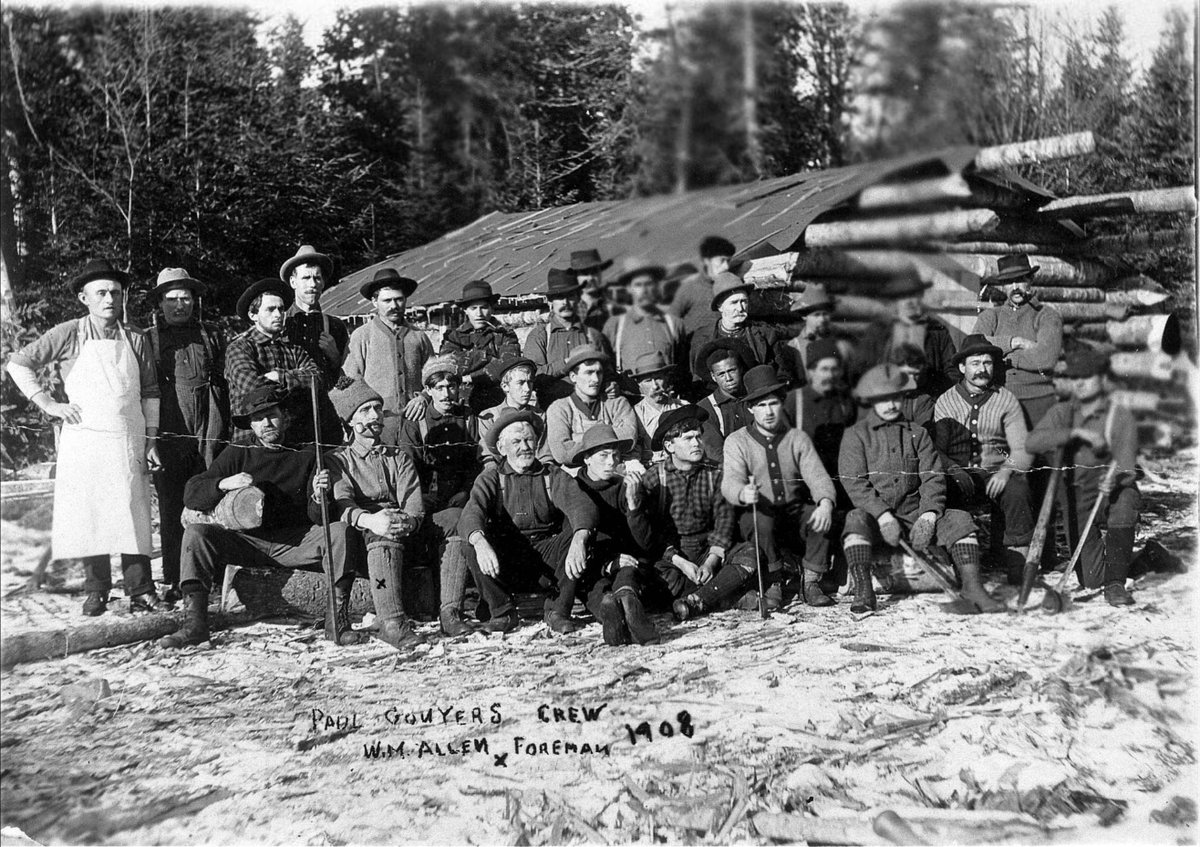
NEW ESSAY — “Men with Queer Nerves”: Ross Bullen on the odd phenomenon of “Jumping Frenchmen”, French-Canadian lumberjacks in 19th-c Maine who, at the slightest stimulus, seemed to jump, strike out w/ their limbs, or mimic languages they could not speak: https://t.co/Ro3Q9hZPcm
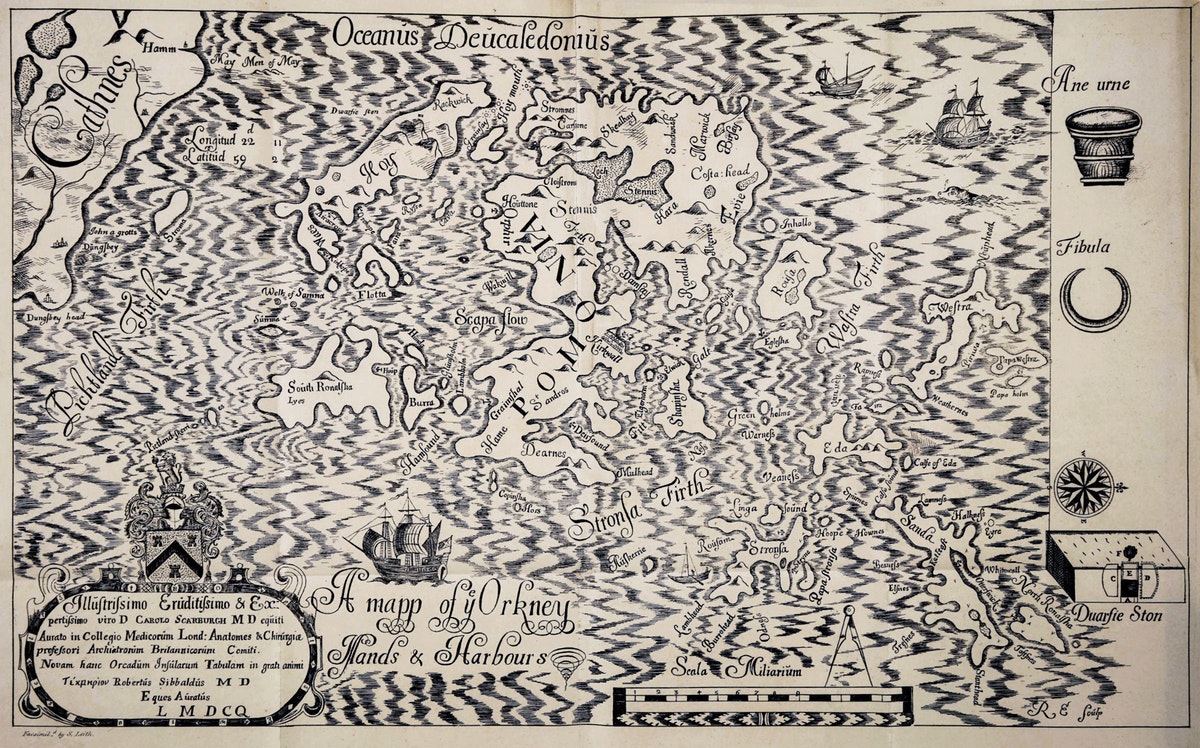
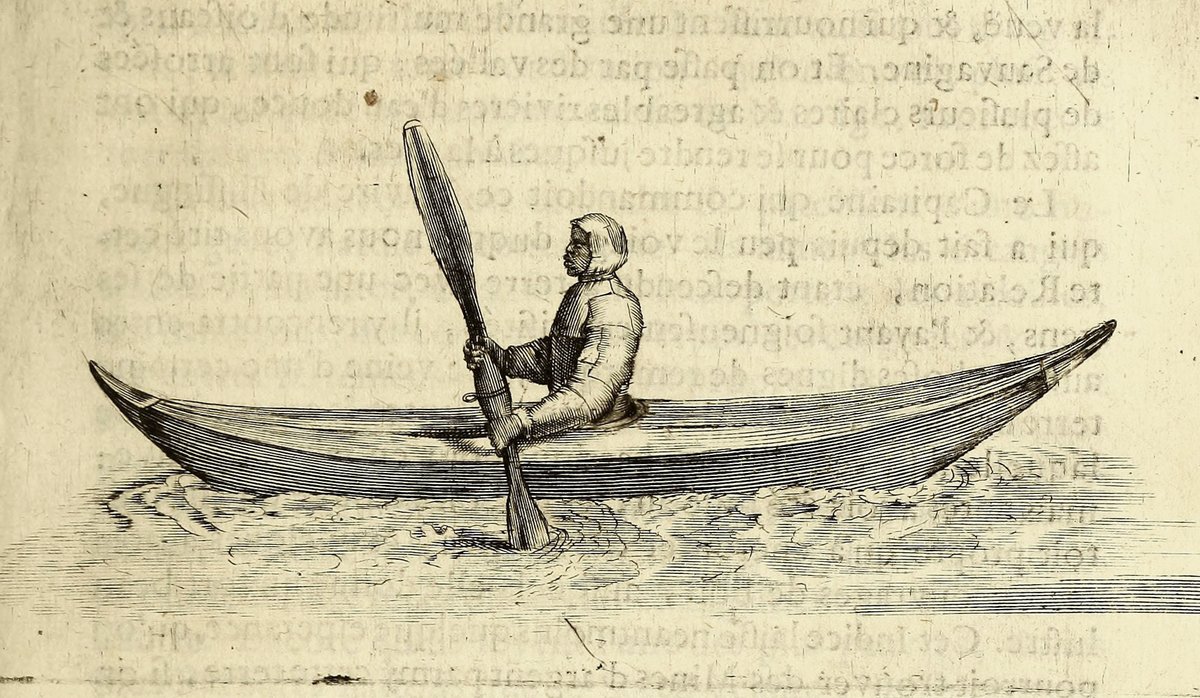
At the end of the 17th century a mysterious kayak-paddling “Finnman” was first seen in Orkney waters. @JonWestaway explores what the subsequent explanations tell us about early modern science's fascination with the "out of place": https://t.co/Cjzx1csrfv
Strange Stories from a Chinese Studio (1880) — 1st English translation of Pu Songling's collection of classical Chinese stories, including magical pear trees, thimble-sized babies, ghostly cities, and mean spirited daughters-in-law being turned into pigs: https://t.co/gb8PRTFZLC
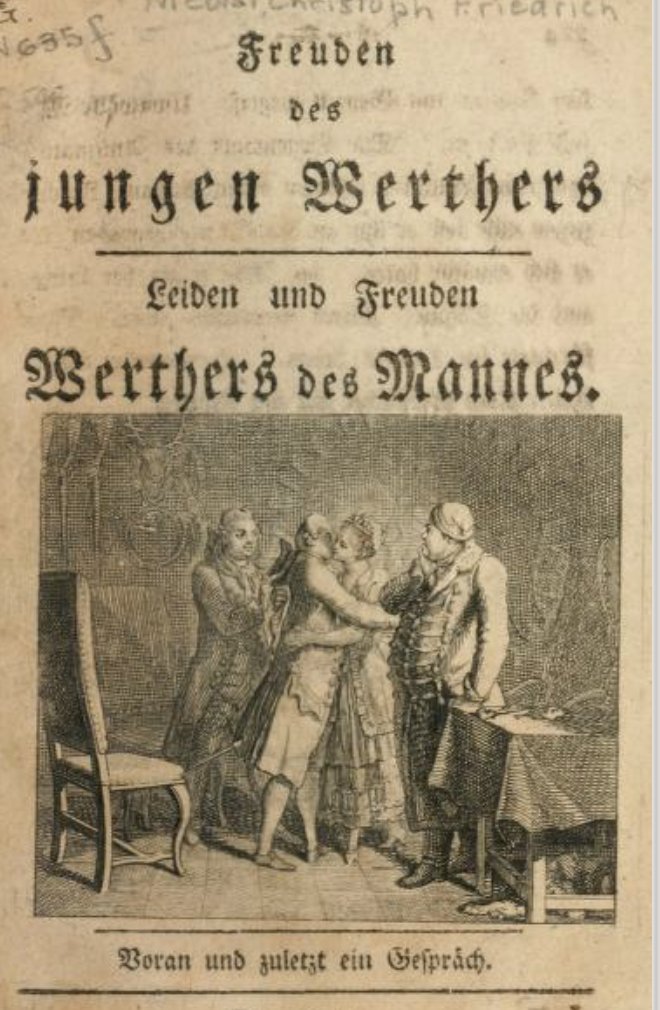
The Joys of Young Werther (1775) — a year after Goethe’s tale of teenage angst and suicide, came this satire giving it a Hollywood ending: https://t.co/Mbp2nF1Nxy
.@daisysainsbury on the extraordinary life of Eugène-François Vidocq (1775–1857), the founder of modern criminology who had a rap sheet longer than his very tall tales: https://t.co/1HLRrypjJT
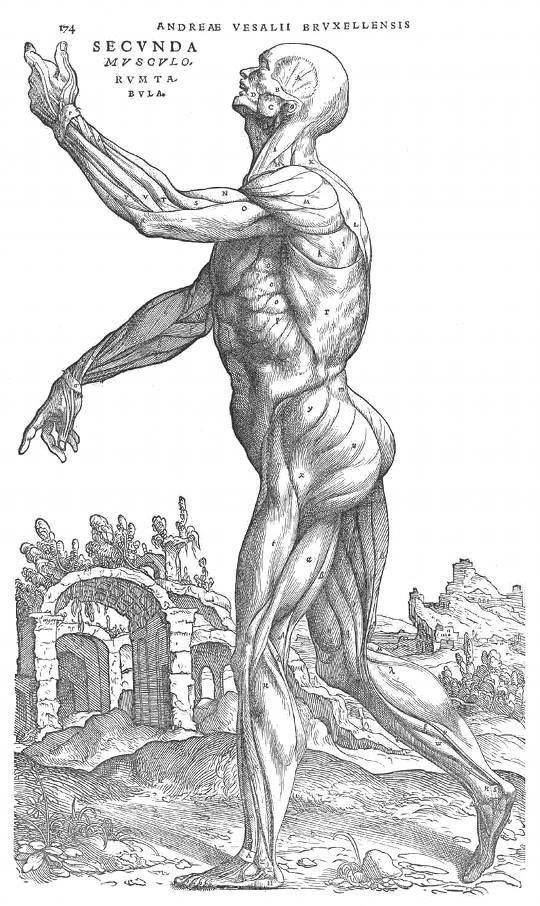
City streets, a winepress, pulleys, spinning tops, a ray fish, curdled milk: some of the images used by anatomist Andreas Vesalius (who died #onthisday in 1564) to explain the workings of the human body. Marri Lynn explores: https://t.co/1yKGCU0J6Y #OTD
In 1911, the soon-to-be poet laureate Robert Bridges published the poems of Digby Mackworth Dolben, a school friend (with whom Gerard Manley Hopkins was apparently besotted) who had drowned to death at the age of 19 almost half a century earlier: https://t.co/S0ijxyHK5P
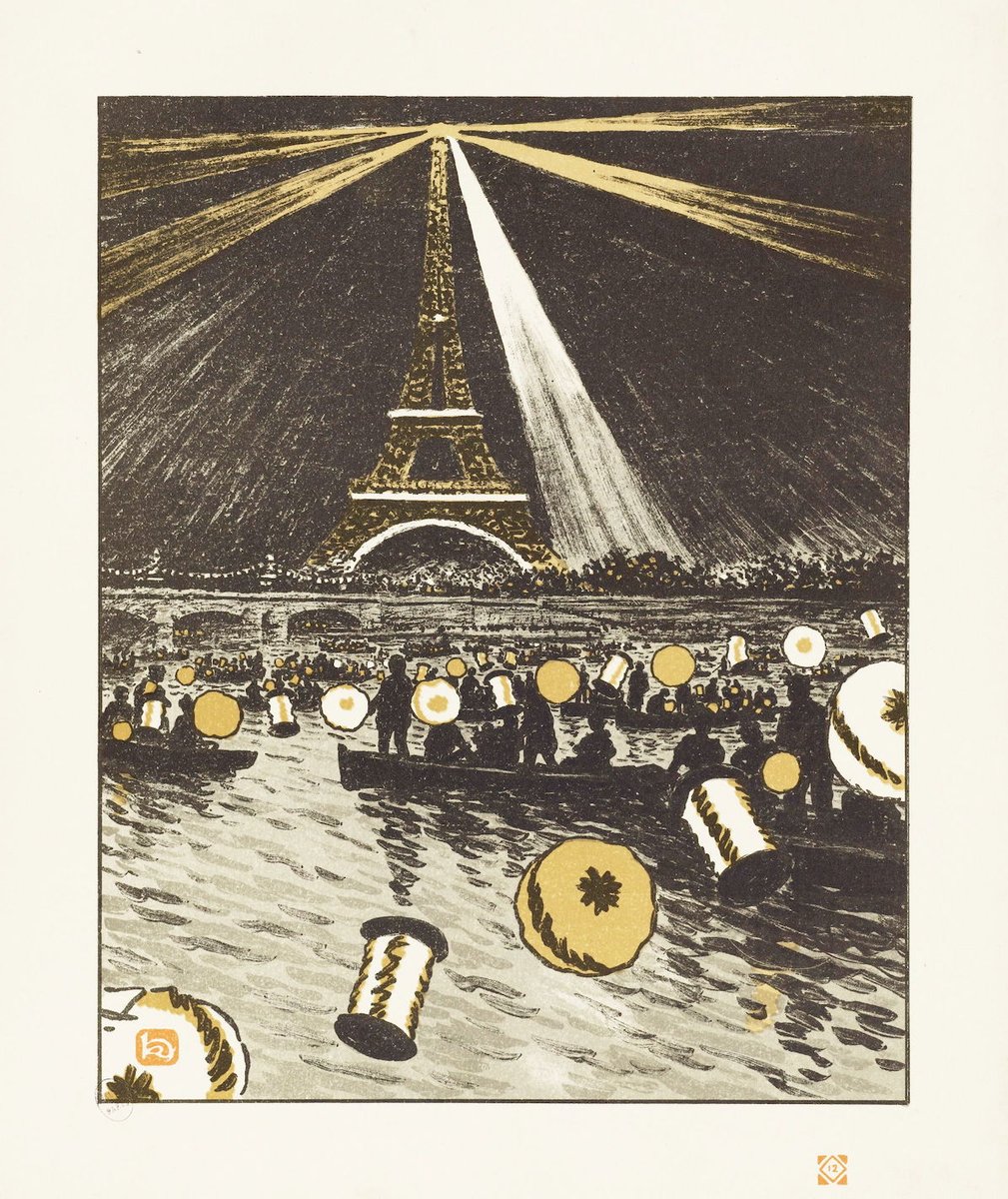
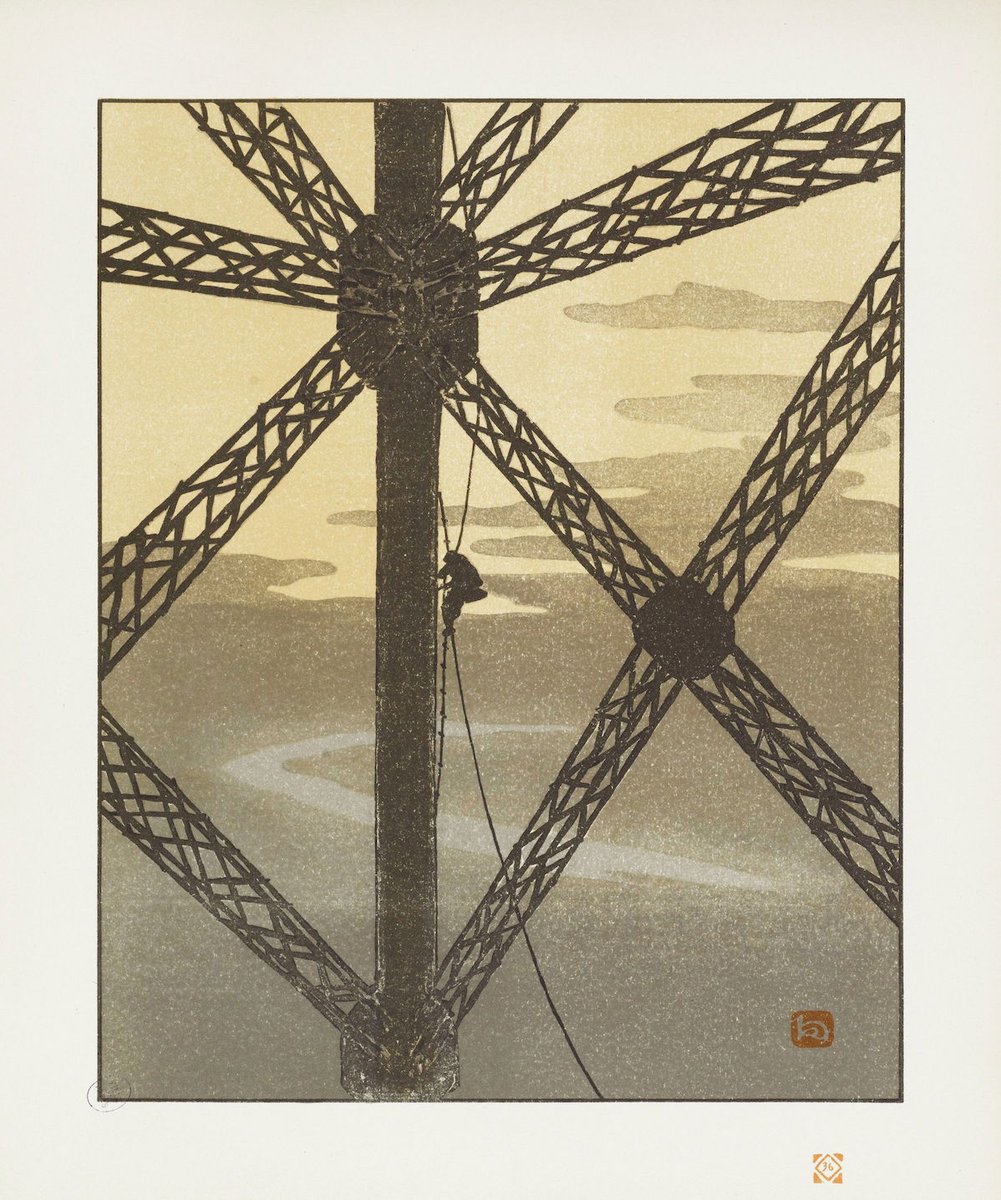
Henri Rivière’s Thirty-Six Views of the Eiffel Tower (1888–1902), French lithographs of the then brand new structure and its environs, in the style of Japanese woodblock prints: https://t.co/ExDtqPOxKZ
Radical serving of Friday fish from the 1st colour publication on fish (1754). As the top specimen (with smiling sun) indicates, some of the offerings in the book lean perhaps a little too heavily on the imagination than today's ichthyologists may allow: https://t.co/0X8ATHSBeq
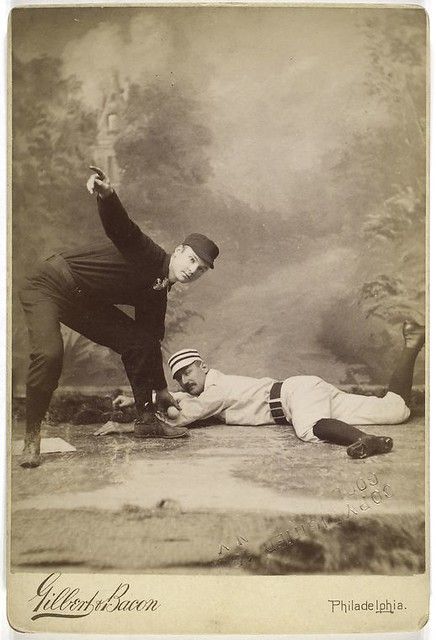
Studio photographs of #baseball players from @nypl’s @Spalding Collection. The photographs feature players of different teams from New York and Philadelphia and seem to be mostly taken in the 1870s and 1880s. Lots more here: https://t.co/OGSmTCV1qx @mlb
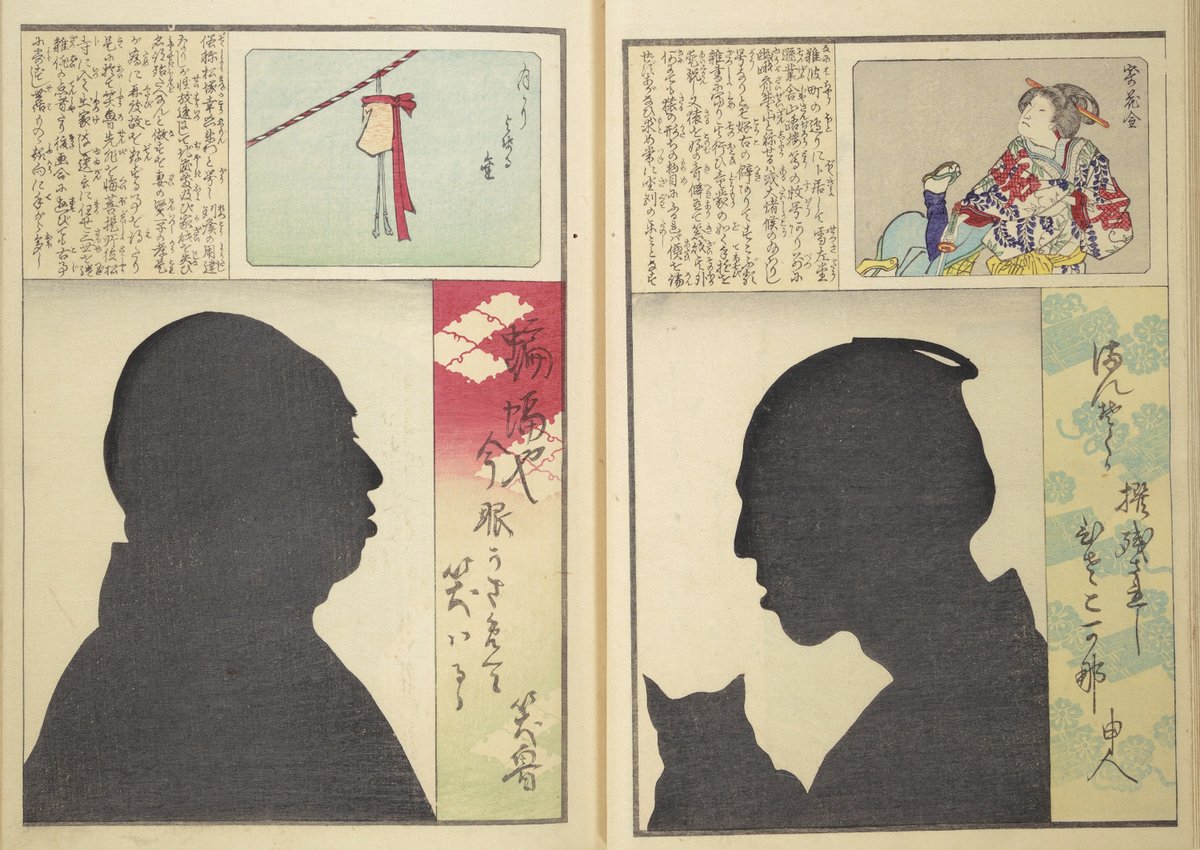
Clear Shadows (1867) is a book of silhouette portraits (and riddles) by Ochiai Yoshiiku, depicting members of Edo's “kyōga-awase” club, who played a game similar to Pictionary — illustrating a subject but without drawing the subject itself. More here: https://t.co/sv8rIxG7CK
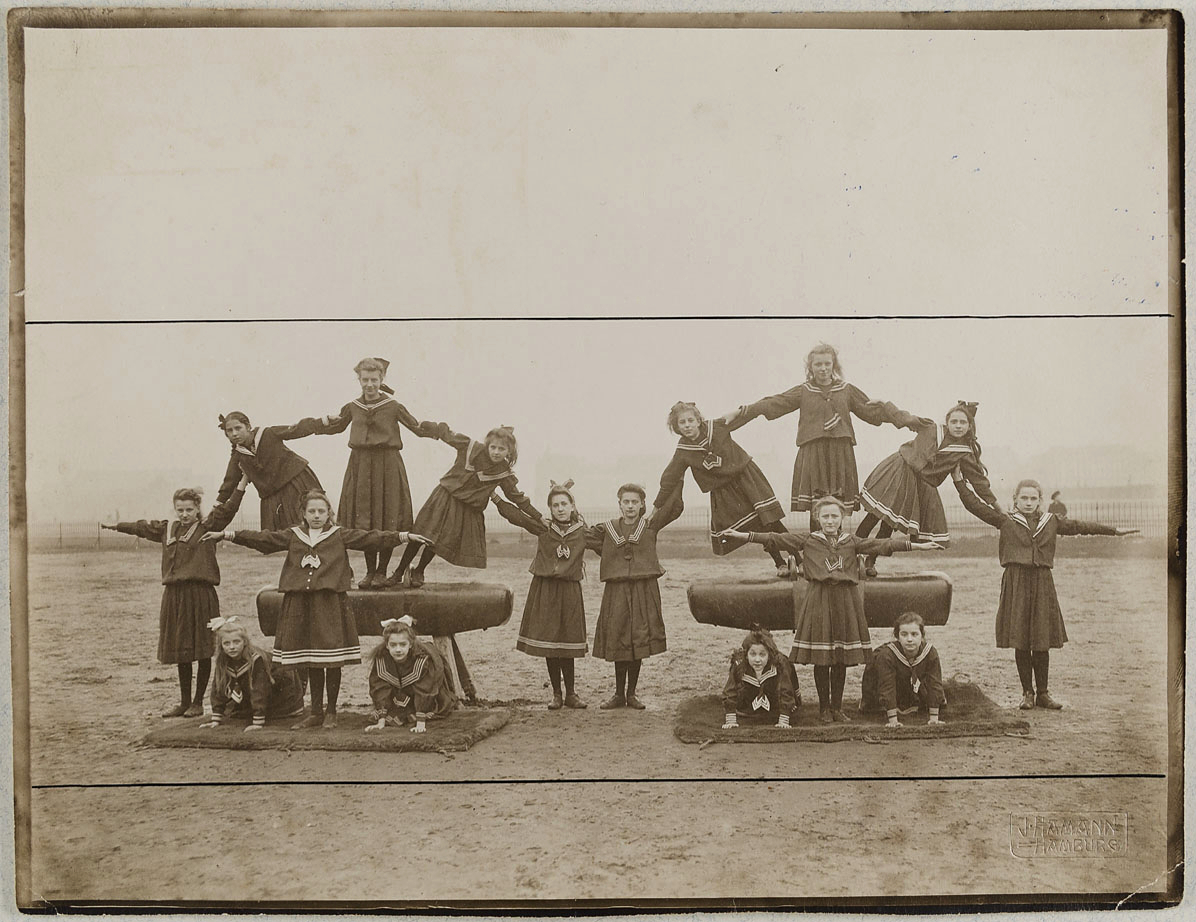
A few of the many great photos by Heinrich Hamann of Hamburg’s St. Pauli gymnastics society (Turnverein), circa 1900.
More than a set of techniques to improve individual fitness, “Turnverein” gymnastics were meant to train a new form of body politic: https://t.co/kzGWGNT1bW
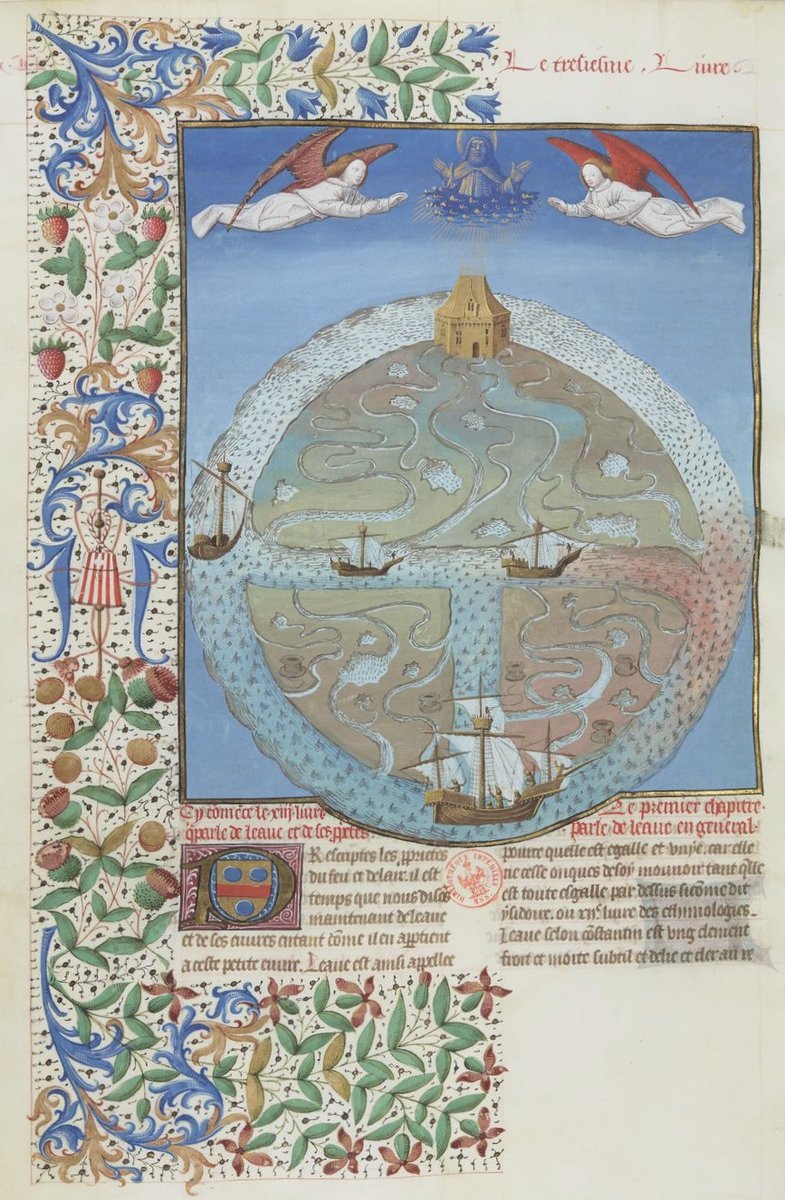
Illuminations by Evrard d'Espinque for a circa 1480 French translation of Bartholomaeus Anglicus' 13th-century De Proprietatibus Rerum. More marvellous maps from the manuscript here: https://t.co/d4hoiYJRHs
Would he make your hot celeb liszt?
Happy birthday to Hungarian composer, virtuoso pianist, and famed heartthrob Franz Liszt, born #onthisday in 1811. Leon Botstein explores what we can still learn from "possibly the greatest pianist that has ever lived” https://t.co/7XWFKeAqWA
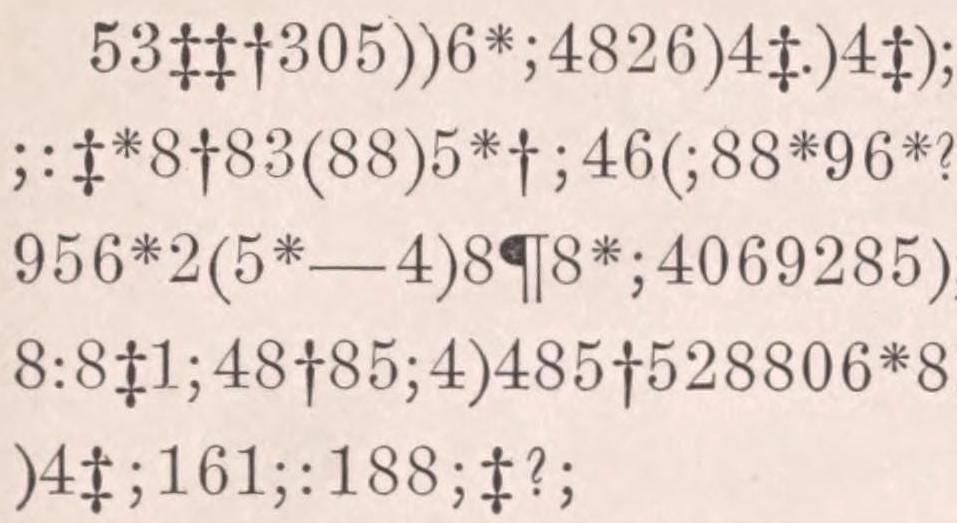
Edgar Allan Poe was big into code cracking. He once challenged readers of a Philadelphia paper to stump him with coded messages, deciphering dozens before having to “swear off” cryptograms forever. More on how code factors into his stories here: https://t.co/e89WJ8eEW8
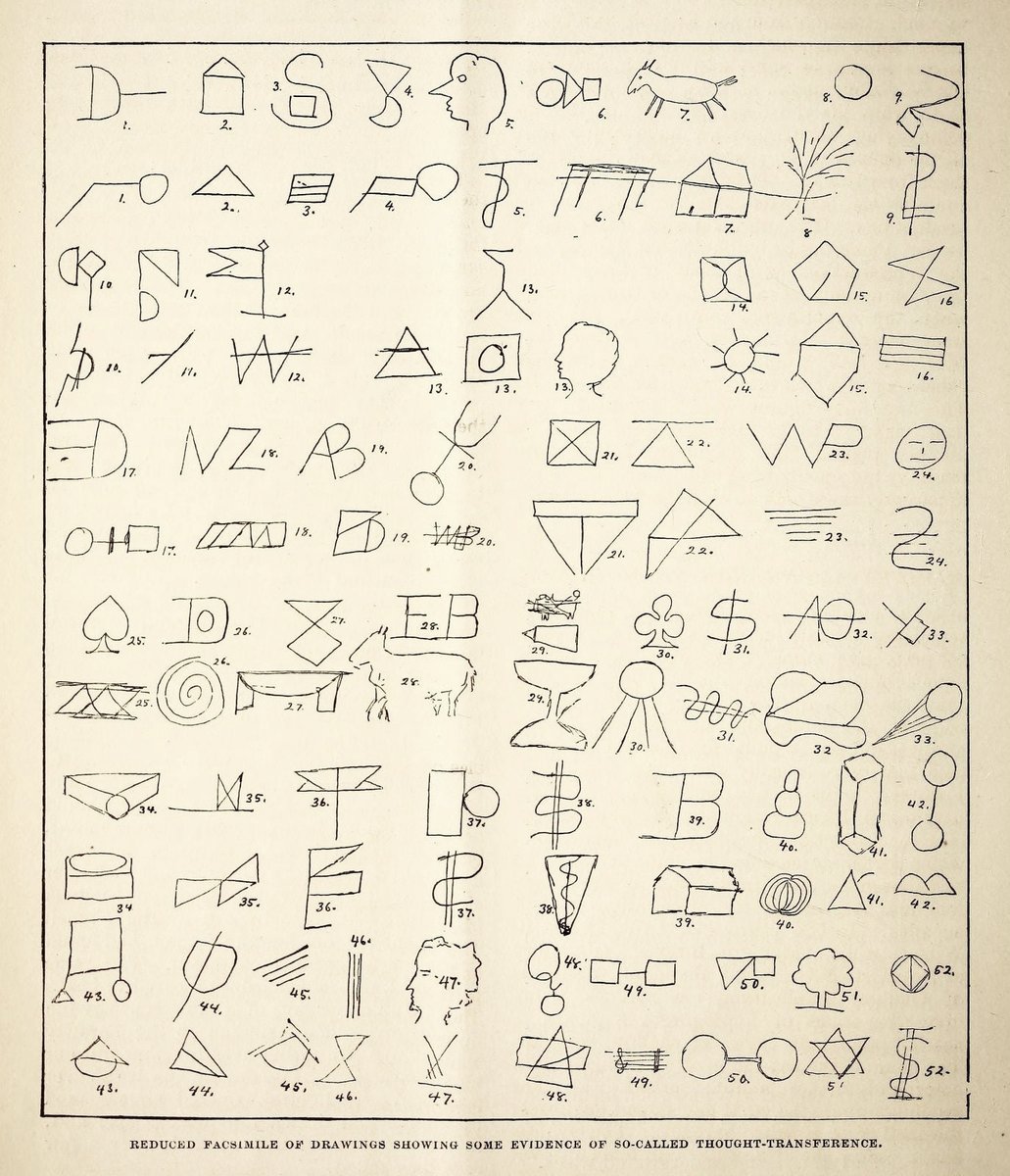
Experiment carried out according to the ideas of the French physiologist Charles Richet (1850–1935) who believed in thought transmission. One person makes a drawing, after which another person tries to copy it without seeing the originally drawn picture: https://t.co/oS66e6Vvwz
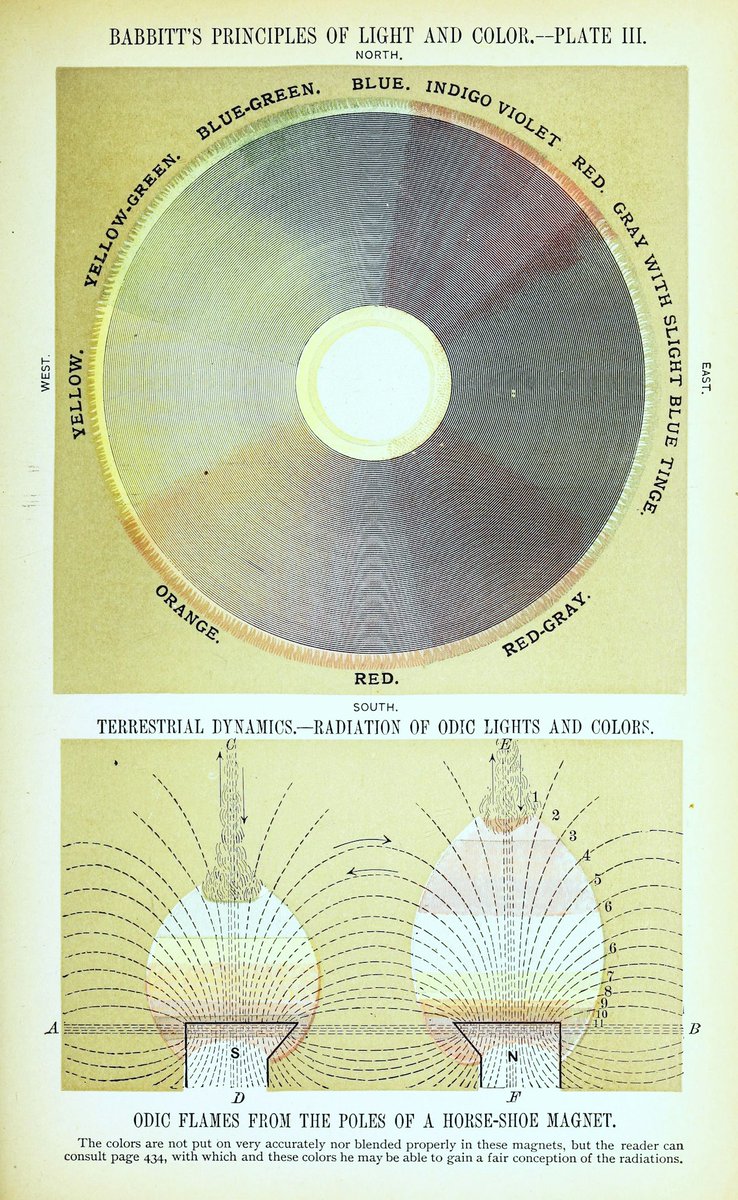
Colour plates from Edwin D. Babbitt’s Principles of Light and Color (1878).
Babbit’s 600-page tome begins as a somewhat sober primer on color theory but goes on to explore the idea that our physical and psychic ills can be cured via “chromotherapy”: https://t.co/sKr8kAtY1V
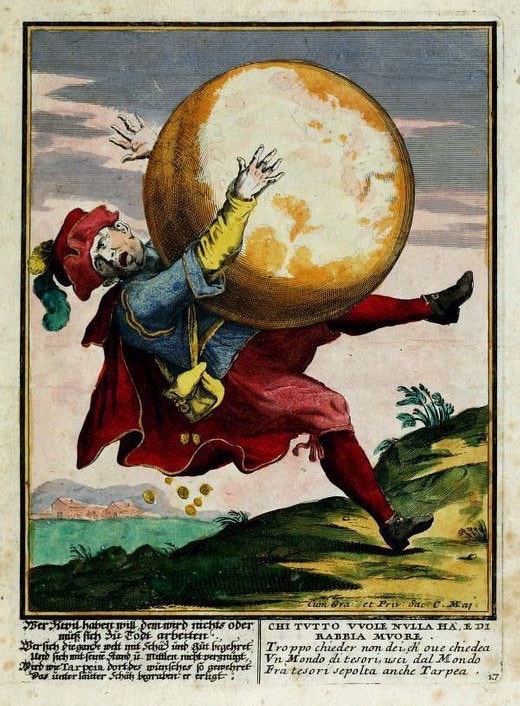
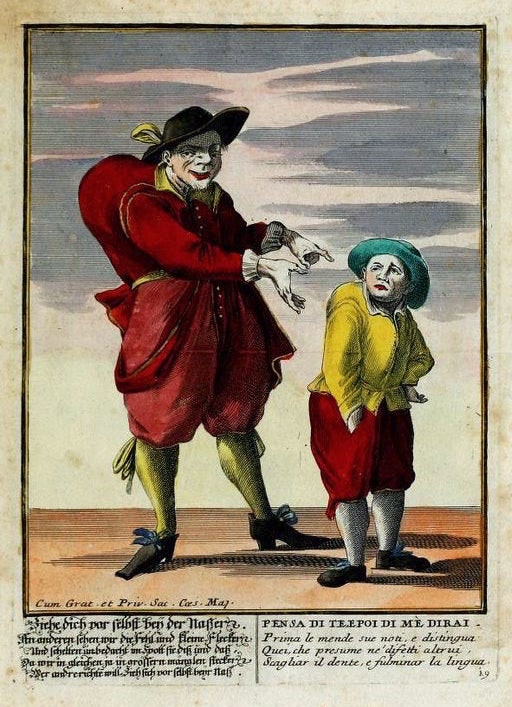
Pages from a wonderful Italian book of proverbs made by the engraver and painter Giuseppe Maria Mitelli (1634–1718). More here: https://t.co/UpXuJ1DuqY
Diagram from Edward Livingston Youmans' Chemical Atlas; or, The Chemistry of Familiar Objects (1856).
Buy as a print from our online shop here: https://t.co/9j7cKGj8vi