Gratitude becomes more meaningful when we take the time to express it.
A letter, a conversation, or simply telling someone why we're grateful for them can make a difference.
Read Esther Eberting's full article: https://t.co/nkkabWprbM
If today were your last day with someone you love, would they know how much they mean to you?
Gratitude is often a private practice, but research suggests that expressing it to others may have benefits beyond our own well-being.
A BYU study found that reflecting on someone who has helped us, including God, can foster greater empathy and a desire to return kindness.
Other research has linked shared gratitude to stronger relationships, greater happiness, and less loneliness.
We believe Jesus Christ when He taught, “Except a man be born of water and of the Spirit, he cannot enter into the kingdom of God” (John 3:5).
Many have come before us and have not had the opportunity to be baptized by proper priesthood authority.
For this reason, our loving Heavenly Father has provided a way for you and me to offer this special gift to our ancestors through proxy baptism—also referred to as baptism for the dead—in holy temples throughout the world.
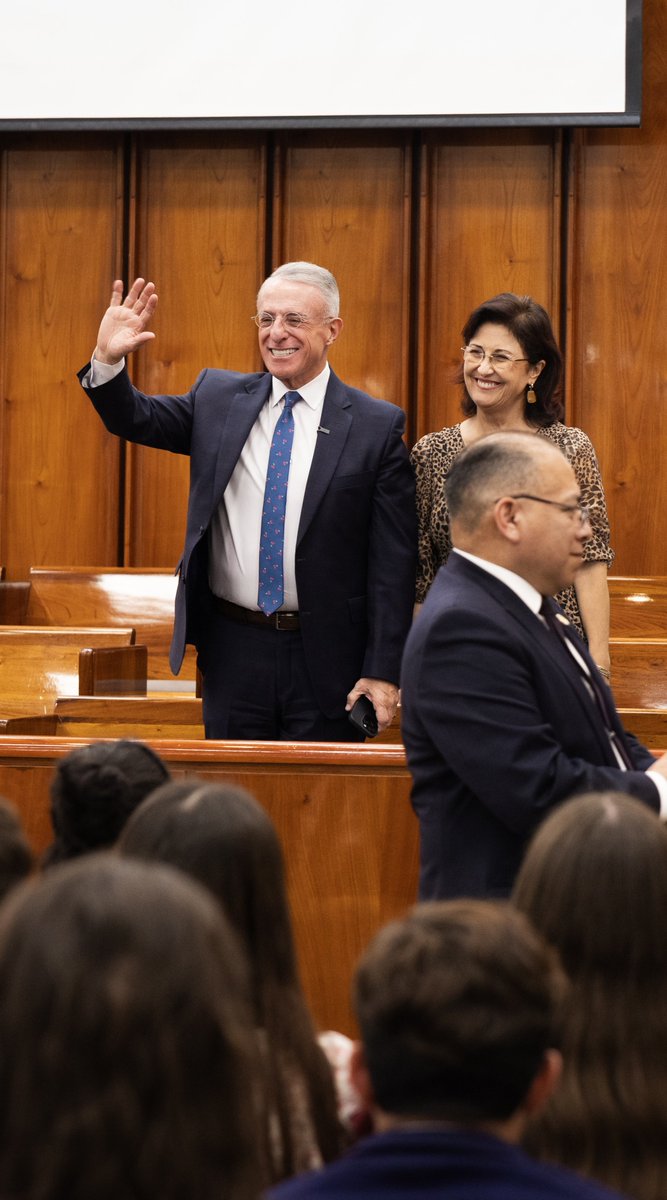
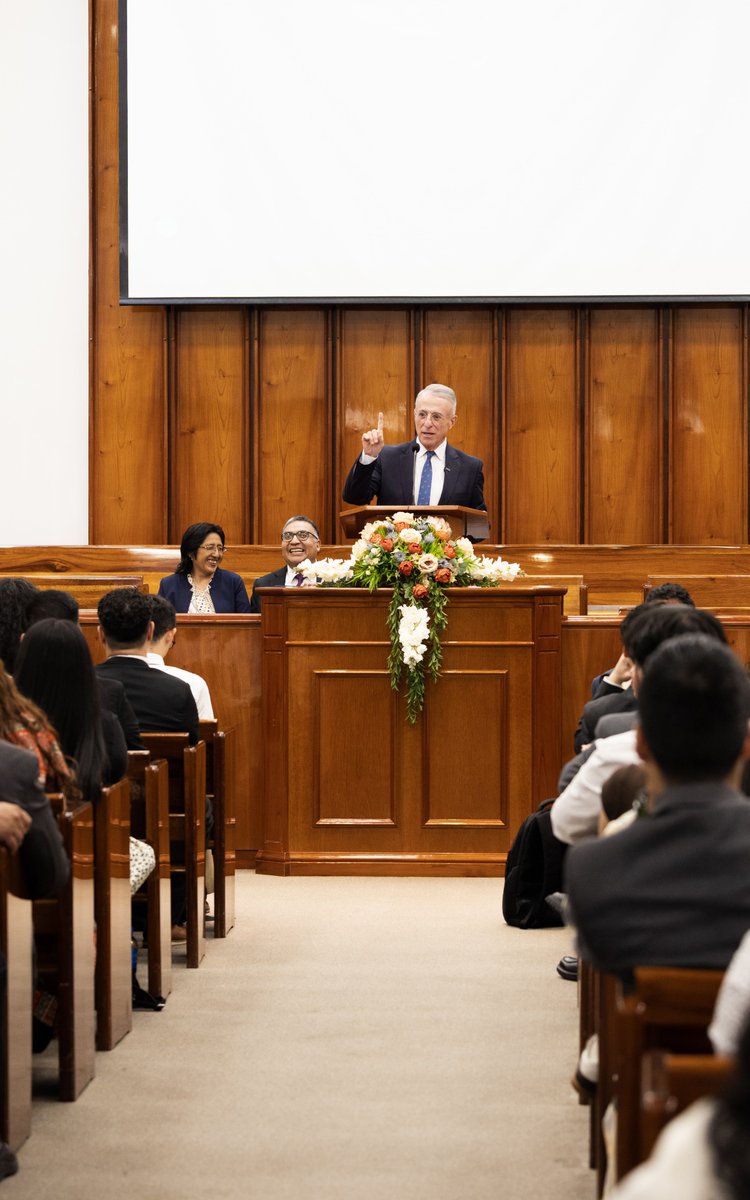
My dear young adults, the Lord has great confidence in you and in your generation. I was again reminded of this as I spent time with many of you at a devotional for young adults in Buenos Aires, Argentina, this week.
You may not be able to control every circumstance that comes into your life, but you can choose to trust the Savior and move forward with faith. I urge you to Invite Jesus Christ to be part of your life plan. Let Him be at the center.
When you stumble or falter, remember that the Savior is always ready, with open warm arms, to receive you, love you, and help you. I testify that as you center your life on Jesus Christ, you will find peace, true joy, and strength for the journey ahead.
Making money doesn't automatically mean critics are lying.
But financial incentives, organizational practices, and the sources we turn to for answers deserve scrutiny.
Read the full article: https://t.co/M56DVBwoBZ
What happens when organizations offering support during a faith crisis also have financial interests tied to it?
In his article, Ron C. Rhodes examines the business models behind online criticism of the Church.
Donations accounted for 74% of revenue for one major critical organization and 87% for another.
Rhodes argues that this creates financial incentives worth considering when evaluating online claims about the Church.
Missionary work changes lives across generations.
I was grateful to sit down with Elder Peyton Love as we discussed his missionary service, my cherished memories with his family, and the lasting influence of his late mother, Mia Love.
As we celebrate the birth of Jesus Christ this Christmas season, we joyfully declare with the heavenly hosts of old, “Glory to God in the highest, and on earth peace, good will toward men” (Luke 2:14).
We rejoice that Jehovah, the Firstborn Son of Heavenly Father in the spirit, was willing to become the Father’s Only Begotten Son in the flesh. The joy and peace associated with His birth reflect the ultimate joy and peace He offers us through His infinite Atonement.
As we give thanks for Him, let this be a season of kindness and goodwill. May we follow the example of Jesus Christ, the “Prince of Peace” (Isaiah 9:6), becoming peacemakers in our hearts, homes, and communities.
When a newspaper covers a religious institution, should the same standards of journalism apply?
CD Cunningham examines The Salt Lake Tribune’s coverage of The Church of Jesus Christ of Latter-day Saints and raises important questions about fairness and accountability.
Cunningham argues that skepticism can become selective, affecting how stories are verified, corrections are handled, and privacy is respected.
Journalistic standards should not depend on which institution is being covered.
For Christians, this conversation also raises a question of responsibility: how do we recognize and care for those who might otherwise go unnoticed?
Ella Dawson offers a perspective worth considering.
https://t.co/5y9hKQtyom
Can a policy designed to make everyone feel included end up leaving some people out?
In an article for Public Square, Ella Dawson examines the limits of DEI initiatives and the difficult questions surrounding fairness and belonging.
There is a difference between creating rules for fairness and recognizing the needs of the people around us.
Dawson explores why institutions may struggle to account for individual circumstances, and why strong communities require more than well-intentioned policies.
What can this exchange teach us about handling disagreement?
In her latest article, Kristy Wheelwright Taylor explores Wilford Woodruff’s response alongside Pahoran’s reply to Captain Moroni in the Book of Mormon.
Read the full article: https://t.co/HqM9nUDfw1
In 1887, Apostle Heber J. Grant questioned whether Wilford Woodruff should become the next President of the Church. He believed the Church could move directly to a younger Apostle.
Woodruff’s response? He took a week to consider the question before writing a ten-page letter.
Rather than responding with indignation, Woodruff carefully explained the principles behind Church leadership succession. He also invited Grant to share any further arguments or insights.
His letter ended with a simple expression: “Your brother in the Gospel.”