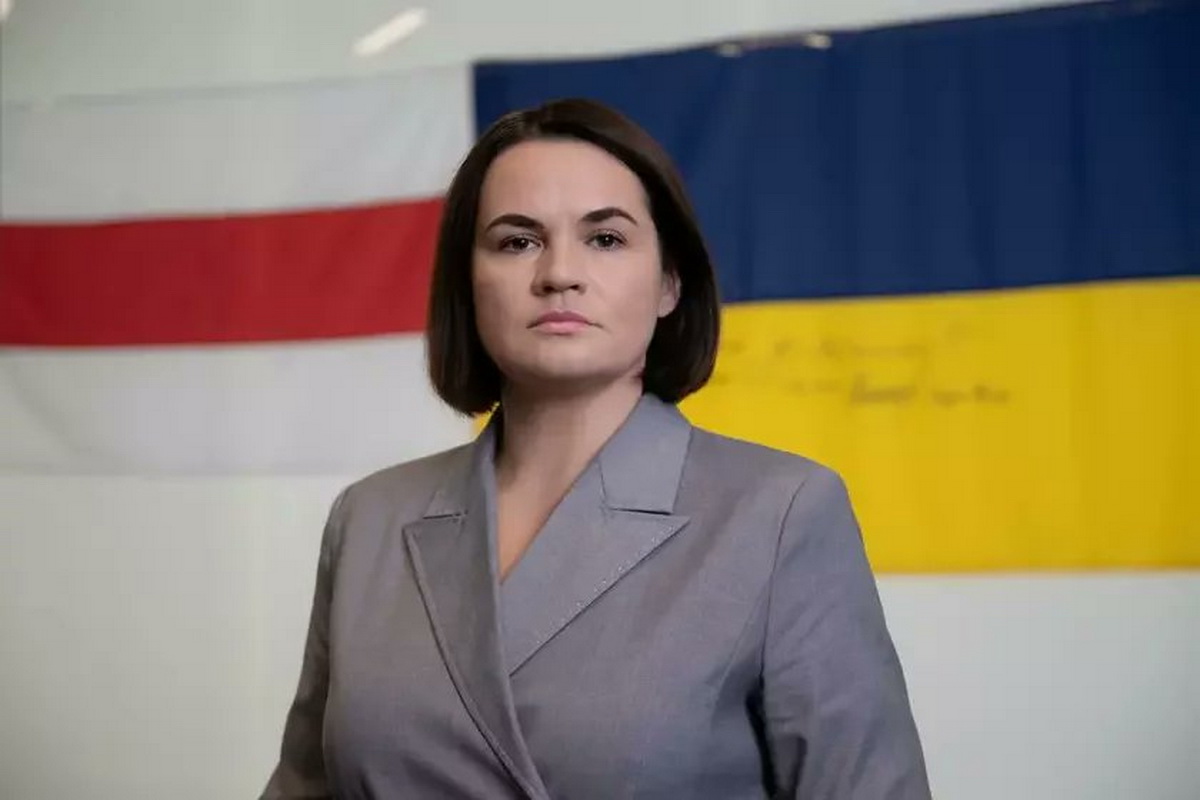
Russia does not always need to invade a country to take control of it. In Belarus, it found a dictator willing to trade our sovereignty for his own survival.
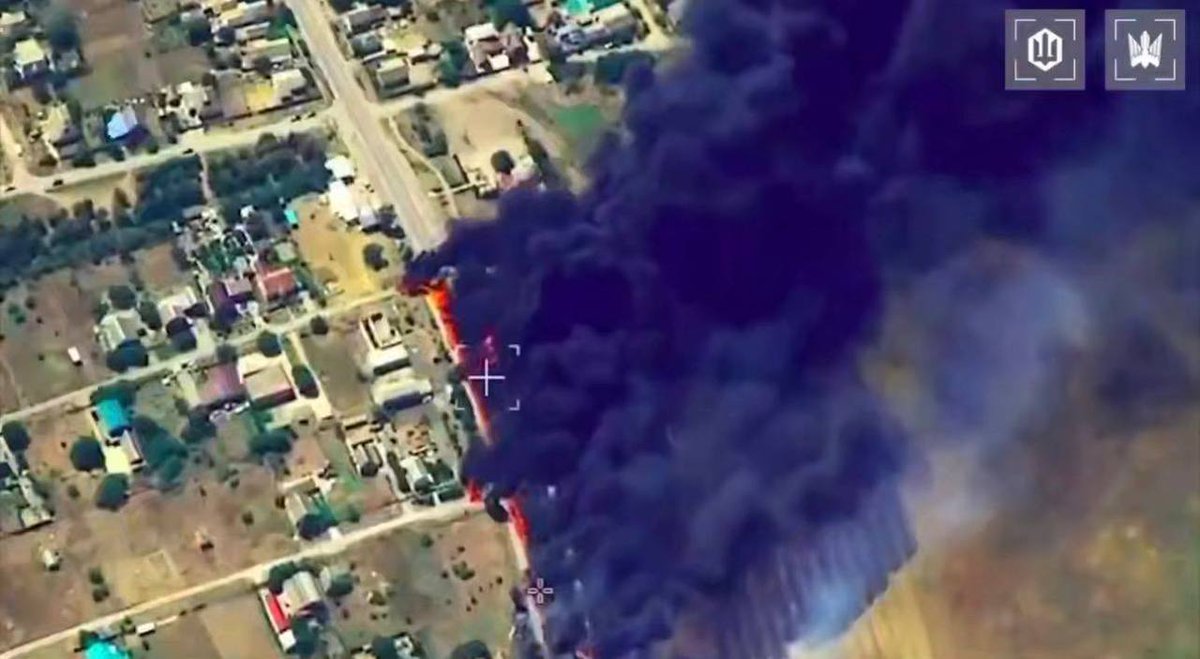
Russian troops are stationed on our soil. Our territory has been used to attack Ukraine. Belarusians who stand up to the dictatorship are locked in prisons and penal colonies.
Ukraine has a democratically elected government defending its independence alongside its people. In Belarus, the man controlling the state opened the door to Moscow and imprisoned those who challenged him.
A European country’s sovereignty was traded for one man’s grip on power. Belarusians never agreed to that bargain.
Our struggle for democracy is also a struggle for independence. Europe must support those fighting for a free Belarus and refuse to accept Russian control over our country as permanent.
Belarus was never Lukashenka’s to sell.
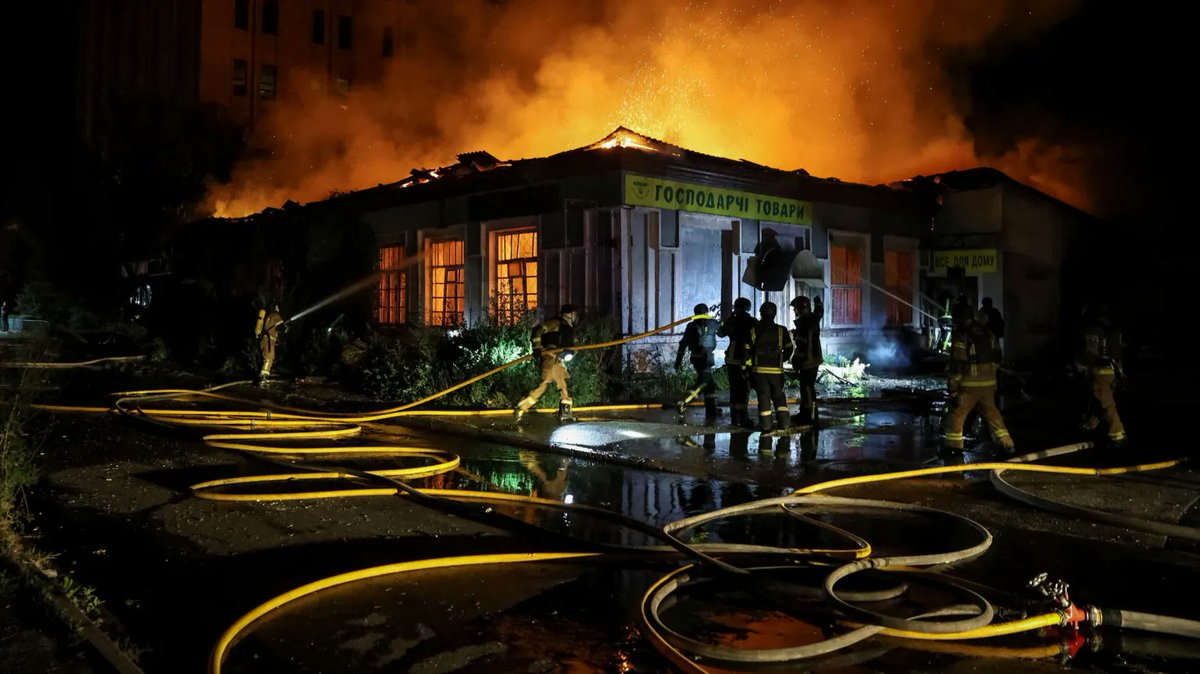
At least 12 people killed in Kyiv, 34 injured, after another massive Russian missile strike. Apartment blocks, a children's hospital and a school were damaged.
And #Ukraine is running short of air defence missiles. It must receive all support needed.
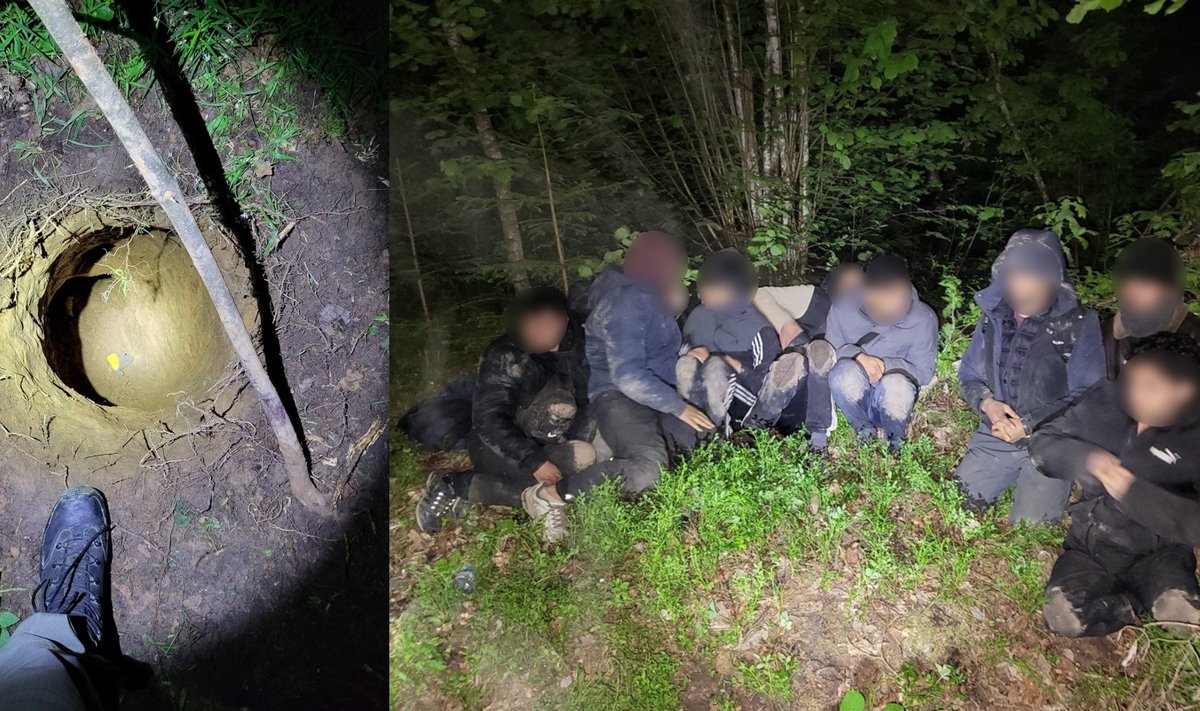
26 июля мигранты прорвались из Беларуси на территорию Литвы через прорытый туннель и напали на литовских пограничников
Пограничники обнаружили очередной вырытый туннель и начали заде��живать нескольких человек, пытавшихся проникнуть в Литву. В этот момент из туннеля вышло еще около 20 человек, которые, напали на четырех пограничников, используя палки и камни.
Напомню, что в этом году литовцы обнаружили уже 10 туннелей, которые роются даже на глубину до 8-ми метров. Мигрантам оказывают содействие белорусские службы, как минимум не препятствуя им, а, возможно, и прямо помогая.
Last week, 21 more people in Belarus were recognized as political prisoners @viasna96
In total, @viasna96 counts 880 political prisoners, while @dissident_tweet reports 941.
An unprecedented level of repression in Belarus has lasted 6 years, showing no sign of abating.
Belarus is not Russia.
We are a European nation with our own language, culture, history and identity.
In 2020, Belarusians rose for freedom, and that spirit has not disappeared.
The dictator serves Moscow. Belarus belongs to its people, and our future will be free.
Литовские пограничники в этом году обнаружили 10 тоннелей на границе с Беларусью
Мигранты для проникновения из Беларуси на территорию Литвы в этом году активно используют тоннели.
Самый длинный из обнаруженных тоннелей имел длину около 25 метров на территории Литвы. Часть его находилась на белорусской стороне, и общая длина такого тоннеля может составлять около 30-40 метров.
Тоннели часто роют на глубину 8 метров. Мигрантам оказывают содействие белорусские службы, как минимум не препятствуя им, а, возможно, и прямо помогая.
Вы можете подумать, что это анекдот, но это не анекдот.
Позавчера в Витебск чартером прилетела первая партия трудовых мигрантов из Узбекистана. А уже сегодня они записали обращение к властям Андижанской области с просьбой забрать их назад — потому что условия и зарплаты в Беларуси такие низкие, что выгоднее просто работать дома
Вы думаете это просто ведро? Как бы не так!
Это туалет в 12 из 18 камер «СИЗО КГБ» в Минске. Его дают выносить два раза в день. Утром и около 16:00. В туалете две дырки, на все про все дается 2-3 минуты. То есть если в четырехместной камере как обычно 7 человек, то за 2 минуты один человек должен слить это ведро, залить хлорки, промыть, еще раз слить и набрать туда немного воды. Остальные 6 человек должны в 20 см от этой операции успеть сходить в туалет. Все это под постоянные стуки и крики «быстрей, быстрей!».
Ведро стоит обычно возле «тормозов» на входе прямо возле кормушки для приёма пищи. Непередаваемые ощущения, когда садишься на ведро, а перед твоим лицом открывается кормушка. Естественно, никаких шторок или стен нет, всё на виду.
В теперь представьте, лето, в камере 40 градусов, стены текут, пол в лужах от конденсата, вентиляции нет, 7 потных мужиков на несколько квадратных метров (душ раз в неделю, а помыться негде — слить воду некуда, а из крана если это первые камеры по счету вода почти и не течет), бонусом - если не хватило нары, то ты сп��шь на досках на полу возле ведра, потому что больше негде. Ароматы не передать. А если ещё у кого живот прихватит…
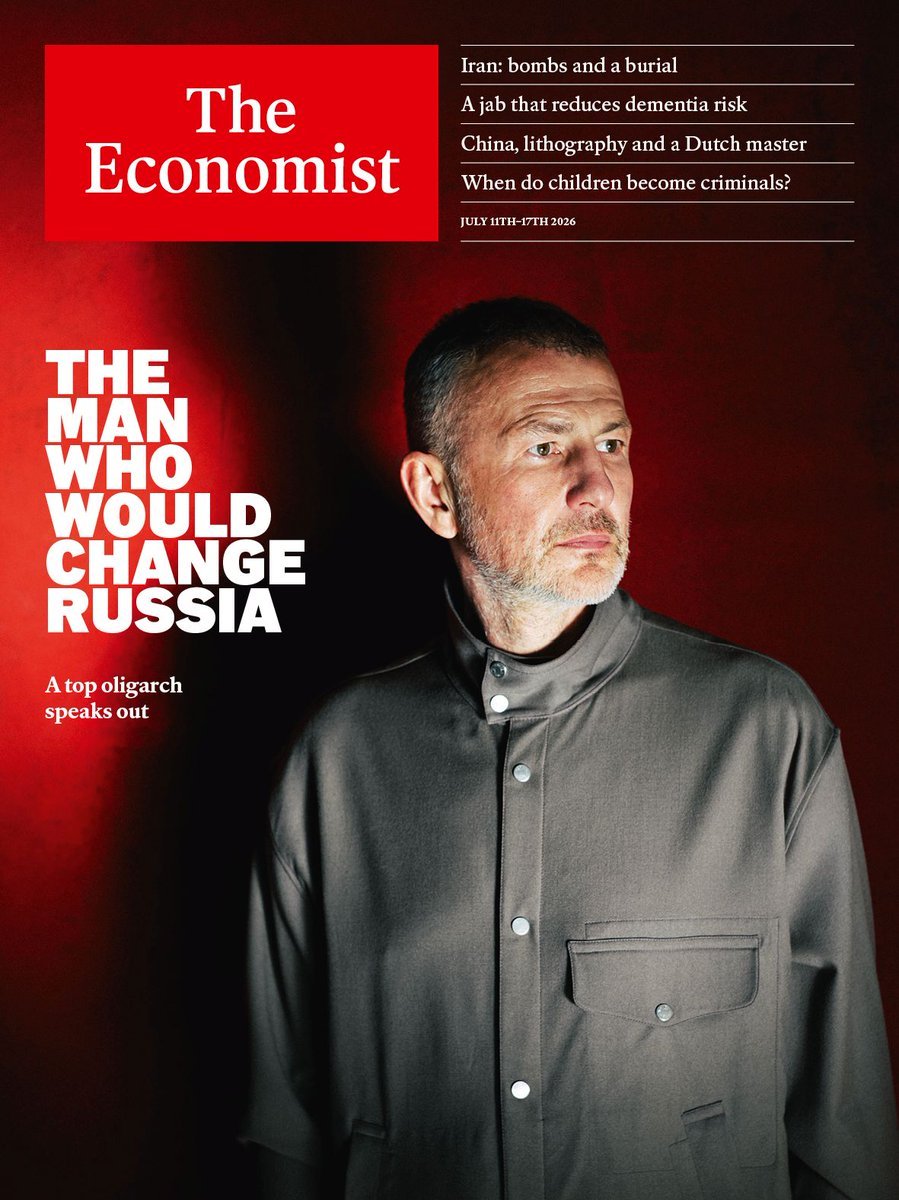
I finally collected my thoughts on Melnichenko's essay in last week's issue of @TheEconomist .
Melnichenko claims to offer a pragmatic warning about the dangers of a weakened Russia, but his core argument rests on a massive logical fallacy: it completely divorces Russia’s current instability from the exact Kremlin policies that created it. It treats Russia's predicament as if it were the weather or some other natural phenomenon, rather than the direct result of Putin's actions over the 26 years of his rule.
By framing Russia's internal and economic fragility as abstract geopolitical risks, the essay conveniently omits the principal drivers of its isolation: the full-scale invasion of Ukraine, the ongoing occupations in Georgia and Moldova, and the systematic dismantling of domestic freedoms and rights.
Here are the three major flaws in this "geopolitical realism" approach:
- The essay ignores Ukrainian agency: It treats Ukraine as a passive chessboard for a superpower showdown, entirely ignoring that Ukrainians are sovereign actors who have repeatedly chosen their own political future through elections, mobilisation, and fierce resistance.
- The essay recycles Kremlin narratives: It subtly shifts the blame away from Kremlin's ongoing aggression abroad and repression at home and onto Western policies, implicitly arguing that European security depends on accommodating Russia's revisionist demands.
- The essay is based on analytical asymmetry: It treats Russia’s violent behaviour as an unchangeable, fixed constraint while demanding that the choices of Ukraine and the West be the variables that must bend.
Ultimately, this perspective doesn't analyse the crisis - it normalises it by ignoring the root causes. I honestly have no idea why The Economist chose to provide a platform for Melnichenko’s - or the Kremlin’s - voice.