Conviction, skepticism: how do Hester Pulter’s poems believe? Ken Graham addresses this key question as intricately and insightfully as the poet whose work he illuminates: https://t.co/4OFurk58Sw
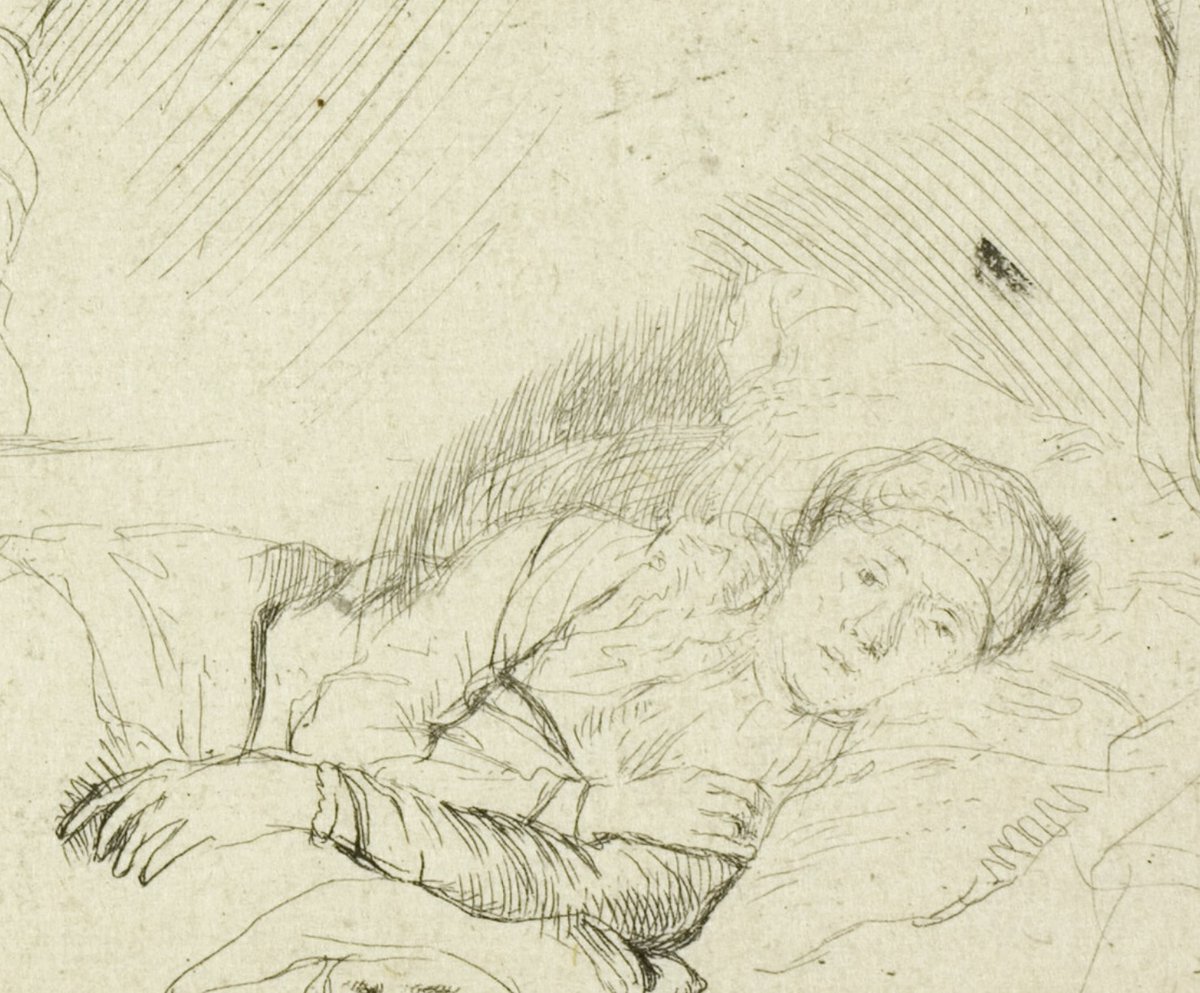
Ever tried writing from the sickbed? Hester Pulter did, and Emma Cohen’s new Curation sets Pulter’s verse in conversation with other art that transforms illness into a catalyst for creative exploration: https://t.co/cQLFHhFd6h
“Rest in hope, for though no help be found / Above, yet it may come from underground”: Hester Pulter’s centuries-old pep-talk still resonates for the unjustly imprisoned. Dig into some escapist literature in Tara Lyons’s new edition of her emblem poem: https://t.co/dNp6DuzIQZ
Complex, convoluted, startling: Felicity Sheehy’s new edition of Hester Pulter’s emblem on jealousy shows it—both the poem and jealousy itself—to be all these things:
https://t.co/Or61QFHegi
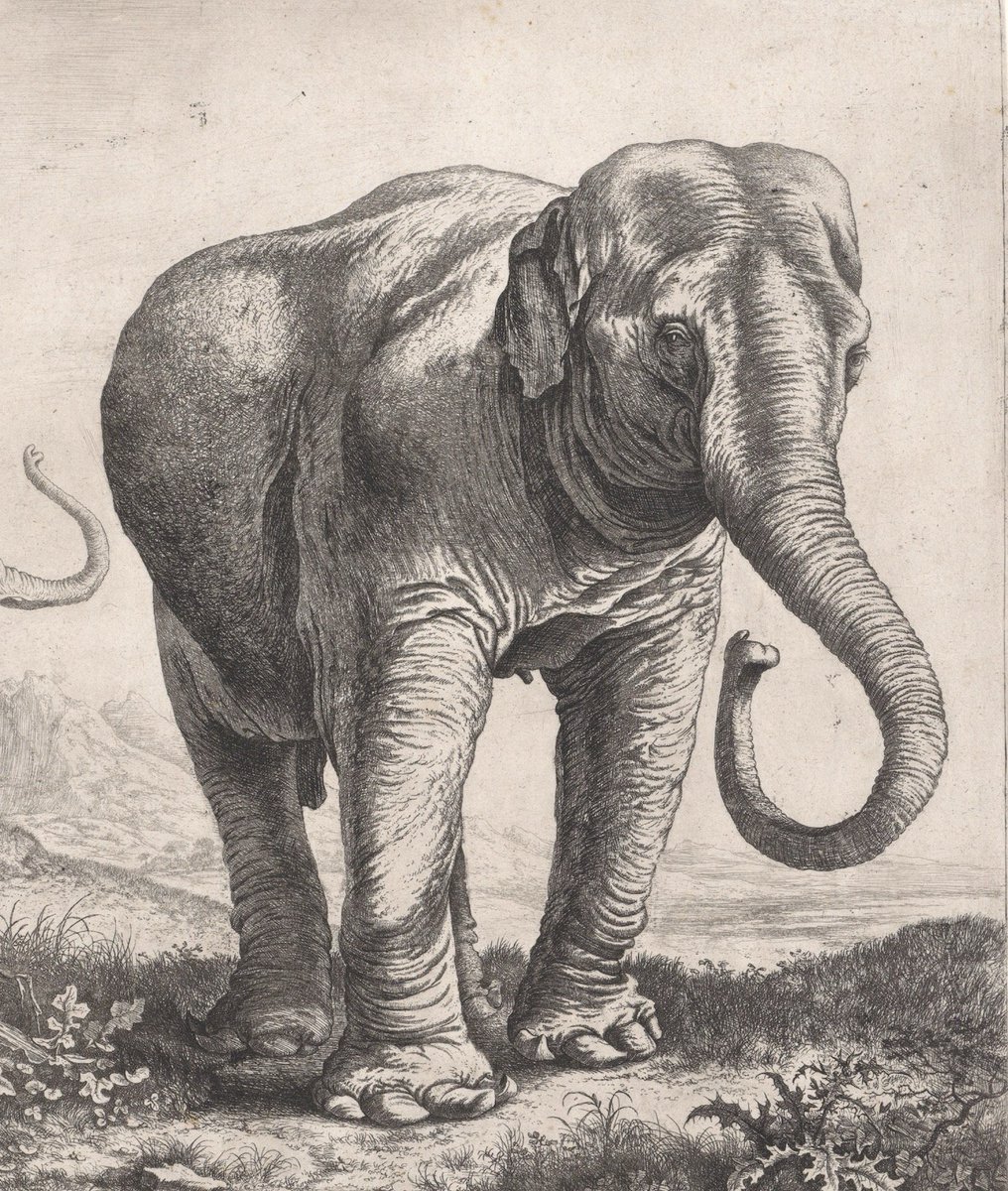
Elephant virtue, human vice: Karen Raber examines Hester Pulter’s emblematic juxtaposition in a new Amplified Edition and three new Curations for The Pulter Project: https://t.co/N69oSLzc48
Ready for an ambitious Amplified Edition of Hester Pulter’s verse? Scott Maisano reads her emblem, “Ambitious Apes,” as “an imitation of an imitation, in which the poet pretends to be a monkey pretending to be the poet.” Intrigued? Read on: https://t.co/trOFVAcXA9
New on the site: Vin Nardizzi’s visual essay on early modern emblem poems that (like one of Pulter’s) focus on flowers turning toward the sun:
https://t.co/Oz2MuVIYMT
Quickly: name a blue flower that follows the sun. Stumped? Pulter had one in mind for her 3rd emblem, and Vin Nardizzi tackles the job of “Identifying Pulter’s Fabulous Flower” in a new Curation for that poem: https://t.co/cXHMDZDbGi
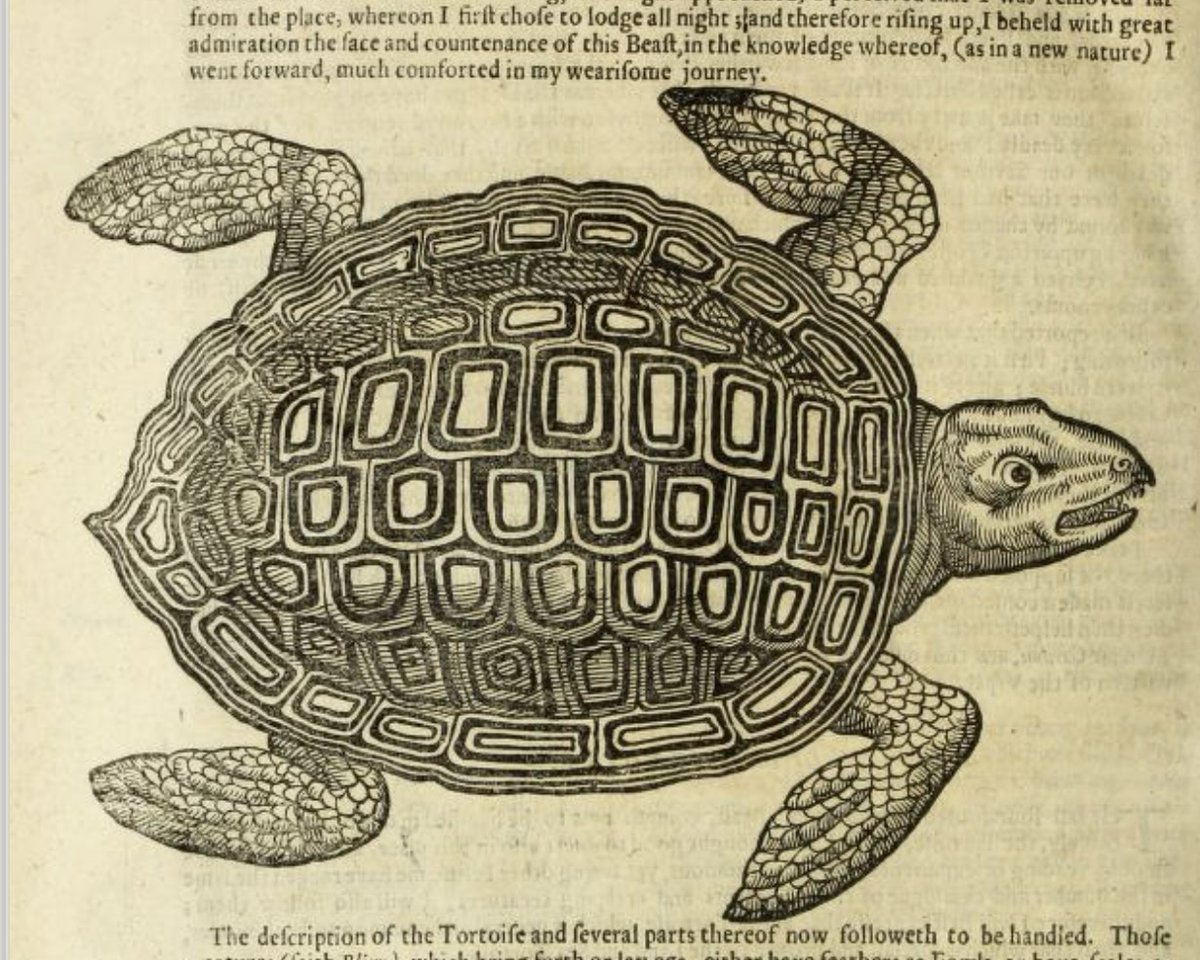
Chastity, consent, desire: see what new Pulter Project contributor @EmmaKatwood makes of an emblem on these hot topics—plus, turtles: https://t.co/Yszr8a0QpA
What did seventeenth-century English poet Hester Pulter know about Brahmans—and how’d she know it? Learn about some sources for her emblem “The Brahman” in an essay by Daniel Juan Gil:
https://t.co/xIoQGnrAqI
What came after life for Hester Pulter? She imagines many options in her poem “The Brahman”; Daniel Juan Gil explores them in a new Curation on dualism and materialism: https://t.co/yPUaHtWJ9I
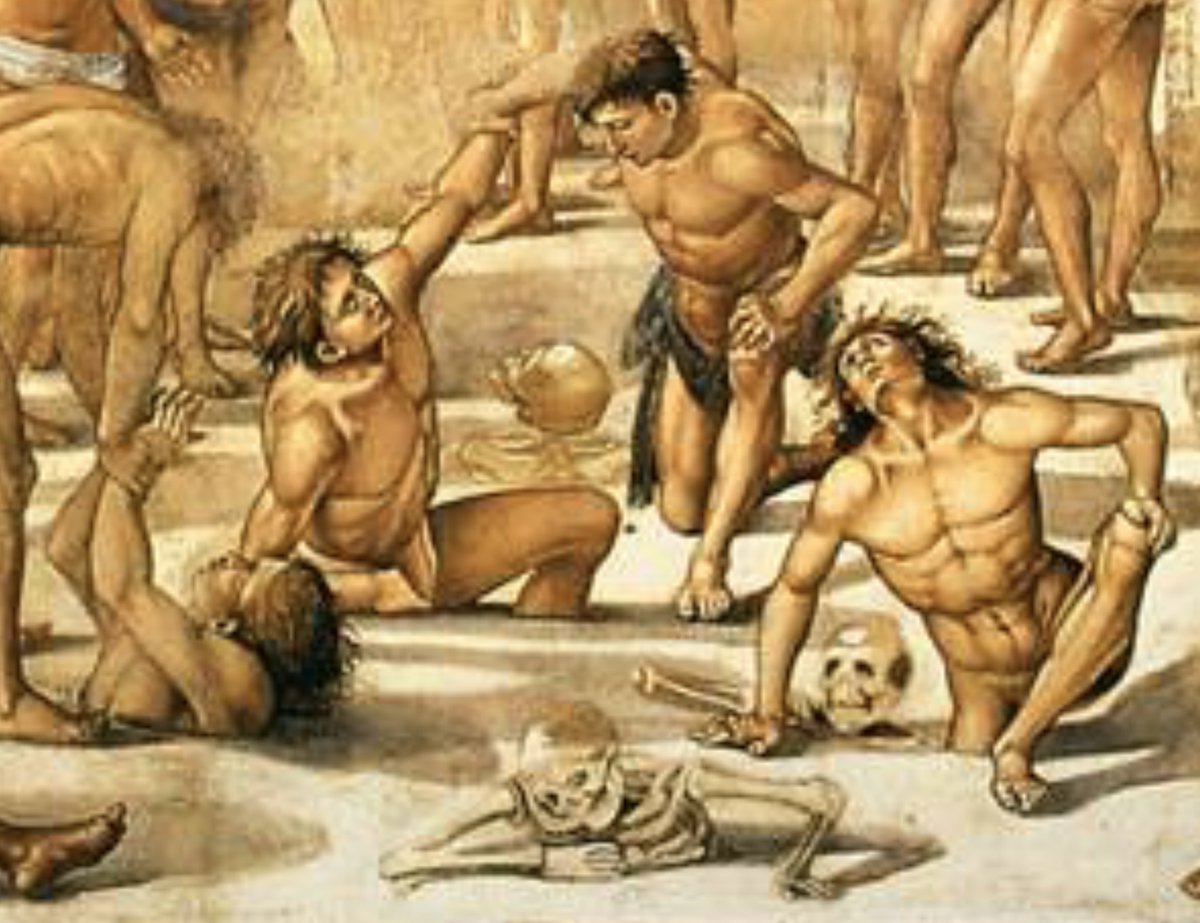
For Hester Pulter, death was natural, physical, spiritual, personal, communal, destructive, restorative, and unknowable; @eileen_sperry explores all these facets of the poet’s approach to mortality in “Shades of Death”: https://t.co/TA8rYbe150
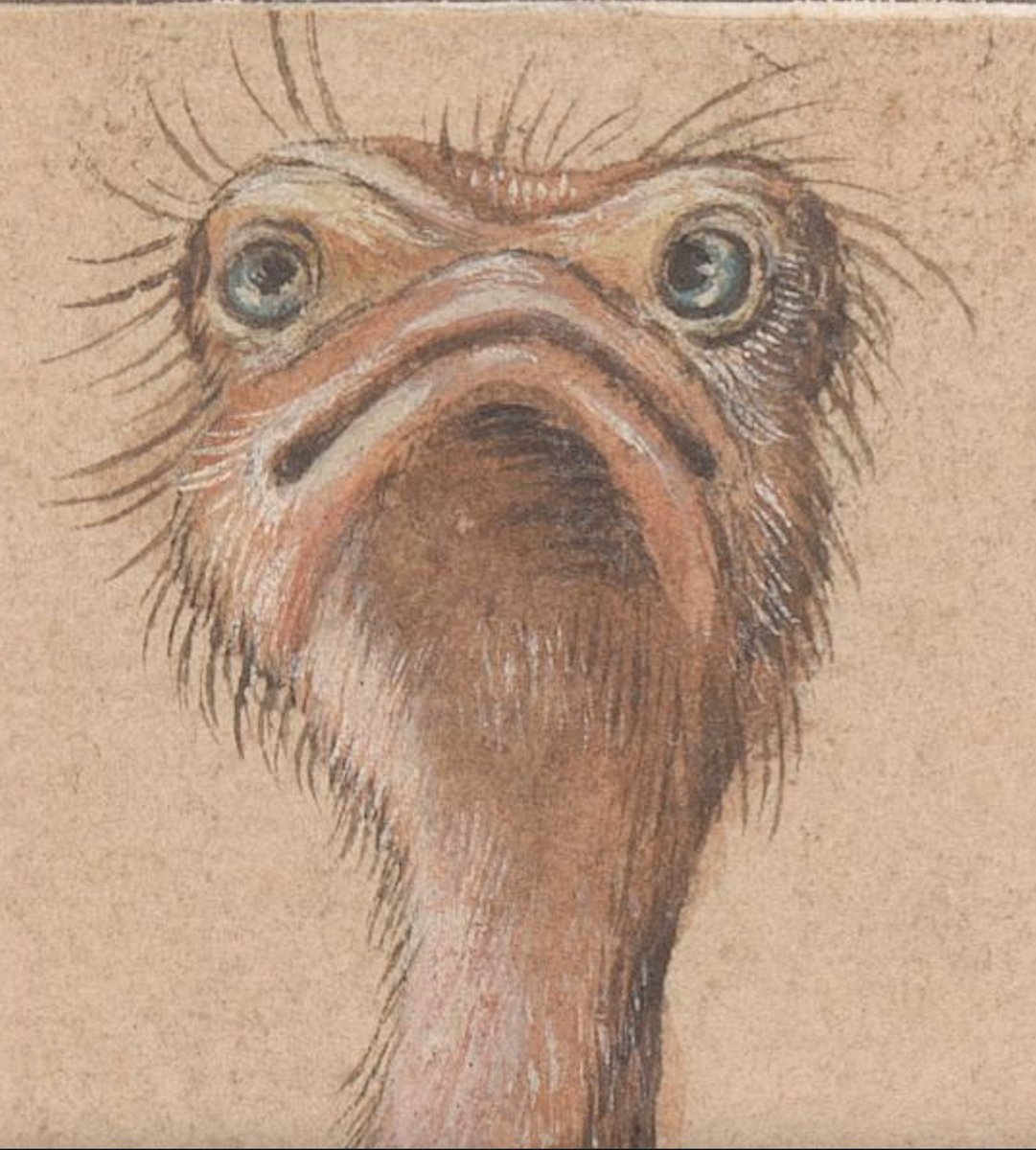
Straddling bird and beast, ostriches make for good metaphors—so argues @ClaireARichie in a companion essay to her edition of Hester Pulter’s poem on the same creature: https://t.co/p9DJeIWdUA
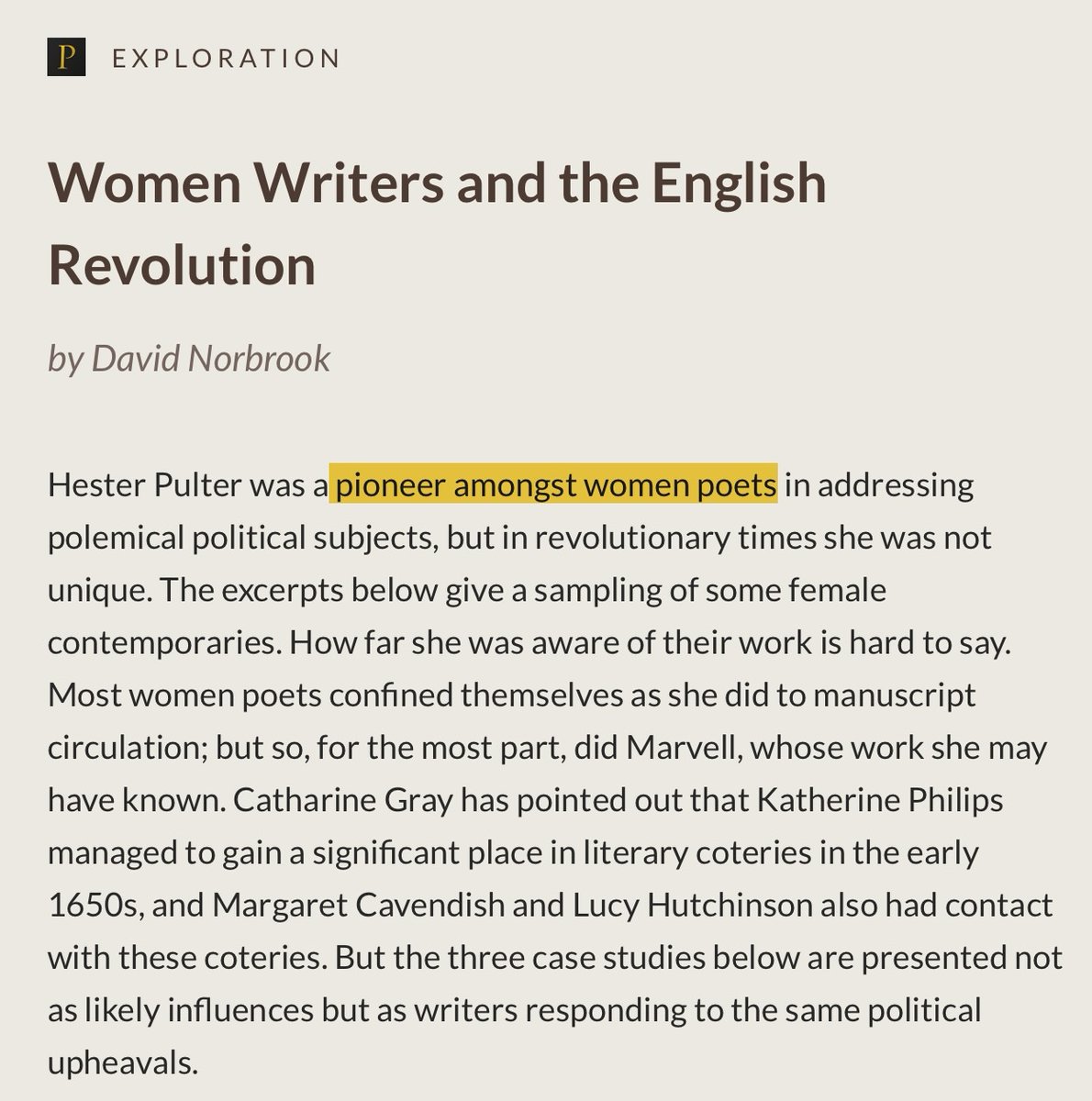
Women wrote back to the political upheaval of mid-seventeenth-century Britain; David Norbrook puts the “pioneer”ing Hester Pulter in the context of her contemporaries: https://t.co/BQuJ0x7rsO
Was Hester Pulter revolutionary? David Norbrook disentangles the term’s seventeenth-century political connotations in a new exploratory essay for The Pulter Project: https://t.co/n1vWTmuCp8
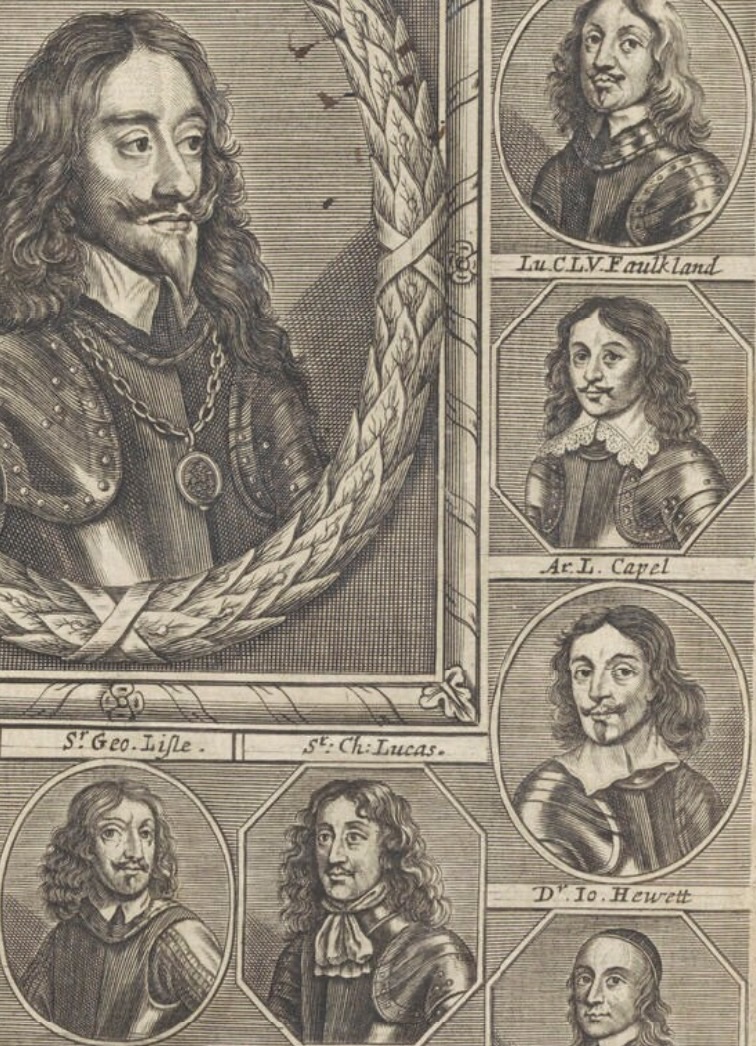
Your cousin is killed. How does the world respond? David Norbrook exhibits early literary treatments of the execution of Arthur Capel, Hester Pulter’s relation and fellow Royalist: https://t.co/kOOmhxRvyH
Hester Pulter calibrates four executions in a poetic exploration of comparative trauma. Read David Norbrook’s new edition of the poem: https://t.co/clZNHHFvMq
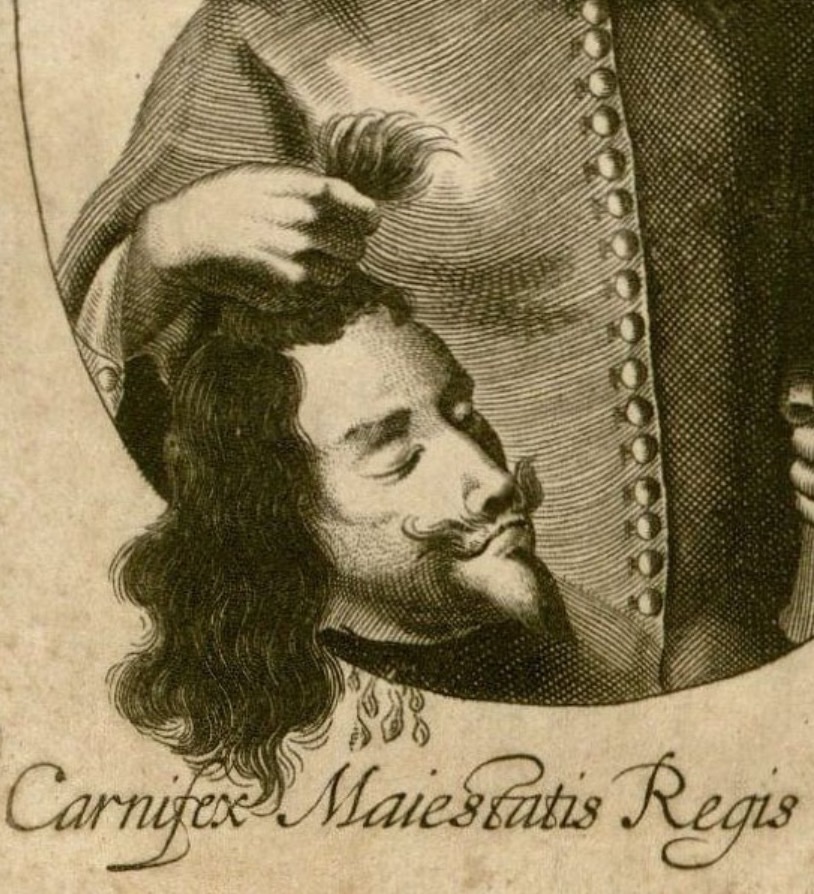
How to mourn a murder? Ban sighs, or breathe out your soul? Hester Pulter contemplates options, as does David Norbrook in his new edition of “On the Horrid Murder of that Incomparable Prince, King Charles the First”: https://t.co/01kXmA4sJI
Consider “the stakes of reading history right” for Hester Pulter, as for us, in an edition of her emblem “Vain Herostratus” by Matthew Harrison: https://t.co/B9bikW5wfP
Bird, sunfish, soul: how is each like the other? And how does that matter to Hester Pulter? Find out in a new edition of her thirty-fifth emblem poem by @emilybarth: https://t.co/qKltKNKAjd