Baazar Vichar - Now that Diwali’s buying frenzy has settled and gold has slipped from everyone’s social feeds, it’s the perfect time to take a hard look at gold as an investment. Has gold truly been a long-term wealth creator...
Link - https://t.co/X2ug95OhKA
Please go and read the article and don't trust these half baked fact news reports. Here is the link -https://t.co/Wer2DPksTo
80% of the silver is imported in India, and imports went down by 42% this year, which has lead to the shortage and not sudden increased demand.
BIG NEWS 🚨 India’s largest precious metals refinery has officially RUN OUT of silver stock — for the FIRST TIME in history 😳
And Someone said Indian Economy is dead 😭
India has literally drained the world’s silver this festive season
Unprecedented demand from Indian buyers ahead of Diwali.
Even London bullion traders are in tension as global supplies tighten.
Experts call it the BIGGEST SILVER SHORTAGE since 1980.
I don’t want to sound like a spoilsport this festive season, but things don’t look good. Jewellery stores are empty not a single car in parking on Dhanteras, the biggest sales day of the year. This might just be the dullest Diwali I’ve seen.
There’s no enthusiasm around. People aren’t unhappy; they just don’t have enough money to spend. Yes, homes are lit up and festivities are on, but only at the bare minimum. The cheer and energy of past Diwalis are clearly missing.
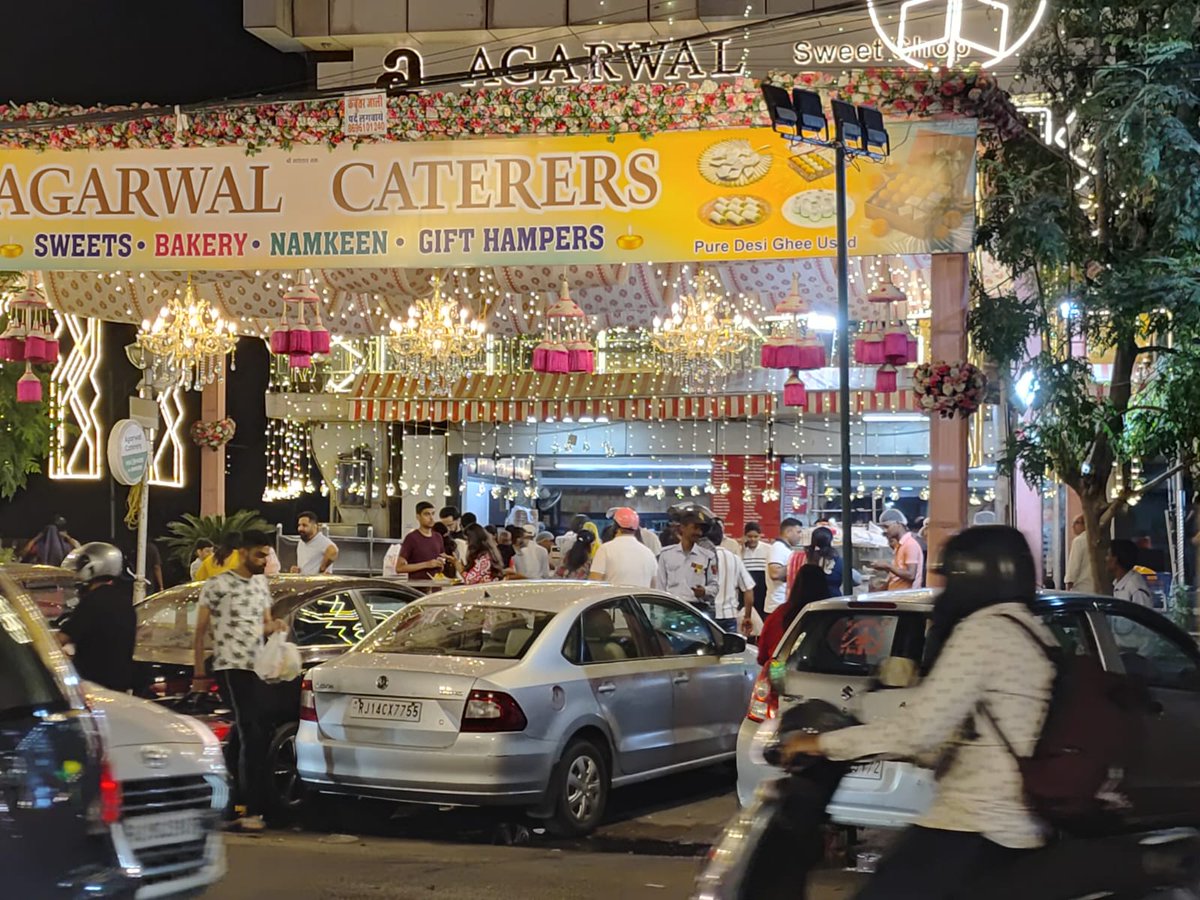
Even popular sweet shops in Jaipur, where you once waited over an hour for your turn, are half-empty. Customers are fewer and buying much less.
No matter how much we talk about GST cuts or reviving consumption, it doesn’t seem to be showing up yet. Let’s see how this quarter plays out — still hoping for a turnaround.
Baazar Vichar Part 6 Newsletter: A sneak peek
The IPO market is booming again, but here’s a hard truth: owning 1-2 lots won’t make you rich! 🎯 Understand the methodology to make tons of money in the market and the IPO psychology.
Subscribe to the newsletter for free - https://t.co/DDeTzflS2y
I don't think we should be very proud of this number. While this looks positive at first glance, it’s a clear sign of sluggish consumer demand and weak market activity. Ultra-low inflation often reflects that households are holding back on spending, not just because of lower prices but also because of constrained incomes or uncertainty. For a growing economy like ours, healthy inflation (around 4–5%) is important it drives both nominal GDP and sectoral growth, especially in lending and consumption-driven industries. Without enough consumer spending, almost every company will struggle to deliver value growth, and revival in volumes seems far off. For sustained economic momentum, we should hope to see a rebound in spending alongside inflation returning to a healthy range signalling both stronger demand and real growth.
Looking at volume growth in a rising gold price environment for jewellery companies? That’s total bullshit. It’s value growth that truly drives success. Get the real story on margins, premiumization & expansion in this week’s newsletter.
Link - https://t.co/X2ug95NJV2
Baazar Vichaar - Edition 2 Link - https://t.co/DDeTzflkd0
A sneak peek into the newsletter - Behind the numbers what’s really shaping HDFC Bank’s growth story today? Leverage limits, loan book dynamics, and strategic crossroads all play a role. A nuanced tale unfolds in the upcoming newsletter don’t miss it.
Hi everyone! You should have received the latest newsletter update by now. If you don’t see it in your inbox, please check your spam folder. For any questions or issues, feel free to reach out directly.
Link - https://t.co/ERPr4AAqVY
🚀 Exciting news! I'm launching a brand-new newsletter focused on equity, finance, and personal finance packed with exclusive insights, tips, and deep dives to help you build wealth smarter! 💡📈
Subscribe now and join me thrice a week — Mondays, Wednesdays & Fridays!
Subscribe now - https://t.co/XYqVaagJr6
📊 Q2 FY26 earnings are nearing a make-or-break quarter that will reveal if India’s market revival is real or just smoke and mirrors. Let’s dive into what to expect across key sectors and the challenges ahead… 👇
The market saw some major shifts in Q1 that could lay the foundation for the next bull run. Yet, the biggest hurdle of the past two years remains: stagnant consumer spending. This weak demand continues to stunt revenue and profit growth for many leading corporations, casting a long shadow over India’s growth story.
Before diving into GST rate cuts, we must address the elephant in the room—the ongoing Trump tariff saga. Many assume the situation will ease soon, but no one knows the timeline amid rapidly changing policies. Take Mrs Bector Foods, for example a company listed on Indian exchanges with around 20% of its export revenue coming from the US, a modest 6-7% of overall sales. Despite this limited exposure, order inflows have plummeted due to tariff uncertainties. Many shipments remain stuck at US ports as tariffs shifted overnight, forcing settlements and losses on the company. Beyond America, this global uncertainty has dampened orders worldwide.
Let’s be realistic. The notion that Indian exporters remain unscathed by these tariffs quickly rerouting shipments to new markets is just fantasy. The truth is harsher: if a company’s major revenue comes from exports, regardless of geography, they will feel the pinch. Replacing the world’s largest market (nearly 30% of global GDP) quickly is impossible. The current disruption, however painful, remains uncertain in duration and impact.
Turning to seasonal consumer durables and discretionary goods, growth challenges persist. Companies like Voltas, Symphony, and Blue Star, which concentrate most earnings in H1, have seen their GST-driven boost vanish. The recent rate cuts may not yet translate into meaningful gains this quarter. However, RBI’s interest rate reductions could still encourage consumers to spend excess funds and incentivize buying through lower MRPs.
The GST impact is sometimes transitional, especially for consumer discretionary items. Consider Indian carmakers: many slashed prices well before the September 22 GST cut. The 1.5-month gap between announcement and enforcement led to pent-up demand, shifting planned purchases post-implementation. This spike inflates sales figures temporarily, so investors should evaluate growth sustainability carefully rather than rely on absolute numbers.
In FMCG, investor excitement is palpable, but a major hurdle remains: long-standing inventory overhang. GST benefits will only reach consumers once existing stock is cleared, a process that takes time. Industry giants like HUL warn against over-optimism this quarter; channel partners pulling back on new orders to manage inventory are dragging sales down. Q2 results here may disappoint expectations due to this headwind.
Banking performance will be mixed. Large public and private banks likely won’t see drastic changes, but smaller banks focused on riskier microfinance loans stand to gain. The logic is simple: with lower household expenses, struggling consumers can better service EMI payments, improving repayments in microfinance-heavy loan books and reducing defaults.
The microfinance sector may be nearing a bottom. Leaders are emerging from pessimism, showing early signs of growth. Rate cuts increase consumers’ disposable income, reducing defaults and NPAs. The strongest players could soon return to growth patterns reminiscent of 2021–2023, moving beyond asset quality fears.
The MSME finance sector, already in better shape than microfinance, is poised for steady improvement. However, its growth may trail microfinance due to a smaller base and milder downturn. Simply put, the greater the fall, the stronger the bounce back—which favors microfinance’s quicker recovery.
Media and entertainment might see the swiftest and most measurable GST impact. Take cinema chains like PVR: tickets under ₹100 will now attract 5% GST instead of 18%, while tickets priced above ₹100—the majority—remain unchanged at 18%. Though the direct tax relief is limited, reduced overall consumer expenses create savings that often get funneled into discretionary spending like entertainment. With PVR’s average ticket at ~₹250, prices won’t fall, but consumer affordability will improve, likely driving better attendance and revenue.
Summary:
Q2 FY26 promises a mixed but cautiously optimistic landscape. While consumer durables and discretionary sectors face near-term struggles, RBI rate cuts and GST reforms offer subtle tailwinds. FMCG’s recovery is delayed by inventory issues, banking’s fortunes vary by portfolio risk, and microfinance looks poised for a meaningful rebound. MSME finance should improve steadily, and media and entertainment may capture quick, positive gains. Together, these dynamics suggest a slow but steady market reacceleration, laying essential groundwork for the next growth phase.