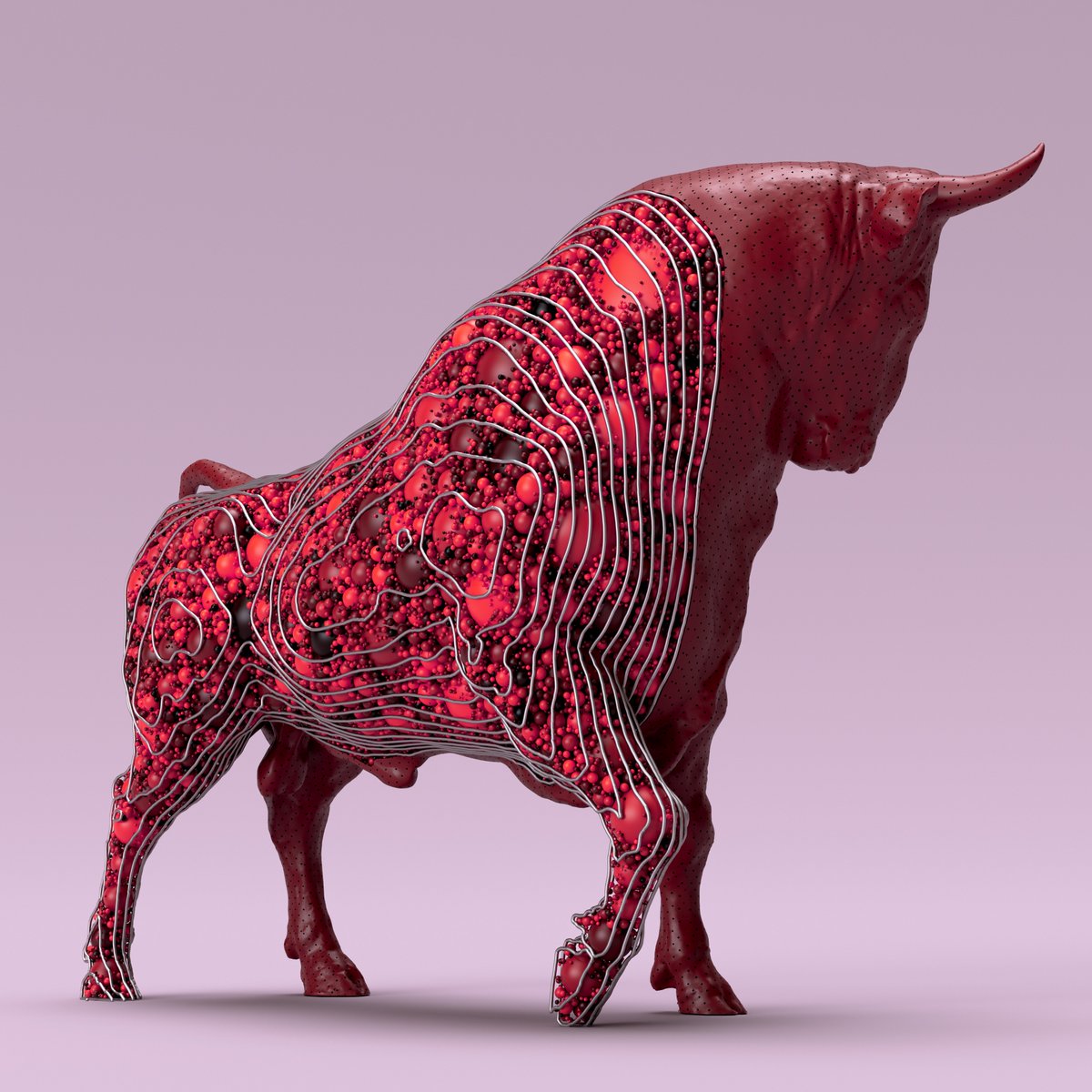
Terrae Motus has been featured on https://t.co/eVPLLV9723 (CAN), one of the most respected platforms at the intersection of art, media, and technology. We are grateful for the opportunity to share this work with the CAN community.
https://t.co/G6gcgT85rp
430.000 deprem. 6,5 milyon veri noktası.
Türkiye'nin 125 yıllık sismik belleği: Terrae Motus.
Veri, yalnızca okunmak için değildir.
https://t.co/0TPTjpjZPi
https://t.co/G6gcgT85rp
[ Sensory ]
Sensory presents a fluid simulation subjected to an intentionally excessive and unnatural force, producing a sustained and forceful disturbance within the liquid body. The work focuses on the visual and kinetic intensity of this impact, amplifying the tension between control and instability. The simulated matter appears caught in a continuous state of pressure, where turbulence becomes both a visual phenomenon and a structural condition.
A secondary interface layer (HUD) is introduced as a constructed visual element. Rather than functioning as a generative system, this interface reframes the simulation by referencing the language of measurement, calculation, and monitoring. It evokes the presence of computational logic behind the image, suggesting systems of observation and control that traditionally govern digital environments.
By juxtaposing the raw, almost physical expressiveness of fluid dynamics with the abstract aesthetics of technical instrumentation, Sensory creates a layered perceptual experience. The viewer encounters not only the spectacle of motion, but also the symbolic framework through which such motion is interpreted. In this way, the work stages a dialogue between simulation as spectacle and simulation as calculation — between what is seen and what is implied, between visceral impact and analytical distance.
Deprem verileri yalnızca bilimsel analiz nesneleri midir?
Terrae Motus, Türkiye’nin 125 yıllık sismik hafızasını veri görselleştirme, sonifikasyon ve etkileşimli medya aracılığıyla deneyimsel bir alana dönüştürüyor.