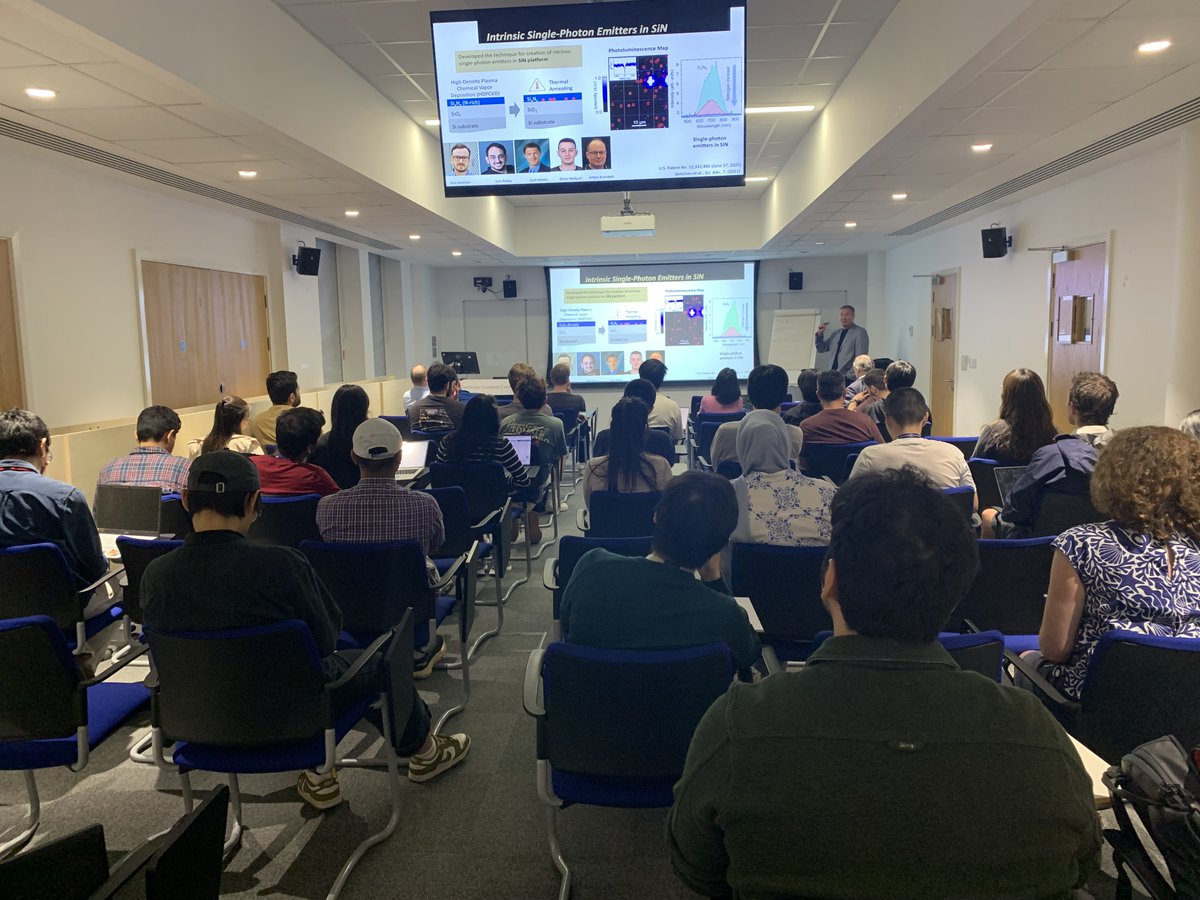
We welcomed Prof. Vladimir M. Shalaev of Purdue University at CGC today! In his #QAMSS lecture, he discussed quantum photonic integrated circuits, single-photon technologies and near-zero-index materials for ultrafast light control. #QuantumPhotonics
We welcomed Prof. Antonio Ambrosio of the Italian Institute of Technology at CGC today! In his #QAMSS lecture, he discussed how optical and near-field probes can reveal light–matter interactions in low-dimensional and van der Waals materials.
We welcomed Dr. Markus Hellenbrand of the University of Cambridge at CGC today! In his #QAMSS lecture, he discussed how resistive switching memory devices could transform AI hardware by improving speed, endurance and energy use while enabling neuromorphic and in-memory computing.
We welcomed Dr Mehdi Asghari of SiLC technologies at CGC today! In his #QAMSS lecture, he discussed how silicon photonics is enabling real-time imaging beyond 3D, with applications in precision metrology and defence technologies.
We welcomed Prof. Giuseppe Carleo of EPFL at CGC today! In his #QAMSS lecture, he discussed how machine learning is transforming the study of strongly correlated quantum systems, from quantum magnetism to unconventional superconductivity, opening doors in materials research
We welcomed Prof. Martijn Heck of Eindhoven University of Technology at CGC today! In his #QAMSS lecture, he discussed how heterogeneous integration could unlock scalable, energy-efficient photonic systems, combining InP and silicon to meet rising data demands #Photonics#Optics
We welcomed Prof. Amparo Guemes Gonzalez of the University of Cambridge at CGC today! In her #QAMSS lecture, she explored how bioelectronics can decode metabolic signals from the vagus nerve and gut, revealing real-time gut–brain communication.
Members of PIXEurope from ICFO, University of Southampton and University of Cambridge gathered this week at CGC for a workshop to discuss how collectively they can address ways to integrate graphene on chips efficiently, bringing integrated photonics closer to widespread adoption
We welcomed Dr Qian Yang of The University of Manchester at CGC today! In her #QAMSS lecture, she discussed how designer nanocapillaries can reveal the hidden molecular behaviour of confined water, opening new possibilities for sensing, separation and nanofluidics.
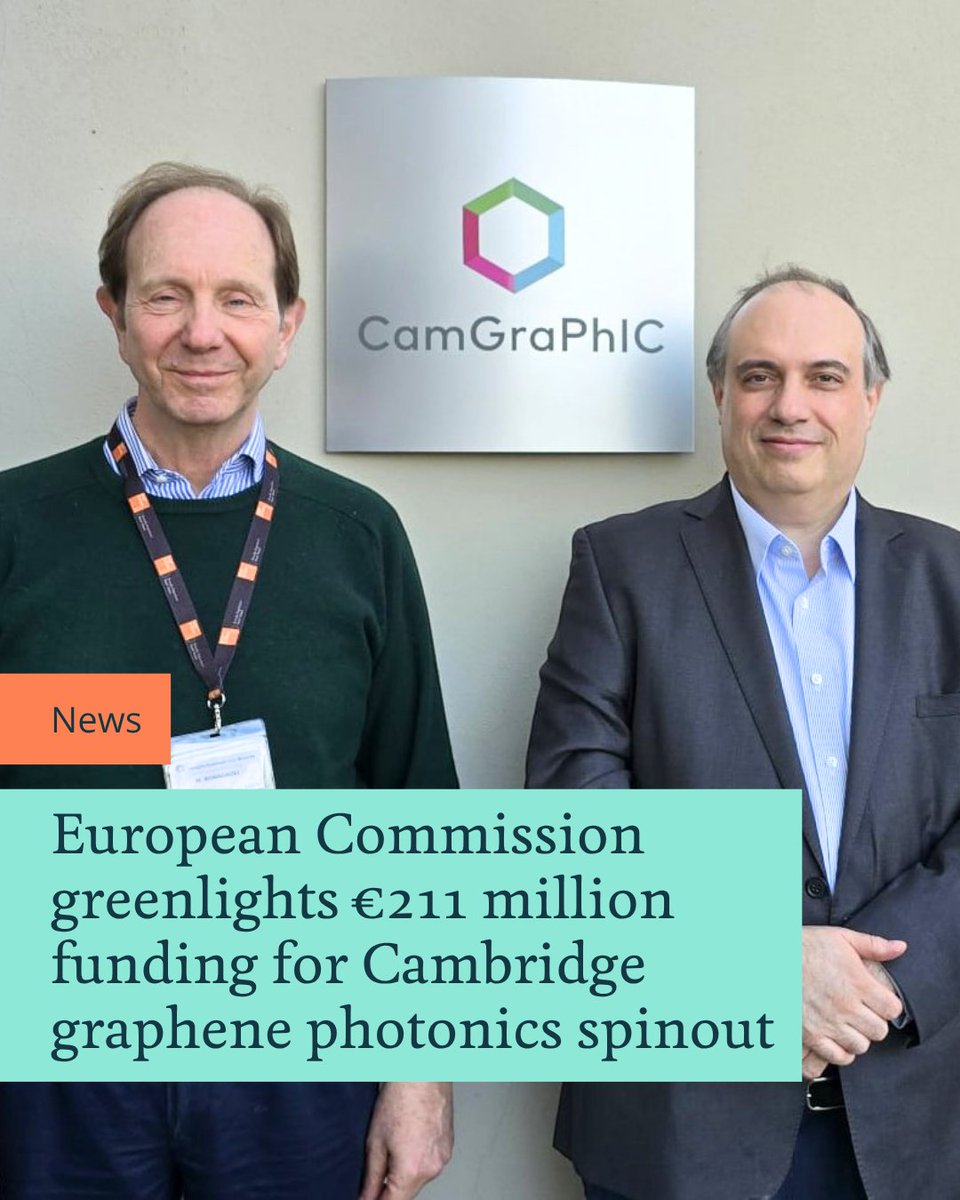
The @EU_Commission has approved €211 million in funding to CamGraPhIC (Cambridge Graphene Photonic Integrated Circuits) to power the next generation of AI applications.
@Cambridge_Eng's spinout CamGraPhIC is developing graphene-based photonic circuits for faster, more energy-efficient optical interconnects.
Find out more about this technology and its applications 👇
https://t.co/CohULWD3zP
Attend PIXEurope Connect - Industry Ecosystem Building Day, Barcelona (21 May) 🇪🇸
Exploring collaboration opportunities and industry‑driven needs across the PICs value chain. Advancing photonic chips from prototype to scale across Europe.
🔗 https://t.co/MOVrlsbBCl
#Photonics
We welcomed Dr. Francesca Iacopi of IMEC, at CGC today! In her #QAMSS lecture, she explored the future of nanoelectronics, from MRAM-based in-memory computing to graphene-enabled nanosystems. A glimpse at what’s next in computing.
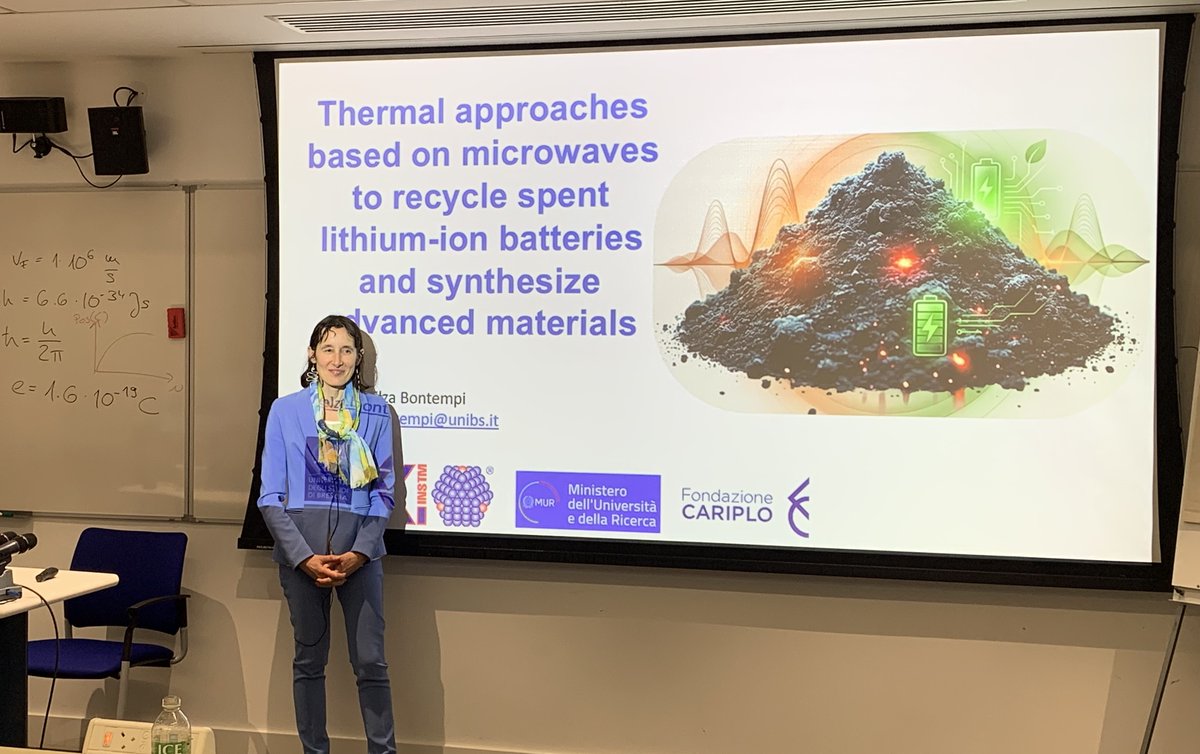
We welcomed Prof. Elza Bontempi of the University of Brescia, at CGC today! In her #QAMSS lecture, she discussed a microwave-assisted method to recycle lithium-ion batteries more cleanly and efficiently ♻️🔋
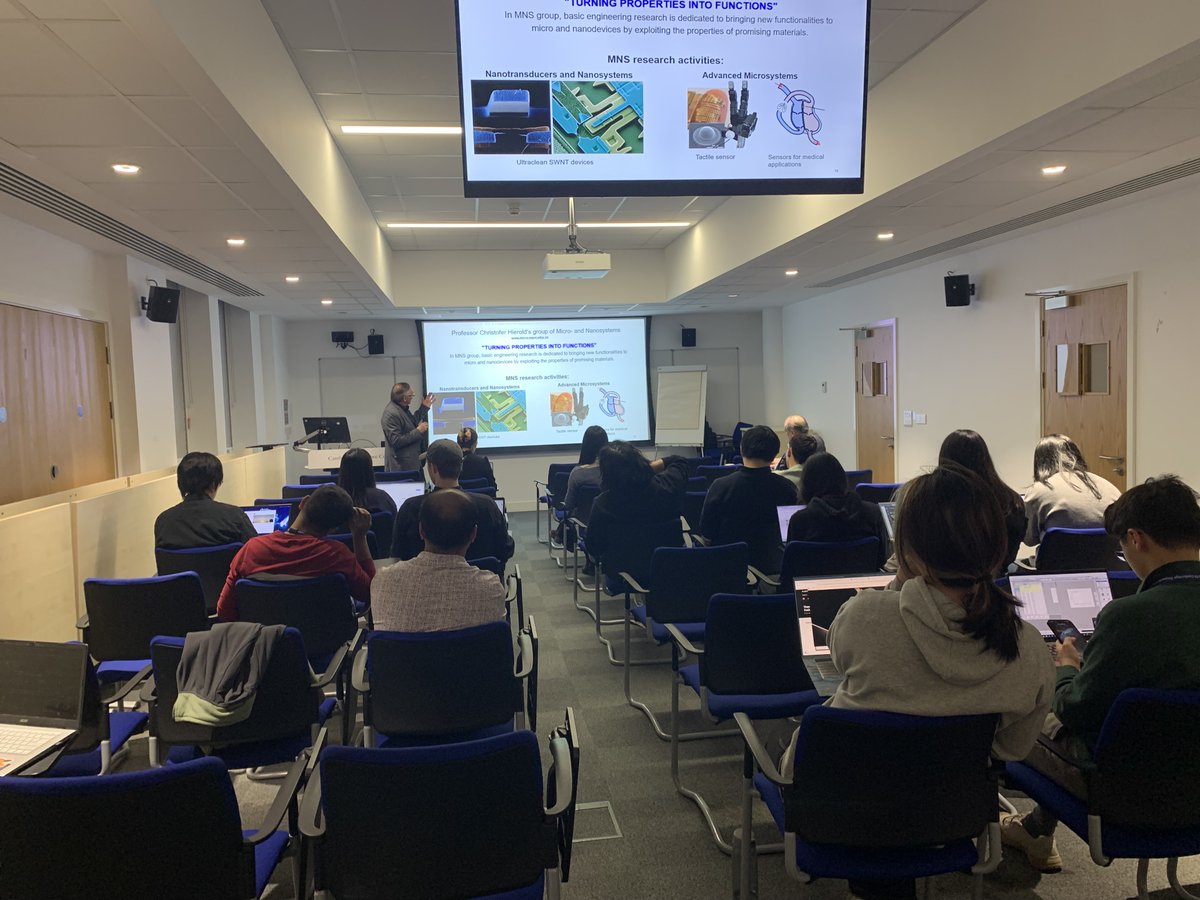
We welcomed 2025's cohort of 2D Materials of Tomorrow doctoral training students, shared with The University of Manchester, to the CGC today where they'll spend the week gaining theoretical and practical skills to help with their studies.
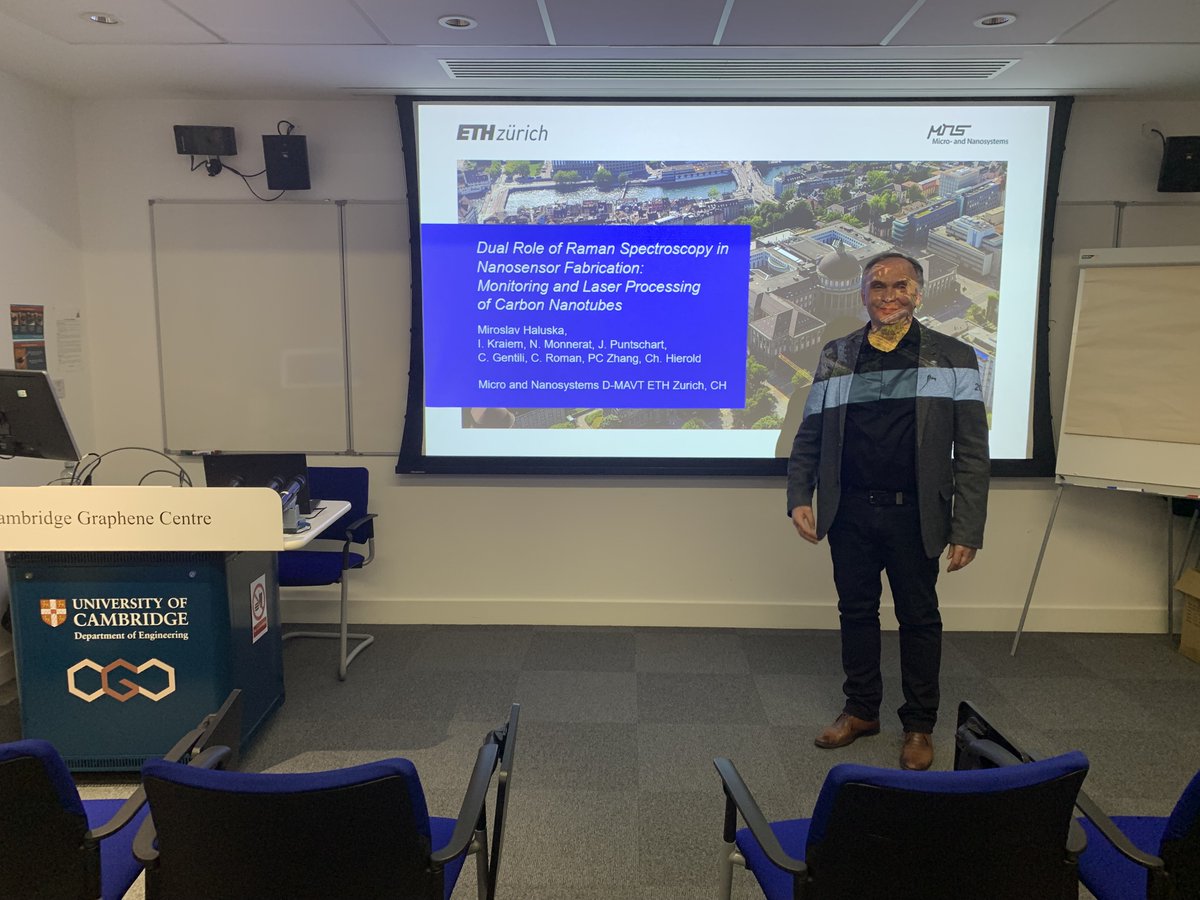
We welcomed Dr Miroslav Haluska of ETH Zürich, at CGC today! In his #QAMSS lecture, he discussed how Raman spectroscopy can both monitor and modify carbon nanotubes, advancing nanosensor fabrication.
TEBRİKLER ..🙏🇹🇷👏👏HELAL OLSUN..METE ATATÜRE..🇹🇷🇹🇷👏🇹🇷👏🙏🙏
Cambiridge Üniversitesi'nde, Kuantum fiziği üzerine çalışan genç Türk Bilim İnsanı Prof.Dr
Mete ATATÜRE, Einstein'ın ve diğer Bilim adamları'nın ölçülmesi imkansız olarak kabul ettiği " Işık seviyesinin gürültü ölçümünü " başarıyla yaparak adını tarihe yazdırdı.
" Işığı sıkıştırma " denen yöntemle ölçümü uygulayan Prof.Dr Mete ATATÜRE, bunu yaparken Atom dan tam 100 kat daha küçük
bir süper Atom elde etti.
Prof.Dr. Mete ATATÜRE
1975 Kayseri doğumlu.1992 de Üniv. sınavını ilk 500 de kazandı. Bilkent Üniv. Fizik bölümünü bitirdi.İngiltere İnstitüte of Physicsde kuantum fiziği üzerine doktora yaptı.Cambridge alışmaya başladı.Ünlü fizikçi Stephan Hawking'le aynı Üniv.aynı bölümde görev yaptı.
İngiltere'nin en prestijli ödülü Thomas Young ödülü ve madalyası ile ödüllendirildi.
Ölçülemez denen ışık seviyesinin gürültü ölçümünü yaptığı için bu ödül verildi.❣️🇹🇷🙏👏👏❣️
We welcomed Prof Thomas Anthopoulos of The University of Manchester, at CGC today! In his #QAMSS lecture, he discussed how printed organic semiconductors enable flexible solar cells and ultra-sensitive hydrogen sensors, advancing low-cost renewable energy and safety technologies.
⚛️ The UK is getting its most powerful quantum computer.
University of Cambridge partners with IonQ to install a 256-qubit system at the Ray Dolby Centre, boosting UK quantum research.
Read more:
https://t.co/6IHoggzNT5
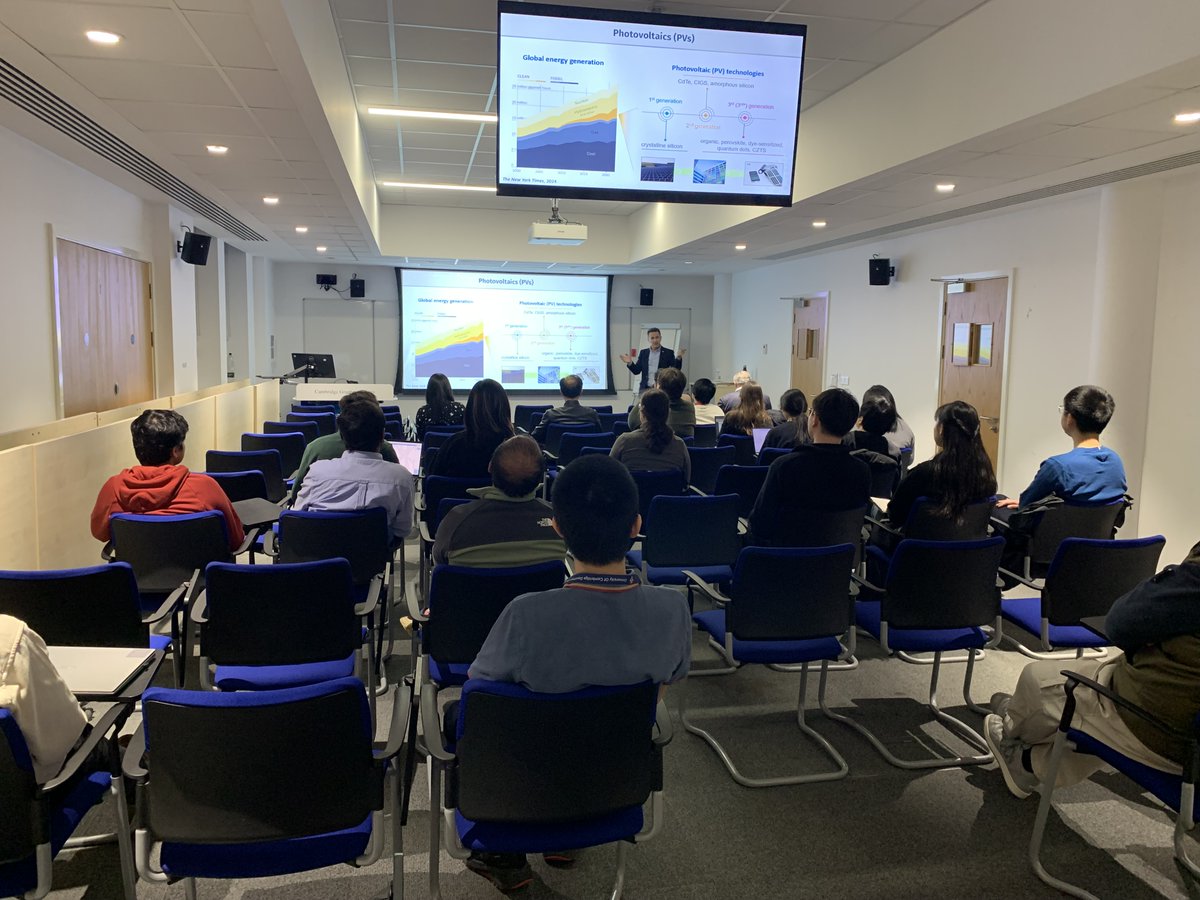
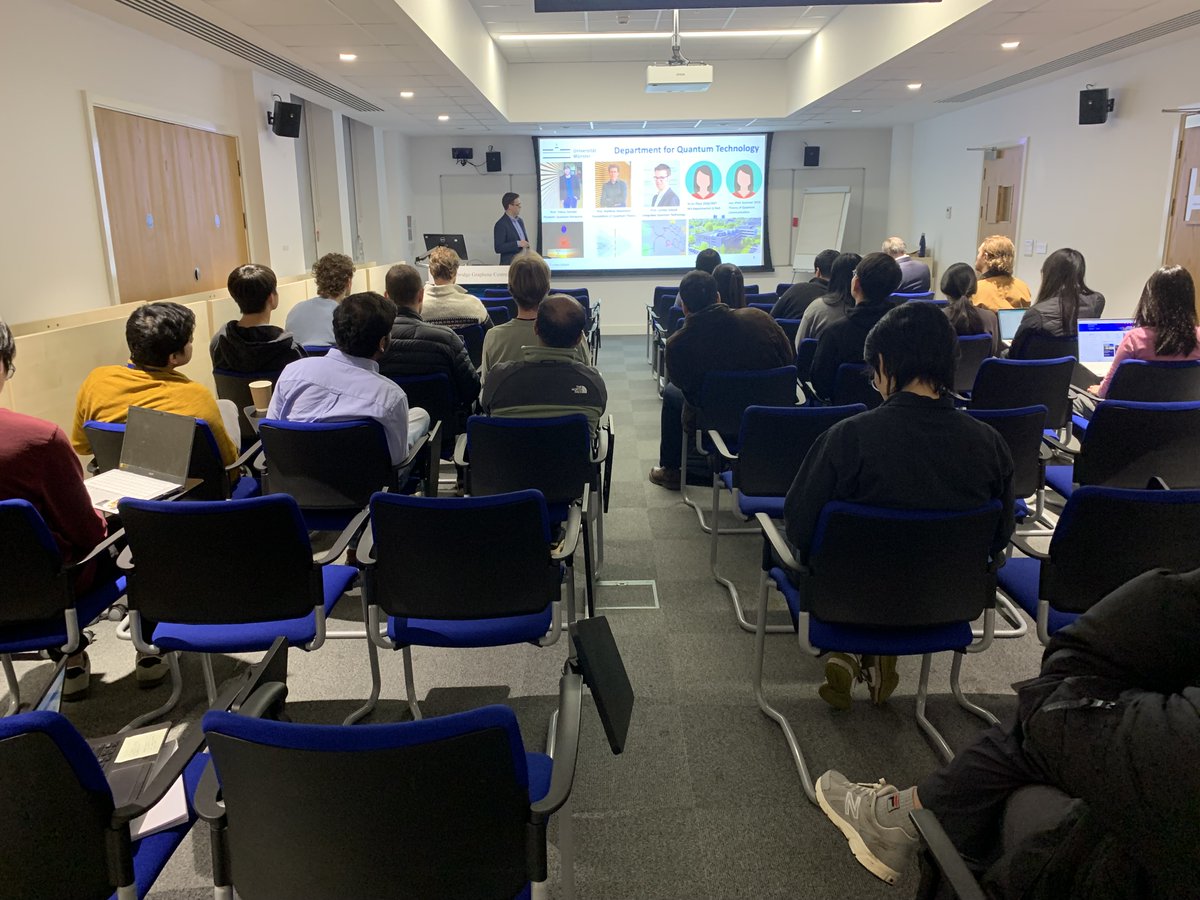
We welcomed Prof. Carsten Schuck from the University of Münster, Germany, at CGC today! In this #QAMSS lecture, he discussed how to integrate many devices to generate, manipulate and measure quantum light, opening doors in information processing, communication and sensing.
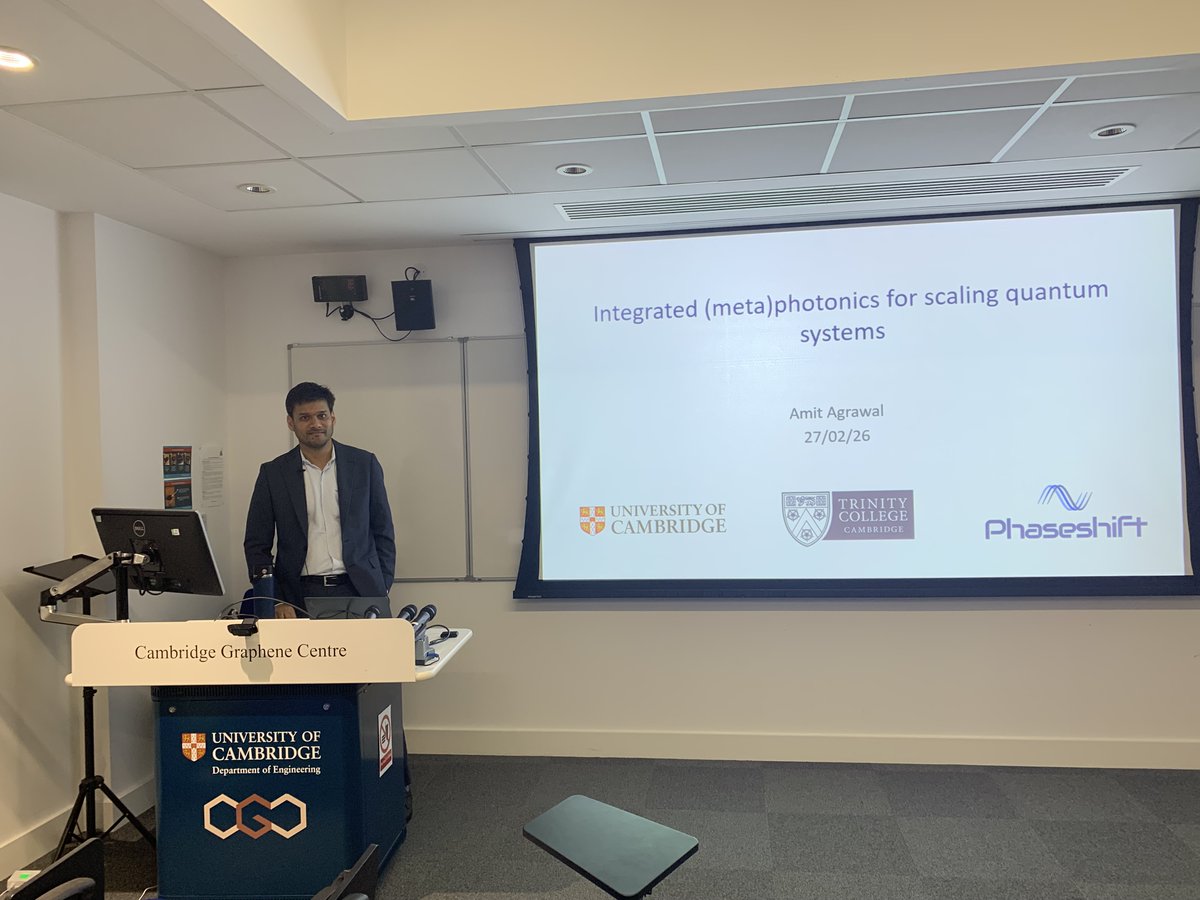
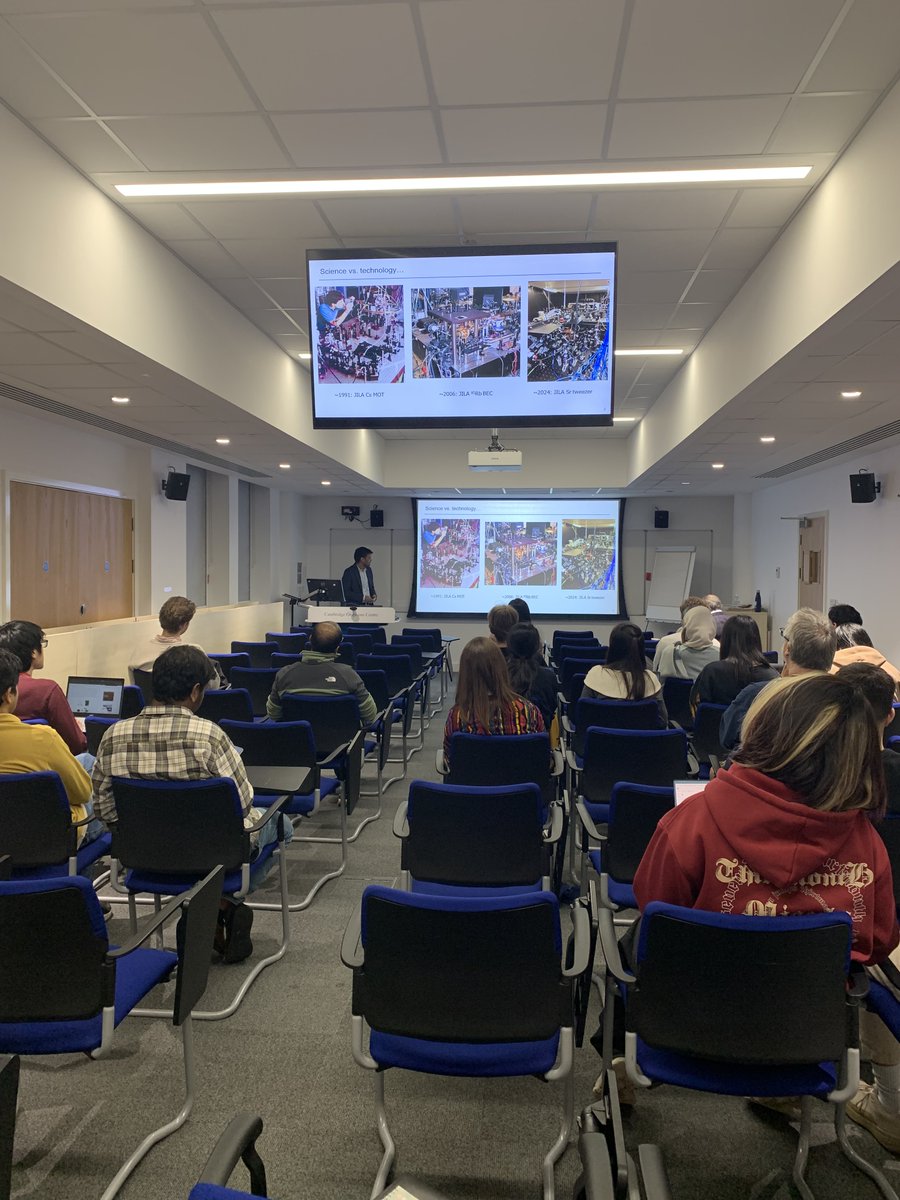
It was an honour to welcome Prof. Amit Agrawal from the University of Cambridge, at CGC today! In this #QAMSS lecture, he discussed a nanophotonic platform promising to ultimately replace the laboratory optical table, enabling cold atom clocks and quantum computers.