My new article for Frontier Group discusses some of the reasons we could still get the best benefits of AI - and not the harms - without such a massive, costly buildout: https://t.co/p3JecaKoGh
We already have enough compute power to solve mysteries that have confounded scientists for decades and enough to flood the internet with AI-generated content, deepfakes and influencers who don’t exist. So how many more data centers do we really need? 🧵
If we distribute compute load to places with extra electric capacity (homes, businesses, etc.), focus on building AI models tailored to specific tasks (rather than AGI), and eliminate the bad uses of AI (deepfakes and scams), do we really need so many data centers? Just asking.
The tech industry is pushing for a massive buildout of data centers in the U.S. But do we really need so many to get the most useful benefits of AI? @QuentinGood4 asks: https://t.co/1YpG5SGp2c
What happens when a city rejects a disruptive highway expansion, but the state wants to proceed anyway? @FrontierTony joined @StrongTowns' "Upzoned" podcast to discuss a recent project in Charlotte and its lessons for transport policy. https://t.co/5aThH516V1
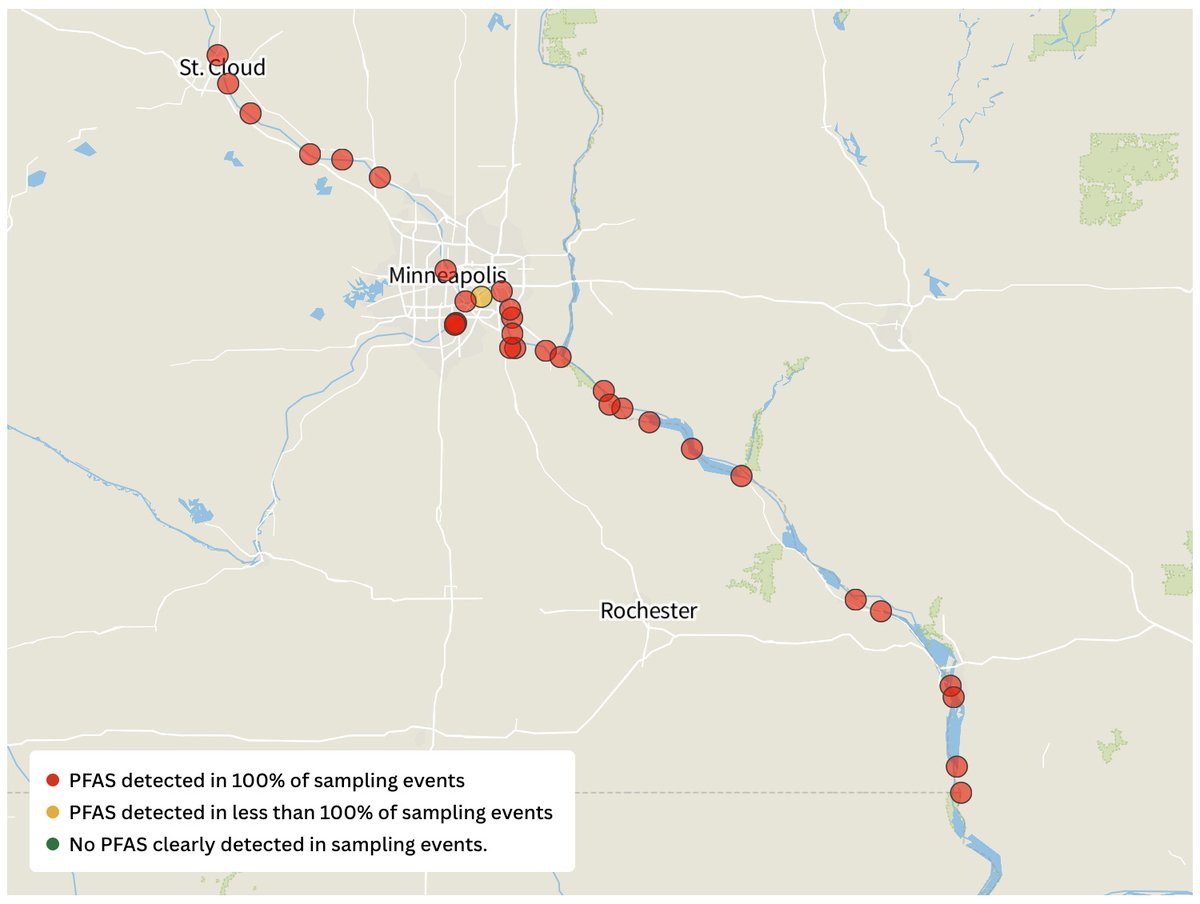
PFAS were detected at 39 Mississippi River monitoring locations in Minnesota and Wisconsin, according to our new analysis. Across these locations, 13 different PFAS compounds were found. Our new report describes why that matters. https://t.co/qh5XmKjHHr
One of my biggest concerns about data centers is that we are planning on building a bunch of new gas plants to power them. At @FrontierGroupUS we've been closely monitoring these planned additions.
NEW: Plans for on-grid natural gas plants have tripled since early 2023, and are up 40% in 2026 alone. The main culprit? Electricity demand from data centers. https://t.co/lNGJxRV5ed
New York City responds to our investigation with @EnvAm and @NYPIRG highlighting persistent problems with lead contamination in school drinking water across New York State. https://t.co/qhOuAnGndw
@TimSheehyMT We already have enough data centers to live our digital lives. We even have enough data centers to incorporate AI into all our existing apps and flood social media with slop. The idea that we need more data centers so normies can have internet services we already have is bogus.
Many pets eat the same food day after day, sometimes for years. If that food contains PFAS, it could mean repeated exposure to these forever chemicals over time. Nilou Yaar explores why keeping PFAS out of pet food and packaging matters. https://t.co/3EeMvOwer8
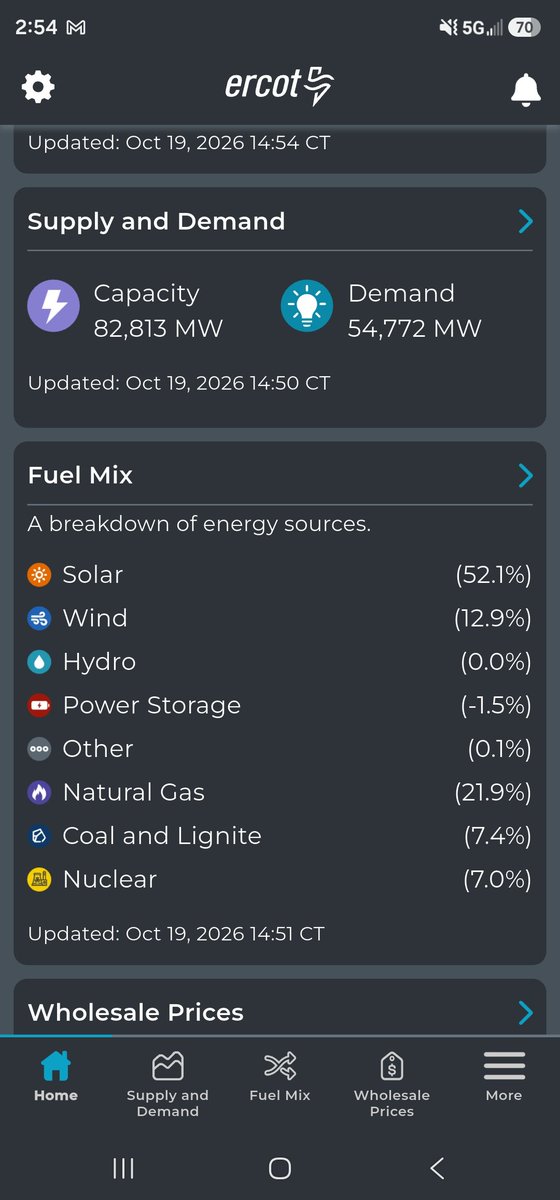
I love seeing happy sheep grazing near solar panels. The solar punk future is coming! My report with @EnvironmentTex explains how nature, ag and renewables can work together in Texas (and beyond).
Mowing the ground underneath solar panels or the use of herbicides can degrade the land and increase runoff. Modern solar land management practices not only mitigate those concerns, but also provide other benefits to the land, wildlife and communities. https://t.co/DJsl6Njg68
Charging EVs a flat annual fee for the roads is like charging a flat fee for an all-you-can-eat buffet – to get your money’s worth, you need to consume more. That means more road damage and more congestion. https://t.co/Dck5Jfo7Yb
We need more renewable energy to reduce fossil fuel pollution, but renewables can also impact the environment and wildlife. My new report @FrontierGroupUS and @EnvironmentTex explains how it can be built and operated responsibly in Texas (and beyond) https://t.co/DcKdkxm7u5
I'm really proud of the work I've been doing with @FrontierGroupUS to track power plant retirement delays. These dinosaurs are a serious detriment to the climate and the health of nearby communities, and we need to close them sooner than later.
Some of the oldest and dirtiest power plants in the nation are staying online to help power data centers. 17 power plants with delayed retirements were responsible for more than 3% of NOx and SO2 pollution from the U.S. electricity sector in 2023. https://t.co/M3n9AdM8XN
Musicians such as @guster, @KaceyMusgraves and @MassiveAttackUK are known for their commitment to environmental causes. What can fans do to reduce the environmental footprint of live music? Quentin Good explores. https://t.co/2slZj7r4xj
Live music contributes significantly to climate pollution and environmental waste, but it doesn’t have to. @QuentinGood4's new article explains how the industry can undergo a key change. https://t.co/2slZj7r4xj
Whatever you think about the long-term impact of AI on the climate, in the near term, it's helping to keep some of America's dirtiest power plants running - and polluting - years after they should have been closed. @QuentinGood4 dug up the details.
Rising electricity demand, including for data centers, is increasing our reliance on fossil fuels – putting our health and climate at risk. Here are some of the power plants, once scheduled to retire, that are now being kept open due to rising demand. 🧵
America has been moving away from coal-fired power – a big win for our air and the climate. But the growth of U.S. data centers is giving coal plants a new purpose: fueling the AI boom. See which plants are being kept open longer than planned. https://t.co/5RVaa5jCmw
Fossil fuel power plants across the U.S. are getting a new lease on life due to energy demand from data centers. We identified nearly 16,500 MW of capacity at U.S. power plants that will be kept open longer than originally planned. https://t.co/5RVaa5jCmw