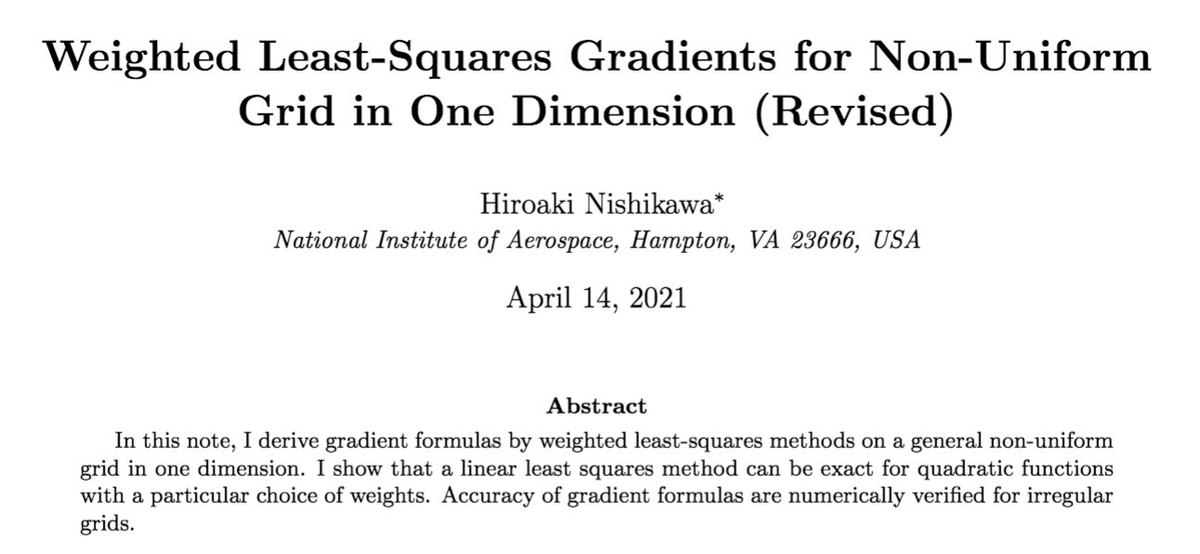
If someone told you "Don't entirely trust any claim/paper without numerical demonstrations", I think that's a good advice. I tried gradient formulas in my note, found they didn't work, and found there were typos. So, here's a revised, more trustworthy note with numerical results.
Je me lance dans une nouvelle aventure : un podcast pour vous parler chaque semaine d’une œuvre littéraire que j’ai aimé. Il y en aura pour tous les goûts, ne soyez pas timides, venez jeter une oreille !
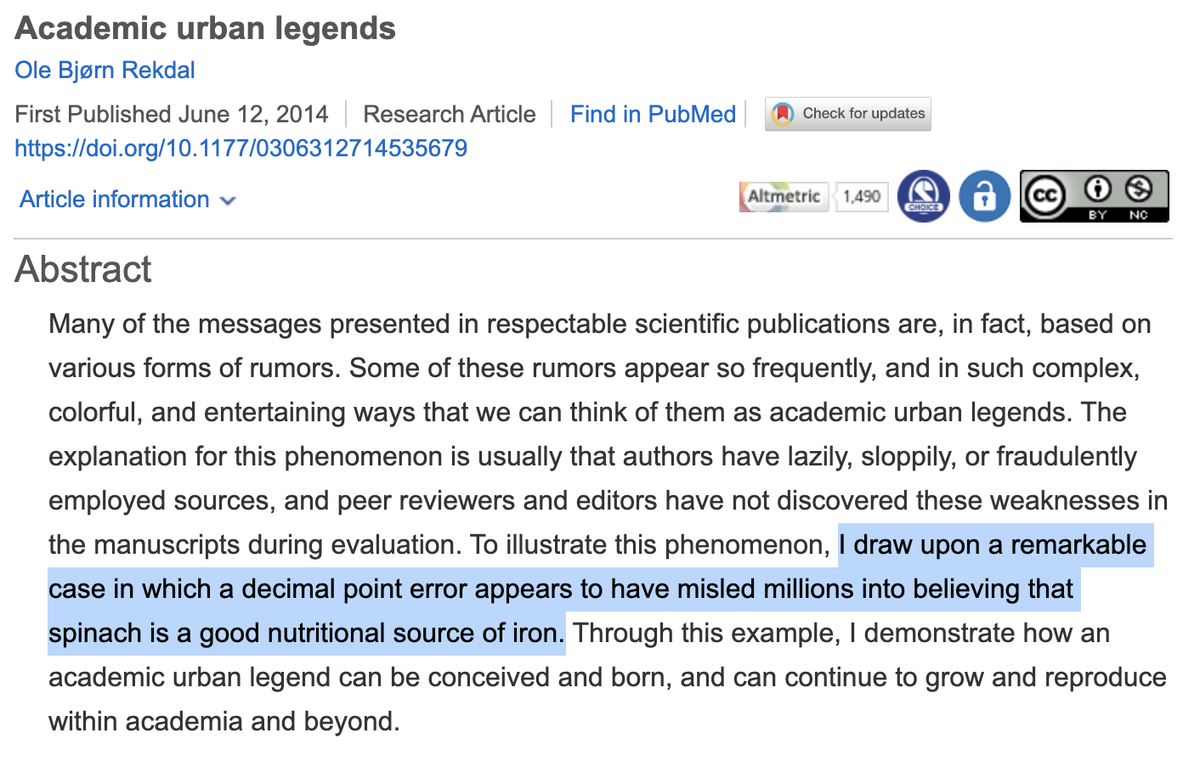
This paper is a gem. The bulk of it is about academic citation practices, yet it reads like a page-turning mystery. With a twist in the tail! https://t.co/cHT2i5ijrB
If the crudest of errors can persist indefinitely, what does it mean for the theory that science self-corrects?
@ClemenceDvy D'autant que l'on ne sait pas a priori s'il faut préférer le schéma décentré à gauche ou à droite (sauf physique particulière du genre écoulements supersoniques)
@ClemenceDvy Merci pour les contre exemples, c'est très intéressant. Dans chaque cas le calcul décentré M(i+1)-M(i) ou M(i)-M(i-1) est plus précis d'un côté et moins précis de l'autre (par rapport au centré). C'est peut être ce qu'on entend lorsqu'on dit que le schéma centré est plus précis.
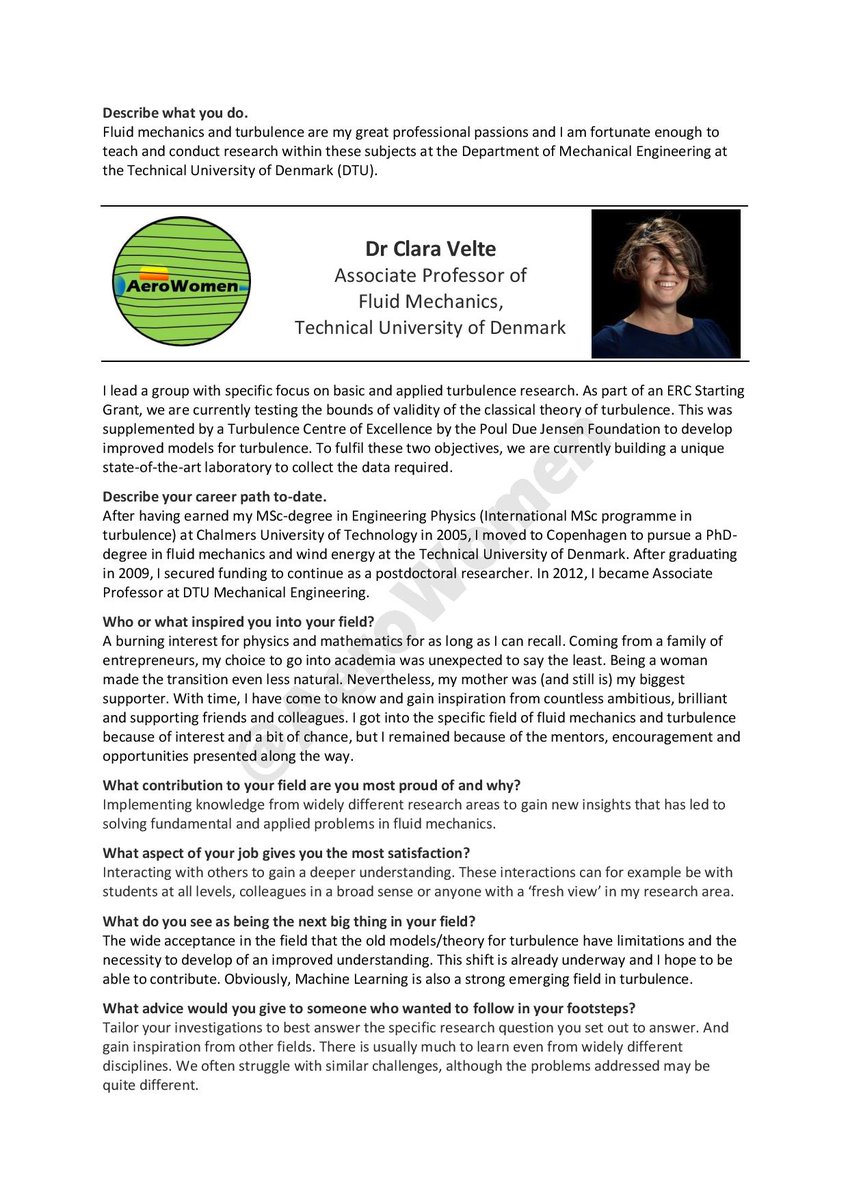
Meet Dr Clara Velte (@ClaraVelte), Associate Professor of Fluid Mechanics at @DTUtweet. Clara leads the Turbulence Research Lab Group at DTU, combining theory, experiments and simulations to basic and applied turbulence research #WomeninSTEM
The damped harmonic oscillator (linear) vs simple gravity pendulum (non-linear). The two most celebrated second order dynamical systems. https://t.co/dHqjkKy7IJ https://t.co/TSNfRlwLAn
How does #COVID__19 spread through the air? The #LEGI's expertise in fluid mechanics and turbulence studies are used on the #supercomputer Joliot-Curie to understand the airborne propagation of Covid-19.
https://t.co/lngiSS4C3W