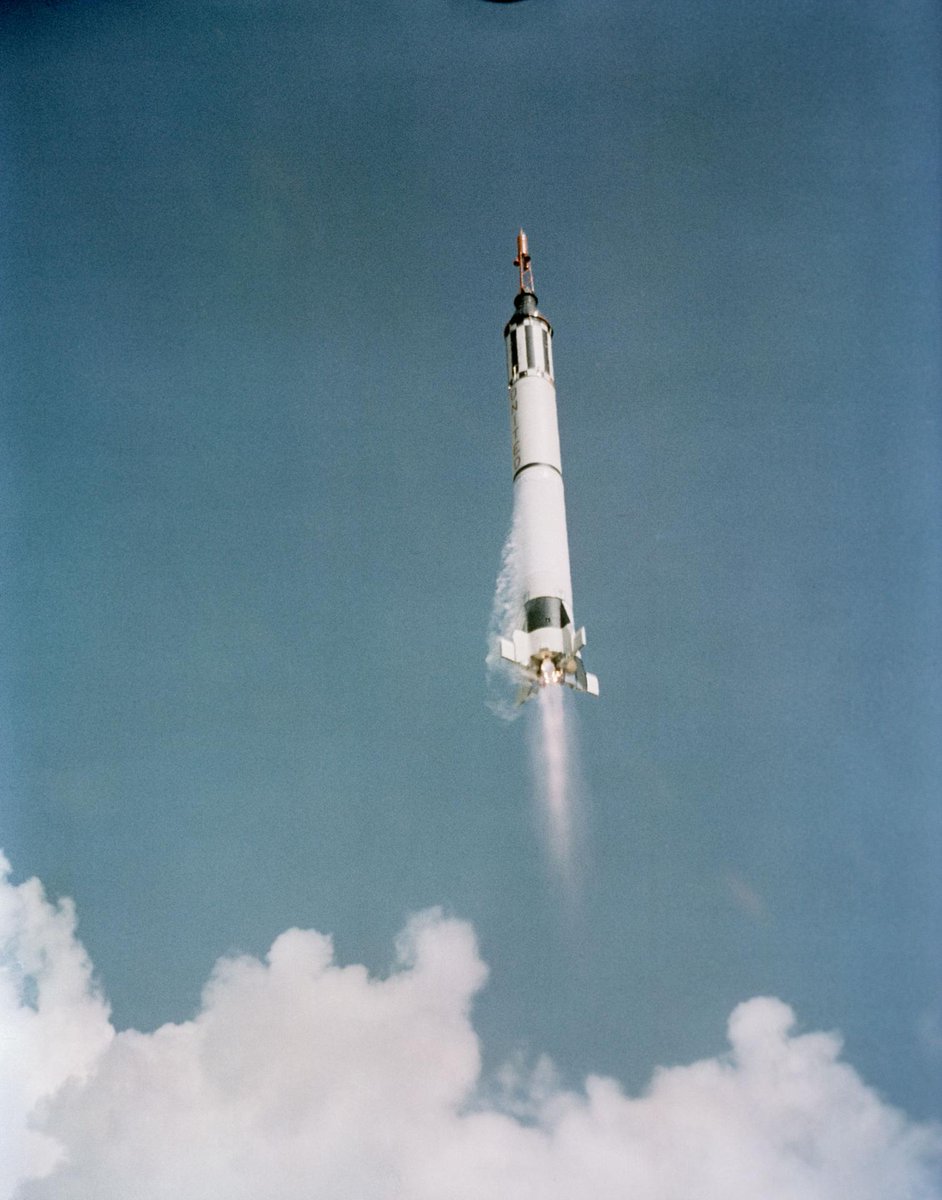
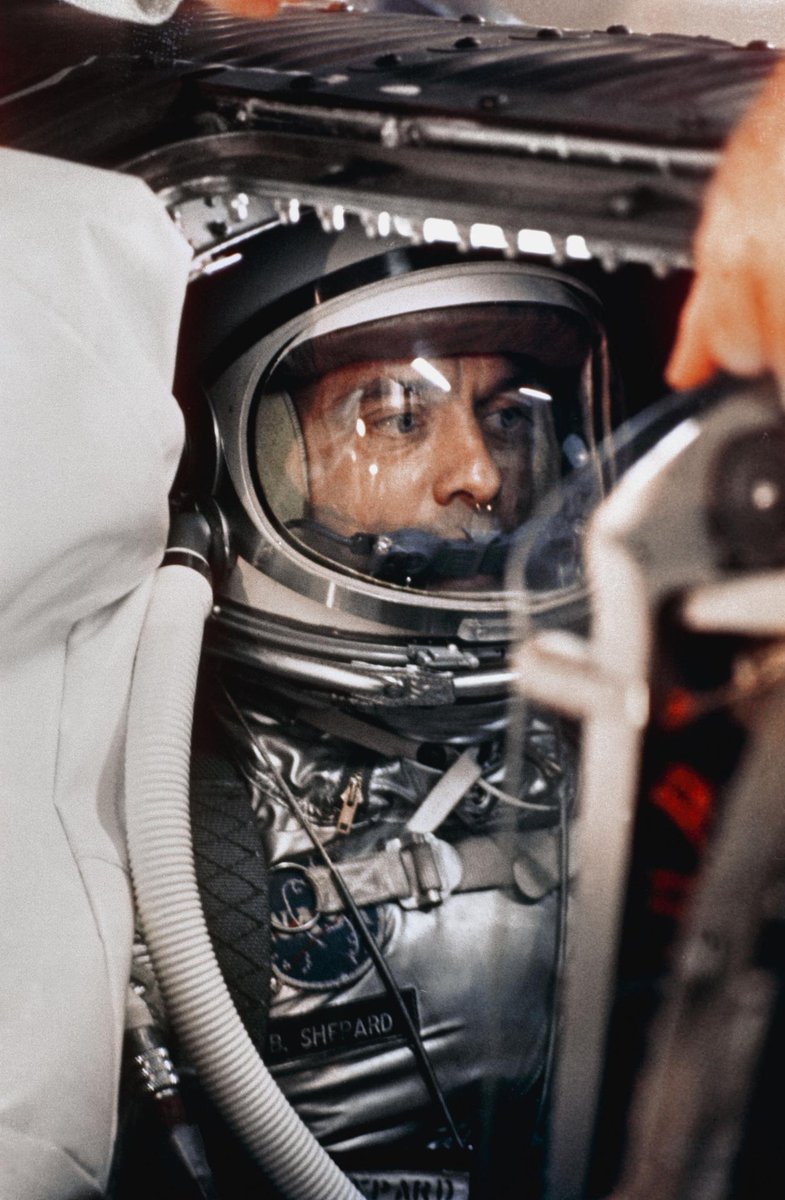
May 5, 1961: Freedom 7 soars into space with NASA astronaut Alan Shepard aboard—the United States’ first human spaceflight.
65 years later, this same pioneering spirit fuels the Artemis missions working to establish a long-term lunar presence.
Triumph turns to near disaster 60 years ago this morning
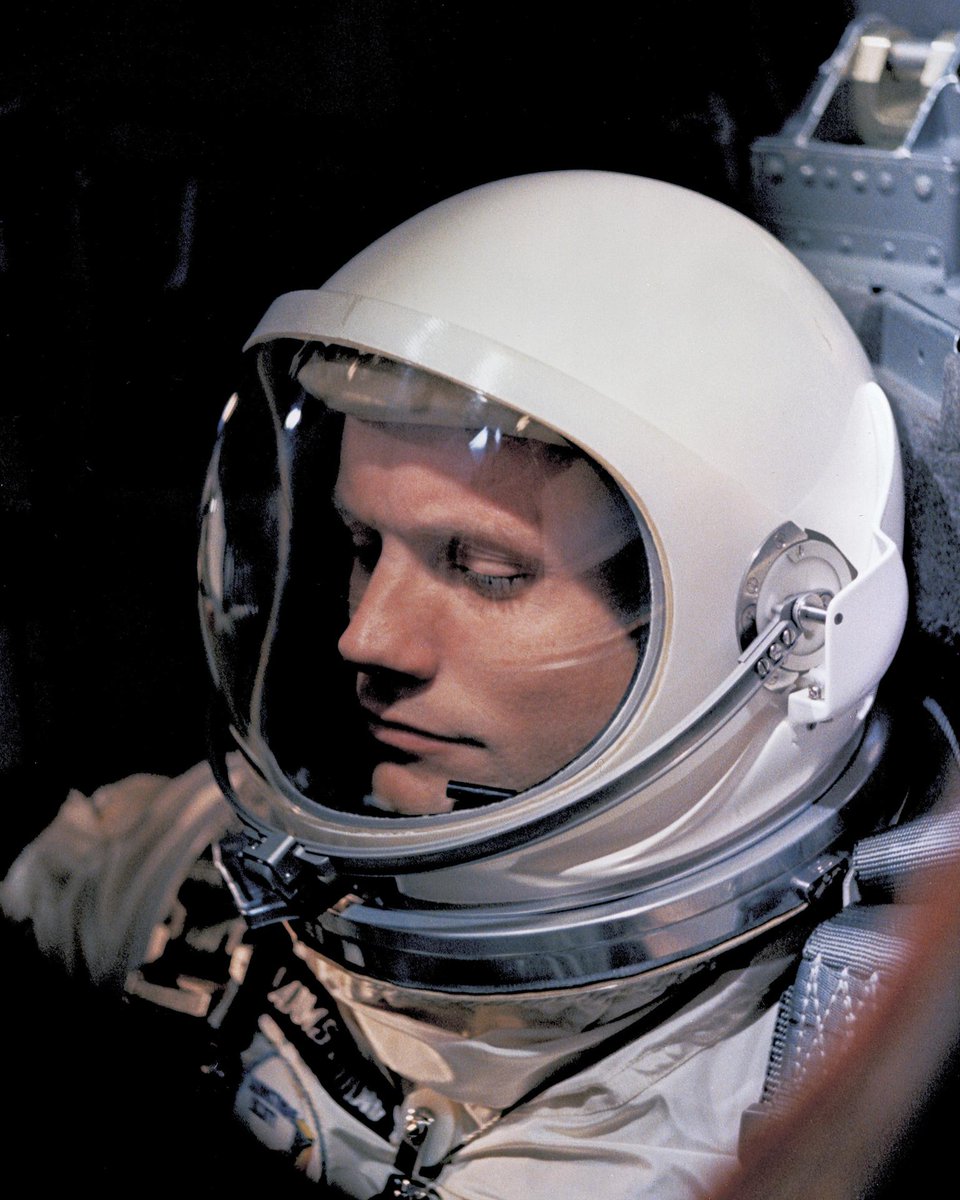
At 11:41 am March 16, 1966, rookie astronauts Neil Armstrong and David Scott launched aboard Gemini VIII. Within 6 hours, they had accomplished the first ever docking of two spacecraft in orbit. It was a milestone that the Apollo program depended on. Without proving that two vehicles could safely link up in space, there would be no Moon landing.
But 27 minutes after docking, their spacecraft began to spin uncontrollably. Armstrong and Scott found themselves in danger of losing consciousness as they spun at around 1 revolution per second. Armstrong, cool-headed under extreme duress, was able to disable the misfiring thruster and stabilize the spacecraft, saving their lives.
Today is the 100th anniversary of Robert Goddard's historic first flight of a liquid fuelled rocket. Read about Goddard's life in the current issue of Quest.
We remember Elliot See and Charles Bassett
60 years ago on Feb 28, 1966, tragedy struck the NASA family when See and Bassett's T-38 jet crashed. Assigned as the prime crew for Gemini IX, they were en route to attend a rendezvous simulation in preparation for their mission.
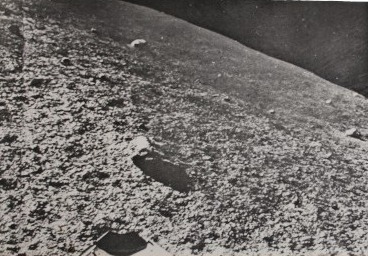
60 years ago today, the world saw the first photos taken from the surface of the Moon!
Nine images from Luna 9—the first spacecraft to survive a lunar landing—were received in Moscow Feb 4–5, 1966, but also intercepted and released by the Jodrell Bank Observatory in England.
Quest 33:1 is at the printers. It features a major article on Robert H. Goddard to mark the 100th anniversary in March of his historic first liquid-fuel rocket flight.