Why is your sales engineer checking the same equipment twice?
Same products. Same quantities. New discount.
QuoteLogic keeps the technical approval valid and routes the discount for the approval it actually needs.
Day 29 of 30 Days of @boardyai: which version of the quote did your customer actually agree to?
The buyer's copy and the seller's copy should be the same document.
The quote goes out, and then it goes into the customer's own process. Procurement marks up the terms. Legal has notes. Someone wants one line changed. What comes back is a redlined PDF, a screenshot pasted into an email and a forwarded copy with comments in the margin.
Now the seller has to work out which of those changes the buyer meant, apply them and send a fresh document. Then it happens again. By the third round, the version the buyer thinks they approved and the version in the seller's system have drifted apart, and nobody can prove which one was agreed.
Both sides are sure. Both sides have a PDF.
In QuoteLogic, the buyer's side of the revision happens on the quote itself. The customer opens the shared link with no login and no signup, and asks for a change with a note attached to the quote instead of marking up an attachment. While it's out for feedback, you can lock it so nothing changes on their end. You make the revision and decide when the new snapshot is published, and it shows up at the same link they already have.
Every version is kept as a snapshot. Once they accept, the quote goes into Salesforce, HubSpot or DealHub with its audit trail and a link to the exact snapshot they accepted.
When procurement sent back your last quote, how did you know which of their changes they actually meant?
Why is your sales engineer checking the same equipment twice?
Same products. Same quantities. New discount.
QuoteLogic keeps the technical approval valid and routes the discount for the approval it actually needs.
Did you buy quoting software or an escape room?
Pick a product. Hunt for its required parts. Call the sales engineer who knows the combination.
QuoteLogic keeps required items and linked quantities together in the catalog.
Why does building a quote still need clues?
Day 28 of 30 Days of @boardyai: does your quoting tool run your approval process, or does it just sit next to it?
"The team has always used it" won't get a tool through an audit.
A new RevOps leader starts mid-year. Their first job is to list every tool the sales team touches and decide which ones stay. There are six tools on the list. Five come with an owner and a reason. Quoting comes with a shrug and a description of the workarounds.
Ask where approvals happen and you get three answers. Ask who approved the last discount and you get a meeting invite.
In QuoteLogic, the audit has something to look at. Each quote is one object with one ID from first draft to acceptance. Approvals happen as messages on the quote itself, and every version is kept as a snapshot showing who approved what. Sellers build from a searchable catalog and a price list that admins maintain. Sign-in runs through SSO. The customer opens the shared link with no login and no signup. Once they accept, the quote goes into your CRM with its audit trail, a link to the snapshot and the quote's JSON.
If you had to defend your quoting tool in an audit this week, what would you show first?
Day 27 of 30 Days of @boardyai: what changed since you last approved this quote?
Approving a quote twice shouldn't mean reading it twice.
The seller sends it back for another look. Since the last round, a quantity went up, a line item got added and the discount moved. The approver gets the whole quote again with a note that says "small update." So they start at line one, or they call the seller, or they wait for Friday's call to sort it out with everyone else.
"Small update" is doing a lot of work in that sentence.
In QuoteLogic, approvals happen as messages on the quote itself: a question, a reply, a yes, threaded like a chat and attached to the quote it's about. When something changes, the notification shows what changed between snapshots, including added items, quantities and discounts. The next approver gets the answer and the change history together.
Once someone says yes, the customer opens the same shared link with no login and no signup, and they either accept or ask for a revision.
When your last quote came back for re-approval, how did the approver find out what changed?
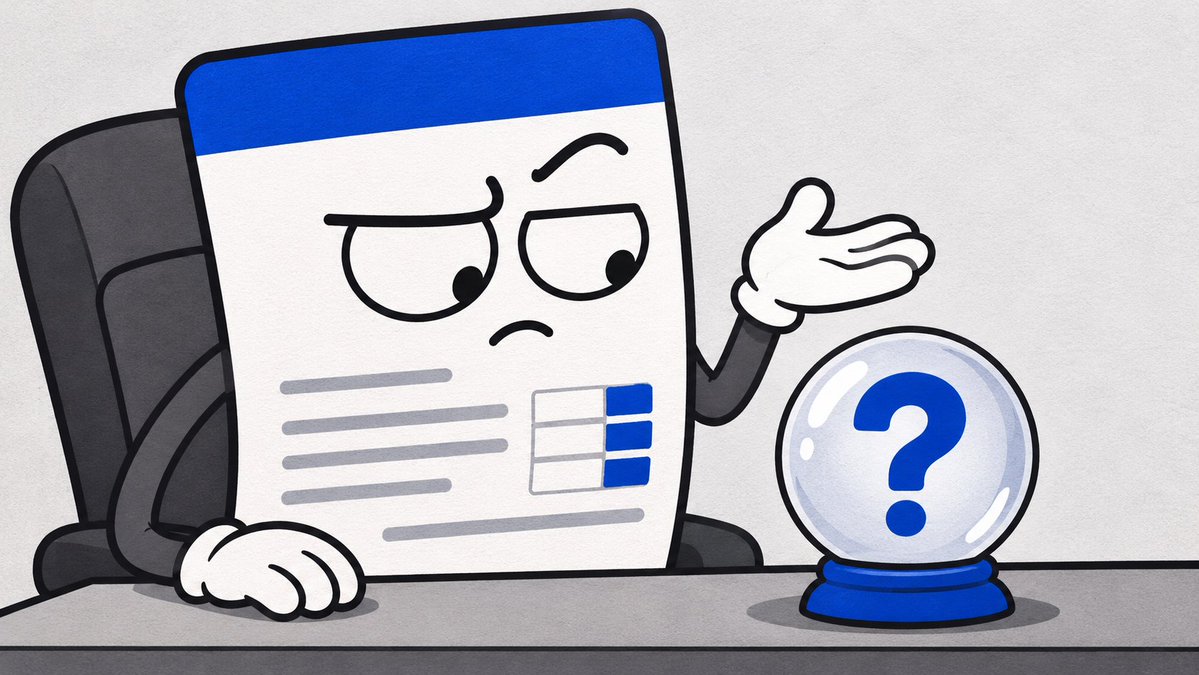
Is “psychic” in your sales job description?
You sent the quote. Silence.
Did the buyer open it? Did they miss the email? Is your follow-up helpful, or are you checking on something they haven’t seen?
Apparently, selling now requires a crystal ball.
QuoteLogic shows when the shared quote was viewed, including the view count and last-viewed time.
An open isn’t a yes. But knowing it was opened beats guessing whether it arrived.
When you follow up on a quote, do you know it was viewed, or just that you sent it?
Day 26 of 30 Days of @boardyai: who approved that discount?
If the answer lives in somebody's memory of a phone call, nobody approved it.
It's the end of the quarter, Friday at 5 PM. Six people, each making about $250K a year, spend three or four hours on the phone deciding what should be on the quote and what discount it should get. The deal goes out. By Monday, all six remember the call a little differently.
That's an expensive meeting to leave no receipt.
In QuoteLogic, every quote keeps a snapshot of every version for its whole life, including who approved what. The distributor, partner or customer opens a shared link with no login and no signup, and you can lock the quote so nothing changes on their end while it's out for feedback. Once it's accepted, it goes into Salesforce, HubSpot or DealHub with the full audit trail and a link to the snapshot.
If someone asked you tomorrow who approved the discount on your last big deal, how long would it take you to find out?
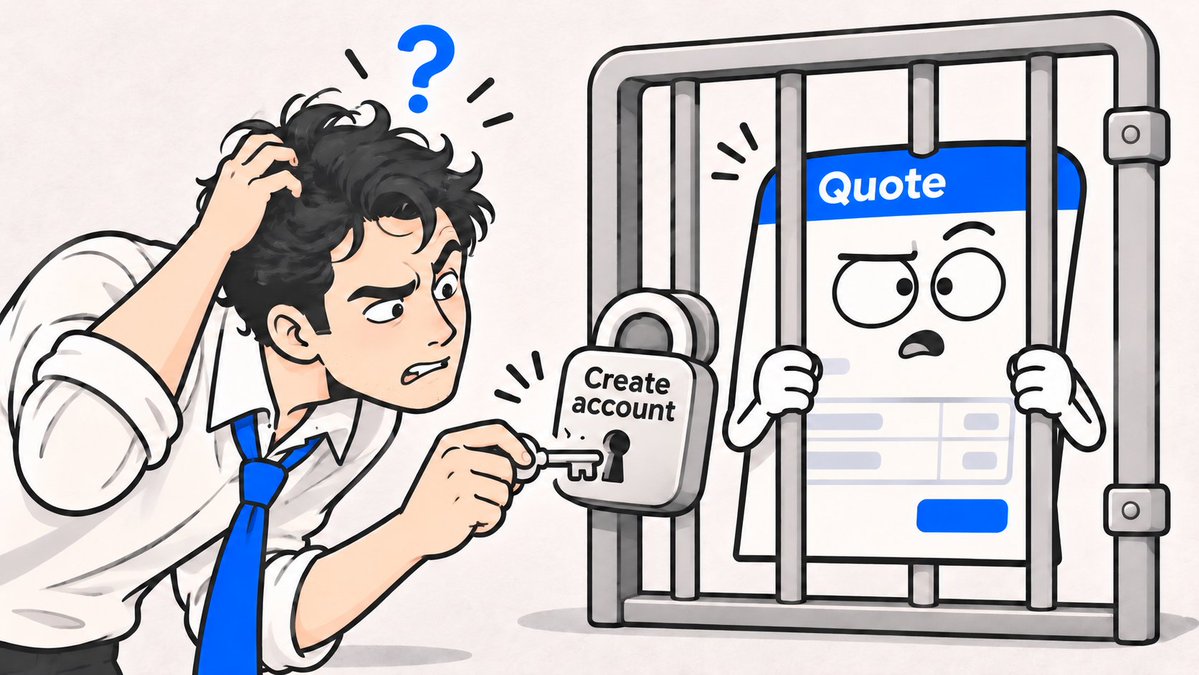
Did your buyer ask for a quote or a new password?
They click to review your price. First, create an account.
Congratulations. Your sales process now includes homework.
With QuoteLogic’s shared links, recipients can review the quote, request a revision with a note, or accept it without creating an account. Acceptance uses an email verification code.
They came to make a buying decision. Let them.
What does your buyer have to do before they can even see your quote?
@OntorWeb3 Yup. Hype doesn't close deals. Execution does. And when your quoting process creates more work than the actual sale, something needs to change.
Four quotes. One opportunity. Which number are you forecasting?
On a multimillion-dollar deal, the customer asks to add a few products. You create another quote.
Then another change. Another quote.
Now someone has to explain which quote counts and which three everyone should ignore.
Day 19 of 30 Days of @boardyai.
When every revision becomes a separate quote record, keeping the opportunity accurate becomes another cleanup job. If the wrong quote drives reporting, yesterday’s proposal becomes today’s forecast.
In QuoteLogic, the quote keeps one ID and one live link from first draft to acceptance. Add products, adjust quantities, change discounts. You’re revising the quote.
Every version is preserved as a snapshot, including who approved it. The history stays with the quote.
When the customer accepts, the accepted quote goes into your CRM with a link to its snapshot and the quote’s JSON, mapped to your CRM’s fields.
One accepted quote. One agreed number. A history you can trace.
How much of your pipeline is based on quotes nobody is selling anymore?
Day 25 of 30 Days of @boardyai: is your quote reproducing?
Your pipeline shouldn't grow just because the customer changed their mind.
The customer asks for one change. Now there's Quote_v3_FINAL, Quote_v3_FINAL_revised and a fresh opportunity in the CRM for each, and someone in sales gets to spend Friday cleaning up the duplicates.
In QuoteLogic, you share one link. The distributor, partner or customer opens it with no login and no signup. While it's out for feedback, you can lock it so nobody edits it on their end. When you revise, they see the new snapshot only when you publish it, and it shows up at the same link they already have.
The back and forth, the revisions and the version history all stay on the one quote.
How many versions of your last quote are still sitting in someone's inbox?
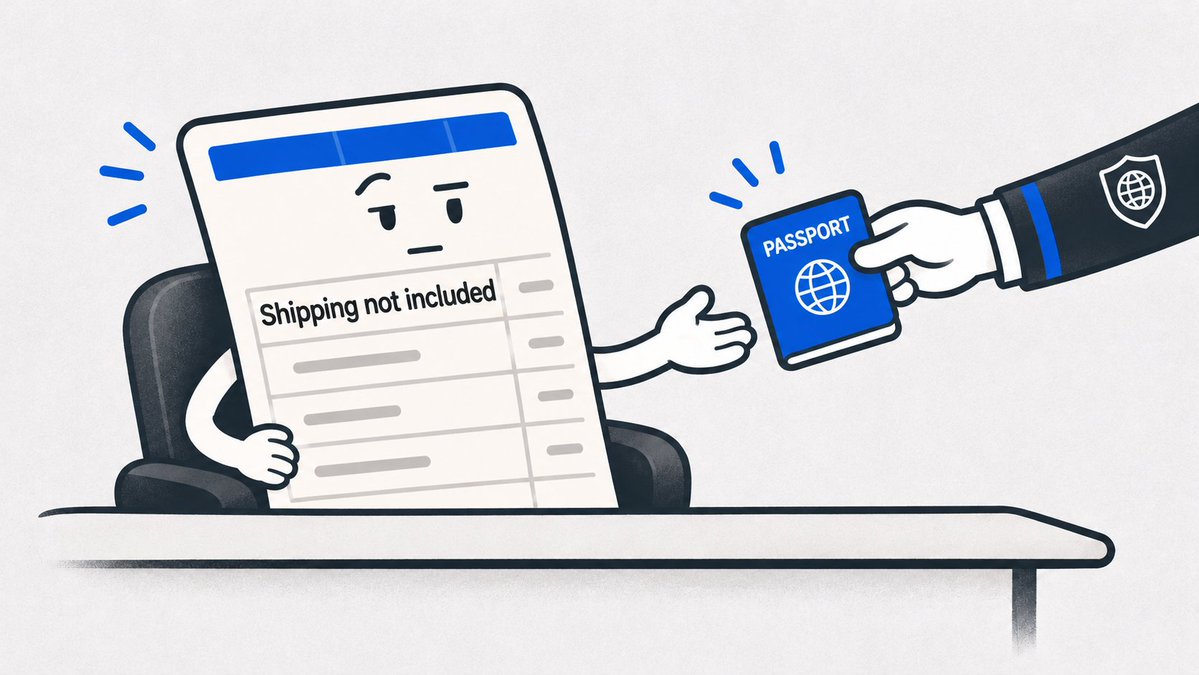
Does your quote need a passport?
The technical approver asks, “Did we include shipping?”
The seller digs through a mountain of quote emails. Opens the attachments. Checks which version is current. Finds the shipping line. Replies to someone in the thread, who opens the attachment to review and approve it, then forwards it to the next approver to do the same. And around it goes.
That little question has quite the travel budget.
In QuoteLogic, the conversation stays on the quote. Approvers message the seller in real time, and automatic system notes show what changed between snapshots, including added items, quantities and discounts.
The next approver gets the answer and the change history together.
At some point, you stopped working on the quote and started working on the email.
How many inboxes does a shipping question have to visit before your deal moves forward?