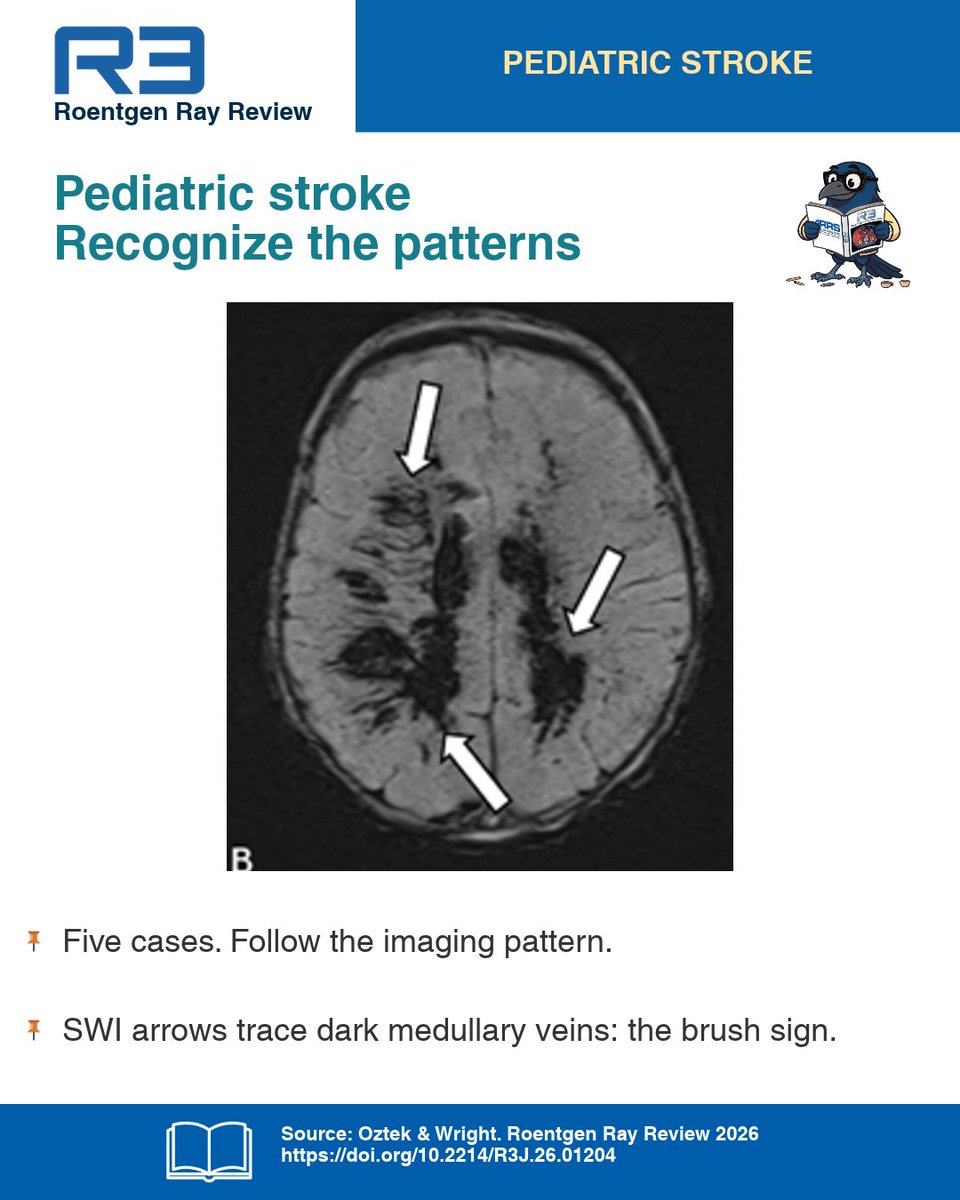
Pediatric stroke isn’t adult stroke in miniature. Five cases reveal age-specific MRI patterns of arterial ischemia, venous thrombosis, and childhood arteriopathy, along with the clues that distinguish them. https://t.co/4sKZSyV7OZ
Managing bleeding gastric varices is never a one-size-fits-all approach. A patient's prior hepatic encephalopathy and limited hepatic reserve can quickly change the optimal treatment.
https://t.co/XTcbrLnWJc
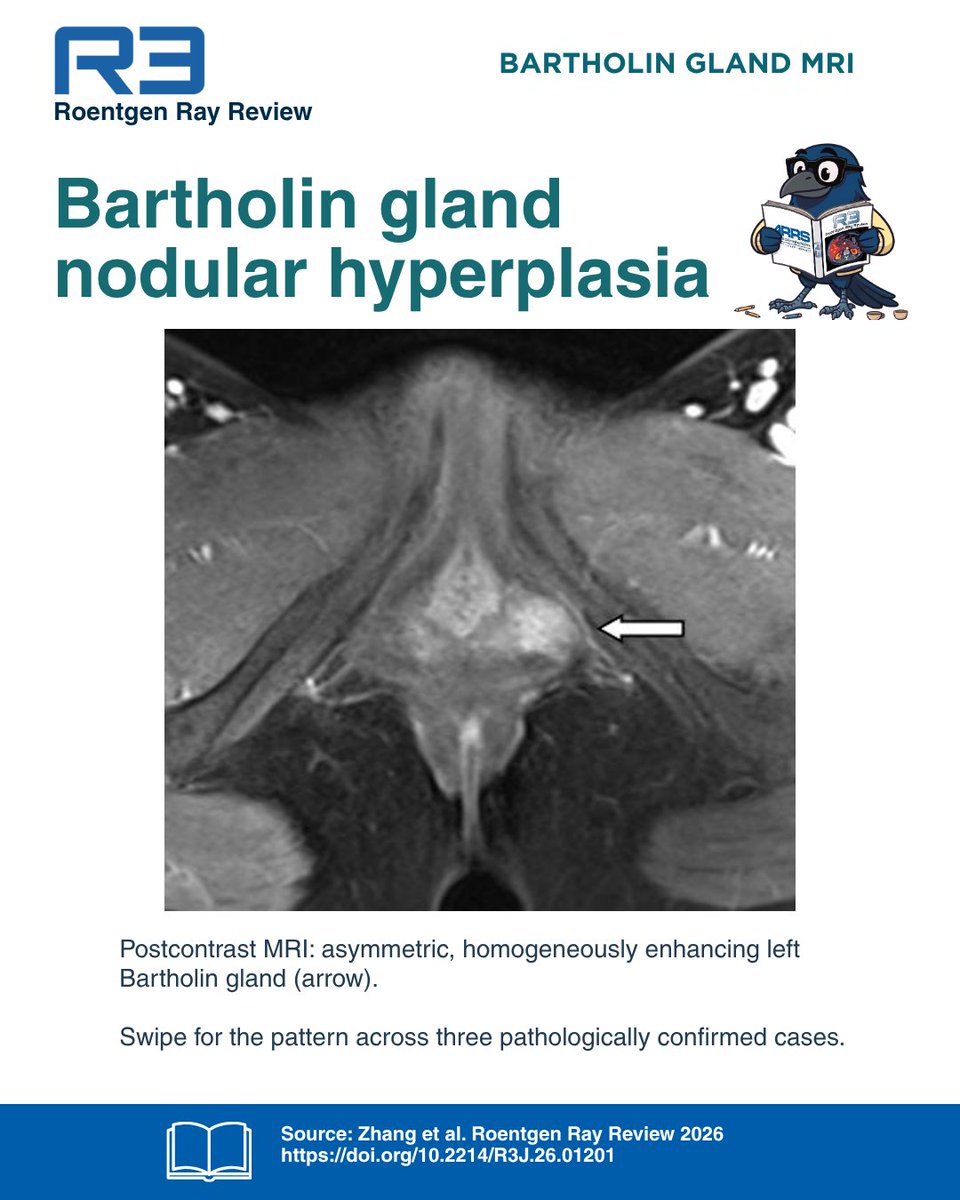
Is it a cyst or a solid lesion? Mislabeling Bartholin gland nodular hyperplasia can lead to prolonged symptoms and repeated drainage attempts.
https://t.co/rI9ZK5Uol3
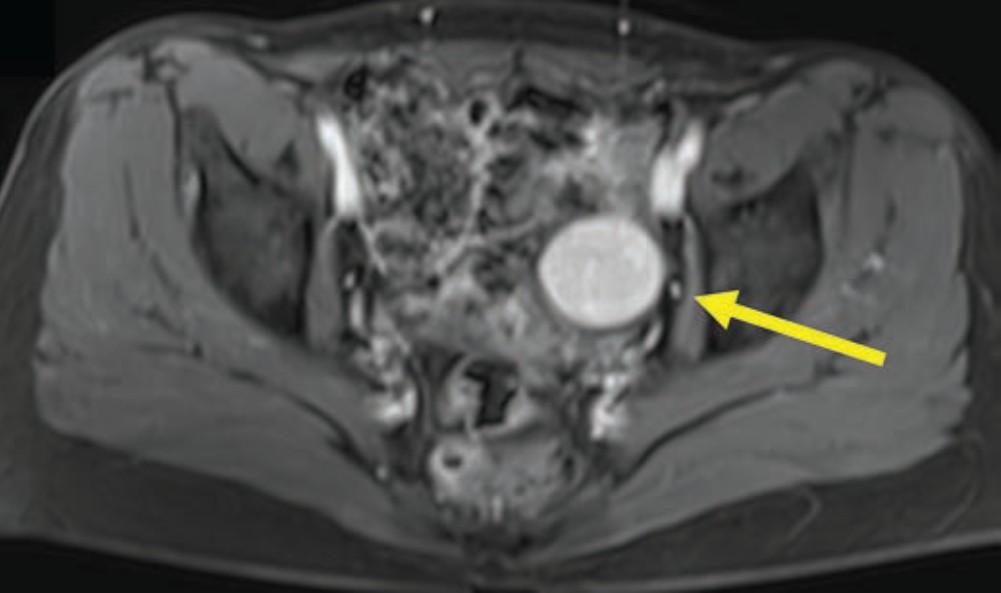
Wandering splenules are rare, but they can easily masquerade as a pelvic neoplasm. Proper recognition can spare patients from unnecessary workups and complications.
https://t.co/uO3KcrF79T
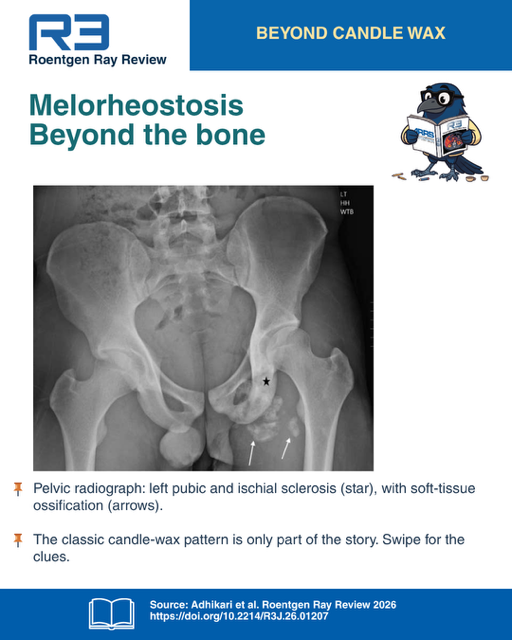
Melorheostosis is a rare benign sclerosing bone dysplasia classically characterized by flowing cortical hyperostosis, likened to melting wax dripping down a candle.
But what happens when it involves the pelvis and surrounding soft tissues?
https://t.co/LOLHcmPKpX
A tiny fracture fragment or an unexpected finding on a radiograph reminds us that the first clue may be small but its consequence is massive. The new issue of R3 explores why the smallest details often change the entire clinical picture.
https://t.co/1RUTo7goca
We are looking for an Cardiothoracic Imaging Section Editor to start in January. If you have expertise in cardiothoracic imaging & peer review experience, we want you on our team.
Learn more and apply by November 30:
https://t.co/3GmqSjnJmW
In MRI Characteristics of Bartholin Gland Nodular Hyperplasia, Jessie Zhang and colleagues describe three pathologically confirmed cases with recurring findings: low T2 signal, homogeneous enhancement, and no significant diffusion restriction. https://t.co/rI9ZK5Uol3
We are looking for an Abdominal Imaging Section Editor to start in January. If you have expertise in abdominal imaging & peer review experience, we want you on our team.
Learn more and apply by November 13: https://t.co/YScJcFf6RA
This R3 Case Series details clinical presentation, multimodality imaging, and management, while reviewing screening recommendations and uncertainties surrounding breast cancer risk. https://t.co/3kz65ieOgE
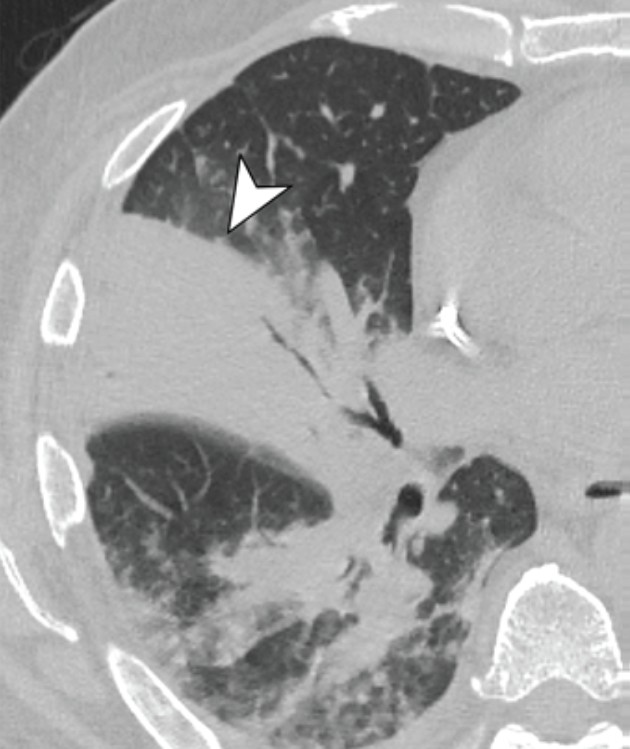
From pulmonary interstitial emphysema and the angel-wing sign of pneumomediastinum to rib fractures that should raise concern for nonaccidental trauma, review the subtle findings that may be the first indication of conditions requiring urgent action. https://t.co/utj8ouSTHT
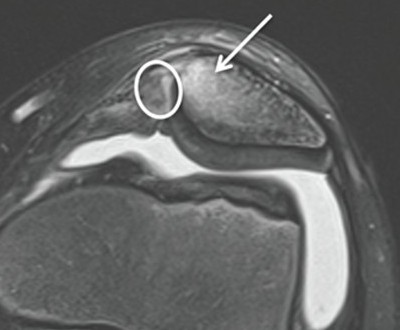
When a patient presents with acute joint pain, yet no obvious cortical break, the true injury might be hiding in plain sight—whether as a subtle subchondral impaction or an avulsion fragment signaling soft-tissue damage. https://t.co/UUdix4xipp
In Imaging Approach to Acute Lung Diseases, Drs. Jonathan Liu and Brett Elicker explore the critical role of CT when chest radiography and clinical assessment are discrepant or unrevealing. https://t.co/yvEnsyxkSS
From new masses in the lumpectomy bed to enhancing abnormalities along the reconstructed breast, read Multimodality Imaging of the Treated Breast by Motaz Daraghma, MD, et al., to recognize the varied imaging patterns of breast cancer recurrence. https://t.co/eUdfbGV4D2
This R3 Clinical Practice Challenge with CME credit looks at the nuances of immediate and long-term hemostatic control—examining how treatment strategy depends on a patient's anatomy, baseline function, as well as the extent of underlying disease: https://t.co/5PH7YMU9Zi
A pelvic mass with a wandering identity. Discover how mobility, a long vascular stalk, and spleen-like enhancement help distinguish a wandering splenule from a neoplasm. https://t.co/ez3beLVJo8
A rare breast MPNST in a 19YO woman with NF1 highlights the importance of rapid growth and clinical history—even with deceptively benign imaging. https://t.co/vOiTyo0Acf
Take your journal experience further with our new commenting feature, now available to all ARRS members on R3 articles. Share your thoughts, ask questions, and engage directly with authors and your peers today.