Our article reviewing radial access procedures in patients with Raynauds phenomenon published today - this is an important issue for all operators
Thanks to first author Dr Shamkhani and to our multidisciplinary coauthors
https://t.co/HLjPPPJyeB
Castle Course, St Andrews, Scotland, 2008 David McLay Kidd
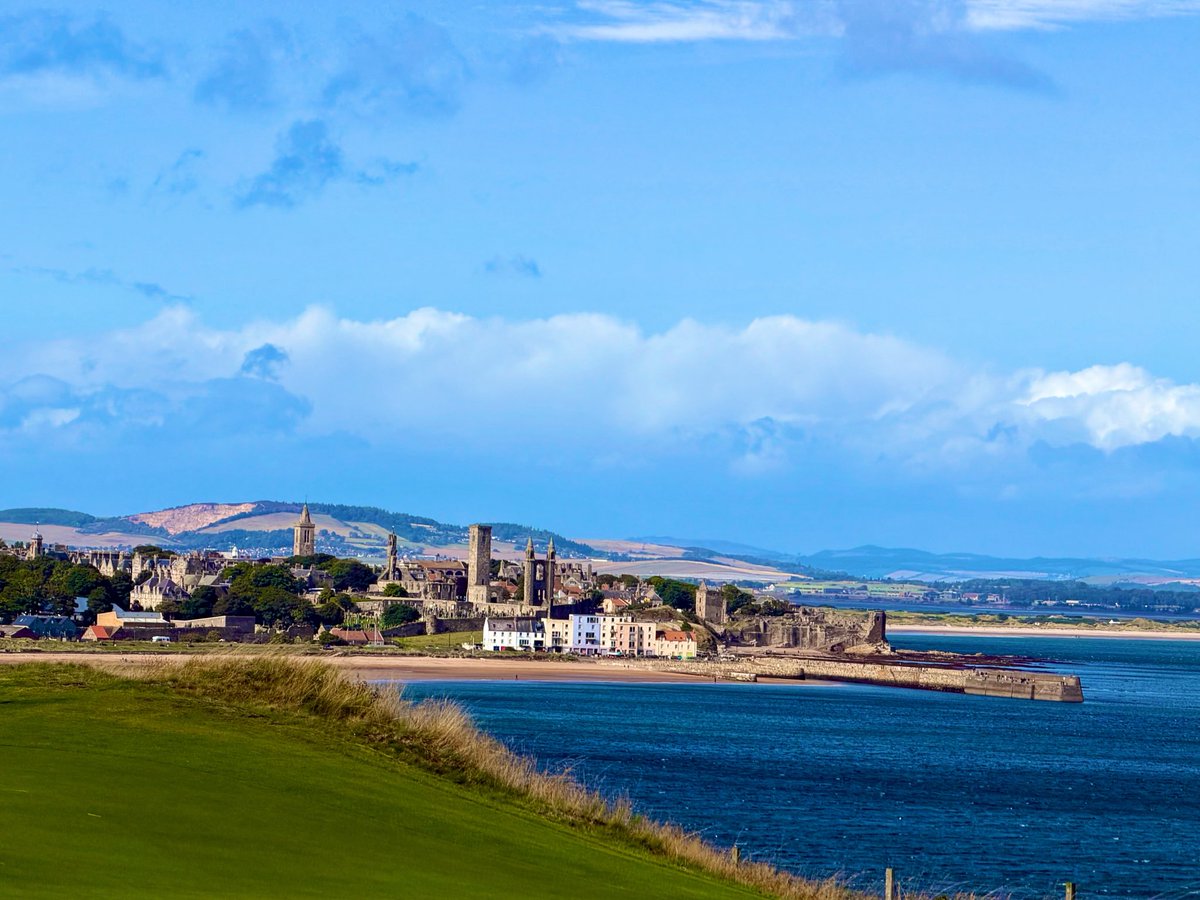
Catching up on some posts from my Sept Scotland trip, the Castle Course of St Andrews was a new to me, first time playing. Located just south of the city, the views might be the best of any course in the area. Simply stunning scenery. The course is a modern interpretation of Scottish seaside golf, built on elevated coastal farmland overlooking St Andrews Bay and the North Sea.
Rather than following the classic Old Course/classic links pattern of playing outward and returning along a relatively narrow strip of land, the Castle Course circulates through its elevated property, repeatedly changing direction and exposing golfers to different winds. Extensive earth moving was done to create this modern links course.
The fairways feature large, irregular mounds and ridges that create uneven stances with significant changes in elevation, producing blind and partially obscured shots. The landing areas are very sloped and influence both the bounce and the direction of the golf ball as the conditioning is incredibly firm and fast. The bunkering is rugged, deep, and visually imposing. Unlike the relatively small pot bunkers commonly associated with traditional links, many Castle Course bunkers are integrated into large artificial landforms.
The green complexes are arguably the most distinctive and controversial elements of Kidd's design. They feature extraordinarily bold internal contours, including substantial slopes, ridges, shelves, and collection areas.
In some locations, relatively small errors in approach-shot positioning could produce exceptionally difficult recovery putts or chips. They are my only complaint of the course. Just a little too severe of contouring in my opinion.
All in all I would describe the Castle Course as a bold, visually spectacular, modern interpretation of Scottish links golf, rather than an authentic traditional links course.
Its greatest achievement is the transformation of relatively ordinary farmland into a memorable golfing landscape with an exceptional coastal finish. After a couple holes, I threw out all ideas of trying to score and just had fun with what the course presented. The winds were blowing 25+ mph so playing the ground game was even more fun.
I highly recommend adding the Castle Course to your St Andrews itinerary. The views of the town, the North Sea, and the visually stimulating course features along with just being a fun golf course, make it a must play.
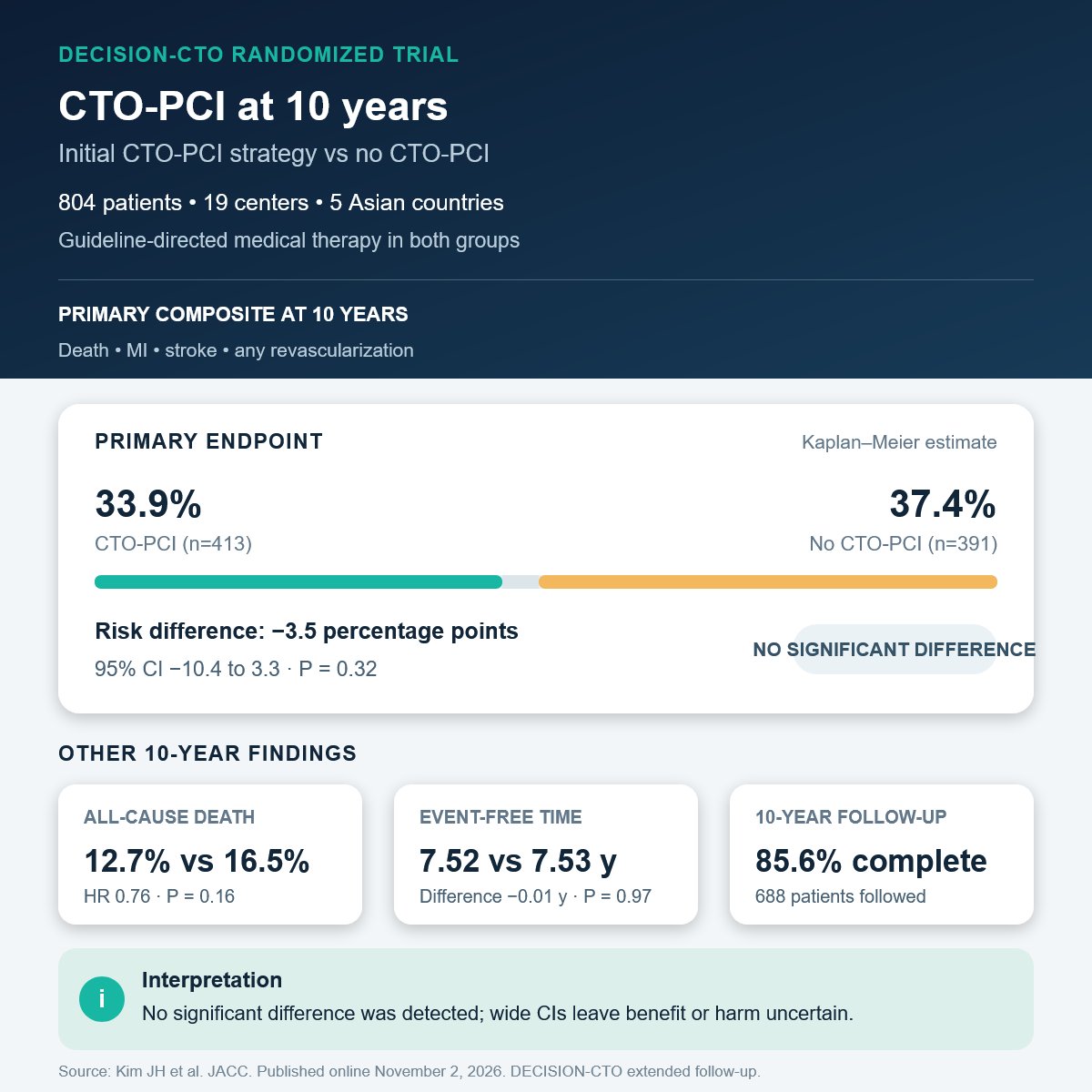
At 10 years, the DECISION-CTO RCT found no difference for MACE with an initial CTO-PCI strategy vs no CTO-PCI, and the same applied to mortality alone. Is this the last nail in the coffin for CTO PCI? #CTO#PCI#TCT https://t.co/KuNaj0Oo3n
I just reviewed the PCI report, the Cardiologist predilated the proximal LAD with a 2.5 mm balloon at nominal pressure, then put a 3 mm DCB, claims to have used IVUS guidance, there is no way a NC 2.5 mm POBA at nominal pressure will adequately prepare a proximal LAD for DCB.
A Photographer’s Paradise 📸
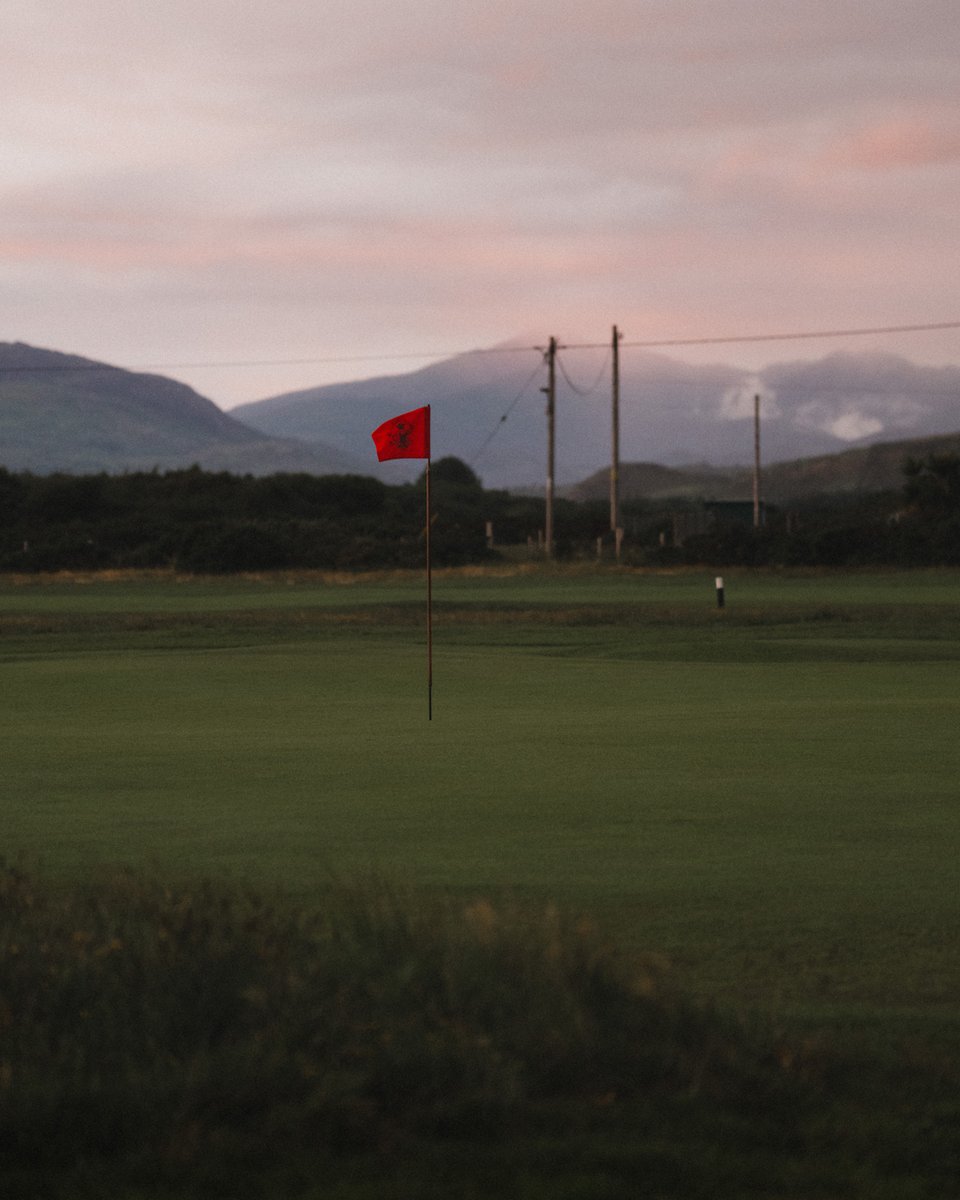
From the links and dunes to Harlech Castle, the mountains beyond and the quieter details around the clubhouse, there’s no shortage of inspiration at Royal St David’s.
A few of our favourite frames from around the club.
ESC… mixture of PAF & persistent…no advantage of PVI versus sham procedure. High time for a rethink about AF ablation therapy delivery? We need to know properly about who may benefit using quality research & reduce delivery as it currently is pursued.
No free lunch. In our meta-analysis, now published in JAMA Cardiology, transcatheter left atrial appendage closure (LAAC) was associated with similar long-term risks of any stroke and major bleeding compared with oral anticoagulation in patients with atrial fibrillation, while increasing the risk of ischemic stroke and reducing the risk of nonprocedure-related major bleeding.
Article: https://t.co/3Sy1RGpCze
Editorial: https://t.co/4w8xc31xZ2
Great analysis of #CHIPBCIS3 hemodynamic substudy,
The longer and more extensive revascularization you do in the same setting, the worse the outcomes!
I never bought into the narrative of "if you have MCS in place, complete revascularization in the same setting"
I have always believed staging is the correct way to complete revasc for many reasons, now I have an additional one.
Debunking debulking
DUAL-PREP OCT by Sotomi and colleagues highlights one of the oldest assumptions in complex PCI. Atherectomy produces remarkably little visible calcium fracture and removes relatively little calcium. So what is its principal role if not debulking. Mechanical priming? PREPing calcium for fracture and expansion?
📖 Editorial: https://t.co/8S4krZ97p9
📖 DUAL-PREP OCT substudy: https://t.co/chwirf4vaM
A pleasure collaborating with @HirofumiOhashi@KoshiroSakai_MD.
Congratulations to Yoshinobu Sotomi and colleagues on an elegant mechanistic study.
@OPCILive@StFrancis_LI@SVRaoMD@CircIntv
#PCI #OCT #IVL #Atherectomy #CoronaryCalcium
Although once a GP, Lyn did not recognise #aorticstenosis in himself. When an investigation showed he had heart disease he was worried, but nowadays barely remembers he even had a procedure. Read his story: https://t.co/t2pLDHkeVk
#patientvoice#heartvalvedisease#patientstory
The result surprised us.
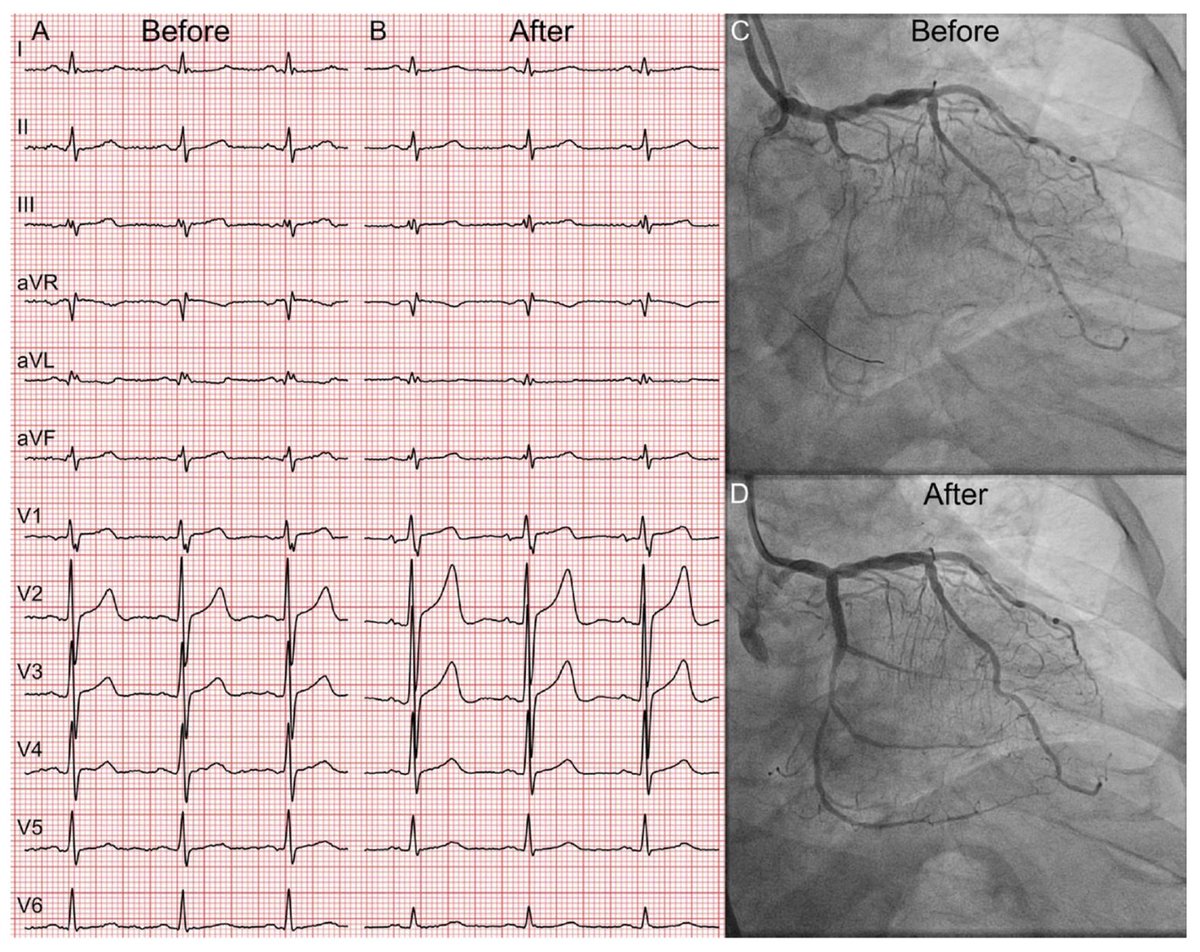
Aside from a very small short-term difference in QT dispersion, successful #CTO#PCI did not produce durable improvements in #ECG markers associated with ventricular arrhythmia risk.
This held true across multiple analyses.
Jürgen Klinsmann: “There were 70,000 people, we were warming up seriously. While ‘Live Is Life’ was playing, Maradona started juggling the ball. We stopped warming up, because there was nothing more we could do except watch him.”