📢 Call for Applications: RATT–SARAO Commissioning Postdoc Fellowships
Now inviting applications for postdoc fellowships focused on the commissioning and science verification of MeerKAT+.
📅 15 Aug 2026
For full details and application info, visit:
🔗 https://t.co/nCLYrXfP5y
✨ Participation is completely free.
💫 No prior astronomy knowledge is required, learners of all experience levels are encouraged to apply.
📅 Application deadline: 31 July 2026
📝 Register here: https://t.co/iYqy3DTBMp
See the poster for more details
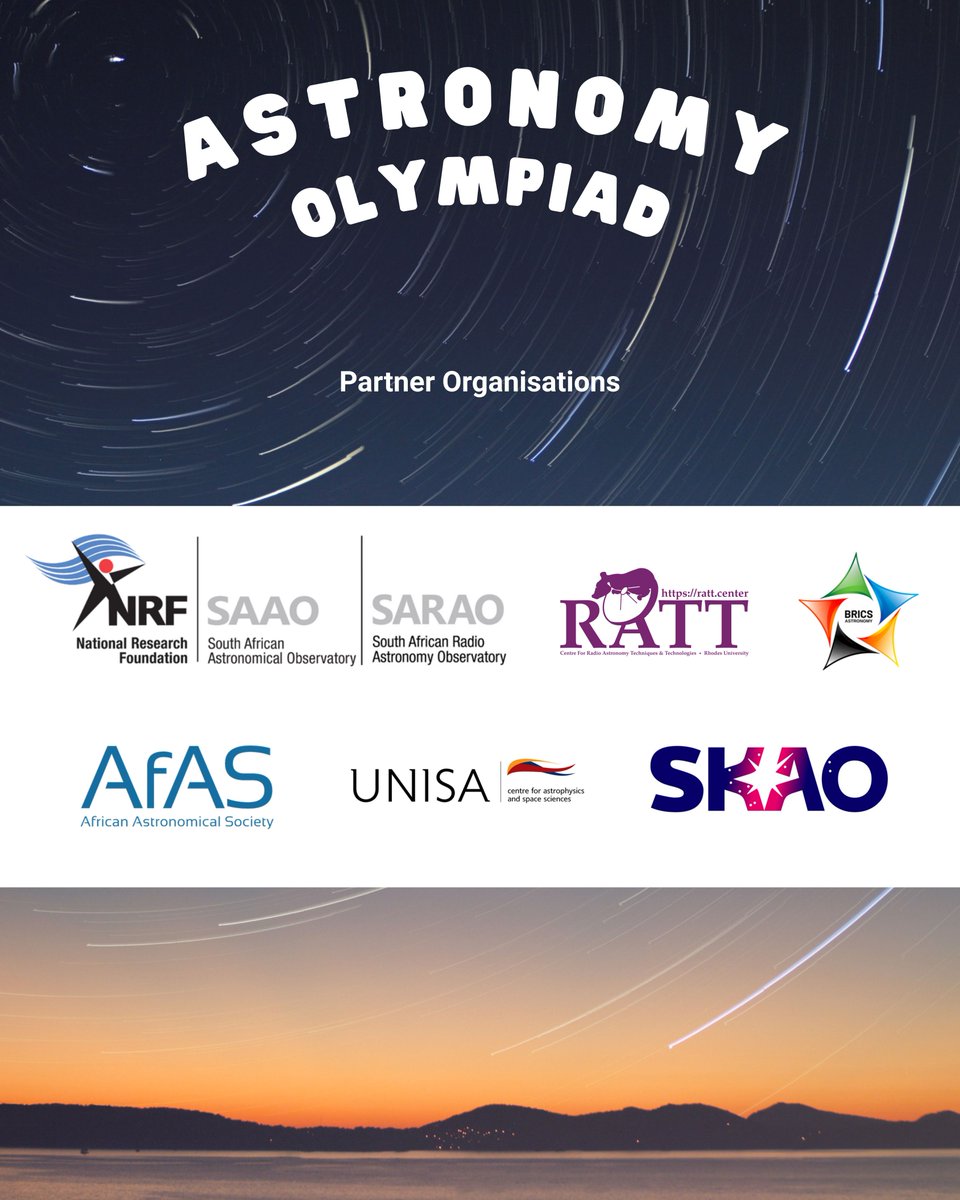
🔉 Call for applications: Astronomy Olympiad Programme
Do you know a grade 8, 9, or 10 learner who is curious about the Universe? 🌌
Register for the Astronomy Olympiad Programme and explore the exciting world of astronomy and astrophysics!
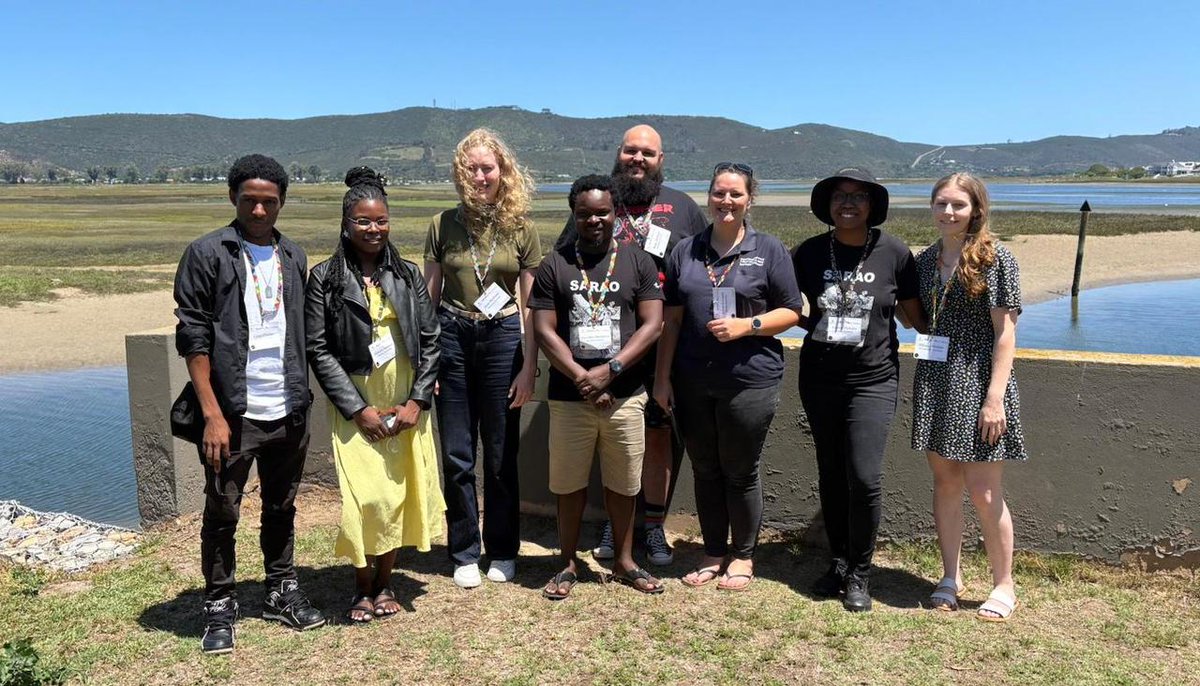
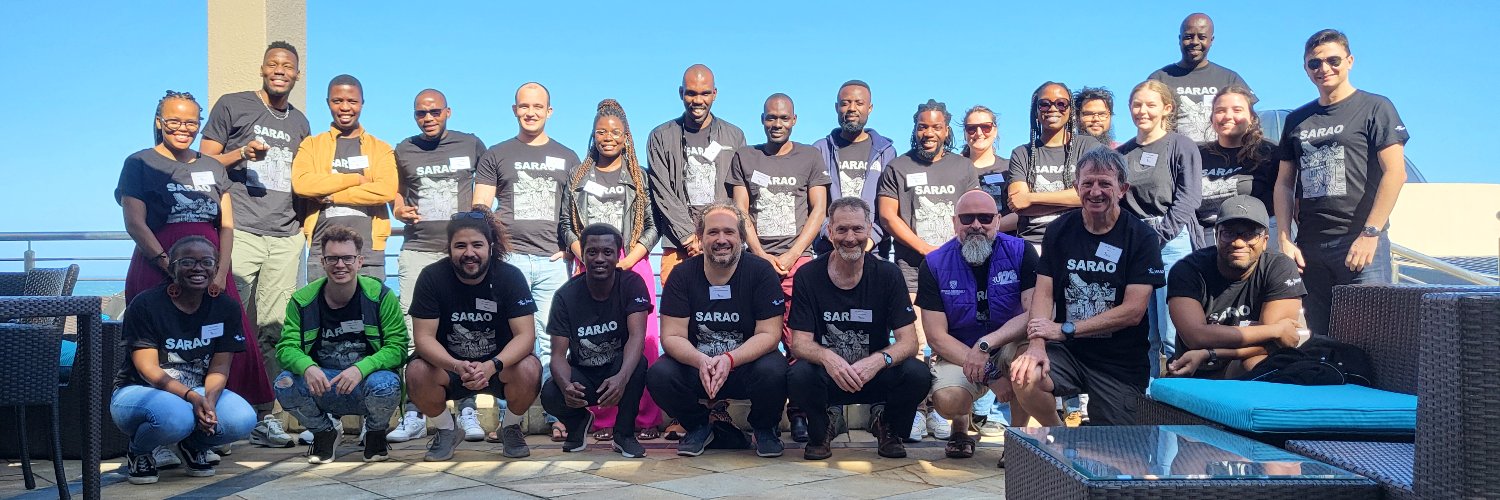
The “On the Road to the SKA” workshop (2–6 Feb 2026, Knysna) united 24 students from 15 institutions across 8 countries (majority women), led by @Rhodes_Uni, University of Western Cape & EPFL. Supportedby @SKA_Africa, IDIA, SNSF.
Ever wondered what “listening to the Universe” actually looks like?
The second MeerKAT Galaxy Clusters Legacy Survey (MGCLS II) catalogue has been released! The research team mapped 115 clusters and identified 60 previously unknown structures, significantly advancing our understanding of the growth and evolution of the Universe.
A benchmark dataset, built in South Africa, now informing global cluster science.
@RATTiverse
Read more: https://t.co/rh5d44Rtfg
Calling all early career scientists! The NSF NRAO invites applications for the 2026 Jansky Fellowship Program.
🚨 Application Deadline is October 22, 2025 at 11:59 pm EDT 🚨
Details and apply: https://t.co/eIeGsKxNAr
Congestion and pollution in Earth orbit is quickly getting worse. We need to be able to quantify how our behaviour will impact the orbital environment in the future...
https://t.co/AG66U1ufwL
Did you know that signals from radio telescopes located on different continents can be combined to simulate a single, enormous telescope with extraordinary resolution?
This technique is known as Very Long Baseline Interferometry (VLBI).
This intensive, hands-on programme focused on equipping ECRs & students, particularly from Africa, with practical skills in radio astronomy, data reduction & analysis. Participants worked with real data from world-class facilities such as HartRAO, MeerKAT, the VLA, and VLBI.
From 29 September to 3 October 2025, our master’s student Bívar Chavango participated in the 6th IUCAF School on Spectrum Management for Radio Astronomy, hosted at the Yebes Observatory, Madrid, Spain.
Without proper regulation, competing transmissions would interfere, causing degraded signals, and service failures.
Spectrum management is like the real-life “Guardians of the Galaxy.” By protecting our skies from interference, we ensure the radio sky stays open for exploration.