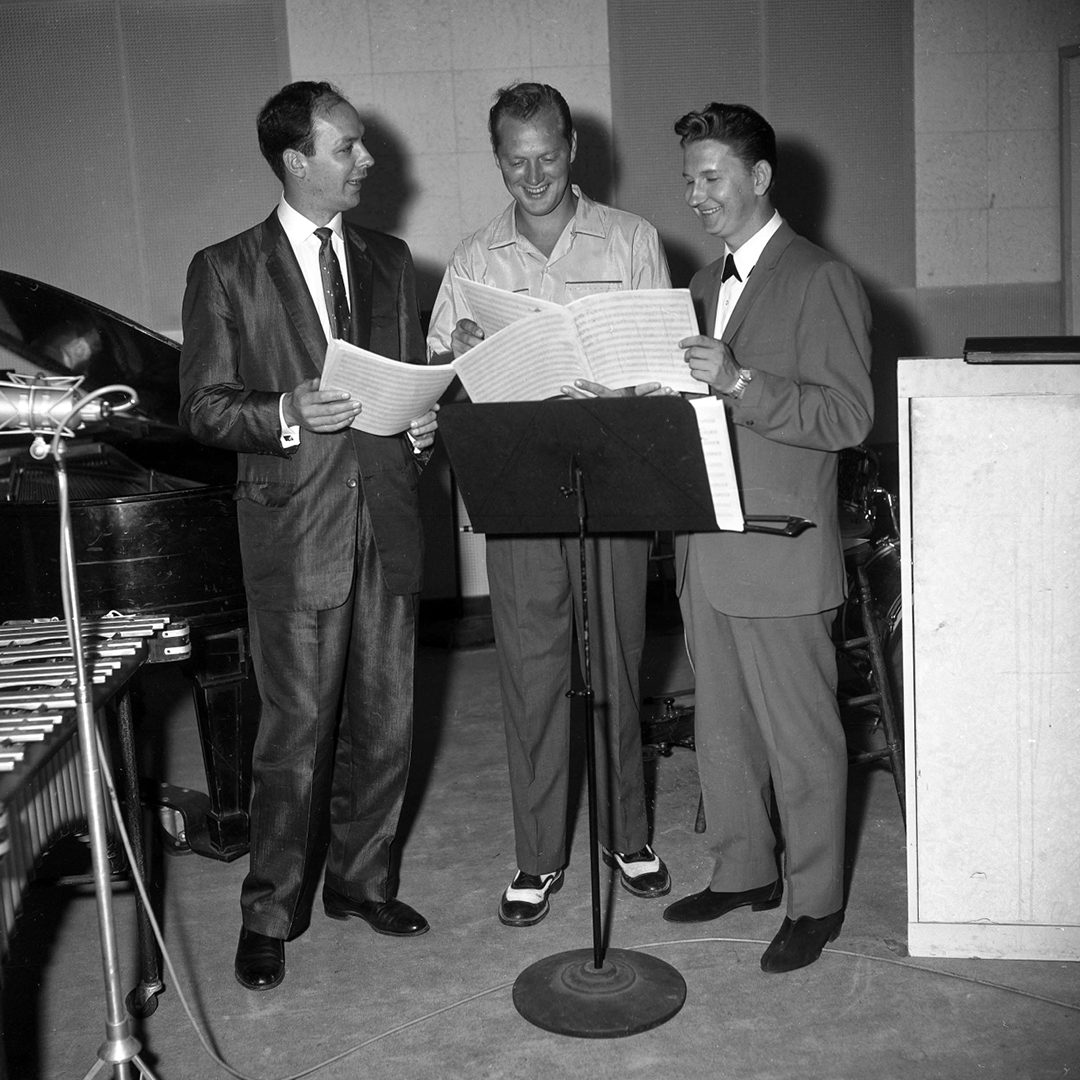
Felton Jarvis and Nat Stuckey both found success away from the spotlight. Jarvis produced a run of Stuckey’s RCA albums in the late 1960s and early 1970s that yielded some hit records. Pictured: Felton Jarvis (right) and Nat Stuckey (seated) at RCA Studio B.
Is anybody goin’ to Music Row? Among the songs Country Music Hall of Fame member Charley Pride cut at RCA Studio B is his 1970 chart-topper “Is Anybody Goin’ to San Antone,” written by Dave Kirby and Glenn Martin, and produced by fellow Hall of Fame member “Cowboy” Jack Clement.
Often credited with introducing Cajun music to mass audiences, Louisiana-born brothers Doug and Rusty Kershaw cut several hard-hitting, Cajun-flavored songs at Studio B, including 1961's "Louisiana Man," a No. 10 country hit, and "Diggy Liggy Lo," which went No. 14 that year.
Take home a piece of history. Stop by The Museum Store at the Country Music Hall of Fame and Museum and shop Historic RCA Studio B merchandise.
Shop in person or online: https://t.co/MWgeyJu2Gc
Hugh X. Lewis scored a chart hit with “What I Need Most” from 1964 and wrote “B.J. the D.J.,” a No. 1 hit for Stonewall Jackson. He also appeared in a handful of films and hosted a television show from his bar in Nashville’s Printer’s Alley.
Roy Orbison recorded "Love Hurts" at RCA Studio B in 1961, though with a much different flavor than the Everly Brothers' original. The Boudleaux Bryant-penned song has been recorded by numerous artists, including hard rock band Nazareth, who took it to the Top Ten in 1976.
A large portion of country music history was made inside RCA Studio B, which was built of concrete blocks in 1957 by Nashville businessman and real estate developer Dan Maddox at 800 17th Avenue South, now 1611 Roy Acuff Place, in an area now known as Music Row.
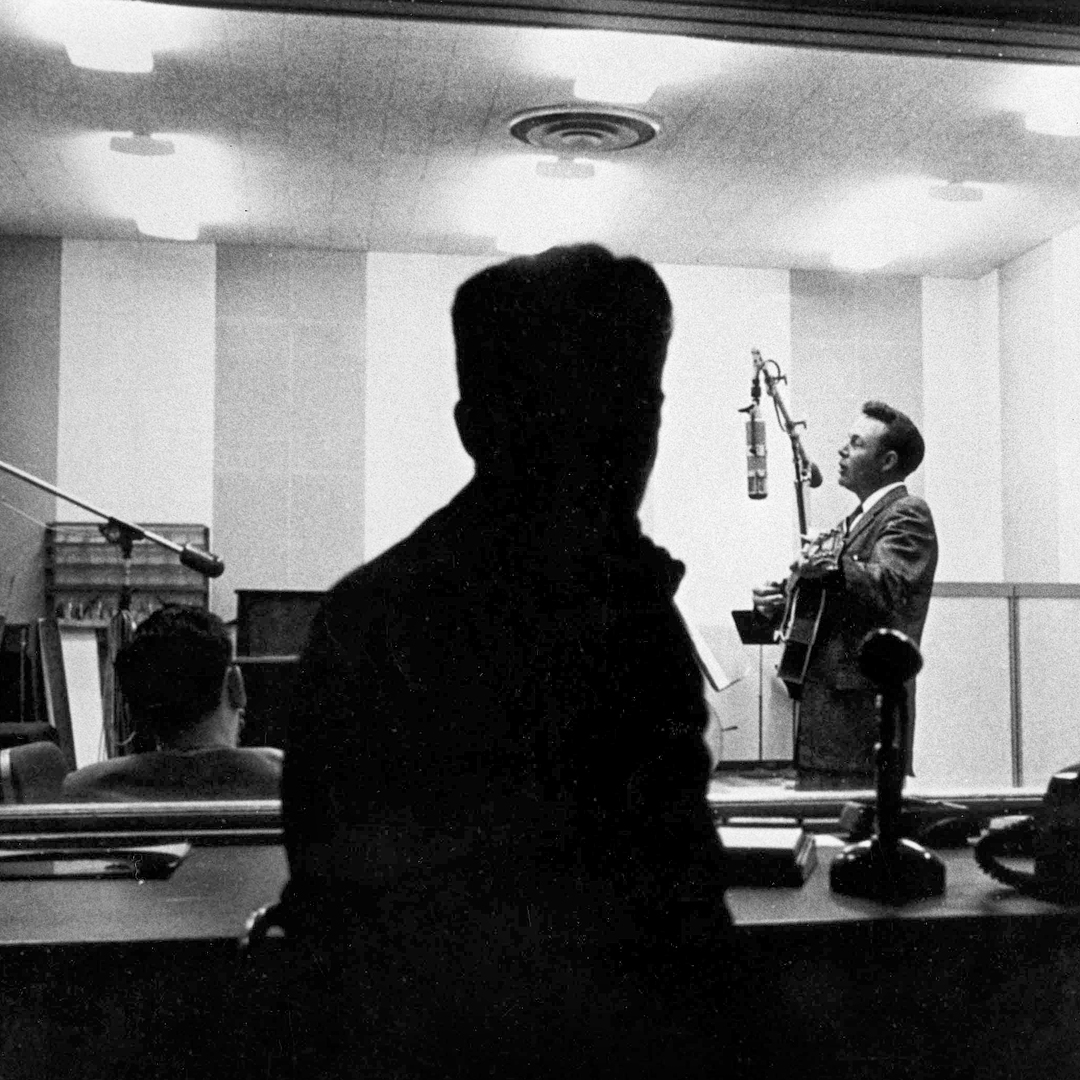
Ferlin Husky, seen here recording at Studio B, was a versatile entertainer whose hits included the Jean Shepard duet “A Dear John Letter” and the solo cuts “Gone” and “Wings of a Dove.” He was elected to the Country Music Hall of Fame in 2010.
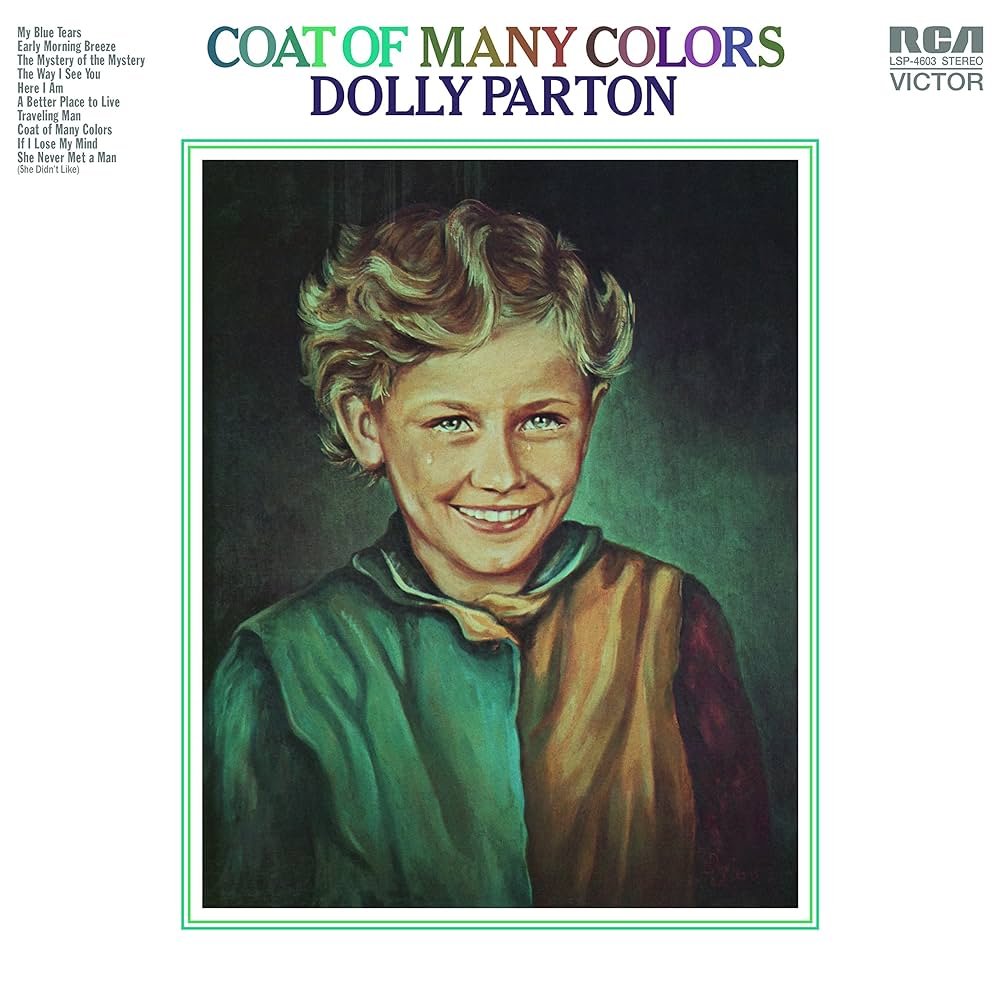
In spring of 1971, @DollyParton visited Studio B to record "Coat of Many Colors." Even before its official release later that fall, the song was already a fan favorite. Parton had regularly performed the song live and even cut a version as early as 1969.
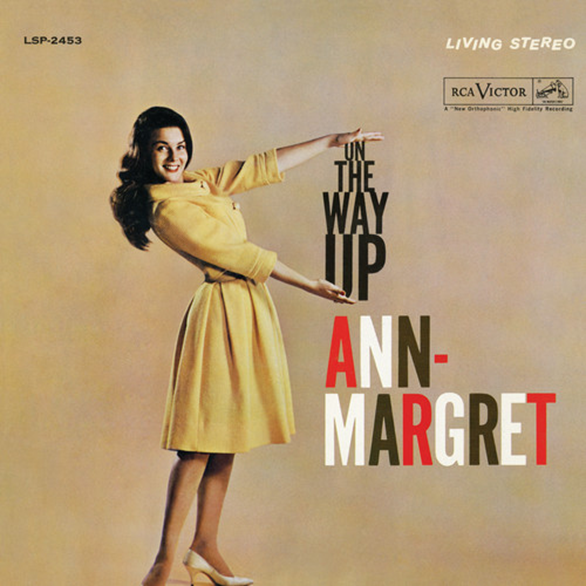
When Ann-Margret burst into show business with a sultry voice and high-octane stage presence, critics dubbed her “the female Elvis.” To capitalize on the comparison, she cut her 2nd album, "On the Way Up," at RCA Studio B using the same musicians and production team as Presley.
During a golden window, from 1957 to 1977, artists flocked to RCA Studio B to record what are now considered some of the greatest songs of all time. Each left their fingerprints, along with their melodies and harmonies, heartbreak and healing.
In 1983, Jerry Reed and Waylon Jennings sat down for a television interview to talk about the importance of RCA Studio B, which had by then become a historic site, operated by the Country Music Hall of Fame and Museum.
By the mid-1960s, @WillieNelson had yet to achieve commercial success. On "Country Willie: His Own Songs," Chet Atkins pushed him toward a broader audience, but it wasn’t until Nelson left Nashville, returned to Texas, and embraced his now-signature sound that he broke through.
Monument Records Fred Foster had fond memories of RCA Studio B.
“I was lucky enough to produce quite a few hits there, including Roy Orbison’s early 1960s hits, some of which became international best-sellers. So, I have happy memories of RCA Studio B. I think it’s magical.”
Little Richard derived some of his sound and style from a singer and pianist named Eskew Reeder, who took the moniker Esquerita and cut a series of raw, hard-driving sides at RCA Studio B. Pictured: Esquerita (center) at Studio B with Ken Nelson (right) and an unidentified man.
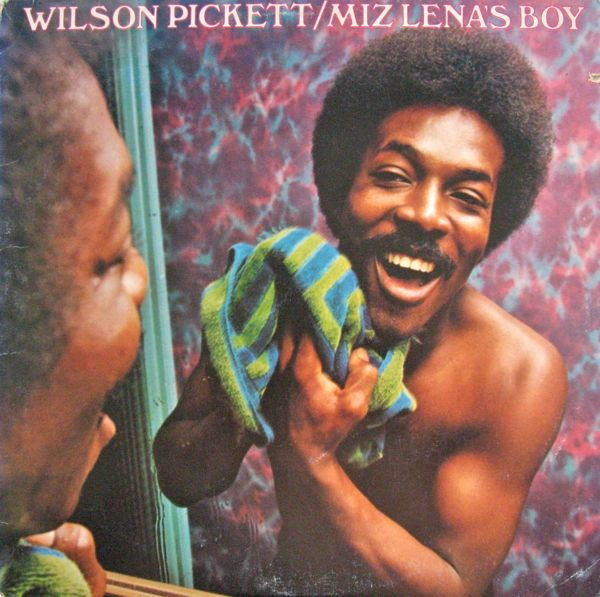
Recorded at RCA Studio B, Wilson Pickett's album "Miz Lena's Boy" (1973) didn't achieve massive commercial success, but it produced two chart hits —"Take a Closer Look at the Woman You’re With" and "Soft Soul Boogie Woogie"—and is considered by some a hidden gem in his catalog.
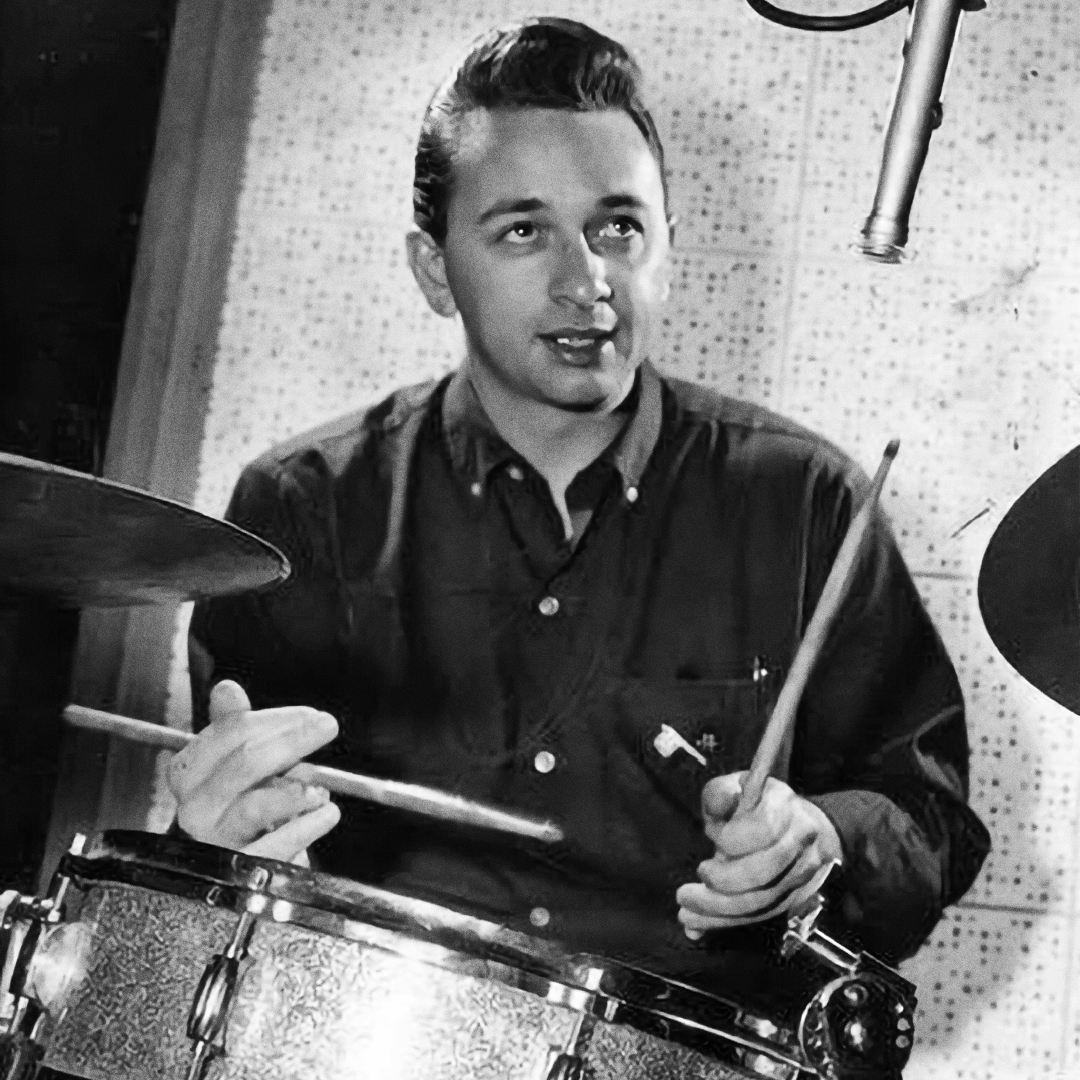
Nashville native Buddy Harman was a first-call drummer who played on many recording sessions at RCA Studio B, including the one that produced Roy Orbison’s “Only the Lonely,” a No. 2 pop hit on the "Billboard" Hot 100 in 1960.
In 1963, RCA released Jim Reeves’s only holiday album, “12 Songs of Christmas,” a mix of seasonal hymns and standards. In its original 1962 version, the album only had eleven songs and first came out in South Africa.
In May of 1971, RCA Studio B was decorated for an early Christmas. @ElvisPresley recorded his second and final Christmas album, "Elvis Sings The Wonderful World of Christmas,” featuring the now-classic "Merry Christmas Baby."
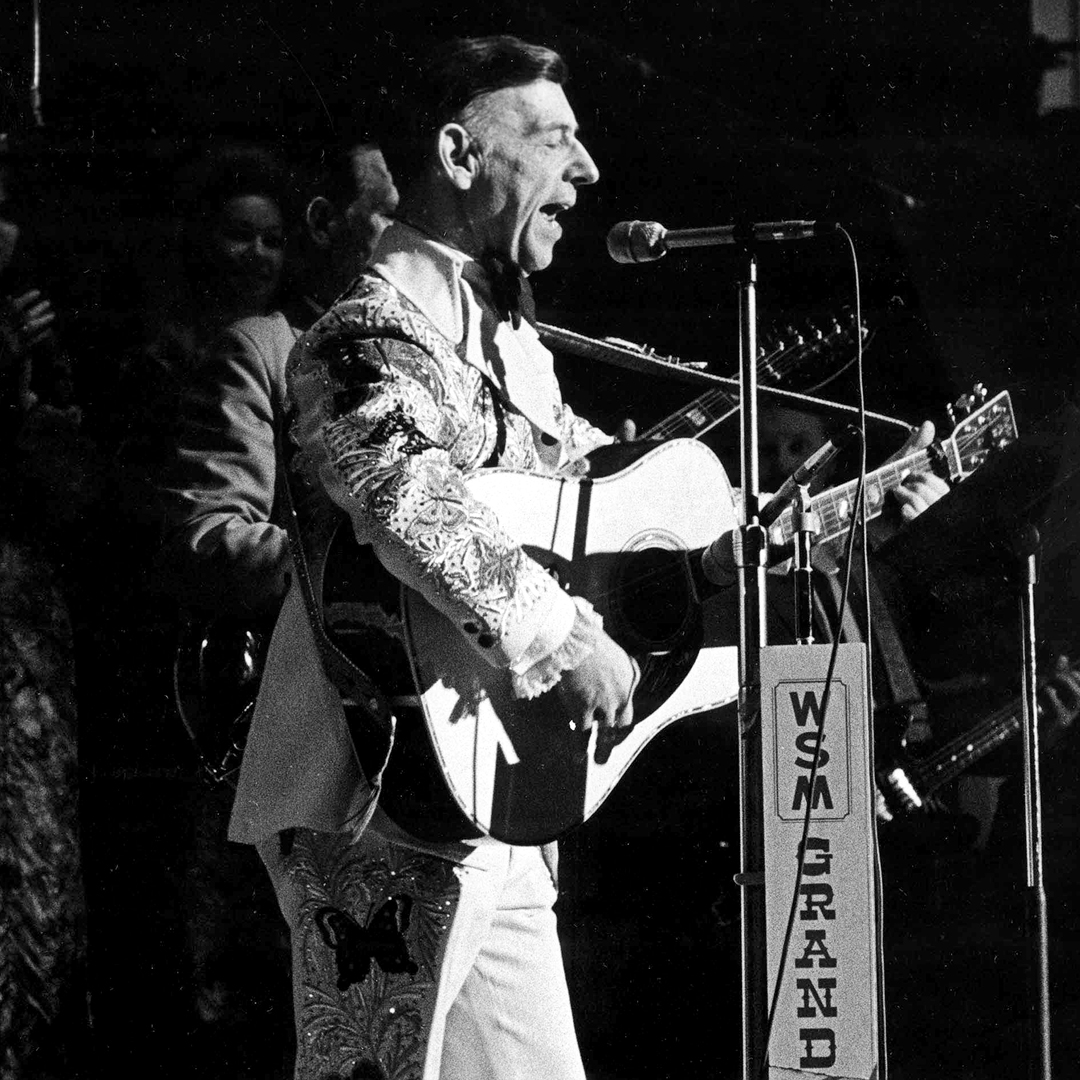
Country Music Hall of Fame member Hank Snow recorded his sixth No. 1 single, “I’ve Been Everywhere,” at RCA Studio B on June 27, 1962. Written by Australian singer-songwriter Geoff Mack, it reached the top of the country charts on November 10 that year, staying two weeks.