Sei uno studente interessato a una delle sfide maggiori del nostro tempo: la gestione responsabile dei rifiuti plastici? Non perdere l'opportunità di partecipare al nostro webinar!
📅 29 maggio
⏰ 14.30-16.00
📍Piattaforma Zoom
Per info e registrazioni👇https://t.co/DqcG2ESAST
The research unit of @unibait also has the task of physiological characterize the engineered cells in collaboration with the research unit of @unimib that will develop in silico metabolism models of Yarrowia lipolytica.
The Laboratory of Microbial Biotechnology of the @unibait is also part of the #REPLAY project with the task of engineering yeast cells of Yarrowia lipolytica to assimilate and use PET depolymerization products such as TPA and EG to synthesize molecules of industrial interest.
Your active participation made the discussion on R&D approaches for sustainable polymers truly insightful and impactful. Special thanks to the collaborators, the @REPLAYproject_@Proplaproject , and @aimplas for contributing to the success of this event.
🟢 RESEARCH GRANT AVAILABLE! 🟢
Project partner @IndBiotechEU from @unimib is looking for master's graduates or post-doc fellows to work on the #REPLAY project!
To apply or to learn more, visit https://t.co/KNeGbjy8S2 and submit your application before the respective deadlines.
In particular, IndBiotech Lab is employing metabolic engineering approaches and synthetic biology tools to rewrite the metabolism of Saccharomyces cerevisiae, the well-known workhorse in the field of yeast fermentation.
The REPLAY Project, started in June 2022, is currently over one year in operation, and all research groups are actively working to achieve the objectives previously set.
The activities of @unimib , with the #IndBiotech Lab focus on metabolizing terephthalic acid (TPA) and ethylene glycol (EG) deriving from PET hydrolysis from by yeasts fermentation.
in this way REPLAY project will generate a SIGNIFICANT SCIENTIFIC, and TECHNOLOGICAL ADVANCEMENT in PET upcycling, enabling engineered #microorganisms🦠 and #yeasts to convert PET degradation products into organic acids.
[3/3]
REPLAY wants to reduce the negative environmental 🌍 and economic outcomes generated by #plastic disposal practices. The project aims to realise a new concept of plastic (bio)refinery in which post-consumer plastic #waste can be seen as a feedstock for microbial activity.
[1/3]
The main objective is to develop an innovative plastic waste-based process to avoid the down-cycling treatments of plastics and promote the upgrading♻️ of #PET waste through the implementation of the use of synthetic biology, (bio)chemical, and (bio)process engineering.
[2/3]
[3/3] for PET pre-treatment and with the discovery of #enzymes able to degrade PET, PE and PP.
#REPLAY aims at #PET sustainable depolymerisation and fermentation as a principle for fostering the reconnection of fossil resources with the biogeochemical cycles of elements 🌍
[1/3] The basic constituent plastic polymers are dominated by polyethylene (PE), polypropylene (PP), polystyrene (PS), and polyethylene terephthalate (PET), counting for more than 75% of global #plastics production🥤.
[2/3] The prospects of using green chemistry principles and #enzymatic biodiversity for the #sustainable degradation of traditionally non-biodegradable plastics is now coming real after the last advances with the use and formulation of nature-inspired (DESs)
#REPLAY aims at demonstrating that the hydrolysates / depolymerisation products deriving from end-use traditional #plastics can be considered as feedstock not in competition with food to be provided to microorganisms to be sustainably upgraded to virgin chemical platforms.
Monomers derived from #PET depolymerization, a basic constituent polymer of plastics, can be upgraded by engineered #microorganisms 🦠 in useful chemicals such as carboxylic acids, addressing the logic of rethinking and pursuing the goal of “zero #waste”.
2/2 waste produced in the world 🥤. The #REPLAY project aims to valorise the #PET degradation products, enzymatically or chemically generated, to create a novel value chain, and a hybrid refinery model that will introduce plastics into the #CircularEconomy🌍.
Even though the plastic industry produces a broad range of plastic products, the basic constituent polymers are dominated by PE, PP, PS, and PET. The post-consumer #plastic waste is mixtures of these plastics that altogether amount to 200 Mt, constituting 70% of the total plastic
What do the deepest point in the ocean and the highest mountain peak have in common? Plastic pollution.
This can and must be changed!
Ahead of #WorldEnvironmentDay, join @UNEP in calling for accelerated progress to #BeatPlasticPollution.
#REPLAYproject
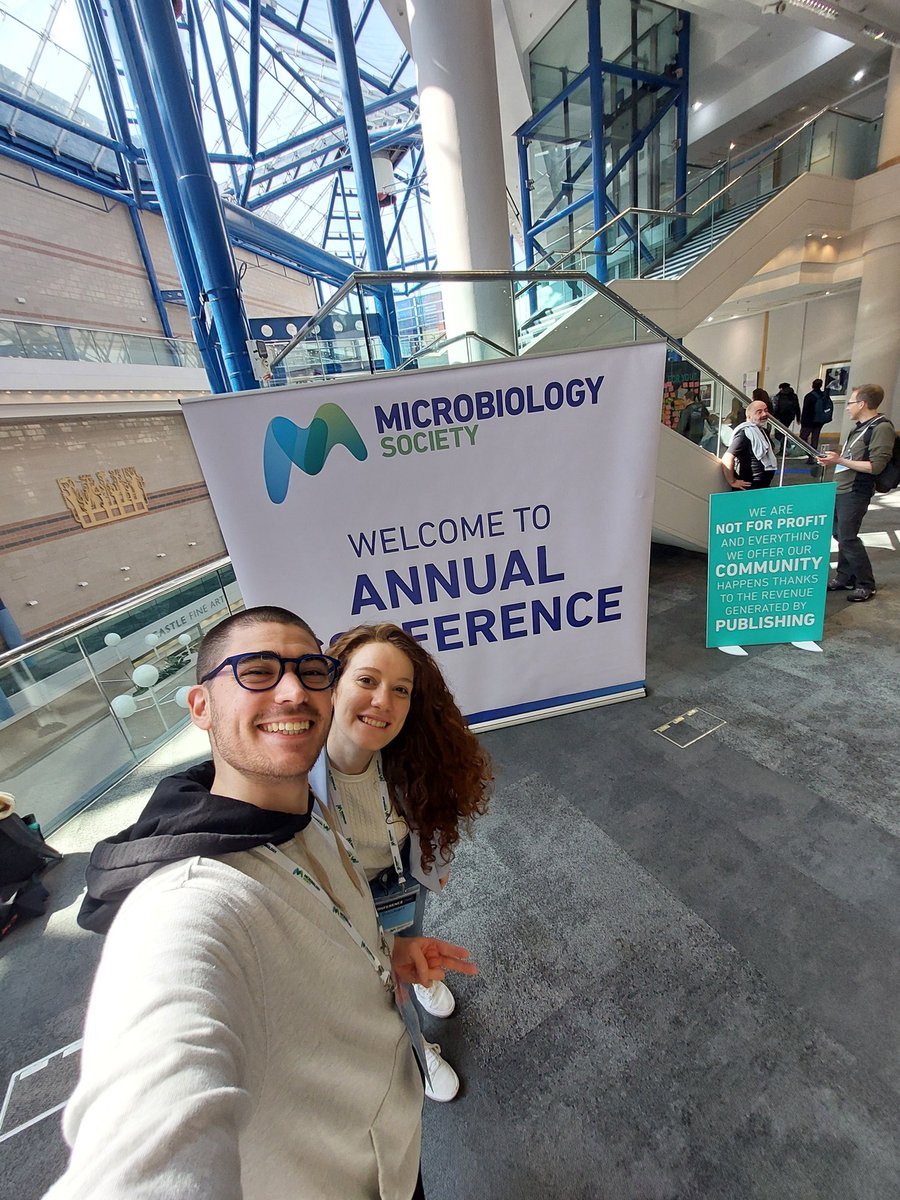
He was lucky enough to talk in one of the recorded sessions, in the biggest hall of the Conference Center. Here the link to watch him.
https://t.co/kGhqIbOmdh
Our PhD Vittorio Senatore attended the Annual Conference of the Microbiology Society in Birmingham and presented his work in an offered oral #talk: "Yeast fermentation for the upcycling of PET monomers" where he discussed the latest results of the REPLAY project.




![REPLAYproject_'s tweet photo. in this way REPLAY project will generate a SIGNIFICANT SCIENTIFIC, and TECHNOLOGICAL ADVANCEMENT in PET upcycling, enabling engineered #microorganisms🦠 and #yeasts to convert PET degradation products into organic acids.
[3/3] https://t.co/lGrS4Gis9k](https://pbs.twimg.com/media/F5g9eCXWQAAsVIz.jpg)
![REPLAYproject_'s tweet photo. [1/3] The basic constituent plastic polymers are dominated by polyethylene (PE), polypropylene (PP), polystyrene (PS), and polyethylene terephthalate (PET), counting for more than 75% of global #plastics production🥤. https://t.co/L7TFhcVSrg](https://pbs.twimg.com/media/F1kV49xWwAE8Rrh.jpg)