How to Prepare for a PhD Interview: The 4-Step Non-Obvious Guide That Actually Matters
Most advice about PhD interviews is painfully generic—“know the faculty,” “be confident,” “read the papers.”
Sure. But that’s baseline competence, not preparation.
A great PhD interview isn’t about proving you’re smart. It’s about demonstrating that you understand what research is—as a process, a lifestyle, and a set of intellectual values. Here’s how to prepare at a level most applicants never reach.
1. Study the Advisor’s Trajectory, Not Just Their Papers
Don’t just read what they wrote. Understand how they got from project A to project B.
Ask yourself:
•What questions keep resurfacing in their work?
•Which methods do they consistently return to?
•What patterns do you see in the problems they choose?
Researchers care about their intellectual arcs. If you can articulate how your interests meaningfully intersect with the direction they’re going—not only what they published last year—you’ll stand out immediately.
2. Prepare a “Research Identity Statement” (no one tells you this)
A PhD interview isn’t about pitching a fixed project. It’s about showing you know how you think.
Prepare to articulate:
•What kinds of problems you find meaningful
•What types of methods you are drawn to (and why)
•How you handle complexity and uncertainty
•How you decide whether a research idea is worth pursuing
This is what faculty are really assessing:
Are you someone who can grow into an independent scholar?
3. Be Ready to Discuss Your Weaknesses as Research Strengths-in-Progress
When faculty ask about weaknesses, they’re not hunting for flaws. They’re checking whether you understand what your next stage of intellectual development will involve.
Examples:
•“I’m strong at conceptualizing problems, but I’m intentionally building deeper technical depth in X this year.”
•“I generate many ideas, and I’m learning to discipline them into a structured pipeline.”
•“I tend to over-polish before sharing, but I’ve been practicing earlier feedback loops.”
You’re showing metacognition, not confessing.
4. Prepare One Razor-Sharp Question That Only an Insider Would Ask
Not flattery. Not a generic “What are the department’s resources?”
Ask something that demonstrates you’ve thought deeply about their research world.
Examples:
•“I noticed the lab is shifting toward multimodal datasets. What trade-offs have you found in annotation strategy or experimental scope?”
•“Your group’s work on X uses Y method—what are the limitations you feel the field isn’t discussing yet?”
A question like that signals you’re already thinking like a junior colleague.
DM me “PhD” if you want to work with me.
The confusion on which song exactly to use to roll on the ground when the breakthroughs begin to filter in:
See what the Lord has done?
Tobechukwu?
The Lord has done it finally?
Eze Ebube?
Goodness of God?
They are numerous, but I absolutely love this sort of confusion.
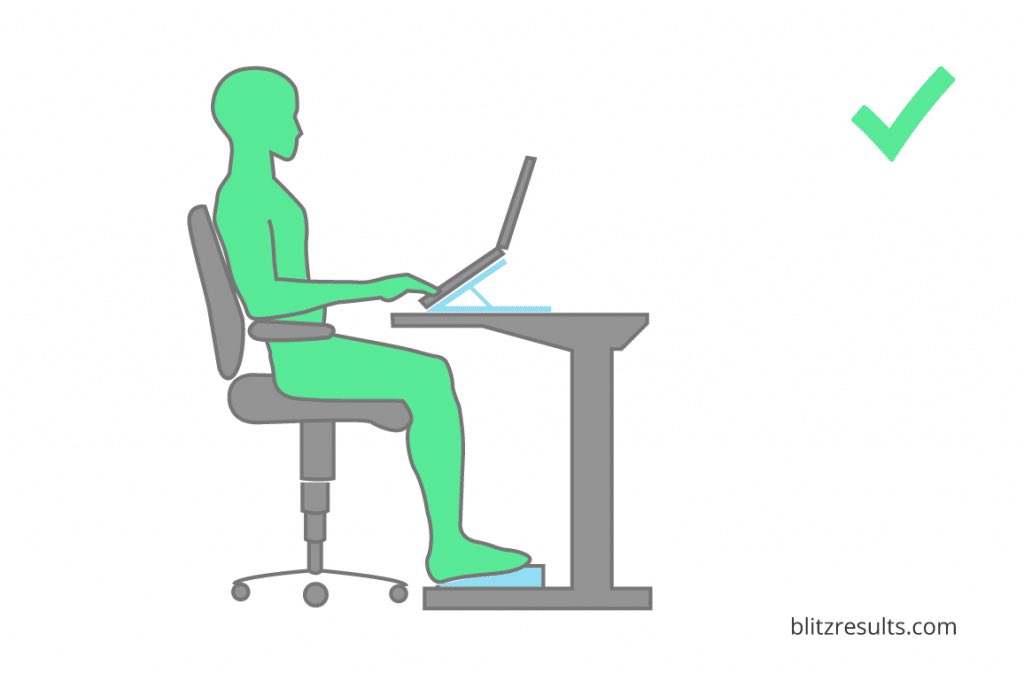
If you work with computers and laptops,
Pls NEVER slouch or lean forward.
YOU WILL DAMAGE YOUR SPINE.
Sit up straight at your seat,
Keep the table at your elbow level,
Keep the screen top at your eye level.
This way,
You prevent back pain,
You prevent neck pain.
RT for others.