Your side hustle site, family blog, freelance portfolio or Video Content - erased from Google by anonymous strangers with fake copyright claims. It's free, takes minutes, zero ID check. Google removes first, asks questions never. Why should you care? https://t.co/m8QsACW9ja
Imagine living in St. Louis on Thanksgiving & downing a turkey, 7 rolls, mac & cheese, beans, greens, tomatoes, chicken, hog, ham, dressing, sweet potato casserole, some other weird stuff that shouldn't be put in your body, a chicken wing, cranberries, 10 deviled eggs & some beef then going outside to play the annual Thanksgiving football game right after in a raging snowstorm with flakes the size of bowling balls.
Anthropic’s IPO priced at $83, popped to $111.50 on day one, and closed Thursday at $97.17. But the joy was short-lived, as the Nasdaq just had its worst week in more than six years. Monday’s futures bounce is only futures. Anthropic’s business is growing fast, with an $81 billion run rate, but a public stock trades on mood as much as fundamentals. Proof investors still believe in AI, or the last big win before the trade turns?
GTA 6 is out, and the first reviews say the 13-year wait paid off. Sensor Tower estimates $2.36 billion in pre-orders and first-day sales. The surprise is the tone: you can fix the roof, make coffee and paint the living room between heists. Is a GTA where you fix the roof before you rob the bank the game you were waiting for?
OnlyFans just hired Whitney Rosenthal, a veteran of Meta, YouTube and Podimo, as its first global head of creator partnerships. The job is to convince podcasters, chefs, comedians and the brands that sponsor them that a site known for adult content is a safe home for their work. It fits a five-year push that includes OFTV, a podcast hub and a growing athlete roster. With revenue growing a healthy but not explosive 10%, mainstream credibility is the next growth lever.
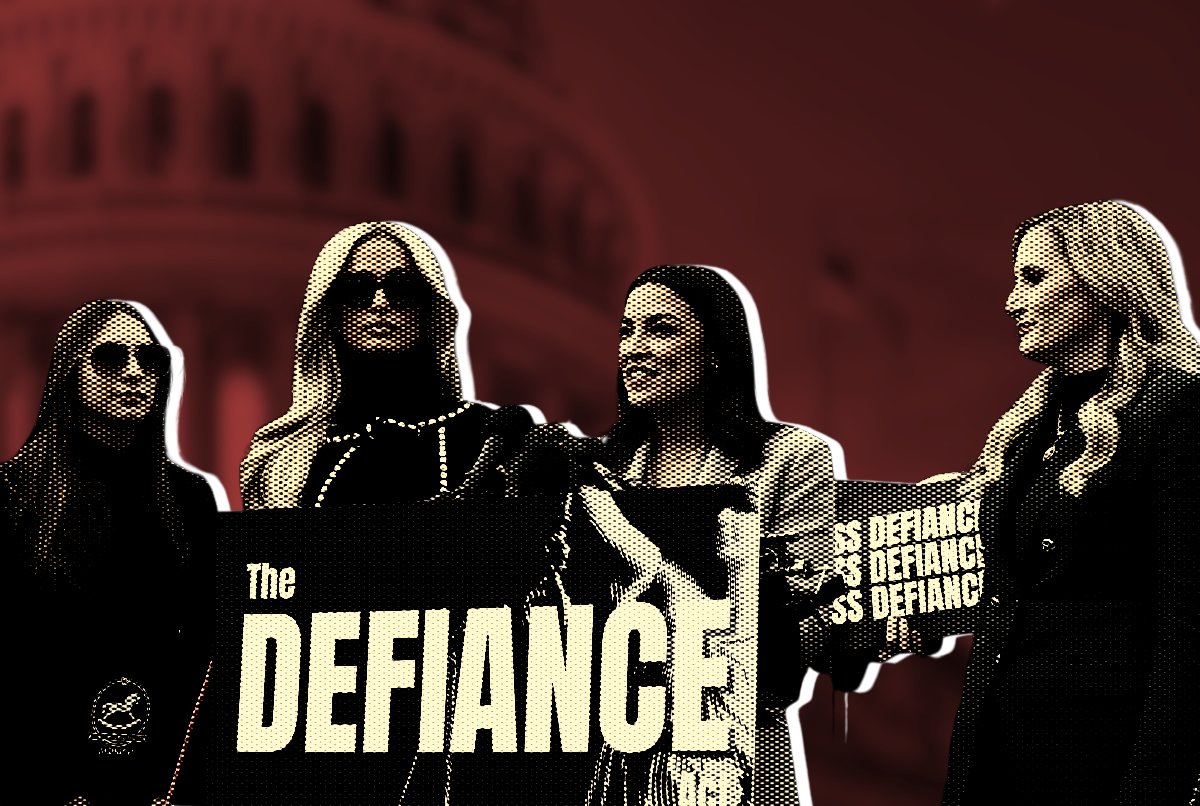
Paris Hilton is back on the Capitol steps asking the House to vote on the Defiance Act, which would let victims of sexual AI deepfakes sue the people who make and share them. The Senate has passed it twice, once by unanimous consent. The House has never voted. It has 70 cosponsors split evenly by party, plus backing from Microsoft, Snap and OpenAI. A takedown law helps after an image is up; a right to sue deters the person who made it. If the House doesn’t act before this Congress ends, supporters start over.
Anthropic unveiled an office suite built around Claude: Sheets, Whiteboards, and Meetings, all in beta, joining Docs, Slides, and Design. Anthropic’s own product lead calls Sheets “fairly basic,” and nobody is replacing Excel tomorrow. The real pitch is that the AI becomes the place where work happens, not a helper inside someone else’s app. With an IPO roadshow underway, the suite is also a way to show investors a path beyond coding tools.
Motorcycle racer Tayla Collins says she needs $300,000 a year to compete and that without OnlyFans she “wouldn’t be racing.” Beach volleyball player Olivia MacDonald says there’s “no way” she could have afforded to chase an Olympic spot otherwise. The talent was never the problem. The funding was.
The FAA halted departures nationwide for more than four hours on Friday, just three days after rolling out a new AI air traffic tool to the whole country. Officials and the startup that built it say the two aren’t connected. The stated cause is aging infrastructure: Transportation Secretary Sean Duffy says overloaded routers produced inconsistent data. Nationwide ground stops are exceedingly rare. The timing is quite a coincidence, and the FAA still hasn’t released a full account of what failed.
Two women with OnlyFans accounts are in federal immigration custody. Vera Dijkmans, a Dutch model with 6 million Instagram followers, was detained after landing in Newark on a tourist visa, which doesn’t allow work, on her way to make content at UFC 334. Daniela Bittner, former owner of P’Nut the squirrel, was arrested after DHS says she overstayed her visa. The lesson for creators: your public posts are evidence of what you’re doing.
Avery Woods says she deactivated her OnlyFans years ago, but a castmate on “Secret Lives of Mormon Wives: Orange County” brought it up anyway, on camera. Woods says she posted four non-nude photos and hadn’t thought about them in five years. Her reaction wasn’t shame; it was money. Brand deals depend on a clean reputation, and she’s the one providing for her family. “This is my real f***ing life. It’s not just for cameras.” For creators who leave the platform, “deleted” doesn’t mean gone.
Apple’s new Watch Audio Intelligence can now listen to your conversations on purpose. Siri Recap summarizes your day, but early testers say it mixes up names, merges unrelated chats, and once flattened an argument with a son into a debate about space colonization. The biggest problem is consent. About a dozen states require everyone’s permission to record, and the people around you never get to say yes. Creepy or cool? Both.
Will Caplan spent his days building AI and his evenings sending emails to get paid £50 for a brand deal, so he built Tano, which just raised a $4 million seed round. Its AI agents find creators, email them, ship product, negotiate, and pay them, holding about 400,000 conversations a month. The upside is that small creators get found. The risk is generic outreach and creators agreeing to standardized terms, including paid-ad reuse, without realizing it. Brands are shifting budgets toward creators at scale. The question is whether creators’ leverage scales with it.
United Airlines is blocking third-party AI assistants from booking flights on travelers’ behalf, citing security risks and federal rules that require a human to confirm bags are free of banned substances. Agents can still search United flights, just not buy them. CEO Scott Kirby’s reason is also commercial: “I don’t want to create another middleman.”
Tubi just revealed what it’s building with TikTok: 10 original series from 12 creators, including an animated superhero comedy, a dating show where the host vets the men, and a horror series. Tubi hasn’t said how much it’s investing, how creators get paid, or who owns the shows and characters. Streamers want creator audiences, and creators have leverage, but only if they know what they’re signing.
Kate Nash joined OnlyFans to pay for touring, and two years later she still expects to lose about $16,000 on her North American run. She’s blunt about the plan: “I’m going to be putting my ass on the internet a lot to try and cover the cost.” Between her European and UK dates, she’s already lost £39,000, partly because she tours with a real band and crew. She says the industry works “very well for millionaires” and poorly for artists. Lily Allen put it another way: “Don’t hate the player, hate the game.”
Two advocacy groups say a “TikTok to OnlyFans pipeline” is glamorizing sex work, but their own researchers found only non-explicit content: skincare, baking, pet videos. TikTok already bans mentioning OnlyFans, so creators use workarounds like corn emojis. Funneling a free audience to a paid platform is what every chef selling a cookbook does. The difference is stigma. The report wants restrictions extended to anything “related to” the sex industry, which could sweep in adults following the rules. If TikTok’s rules are working, what would a broader ban actually protect?
AO3, home to more than 18 million fanworks, vanished on October 29 after what its volunteer-run nonprofit calls a hack. The estimate went from 12 hours to weeks, right in the middle of Kinktober. Fans scrambled, trading stories through shared Google Drives, and copycat sites scraped the archive and sold AI audiobooks of stories their authors never agreed to share. A 17-year-old who built one apologized. Millions of hours of imagination live on one volunteer-run server. One writer is now printing her favorite old fics. “Things can vanish in the blink of an eye.”
Meta paused a rewrite of its business terms that publishers said would let it scrape their sites for AI, after a Norwegian court granted an injunction, the UK opened a formal investigation, and senators wrote to Zuckerberg. Meta says critics misread it. But the same question of who controls what gets captured keeps coming up: smart glasses filming people without consent, and Meta’s AI chatbot holding explicit conversations with adults while creators get restricted for far less. One fight is paused, but the consent question underneath all three isn’t.
Paris Hilton turned her Beverly Hills mansion into an ADHD creator summit, with a ball pit, alpacas, and a sound bath in her pool. Over 200 neurodivergent creators came, handpicked by Hilton through direct messages. Creator events usually run on follower counts. Hilton’s ran on community. She wants to go bigger next year, and the question is whether the guest list keeps room for the small creators.
LinkedIn says creators on the platform are up 60% since 2024, and 83% of them still have a day job. Workfluencers are landing brand deals, and B2B buyers say creator input helps close purchases because the job itself is the credential. The cautionary tale is TikTok’s Hubs. Life, who built an audience on his 9-to-5, quit to go full-time and watched fans turn on him when he rented a coworking desk and called it his “new 9-5.” His account never fully recovered. The trust is the product.