গ্রাম বাংলার ভাষা আর কলকাতার ভাষার মধ্যে পার্থক্য আছে—এটা নতুন কোনো কথা নয়। কিন্তু দুঃখের বিষয় হলো, এই পার্থক্যকে আমরা অনেক সময় বৈচিত্র্য হিসেবে নয়, শ্রেষ্ঠত্ব আর হীনমন্যতার মাপকাঠি হিসেবে দেখি। বহুদিন ধরে এমন একটা ধারণা সমাজের একাংশে গড়ে উঠেছিল যে, কলকাতার ভাষাই হলো “শুদ্ধ” বাংলা, আর বাকি পশ্চিমবঙ্গ যেন তার প্রান্তিক সংস্করণ। যেন কলকাতাই পশ্চিমবঙ্গ, আর পশ্চিমবঙ্গ মানেই কলকাতা।
কিন্তু বাস্তবতা সম্পূর্ণ অন্যরকম।
বাংলার মাটি যত বদলায়, বাংলার ভাষাও তত বদলায়। কুড়ি-পঁচিশ কিলোমিটার পরপর শব্দ বদলে যায়, উচ্চারণ বদলে যায়, কথার ভঙ্গি বদলে যায়। আর সেই পরিবর্তন কোনো দুর্বলতা নয়, সেটাই বাংলার প্রকৃত ঐশ্বর্য।
এই কথাগুলো বলতে গিয়ে ছোটবেলার একটা ঘটনা বারবার মনে পড়ে যায়। এমন একটা ঘটনা, যা আজও স্মৃতির গভীরে কাঁটার মতো বিঁধে আছে।
সবে বেথুয়াডহরী থেকে কলকাতায় এসেছি। নতুন শহর, নতুন পরিবেশ, নতুন স্কুল। প্রথম শ্রেণির ছোট্ট একটা ছেলে, যার কাছে পৃথিবীটা তখনও খুব সরল। নতুন বন্ধু হবে, নতুন স্কুলে পড়বে—এই উত্তেজনাই ছিল মনে।
ভর্তি হওয়ার কয়েকদিন পরেই পরীক্ষা হলো। পরীক্ষায় একটি প্রশ্ন এসেছিল—
"যারা নিয়মিত মজুরির বিনিময়ে বাগান পরিষ্কার করে বা অন্যান্য কাজ করে, তাদের কী বলা হয়?”
প্রশ্নটা পড়ে আমার এক মুহূর্তও ভাবতে হয়নি।
আমাদের বেথুয়াডহরীর বাড়িতে যিনি কাজ করতে আসতেন, তাঁকে বাবা-মা সবসময় “মুনিশ” বলেই ডাকতেন। ছোটবেলা থেকে সেই শব্দটাই শুনে বড় হয়েছি। আমার কাছে সেটাই ছিল স্বাভাবিক, পরিচিত এবং সঠিক শব্দ।
তাই আমিও উত্তর লিখলাম—“মুনিশ”।
কিন্তু আমি জানতাম না, সেই একটি শব্দ আমার জীবনের অন্যতম অপমানজনক অভিজ্ঞতার কারণ হয়ে উঠবে।
খাতা দেখার সময় মাস্টারমশাই আমার উত্তরটি দেখে হেসে উঠলেন। প্রথমে ভেবেছিলাম হয়তো উত্তরটা ভুল হয়েছে। কিন্তু বিষয়টা সেখানে থামল না। তিনি আমাকে দাঁড় করালেন এবং আবার উত্তরটা বলতে বললেন। আমি সরলভাবে বললাম—“মুনিশ”।
তারপর শুরু হলো হাসাহাসি।
আমাকে নিয়ে একের পর এক ক্লাসরুমে যাওয়া হলো। প্রতিটি ক্লাসে গিয়ে আমাকে সেই একই উত্তর বলতে বলা হতো। আমি বলতাম, আর চারপাশে হাসির রোল উঠত। কেউ আমার ভাষা বুঝতে চাইনি, কেউ জানতে চায়নি শব্দটা কোথা থেকে এসেছে। সবাই শুধু মজা পেয়েছিল।
শেষ পর্যন্ত আমাকে টিচার্স রুমেও নিয়ে যাওয়া হয়েছিল। সেখানে উপস্থিত শিক্ষকদের সামনেও আমাকে একই উত্তর বলতে হয়েছিল। একজন প্রথম শ্রেণির ছাত্র, যার অপরাধ শুধু সে নিজের এলাকার ভাষায় একটি শব্দ ব্যবহার করেছে।
আজ এত বছর পরেও সেই দৃশ্যটা চোখের সামনে ভেসে ওঠে।
একটা ছোট্ট ছেলে, যে নতুন শহরে এসে নিজেকে মানিয়ে নেওয়ার চেষ্টা করছে, সে হঠাৎ বুঝতে পারছে যে তার ভাষা নাকি হাসির বিষয়। তার বাড়ির ভাষা, তার মাটির ভাষা, তার শৈশবের ভাষা—সবকিছু যেন এক মুহূর্তে উপহাসের পাত্র হয়ে গেছে।
সেদিন আমি শুধু একটা শব্দের জন্য অপমানিত হইনি।
সেদিন আমার গ্রামকে নিয়ে হাসা হয়েছিল।
সেদিন আমার পরিবারকে নিয়ে হাসা হয়েছিল।
সেদিন আমার পরিচয়কে নিয়ে হাসা হয়েছিল।
প্রথম শ্রেণির একটি শিশুর পক্ষে হয়তো এসব বিশ্লেষণ করা সম্ভব ছিল না। কিন্তু অপমানের অনুভূতি বুঝতে কোনো বয়স লাগে না। সেই দিনটায় আমি অনুভব করেছিলাম যে আমি যেন বাকিদের মতো নই, আমি যেন অন্য কোথাও থেকে আসা একজন মানুষ, যার ভাষা নিয়ে হাসা যায়।
আজ বড় হয়ে বুঝি, সমস্যাটা আমার ভাষায় ছিল না। সমস্যাটা ছিল সেই মানসিকতায়, যেখানে নিজের পরিচিত ভাষাকেই একমাত্র গ্রহণযোগ্য ভাষা বলে মনে করা হয়।
আমাদের মনে রাখা দরকার, ভাষা কখনও শুধু শব্দের সমষ্টি নয়। ভাষা মানুষের স্মৃতি, শিকড়, সংস্কৃতি এবং অস্তিত্বের অংশ।
যে শিশুটি “মুনিশ” বলেছিল, সে ভুল বাংলা বলেনি। সে তার মায়ের মুখে শোনা বাংলা বলেছিল। তার গ্রামের মানুষদের বাংলা বলেছিল। তার মাটির বাংলা বলেছিল।
আর কোনো মানুষের মাটির ভাষাকে উপহাস করা মানে সেই মানুষটার অস্তিত্বকেই ছোট করা।
বাংলা ভাষার সবচেয়ে বড় সৌন্দর্য তার বৈচিত্র্যে। নদীয়ার বাংলা, মুর্শিদাবাদের বাংলা, মালদার বাংলা, পুরুলিয়ার বাংলা, কোচবিহারের বাংলা, সুন্দরবনের বাংলা কিংবা কলকাতার বাংলা—সবকটিই সমানভাবে বাংলার সম্পদ।
তাই কারও উচ্চারণ শুনে, কারও শব্দচয়ন শুনে, কারও উপভাষা শুনে হাসার আগে একবার ভাবা দরকার—হয়তো সেই শব্দটির মধ্যেই লুকিয়ে আছে একটি অঞ্চলের ইতিহাস, একটি পরিবারের স্মৃতি, একটি মানুষের শিকড়।
আর শিকড়কে উপহাস করা কখনও শিক্ষার পরিচয় নয়।
বরং অন্যের ভাষাকে সম্মান করতে শেখাই প্রকৃত শিক্ষার প্রথম পাঠ।
Yes, comparing Modi era with Nehru’s is right. Not to do so would be injustice to millions who suffered because of Nehru.
For example, Hindu Bengali refugees. Their children, grandchildren must never forget that their people were abandoned and thrown to the wolves by Jawaharlal Nehru before, during and after Partition.
Nehru despised dark-skinned Hindu Bengali refugees, among them my father, his siblings, their widowed mother and grandmother, fleeing rapacious and murderous Muslim League mobs in East Bengal; he did not want them to seek shelter in India.
Nehru wrote to CM BC Roy, instructing him not to let Hindu Bengali refugees enter West Bengal. Push them back from the border, Nehru said, don’t let them in.
Nehru insisted Hindu Bengalis of East Bengal / East Pakistan were coming to India for free-loading at the expense of Indians. He cut back Central funds for West Bengal to stop the meagre refugee assistance by way of a couple of kilos of inedible worm-infested rotten rice for Hindu Bengalis.
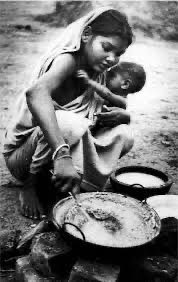
Hindu Bengali refugee women and children separated from their families, or widowed and orphaned in the Noakhali genocide and subsequent Partition Massacre of Hindus, rummaged in garbage bins and pitifully begged for morsels of food.
Hindu Bengali refugee children in rags with dark large sad eyes greedily licked on used banana leaves dumped on the streets by eateries, also known as ‘pice hotels’ in Kolkata parlance, of which there was a profusion in the post-War years. Emaciated babies and rickety children of Hindu Bengali refugees huddled with stray dogs on pavements.
Many Hindu Bengali refugees lived on ‘rice water’ or ‘fan’ (the starchy water that is thrown away after boiling rice) collected from homes of compassionate Bengalis who had little food to share.
In the morning and evening there were pheriwallahs hawking their wares; in the afternoon there were Hindu Bengali refugee women in tattered sarees that barely covered their bodies and naked children with battered and bruised aluminium pots going from house to house, begging for ‘rice water’: “Ma, fan daao Ma…”
Those voices of has hunger were to haunt Hindu Bengali refugees like my parents for long, often till death.
Driven by hate for Hindu Bengali refugees, Nehru ordered horrifyingly, nauseatingly squalid and disease-ridden refugee camps to be named ‘Permanent Liability Camps’ or PLCs — PLC 1, PLC 2… — reminiscent of the ‘Permanent Solution Camps’ of the Nazis.
When despite his best efforts Nehru failed to push back the Hindu Bengali refugees to be slaughtered in East Bengal/East Pakistan, Nehru brought his devastating Freight Equalisation Policy which collapsed industry in West Bengal. Tens of thousands of jobs were destroyed and the Hindu Bengali was rendered jobless: Those who lost their jobs and businesses began turning on Hindu Bengali refugees just as Nehru had hoped.
Yet Nehru could not break the spirit of the Hindu Bengali refugees who were grateful to Bharat and determined to help rebuild this great nation savaged by invaders and colonisers especially John Company.
Through generations we Hindu Bengali refugees toiled, we built, we paid taxes, we sacrificed for the Nation, our Nation, we succeeded in establishing ourselves as dutiful, law-abiding, loyal citizens of India. Having lost our home and hearth, we had no other home but India.
We Hindu Bengali refugees were hived off to malaria-infested inhospitable Dandakaranya and we cleared forests and made the soil fertile. We were packed off to Andaman and we rebuilt our lives there. When we tried to set up home at Marichjhapi we were slaughtered: the estuaries turned red with our blood.
We grieved, we got up, we overcame that setback.
We lived with dignity and honour, we earned our food, we were not freeloaders. We were poor but we were honest: we had integrity.
Cut to 2026.
So who have proved to be India’s ‘Permanent Liability’ cadging off the state and living on unearned money? Nehru Dynasty.
During the CPI(M)-led government in Kerala:
•Eviction of street vendors from MG Road in Kochi Corporation (2022–23) -- more than 1,500 vendors removed.
•Eviction of street vendors in Thiruvananthapuram Corporation (2023–24) -- more than 2,800 vendors removed.
•Eviction of street vendors in Kozhikode (2024) -- more than 500 vendors removed.
•Eviction of street vendors in Kollam Corporation and Chalakudy municipal areas (2025) -- more than 600 vendors removed.
When CPI(M) does it, it's called "development"; when BJP does it, it's called "bulldozer rule"?
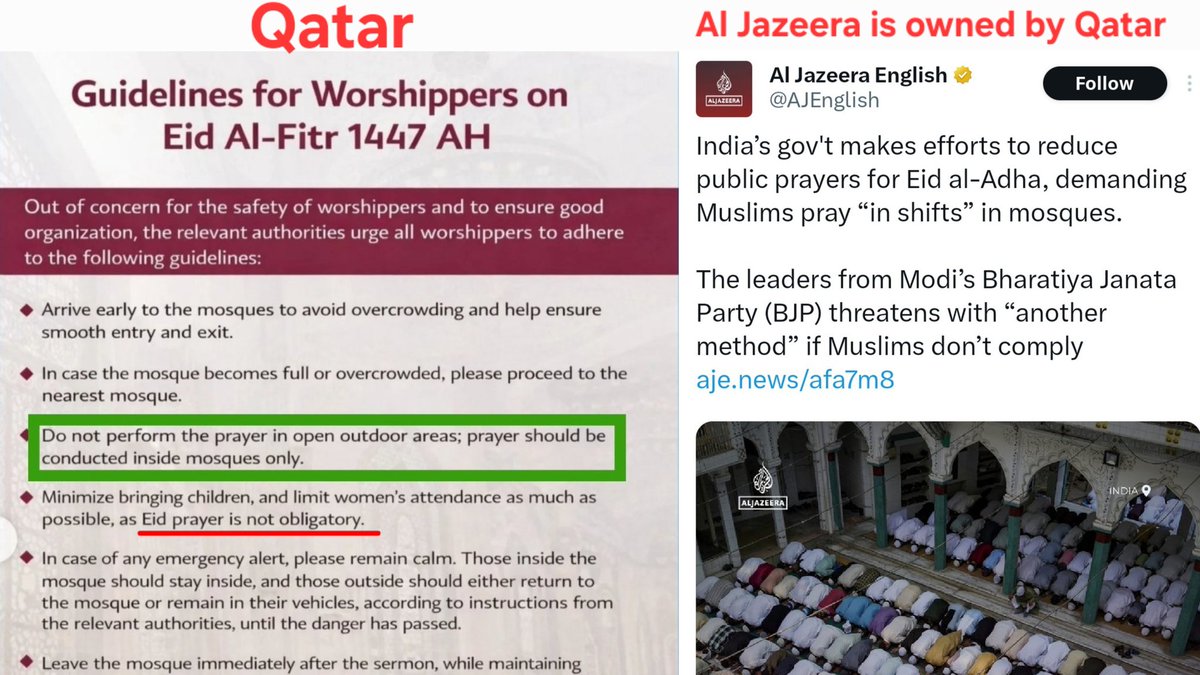
Qatar on Eid:
Do not perform the namaz in open outdoor areas; pray inside Mosques. Limit women's attendance as much as possible, as Eid prayer is not obligatory.
Al Jazeera (owned by Qatar):
India is restricting public prayers and telling Muslims to pray in Mosques.
When an Islamic country does it, it becomes a guideline. But when a non-Islamic country does the same thing, it is labeled Islamophobia.
বামপন্থীদের মানুষ কেন খিস্তি দেয় দেখো।
বাংলাদেশ থেকে হিন্দুরা অত্যাচারিত হয়ে আসেনি।
কে বলছে ধর্মের কারণে পালিয়ে আসা হিন্দু পরিবারের বামপন্থী ছেলে বিকাশ।
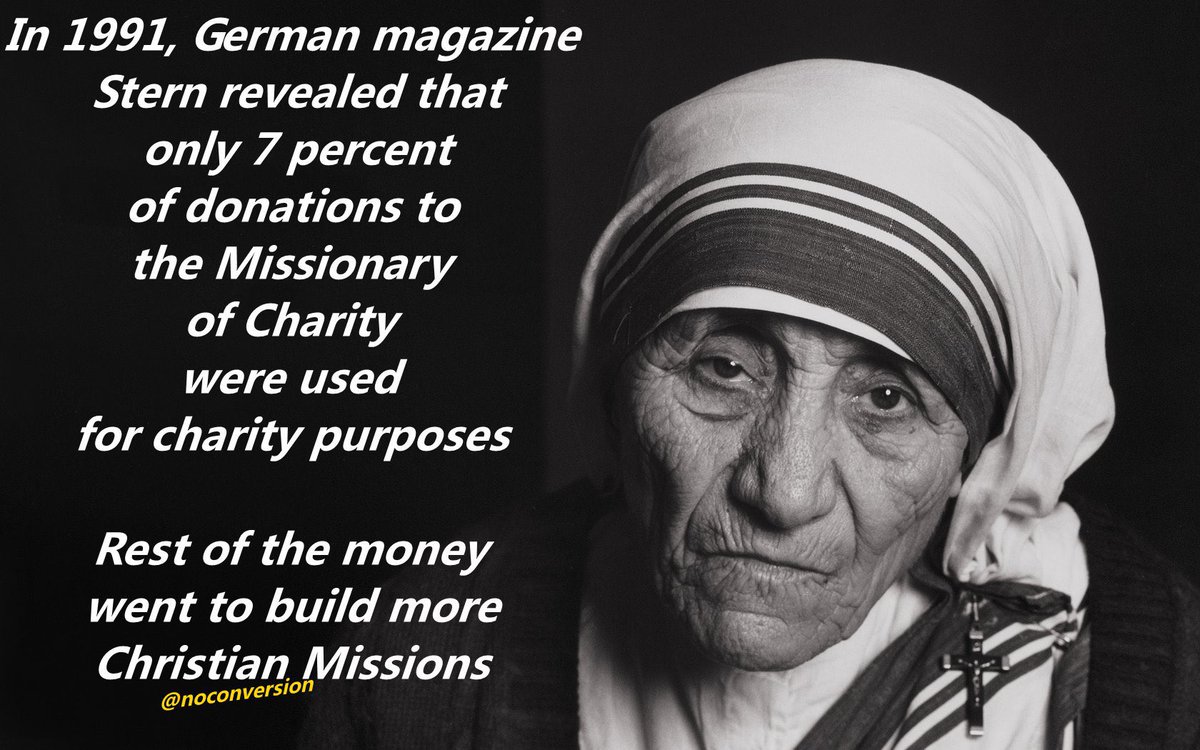
Missionaries of Charity is a front for conversions and there is nothing ‘selfless’ in their service or activities!
In 2018, a child trafficking racket was exposed at a Missionaries of Charity -run home in Jharkhand, leading to the arrest of staff members for allegedly selling newborns.
Mother Teresa led a cult of suffering, and was likely a sadomasochist. She believed that suffering was holy, and brought one closer to god. To achieve this, she collected the sick and dying, in the pretext of ‘giving care,’ in her centres. These ill and dying were given meagre food, some basic medicines and bandages for photops, but no real treatment was given.
Basically MT and her nuns simply collected these people in pain, and waited for them to die.
What MT and her sisters did was to aggressively seek conversions, and get donations. It is said they would often baptize people against their will, when they were dying and too weak to resist. They would also withhold or threaten to withdraw ‘treatment’ and food, if they didn’t convert.
Mother Teresa would tour the world, seeking donations from everyone, but the collected money just disappeared. MT never built hospitals or acquired any medical equipments or medicines for real treatment. She used some of the funds to start Sisters of the Poor convents all around the world.
The US ambassador has no shame or qualms visiting such a tainted organisation; which only reaffirms America’s hatred for Hindus and support for forced evangelical conversions in India.
Let me tell you how it happened. Nigeria’s ginger export hit zero from N26 billion within 3 years.
The official story blames fungal blight.
But here is what actually happened. When Nigerian farmers lost their indigenous seed supply, grant-aided interventions arrived with replacement seeds.
An associate professor at Lagos Business School flagged publicly that some of those interventions involved GMO organisms that weakened indigenous crops and compromised soil health.
That is not a conspiracy theory because it is a documented academic concern.
Now that Nigeria spoke got destroyed by the GMO seedlings….what is not the result?
Nigeria was forced to import ginger from China to fill domestic demand. Chinese ginger has none of the pungency, oleoresin content, or quality that made Nigerian ginger a global premium product. And the ginger now sitting in Nigerian markets tastes like wood because it essentially is wood.
The two indigenous varieties that built Nigeria’s global ginger reputation, the Tafin Giwa and Yatsun Biri, had decades of soil relationship and quality built into them.
Once the soil was degraded and those seed varieties were displaced, the product that returned was a pale imitation. Nigeria did not just lose a market. It lost a seed. And without a National Ginger Seed Bank, which nobody has built, it may never fully get it back.
2021 post-poll targeted attacks on Hindu Bengalis by Mamata Banerjee’s #ChorTMC marauders.
This is what Tollywood actor Parambrata was celebrating.
#WhatForgiveness ?
2 May 2021 — Mamata Banerjee let loose her #ChorTMC marauders on hapless Hindu Bengalis who had voted BJP. The ghastly post-election violence saw TMC thugs killing, r@ping, pillaging.
This is what Tollywood actor Parambrata was celebrating.