Reader in Medieval History @LancasterHistor @CWDLancaster. Research on war, combatants, conflict landscape; Simon de Montfort; Magna Carta. w/ @GeorginaCapel
'The Appleby Magna Carta' - a free public talk on the recent major discovery of Cumbria's Charter by Profs David Carpenter & Nick Vincent, who made the discovery. Friday 27th June, Appleby Public Hall. Free & open to all, but registration is essential: https://t.co/5ciMgK97KA
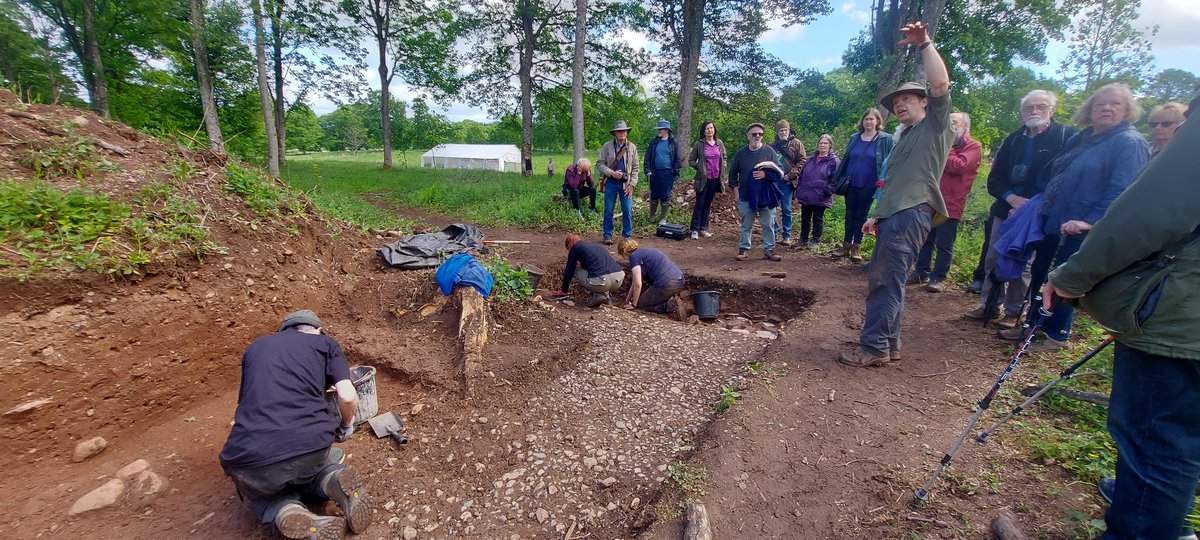
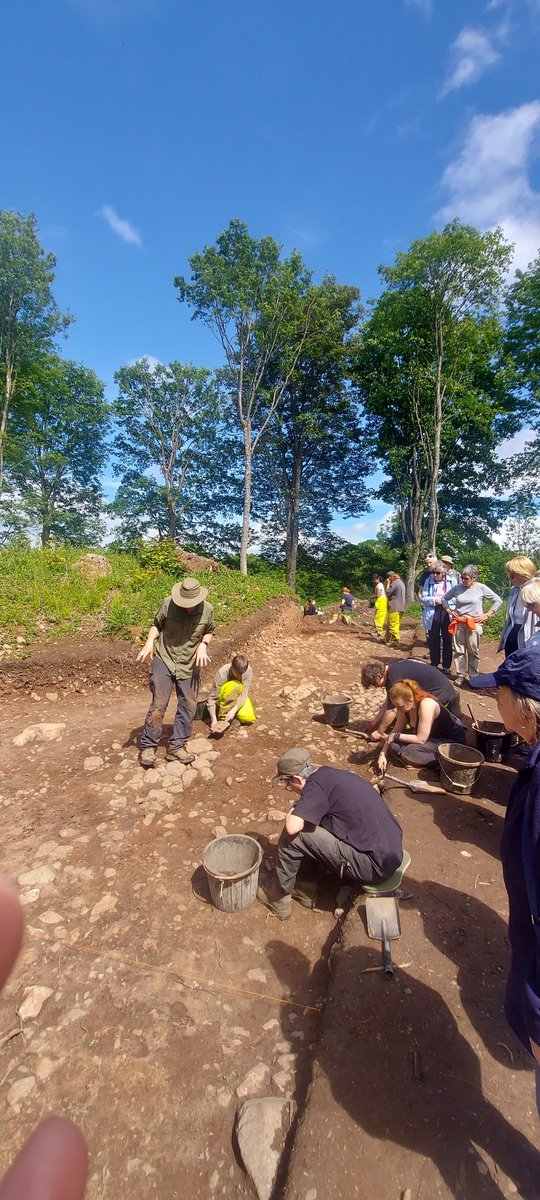
It's been a busy few days guiding tours of the site with local archaeology & history groups - but we're open for anyone to drop by until the end of this week, 5/6 June, after which we'll be moving to the @UCLanArchAnth labs. #LowtherMedievalCastle 4/4
We're in the final week of #LowtherMedievalCastle phase 3 & much progress! In the ringwork castle trench we have (we think) a post hole & post pad to evidence interior structures, & Norman-era local gritty ware pottery from the bank for dating (+ the Victorian summer house!) 1/4
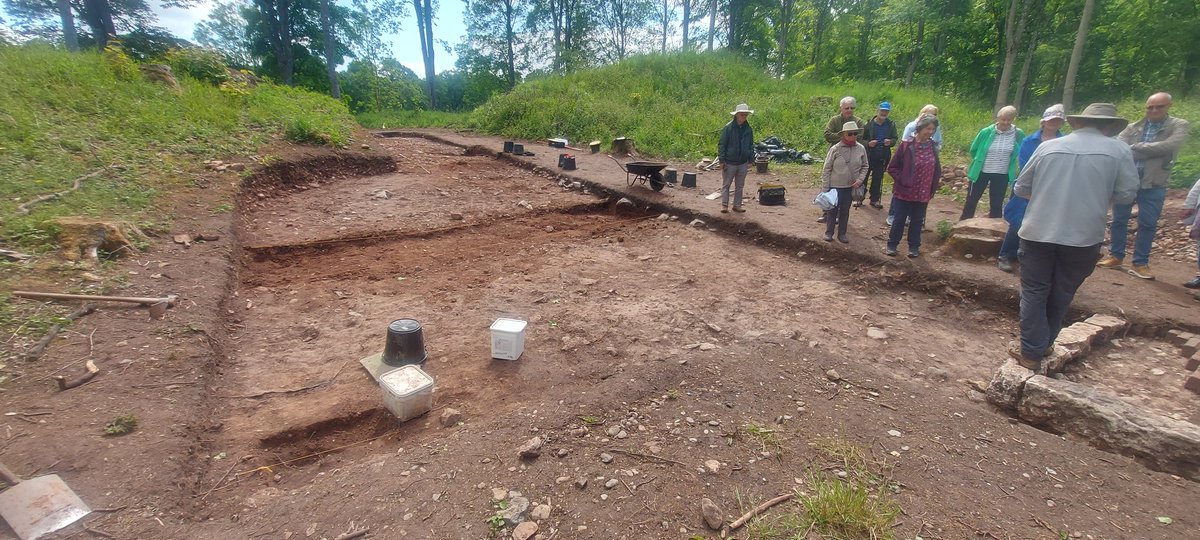
& heaps of medieval pottery in the trench across the later medieval village- the axis of Lowther village seemingly changed from east-west (w/ the Norman ringwork) to north-south (w/ the ascent of the Lowther family & building on their new site) in 14C. #LowtherMedievalCastle 3/4
'The Appleby Magna Carta' - a free public talk on the recent major discovery of Cumbria's Charter by Profs David Carpenter & Nick Vincent, who made the discovery. Friday 27th June, Appleby Public Hall. Free & open to all, but registration is essential: https://t.co/5ciMgK97KA
Applications for the MHS Bursary 2025 are open! Two Research Bursaries (£1,000 each) are available, supporting new research into any aspect of the medieval Welsh March (i.e. 1066-1536), the Marcher lordships or the Mortimer family.
For more info, visit:
https://t.co/QqA5nJsiyE
My review @CurrentArchaeo of Ian Atherton's book 'Britons and their Battlefields: War, Memory, and Commemoration since the 14th century' (OUP): 'essential reading … thoroughly researched, cogently argued, and stuffed with important findings': https://t.co/Eot3vXhBTs
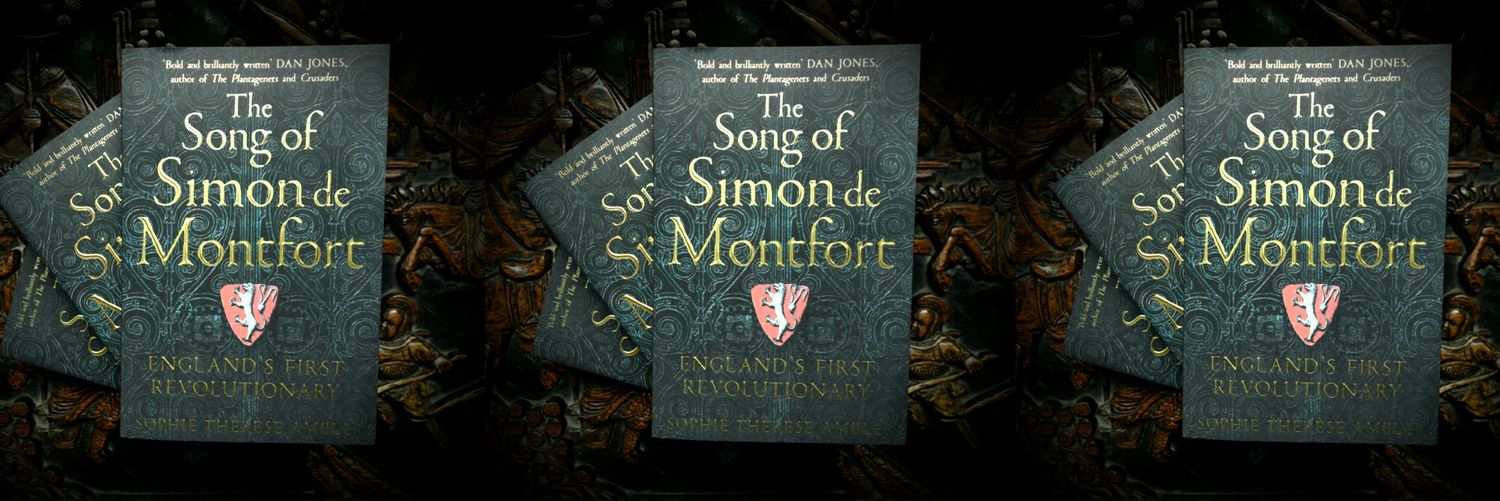
My review of 'Saint Simon de Montfort: The Miracles, Laments, Prayers, and Hymns', edited by David Cox w/ @boydellbrewer, free to read in @MidlandHistory. In short, superb sources + expertly edited & discussed!
https://t.co/vRmGa3RxZj
Join us @IHR_LateMed@ihr_history this Friday, 28th February, when Ruth Salter @UniofReading will be sharing research on 'Holy and Homely Healthcare in Medieval England'. All welcome, in person at the IHR & via Zoom: https://t.co/B9lhSN2tZv
@NotesFASMil Sounds like you're having a wonderful time! I've never been to Gibraltar. Yes that sort of thing would be great when the book is finished, and another dig this year at Lowther ...
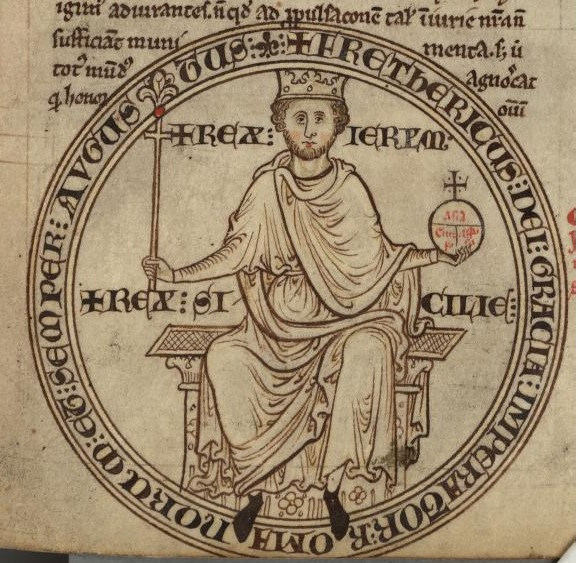
If you're listening to the latest podcast with @monstroso on @wwhspodcast on Simon de Montfort father & son- from the Fourth Crusade to the Albigensian Crusade & England's First Revolution -and wondering why Henry III of England wanted to conquer Sicily and what happened next:
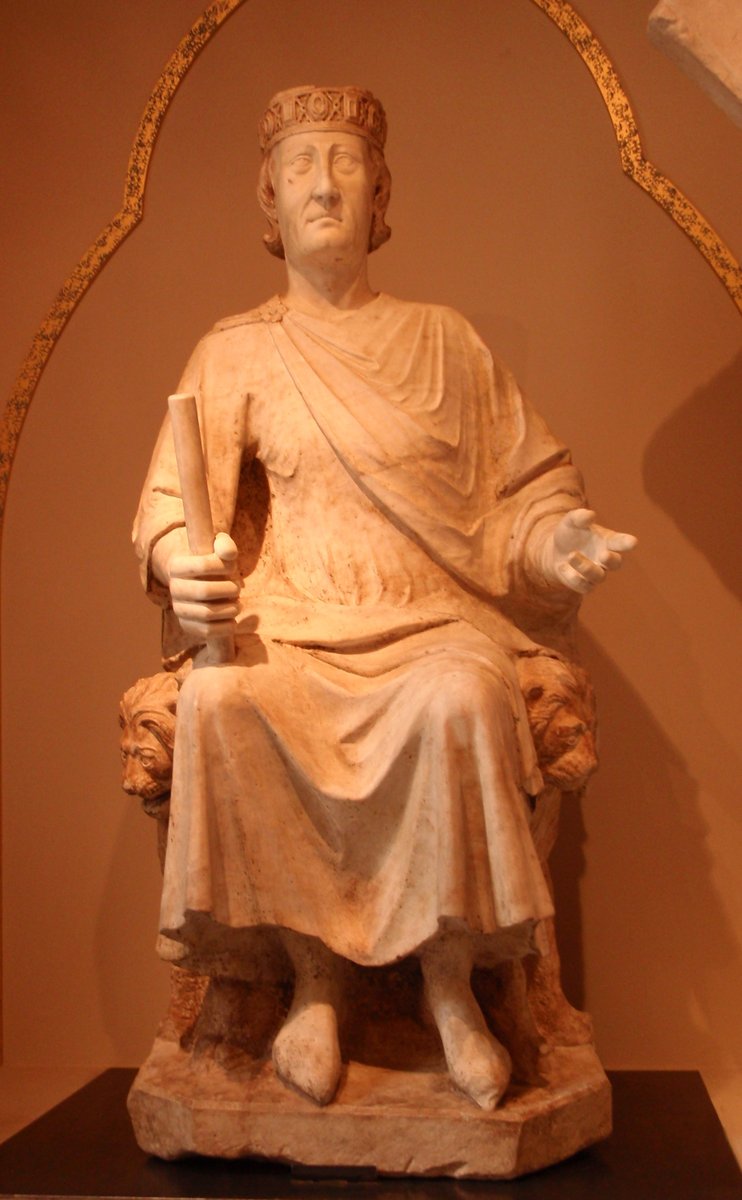
@NotesFASMil Hi Chip, yes Sicily was always a strategic prize. In the 13C, it was part of the Kingdom of Sicily, including southern Italy, ruled by the Hohenstaufen - who also ruled Germany and thus had the papacy surrounded. Hence the pope invited Henry III of England to conquer it ...
@NotesFASMil There's an excellent biography of Charles of Anjou by Jean Dunbabin, and the classic sweeping narrative of the 13C Mediterranean conquests is Steven Runciman's Sicilian Vespers (not so much about the Vespers as the geopolitics and campaigns).
@NotesFASMil Charles of Anjou defeated Conradin of Hohenstaufen at the Battle of Tagliacozzo in 1268. But his rule in Sicily ended in violent uprising - the Sicilian Vespers of 1282 - and he lost the island to the king of Aragon. The story makes for great reading ...