Exciting work from our lab on computer-aided drug design for radio-tracer development titled “Computational Chemistry for the Identification of Lead Compounds for Radiotracer Development” has been recently published in Pharmaceuticals
https://t.co/OhE4oqtiqd
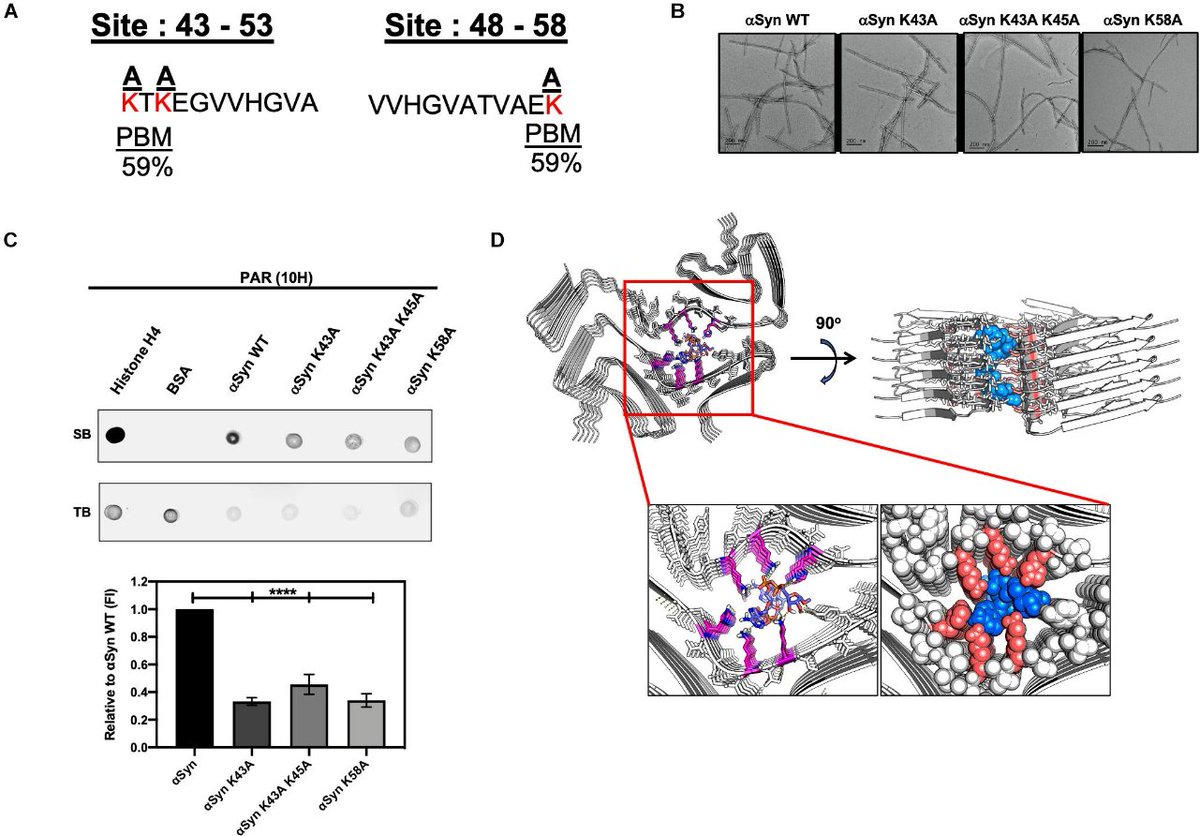
Poly (ADP-ribose) (PAR) is reported to interact with phosphorylated α-Synuclein in post mortem #Parkinsons samples - from @RHMachLab & colleagues; Interactions between negatively charged PAR & lysine residues on the N-terminal region of αSyn confirmed
https://t.co/AHdZ6FEQpy
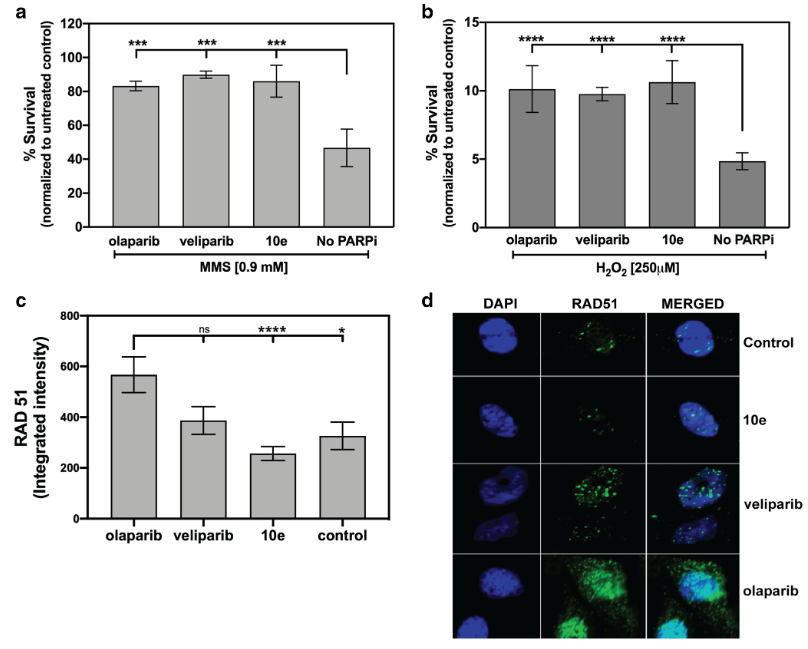
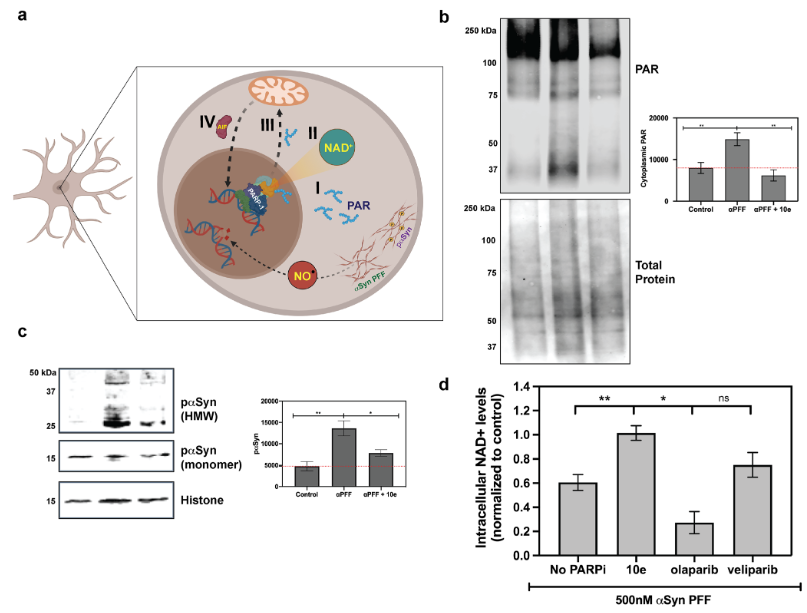
New evaluation of a low-toxicity PARP inhibitors as a neuroprotective agents for #Parkinsons from @RHMachLab; The ideal PARP inhibitor needs to inhibit PARP-1 hyperactivity while also limiting downstream DNA damage & cellular toxicity (ideal for oncology)
https://t.co/OXwQzmkIIq
Proof-of-concept study demonstrates new approach for identifying #PET tracers for Parkinson’s & other neurodegenerative diseases🧠 ft Virginia Lee (@PennPathLabMed), @RHMachLab, Zsofia Lengyel-Zhand (@PennRadiology), @EJPLab & John Ferrie (@PennChemistry) https://t.co/uGwWTQejGH
Check out our recently accepted manuscript 📝 in @ChemCommun
Synthesis and Characterization of High Affinity Fluorogenic α-Synuclein Probes
🔗 https://t.co/SCiLNYyIBo
The Sigma-2 Receptor/TMEM97, PGRMC1, and LDL Receptor complex are responsible for the cellular uptake of Aβ42 and its protein aggregates https://t.co/i2AtZfPlMt #bioRxiv
The Sigma-2 Receptor/TMEM97, PGRMC1, and LDL Receptor complex are responsible for the cellular uptake of Aβ42 and its protein aggregates https://t.co/4CBSMngRV6 #biorxiv_neursci
PARP-1 tracer demonstrates that PARP-1 expression is independent of breast cancer subtype providing foundational evidence to test PARP PET as a companion diagnostic for PARP inhibitor therapy https://t.co/abJ8BQskKi
RT @PennRadiology PARP-1 tracer demonstrates that PARP-1 expression is independent of breast cancer subtype providing foundational evidence to test PARP PET as a companion diagnostic for PARP inhibitor therapy https://t.co/2h8NHfWvPQ
Great @PennMedicine team effort on clinical trial shows PARP-1 expression is independent of breast cancer subtype providing foundational evidence to test PARP PET as a companion diagnostic for PARP inhibitor therapy https://t.co/jqo0IUZomI #PARP1#breastcancer@PennMDForum
Great @PennMedicine team effort on clinical trial shows PARP-1 expression is independent of breast cancer subtype providing foundational evidence to test PARP PET as a companion diagnostic for PARP inhibitor therapy https://t.co/jqo0IUZomI #PARP1#breastcancer@PennMDForum