Earlier this year, the Haitian government purchased the Best Western hotel in Petionville — which shut its doors to guests 7 years ago.
Billed when it opened as a $15M investment, the state paid more than $20M for the property, I'm told.
Two of the owners were Stanley and Chris Handal.
Surely a coincidence that the de facto prime minister's wife is their cousin.
The Caribbean island of Hispaniola is home to Haiti and the Dominican Republic — and even though they are neighbors, tensions between the two linger, stemming from a conflict in 1844.
Still, as @adrianadiaz, with Dominican heritage, and @vladduthierscbs, with Haitian heritage, know well, the two sides have plenty in common. They visited Brooklyn’s Antilles Cafe, named after the island group that contains both countries, to see how two friends are celebrating their cultures together.
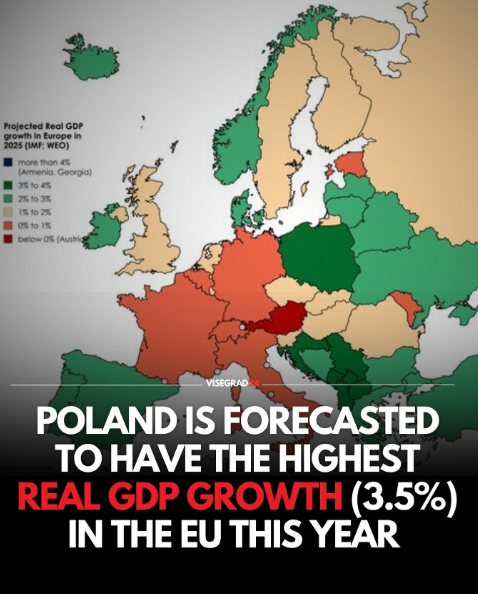
Poland's finance minister has said that Poland will not join the Euro currency, even though Poland is part of the European Union.
Poland has the highest growth in the EU and clearly one of the reasons is NOT being tied to the Euro currency. Poland has kept their own currency, the Złoty.
One of the reasons all growth has stopped in Italy and Greece is linked to their being in the Euro currency with countries like Germany, which are more productive. Over time, goods and services in Italy and Greece become less competitive relative to Germany, because they are stuck in the same currency.
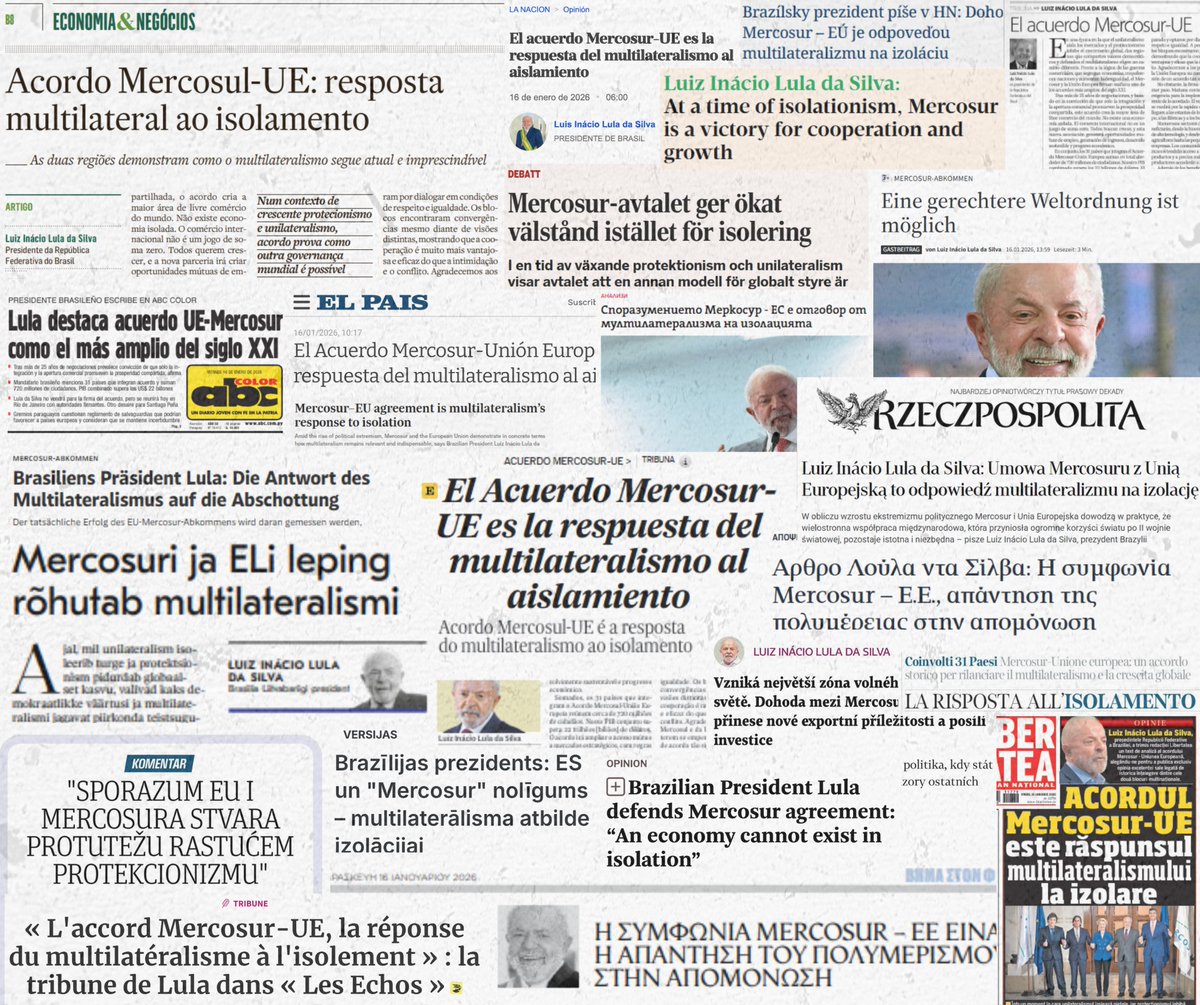
Artigo do presidente Lula publicado em jornais de 27 países do Mercosul e da União Europeia (Brasil 🇧🇷, Argentina 🇦🇷, Bolívia 🇧🇴, Paraguai 🇵🇾, Uruguai 🇺🇾; Alemanha 🇩🇪, Áustria 🇦🇹, Bélgica 🇧🇪, Bulgária 🇧🇬, Chipre 🇨🇾, Croácia 🇭🇷, Eslováquia 🇸🇰, Eslovênia 🇸🇮, Espanha 🇪🇸, Estônia 🇪🇪, França 🇫🇷, Grécia 🇬🇷, Irlanda 🇮🇪, Itália 🇮🇹, Letônia 🇱🇻, Luxemburgo 🇱🇺, Malta 🇲🇹, Polônia 🇵🇱, Portugal 🇵🇹, República Tcheca 🇨🇿, Romênia 🇷🇴, Suécia 🇸🇪) no dia 16 de janeiro.
📰 Acordo Mercosul-UE é a resposta do multilateralismo ao isolamento
Em uma época em que o unilateralismo isola mercados e o protecionismo inibe o crescimento global, duas regiões que compartilham valores democráticos e a defesa do multilateralismo escolhem um caminho diferente. Contra a lógica das guerras comerciais que segregam economias, empobrecem nações e aumentam a desigualdade, Mercosul e União Europeia assinam amanhã um dos acordos mais amplos do século XXI.
Firmado após mais de 25 anos de negociações e baseado na certeza de que só a integração e a abertura comercial promovem a prosperidade compartilhada, o acordo cria a maior área de livre comércio do mundo. Não existe economia isolada. O comércio internacional não é um jogo de soma zero. Todos querem crescer, e a nova parceria irá criar oportunidades mútuas de emprego, geração de renda, desenvolvimento sustentável e progresso econômico.
Somados, os 31 países que integram o Acordo Mercosul-União Europeia reúnem cerca de 720 milhões de cidadãos. Nosso PIB conjunto supera 22 trilhões de dólares. O acordo irá ampliar o acesso mútuo a mercados estratégicos, com regras claras, previsíveis e equilibradas. Ao remover barreiras comerciais e estabelecer padrões regulatórios comuns, os investimentos, as exportações e as cadeias produtivas se multiplicarão nos dois lados do Atlântico.
Uma complementaridade comercial robusta une as economias da América do Sul e da Europa. A versão do acordo que aprovamos resguarda os interesses de setores vulneráveis, garante a proteção ambiental, promove valores compartilhados como a democracia e os direitos humanos, fortalece os direitos dos trabalhadores e preserva o papel do Estado como indutor estratégico do desenvolvimento econômico e social.
A celebração desse acordo só é possível porque Mercosul e União Europeia entenderam ter muito mais a ganhar juntos do que individualmente e optaram por dialogar em condições de respeito e igualdade. Os blocos encontraram convergências mesmo diante de visões distintas, mostrando que a cooperação é muito mais vantajosa e eficaz do que a intimidação e o conflito. Agradecemos os países do Mercosul e da União Europeia por terem se empenhado na conclusão de acordo tão significativo.
A assinatura, no entanto, constitui só um primeiro passo. Amanhã começa uma nova fase de cobrança para a implementação ágil e transparente do que foi pactuado. O sucesso real do acordo será medido pela velocidade com que os seus benefícios alcançarem as prateleiras dos mercados, o campo, as fábricas e os bolsos dos cidadãos.
Inúmeros setores de ambos os lados sairão beneficiados, da bioeconomia à indústria de alta tecnologia, dos pequenos e médios agricultores às pequenas, médias e grandes empresas. Consumidores europeus e sul-americanos terão acesso a produtos mais diversificados e com preços menores, enquanto produtores alcançarão novos mercados.
Para além dos ganhos comerciais e econômicos, o acordo aproxima ainda mais parceiros unidos por laços históricos, de vocação democrática e multilateral. A interdependência é uma necessidade e uma realidade. Só o trabalho conjunto entre Estados e blocos é capaz de promover a paz, prevenir atrocidades e enfrentar os piores efeitos da mudança do clima.
Em um contexto de crescente protecionismo e unilateralismo, o acordo prova como outra governança mundial é possível, mais ativa, representativa, inclusiva e justa. Estes mesmos princípios orientam nossa busca por instituições multilaterais renovadas, como a reforma da Organização Mundial do Comércio e do Conselho de Segurança da ONU.
Ante o crescimento do extremismo político, Mercosul e União Europeia demonstram na prática como o multilateralismo, que tantos benefícios trouxe ao mundo depois da Segunda Guerra, segue atual e imprescindível.
Luiz Inácio Lula da Silva, Presidente da República Federativa do Brasil
What right does the head of a private US military contracting firm have to interfere in and dictate the outcome of another sovereign nation's elections? That's crossing the line, and it's now clear for all to see there can be no free and fair elections with Vectus Global in Haiti. Vectus Global must leave, and those responsible for bringing this curse to Haiti should be identified and sanctioned.
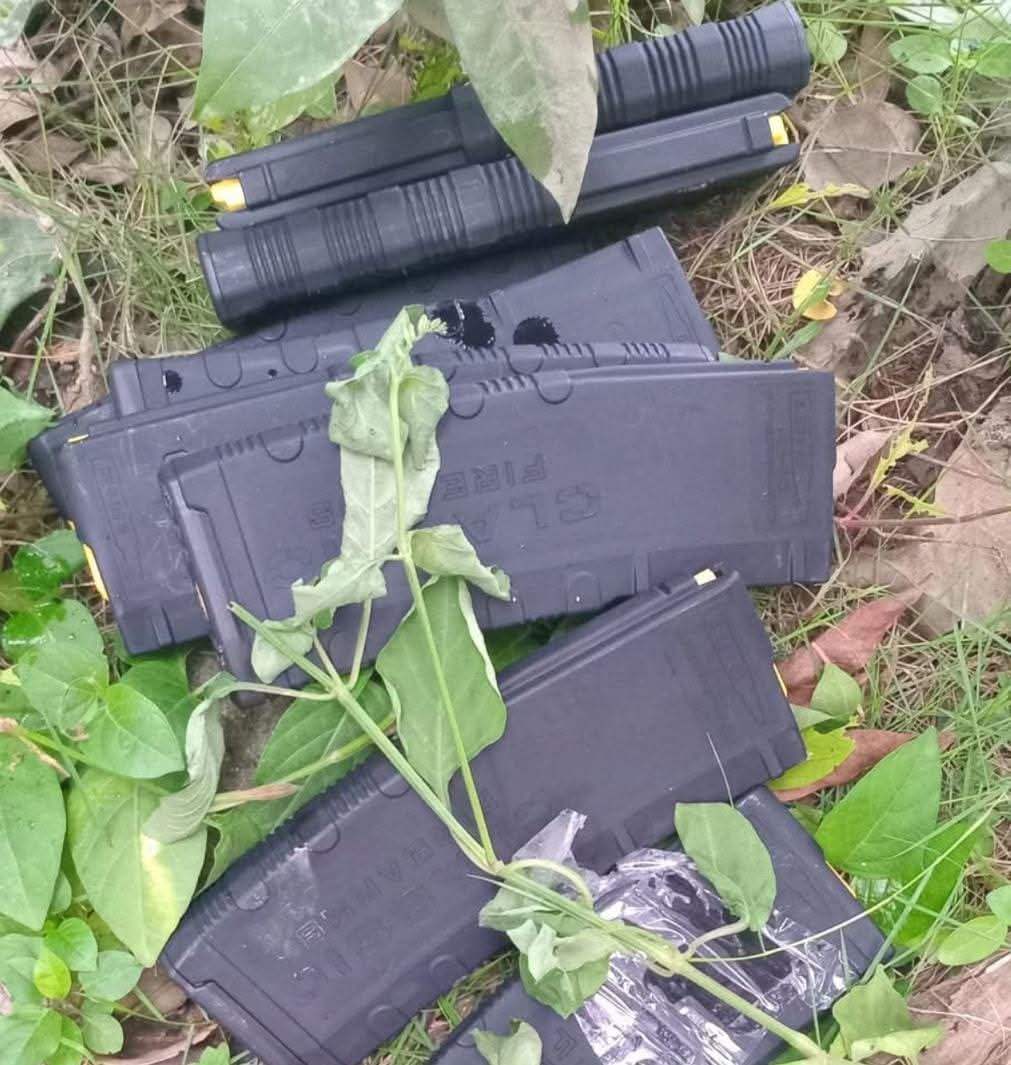
@DonaldTrump@POTUS@VP@marcorubio@SecWar@StateDept@elonmusk Stop dumping guns & ammunitions onto Haiti! That is the best way to help suppress the gangs there. Anoyher occupation force will fail like the others! U can't keep doing the same thing & expect different results!
Global Wealth and Power are Pivoting to the East
History’s wheel is turning. China builds, India rises, BRICS surpasses the G7—while America punishes allies and empowers its Enemies.
In the West, the year 1492 is remembered for two episodes: Columbus’s arrival in the Americas and the fall of Granada, last stronghold of Moorish Spain. But its larger consequence was geopolitical: the compass needle swung westward, ushering in a centuries long reversal in global fortunes.
Wealth that once streamed toward Asia turned into rivers feeding Europe’s ascent.
Silver, gold, sugar, and spices from the Americas acted like jet fuel. They powered science, industry, and empire. Spain, France, Britain, and the Netherlands—naval and commercial predators—rose on the tide, hollowing out the Ottoman world and diverting trade from India and China to the New World.
Today another hinge of history is swinging. Washington’s unspoken fear of a 21st century turn is no less dramatic: economic gravity shifts eastward, led by China and—critically—India.
Beijing’s gamble in the 1990s—to let capitalism breathe, to draw in foreign capital, and to pour trillions into domestic infrastructure—proved as consequential as a century of US industrial growth.
The Belt and Road Initiative, worth more than $1 trillion, is less an infrastructure plan than a circulatory system of steel and concrete veins, designed to redirect the lifeblood of trade back across Asia, Africa, and the Middle East.
In contrast, Washington failed to invest in fast sealift or high speed rail, leaning too heavily on military power.
For the last 25 years, America exhausted itself in deserts and mountains, fighting costly wars that drained trillions, cost thousands of U.S. lives—yet delivered little of enduring strategic value.
Worse still, the technology of war is no longer America’s private domain. Precision strikes, robotics, artificial intelligence, persistent surveillance from seabed to space—once rare advantages—are now widely available, even to mid range powers.
The oceans that once carried American commerce and projected US power have become potential minefields. To move lumbering, World War II style forces across the Pacific, Atlantic, or Indian Oceans today is not just dangerous. It borders on suicidal behavior.
History’s cruel truth remains: the last major war seldom looks like the next.
The battle-space of the future is uncharted, yet America’s Armed Forces and its National Military Strategy remain deeply mired in the past.
The erosion of U.S. military advantage cannot be viewed in isolation; it reflects the widening gap between Washington’s appetite for global hegemony and America’s declining economic strength.
Partly because of Washington’s exhaustion, India has been forced to pick up the slack as a net security provider in the Indian Ocean.
At the same time, India has borne the brunt of fighting Pakistan backed insurgents, incurring heavy casualties just as America did.
India is a member of the Quad alliance with the US, Japan, and Australia, and the United States conducts more military exercises with India than with any other country.
Yet Washington recently imposed duties of 50% on Indian goods—more than double the 15% rate applied to Taliban run Afghanistan and far higher than the 19% levied on Pakistan.
This, even though both regimes sheltered and enabled militant networks that killed American soldiers for twenty years. The paradox is beyond belief: the firefighter is fined more heavily than the arsonist.
At the same time, India carries an outstanding $35 billion order book for Boeing passenger jets supporting 150,000 American manufacturing jobs in Charleston, South Carolina, and Everett, Washington. Yet India is penalized at America’s border.
The deeper problem for the United States is structural. Military dominance can no longer disguise economic erosion. According to the IMF, BRICS now outweighs the G7 in global GDP.
Measured by purchasing power parity (PPP), China’s economy is worth $40.7 trillion, India’s $20.5 trillion, while the U.S. stands at just $29 trillion.
China and India together: $61.2 trillion — more than double the U.S. total. This is not a forecast. It is today’s reality.
The turning point came in 2022, when Washington responded to Russia’s invasion of Ukraine with sweeping sanctions.
The effect of weaponizing the Dollar was profound. The dollar looked less like a safe harbor and more like a trapdoor.
From Riyadh to Delhi, from Brasília to Beijing, capitals saw the risk of conducting commerce in a currency that could be switched off at will. De-dollarization, once a theoretical debate, became urgent strategy.
No surprise, then, that nations across Africa, the Middle East, and Latin America line up to join BRICS and the Shanghai Cooperation Organization (SCO).
They are dissatisfied with a Western order they view as inequitable and extractive. India straddles both worlds—deepening its bond with Washington through the Quad while cultivating ties with Moscow and Beijing in BRICS and the SCO.
Prime Minister Modi’s presence at the recent SCO summit in Beijing alongside President Xi and President Putin reminded Washington that India’s compass will not lock on one direction.
History’s lesson is clear. Trade routes form habits: habits build markets; and markets endure longer than armies. Empire is not lost in a single battle but in the slow corrosion of those habits.
The Ottomans discovered this too late. Nations that consume more than they produce, that intimidate rather than innovate, ultimately sow the seeds of their own decline.
The dollar’s dominance is already eroding. Trade settlements in yuan, rupees, and other currencies increase by the month. The shift is not only monetary: it is strategic.
But the world should remember what American innovation can achieve. From the heartland came inventions and technologies that transformed global life in the last century—from aviation to semiconductors, from biotechnology to the digital revolution.
These capacities still command respect, and if revitalized, they can once again help anchor U.S. prosperity in a multipolar age.
History’s wheel is turning again. Some nations will rise with it. Others risk being crushed beneath its weight.
If Washington seizes the opportunity to adapt—if it makes its business inside the new global order one of commerce and trade rather than unrelenting military intervention—Americans may yet avoid the fate of the Ottomans. But the course correction cannot come soon enough.
Excelente entrevista do presidente Lula ao The New York Times:
- “O Brasil não negociará como se fosse um país pequeno contra um país grande"
- "Tenham certeza de que estamos tratando isso com a máxima seriedade. Mas seriedade não exige subserviência"
- “Nas negociações políticas entre dois países, a vontade de nenhum deve prevalecer. Nós sempre precisamos encontrar um meio termo. Isso não é alcançado 'estufando o peito' e gritando coisas que você não pode entregar, nem abaixando a cabeça e simplesmente dizendo 'amém' a qualquer coisa que os Estados Unidos quiser"
- Se Trump quer ter uma briga política, então vamos ter uma briga política. Se ele quer falar de comércio, então vamos sentar e conversar sobre comércio. Mas você não pode misturar os dois"
- "Espero que a civilidade retorne à relação entre Estados Unidos e Brasil. O tom da carta dele [Trump] foi definitivamente de alguém que não quer conversar"
- “Trato a todos com muito respeito. Mas quero ser tratado com respeito”
- “O comportamento do presidente Trump se desviou de todos os padrões de negociação e diplomacia”
- “Conhecemos o poder econômico dos Estados Unidos, reconhecemos o poder militar dos Estados Unidos, reconhecemos a dimensão tecnológica dos Estados Unidos. Mas isso não nos deixa com medo”
SOBERANIA É INEGOCIÁVEL 🇧🇷
@WilliamsRuto Who gave you the right or permission to sign an agreement on security in Haiti with @luisabinader in the absence of any Haitian representative? Many Kenyans in Europe told me that you are not serious & that Haitians should be careful with you. You've just proved it.