الإيجابيات: إذا أصبح هذا رسميًا عالميًا، فقد يشكل تحولًا كبيرًا في اقتصاد المبدعين عبر مدفوعات الإعلانات. وسيعتمد المبدعون بدرجة أقل على صفقات العلامات التجارية أو البيع. السلبيات
• يقطع تجربة التصفح السلسة
• مزيد من المحتوى المضلل والمطوّل
•
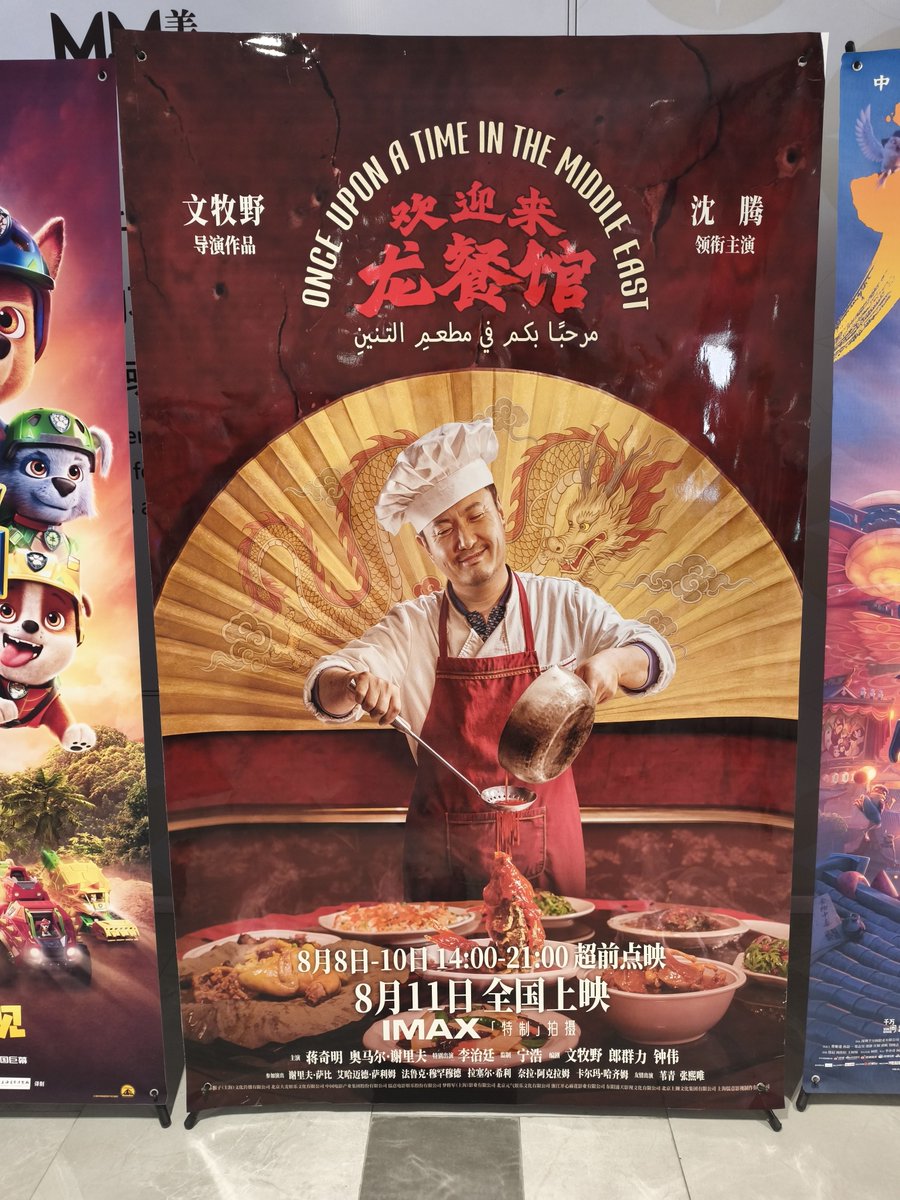
This is a genuinely exceptional movie: probably the single best movie ever made on the Iraq war.
It's called "Once upon a time in the Middle East" (欢迎来龙餐馆) and I just watched it in a Chinese movie theater, but I'm sure it will be available abroad at some point (if not the case already).
It follows the story of a Chinese chef, Xu Fu, who travels to Iraq pre-war to cook at a Chinese restaurant in Baghdad. When the war breaks out, he initially wants nothing to do with it - he's already bought his ticket home. But his boss Zaid, an official at the water and electricity ministry, convinces him to stay and keep supplying meals to the safe zone for high pay.
As the occupation descends into chaos, Xu Fu gets pulled deeper into the conflict: he's detained and interrogated by the Americans for his ties to Zaid (who has become an insurgent after his family died in the war), then he gets detained by the insurgency when they attack the US prison where he was held, and he eventually end up trying to protect a group of orphans from being recruited as child bombers.
It's the contrary of pro-war propaganda, as war movies too often are: it's a film about how war swallows everyone who thinks they can stand apart from it. There are no glorious causes in it, no "good" or "bad" side, only people caught in the madness.
It's not even anti-American, at least not in a crude way: the film clearly blames the US for starting the war - which they did - but Xu Fu ends up befriending a group of American soldiers who become patrons of his restaurant and are themselves clearly portrayed as victims of the war, as are Iraqis.
As such there is no hatred in this movie - the only hatred is against hate itself, against the dynamic of war and maybe against rulers who decide to trigger it.
Which makes it a very subtle and profound film: it never lectures, never simplifies, and lets the tragedy play out quietly until it overwhelms you.
People weary of Hollywood's black-and-white framing, where wars are always morality plays with designated good guys, will find it deeply refreshing: here there are just human beings, which is precisely what makes it so devastating.