Turtle Tour: FEW SPACES STILL AVAILABLE!
Sunday, July 19 • 9 AM - 11 AM
Join a wildlife walk and collect some data!
Now that Swan Lake has thawed, the turtles are out and sunning themselves! Join RSPP Conservation Steward Collin as you explore the herpetofauna of Rockefeller. Discover turtle behavior and ecology, learn about key box turtle research happening right here in the Preserve, and help Collin check turtle traps to get a turtle census.
Recommended age: 5+.
Cost: $4.
Please register: https://t.co/nU8v9lWacb
Parking: $6 per vehicle.
Photo courtesy of Kim Fendrich
TOMORROW!! TOMORROW!! TOMORROW!!
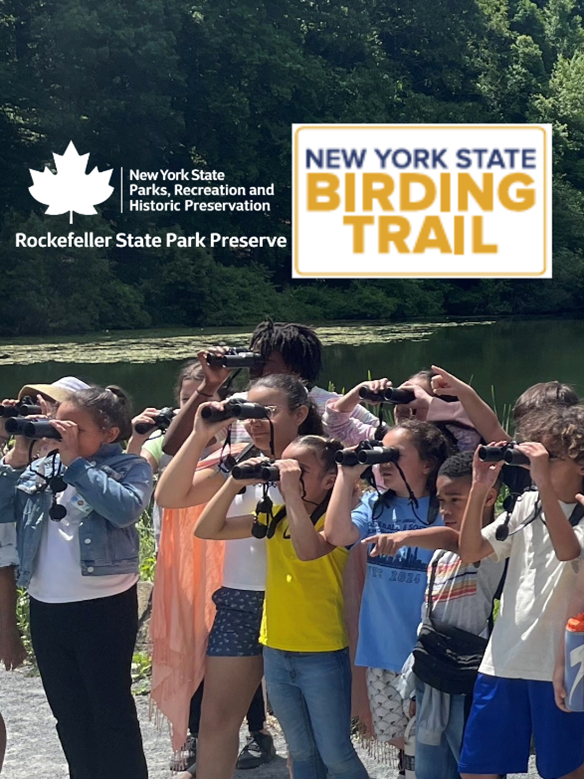
Family Birding Workshop♿
Saturday, July 18 from 9:30am-11am
Now that the spring migration is over, the Preserve is packed with new birds! You just have to know where to look
Bring the family for a morning of exploration as we search the Preserve for colorful songbirds, soaring hawks, busy woodpeckers, and whatever feathered surprises the day brings.
Along the way, you’ll learn simple birding skills that will help you notice wildlife wherever you go, even in your own backyard.
No matter what your age, birding is a hobby that can last a lifetime. We hope to see you there!
Photo courtesy of Anne Swaim
Register at: https://t.co/K0yEvL4XVy
For those of you who have not had a chance to see the amazing show going on NOW in the RSPP gallery, here are two videos to inspire you to make the visit!
Artists: https://t.co/Ot8s54UBnR
Animators: https://t.co/KbHlZ390tI
Please sign the visitor book and let us know what you think of the show!
REPOSTING VIDEO DUE TO TECHNICAL DIFFICULTIES
Tremex Columbia, the pigeon horntail wasp, does not sting, though the ovipositor sheathe of the female looks like it would deliver a wallop. Instead, it houses the black needle-like ovipositor that can project from the middle of the abdomen’s underside, penetrating the wood of ailing trees with a twisting-drilling motion. The ovipositor itself is formed of two toothed sections that alternate grabbing the wood, and thereby penetrating it. As the wasp lays (see video), a symbiotic fungus, Cerrena unicolor, is fed through the ovipositor along with the egg. The egg will not develop until the fungus has prepared the way for the larva by breaking down the tree’s cellulose—this may take a month. Larvae not only eat the broken down wood, they also store the fungus in two pouches that will ultimately become a pair of structures called mycangia on the adult. In other words, adult female wood wasps already possess the fungus they will need in order to oviposit. In the video, I can’t be sure whether I am seeing a little sawdust from the twisting of the ovipositor, or a little of the fungus, In an intriguing case of double dealing, it appears the fungus that has been helped into the tree by the wasp (a benefit to the fungus: it can later fruit on the outside of the tree) subsequently produces a pheromone that attracts two specialist parasitoid wasps that parasitize the horntail larva!
Both the male and female are large. Daunting, even, with spectacular coloring: the blue sheen to the brown-tinted wings; the black abdomen lit by yellow bands; yellow legs and orange antennae highlighting the redness of the thorax and head. You can see that the horntail is close to its sawfly lineage, because like a sawfly, it does not have a wasp “waist.” They feed on nectar.
No, they do not destroy trees. But if a hardwood tree like maple or beech is weak or dying (from lightning, pest infestations, or other causes), you may get lucky enough to see a pigeon horntail in the fall. I saw mine on a sickened beech at the end of September and early October. A male dropped on my head from a maple tree in July.
A guest post from Maggie Schwed, SBC Pollinator Consultant. Part of the RSPP/SBC Partnership. For more information on Stone Barns visit @stonebarns on IG
Between The Lines Exhibit
View Exhibit July 5 - AUGUST 22
An innovative collective of illustrators, writers & animators expanding the possibilities of visual storytelling.
FEATURED ARTISTS: Nick Bruel, Mike Dolce, Ryan Ehrenkaufer, Betsy Franco Feeney, Ashley Gerst, Lorna Gonsalves, R.H. Lola Koundakjian, Simone Kurtz, Heidi Matonis, Cate McNider, Matilda Rose, Franklin Silva, Richard Thompson, Matthew Van Fleet, Sam Wedelich
The Art Gallery at the Rockefeller State Park Preserve
125 Phelps Way, Pleasantville NY
Gallery Hours: Monday-Sunday, 9:30am-4:30pm
Wood duck and snapper at Swan Lake, from GlennH
I imagine on the second picture the turtle has turned around and is saying to the duck "Hey, you lookin at me?!" (😄RangerSu)
July 19, 1-3pm, Kids Day at the Gallery
Join us for a fun afternoon at the gallery—rain or shine!
Children will enjoy an engaging storytime, sing-along, and face painting plus receive a complimentary copy of the park's new coloring book.
For ages 3 - 8. Space is limited, advance registration is required. Each child or sibling group may be accompanied by only one adult.
Registration Link: https://t.co/FRBKzu9rvd
Between The Lines Exhibit
View Exhibit July 5 - AUGUST 22
An innovative collective of illustrators, writers & animators expanding the possibilities of visual storytelling.
FEATURED ARTISTS: Nick Bruel, Mike Dolce, Ryan Ehrenkaufer, Betsy Franco Feeney, Ashley Gerst, Lorna Gonsalves, R.H. Lola Koundakjian, Simone Kurtz, Heidi Matonis, Cate McNider, Matilda Rose, Franklin Silva, Richard Thompson, Matthew Van Fleet, Sam Wedelich
The Art Gallery at the Rockefeller State Park Preserve
125 Phelps Way, Pleasantville NY
Gallery Hours: Monday-Sunday, 9:30am-4:30pm
BLOOMS>>INSECTS>>BIRDS
by RangerSu
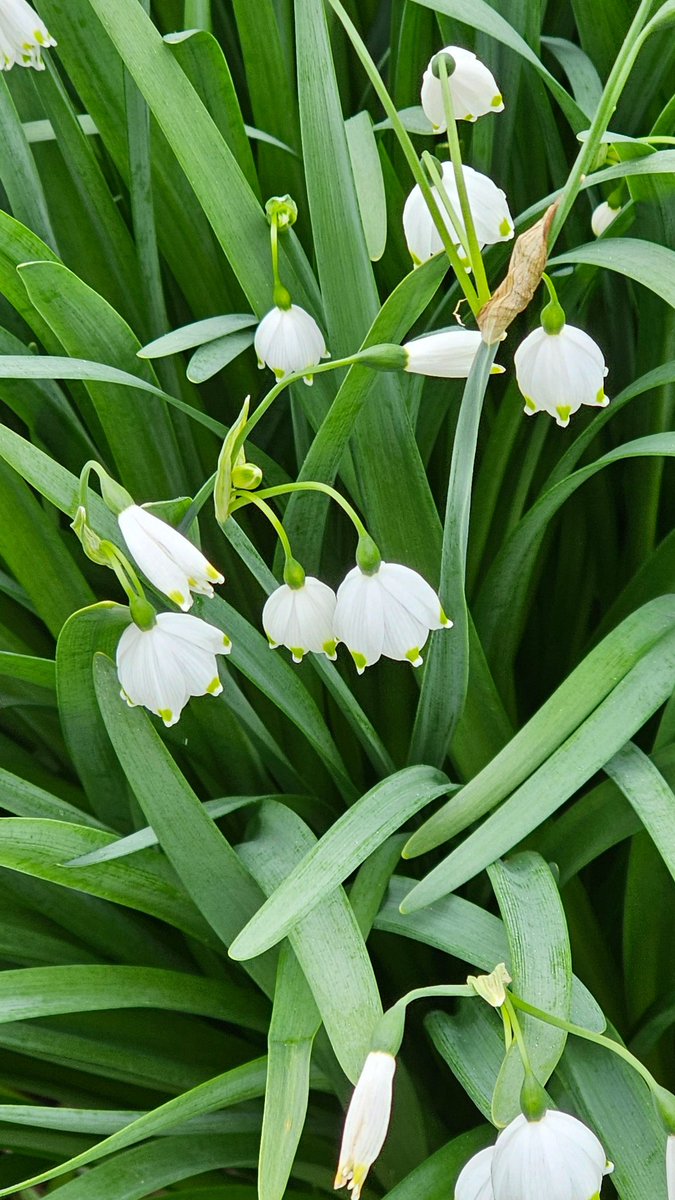
Did you ever think about this? Spring starts with blooms! We all love seeing those lovely "Snowdrops" literally emerging through what we hope is the last frost. But it never occurred to me that this seemingly simple event is really the start of something much bigger. Something which I now know (thanks to our Environmental Educator, Joe Zarzhevsky) is called "the great Spring migration". Joe explained to me the concept of:
BLOOMS>>INSECTS>>BIRDS
Blooms, like those Snowdrops, come first. These attract the early insects, insects which may, in fact, be wired to emerge in-sync with the blooms! The same hard-wired magic continues as migratory birds time their own return to sync with the best food for their young. And what is that? Well it’s those bugs which are feeding on those blooms!
It seems so obvious yet, I honestly never gave it much thought. In Spring we get our beloved wildflowers. These come out because the forest is still without tree leaves. And this is the perfect situation for many kinds of wildflowers which take advantage of this short window of direct sunlight. What follows the wildflowers? Bugs! which tend to be short-lived so they need food fast. Thus they come back on the heals of the wildflowers. Some reawaken from their slumber while others return from their winter homes timed to take advantage of this seasonal bounty.
What eats the bugs? Among other things, migratory birds. And what keeps those birds migrating back each year? Among other things, many return with the emergence of these bugs which are a perfect food for raising their young!
So just remember: BLOOMS>>INSECTS>>BIRDS.
Read more:
1: https://t.co/bSpGAmQBhZ.
image credits: RangerSu
Thanks to Lisa D'Amico, our gallery curator, for these great images from this weekend's gallery reception. And, of course, thanks to all the participating artists and our patron community!
Tremex Columbia, the pigeon horntail wasp, does not sting, though the ovipositor sheathe of the female looks like it would deliver a wallop. Instead, it houses the black needle-like ovipositor that can project from the middle of the abdomen’s underside, penetrating the wood of ailing trees with a twisting-drilling motion. The ovipositor itself is formed of two toothed sections that alternate grabbing the wood, and thereby penetrating it. As the wasp lays (see video), a symbiotic fungus, Cerrena unicolor, is fed through the ovipositor along with the egg. The egg will not develop until the fungus has prepared the way for the larva by breaking down the tree’s cellulose—this may take a month. Larvae not only eat the broken down wood, they also store the fungus in two pouches that will ultimately become a pair of structures called mycangia on the adult. In other words, adult female wood wasps already possess the fungus they will need in order to oviposit. In the video, I can’t be sure whether I am seeing a little sawdust from the twisting of the ovipositor, or a little of the fungus. In an intriguing case of double dealing, it appears the fungus that has been helped into the tree by the wasp (a benefit to the fungus: it can later fruit on the outside of the tree) subsequently produces a pheromone that attracts two specialist parasitoid wasps that parasitize the horntail larva!
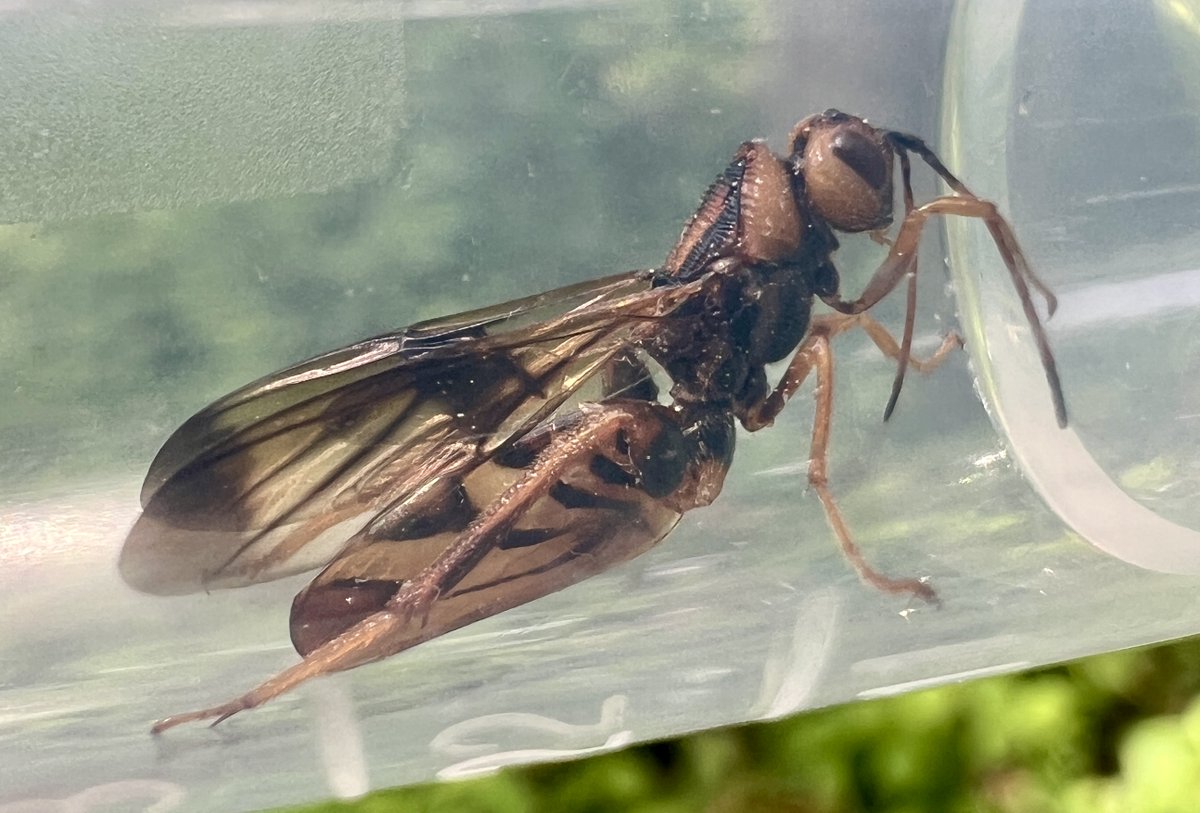
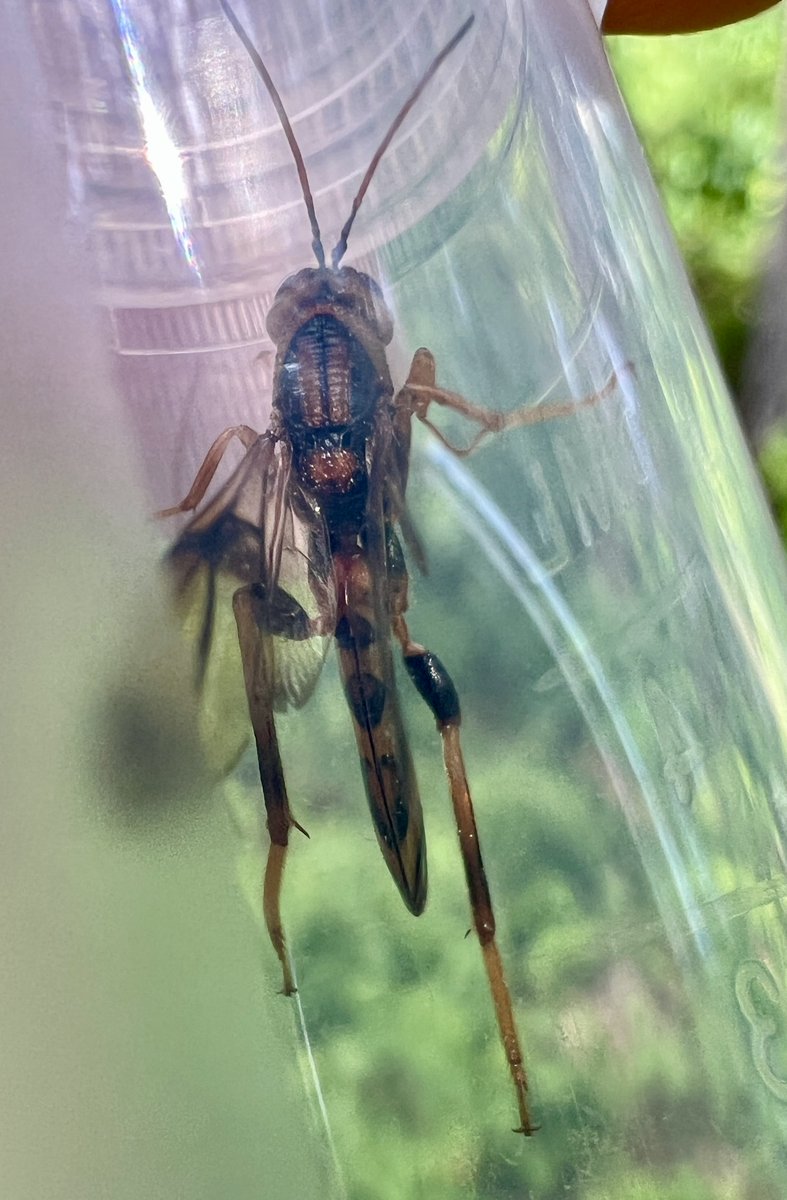
You might spot either of its two parasites in the late spring/early summer. I don’t have an image of Megarhyssa macrusus, the giant Ichneumon wasp, that uses its own flamboyantly long ovipositor to penetrate deep to the slowly tunneling horntail larva. But the second wasp, Ibalia anceps (below) tends to parasitize larvae that are closer to the surface of the tree, ready to emerge. The female’s distinctive abdomen looks like it’s been squeezed upright in a panini press.
A guest post from Maggie Schwed, SBC Pollinator Consultant. Part of the RSPP/SBC Partnership. For more information on Stone Barns visit @stonebarns on IG
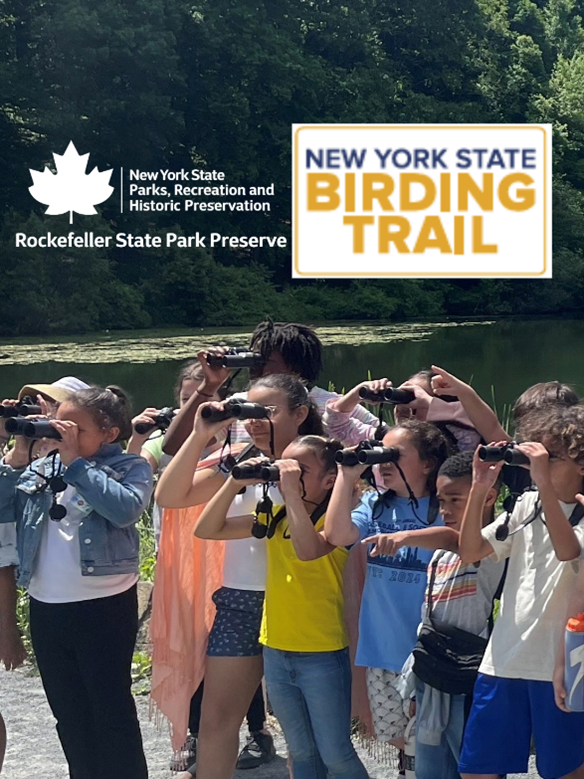
Family Birding Workshop♿
Saturday, July 18 from 9:30am-11am
Now that the spring migration is over, the Preserve is packed with new birds! You just have to know where to look
Bring the family for a morning of exploration as we search the Preserve for colorful songbirds, soaring hawks, busy woodpeckers, and whatever feathered surprises the day brings.
Along the way, you’ll learn simple birding skills that will help you notice wildlife wherever you go, even in your own backyard.
No matter what your age, birding is a hobby that can last a lifetime. We hope to see you there!
Photo courtesy of Anne Swaim
Register at: https://t.co/K0yEvL4XVy
July 19, 1-3pm, Kids Day at the Gallery
Join us for a fun afternoon at the gallery—rain or shine!
Children will enjoy an engaging storytime, sing-along, and face painting plus receive a complimentary copy of the park's new coloring book.
For ages 3 - 8. Space is limited, advance registration is required. Each child or sibling group may be accompanied by only one adult.
Registration Link: https://t.co/FRBKzu9rvd
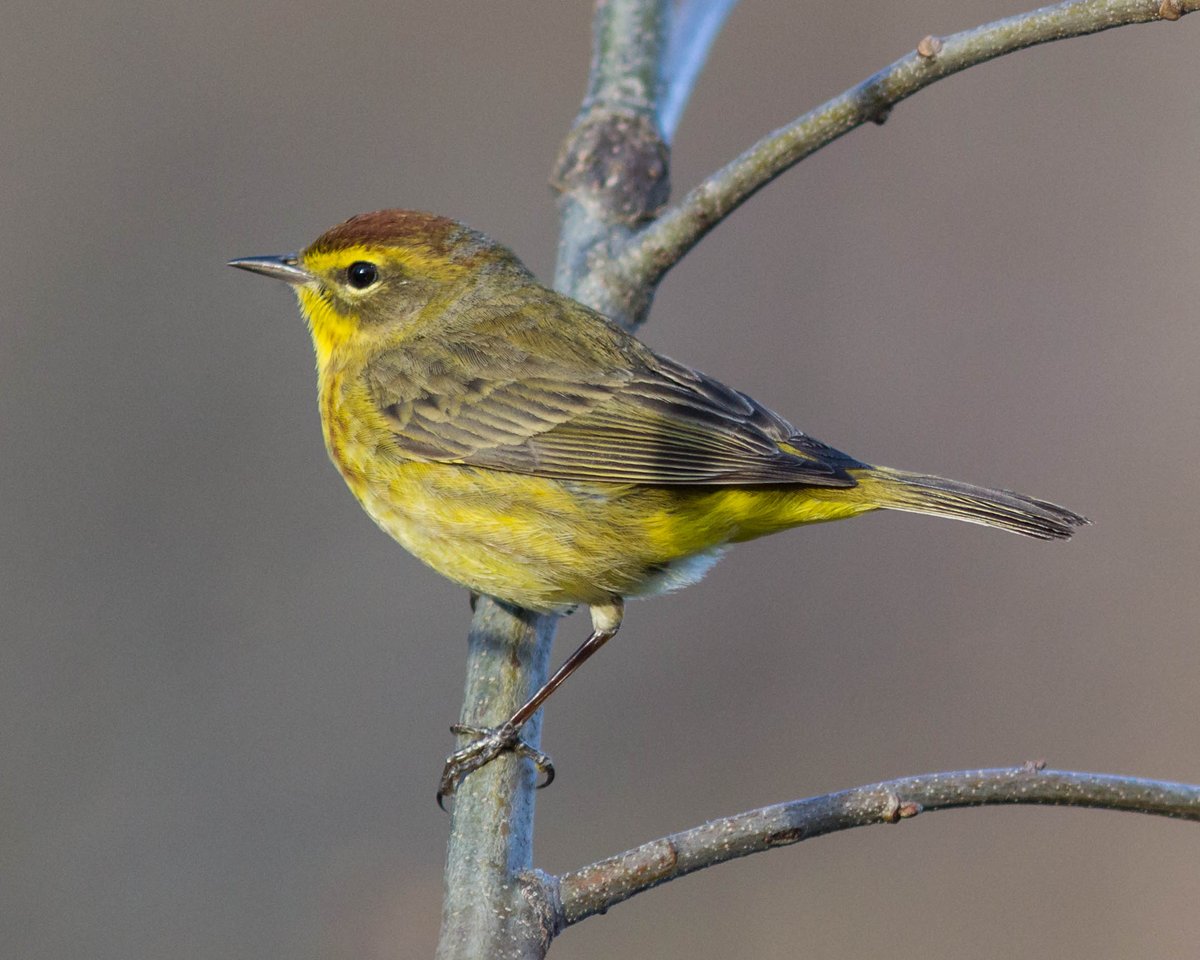
Palm Warbler
Palm Warblers can be found in Rockefeller State Park Preserve during Spring. They are yellow and have the chest bars like the male Yellow Warbler but can be distinguished by their brown cap. Males and females are very similar in appearance which makes it difficult to differentiate them. Palm Warblers mainly eat insects. Unlike other warblers, Palm Warblers frequently forage on the ground. Also, unlike other warblers, Palm Warblers engage in frequent tail-bobbing.
Palm Warblers build their nests on or near the ground. They mainly breed in Canada and the most northeastern United States (Maine and the Great Lakes region). They migrate to the southeastern portion of the US and Central America in the winter. Palm Warblers are named for the palm trees found where these birds spend their winters.
From guest blogger and master bird photographer Bill Golden.
Thanks Bill!
Questions or comments?
send to [email protected]
RECEPTION TODAY, JULY 12, 1-3PM! MEET THE ARTISTS OF THIS AMAZING SHOW!
Rockefeller Gallery
An innovative collective of illustrators, writers and animators expanding the possibilities of visual storytelling.
"Trust me, you have never seen a show like this one!" RangerSu
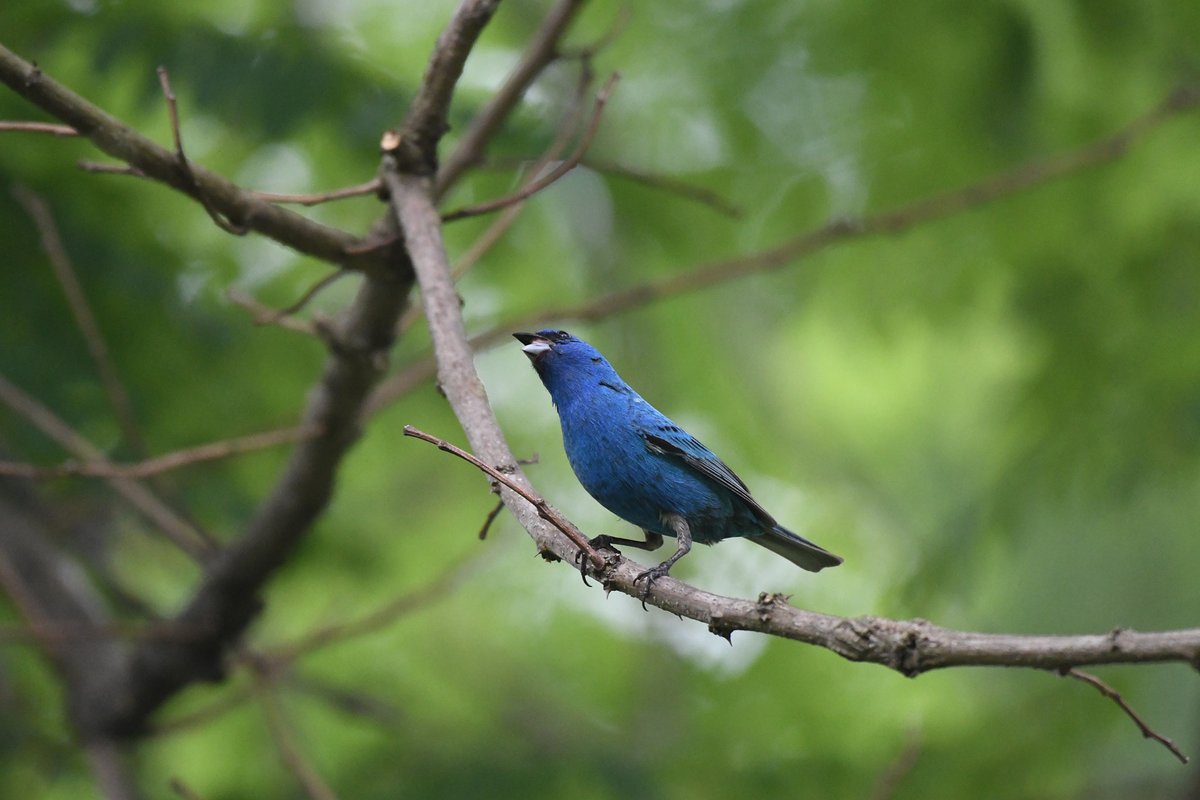
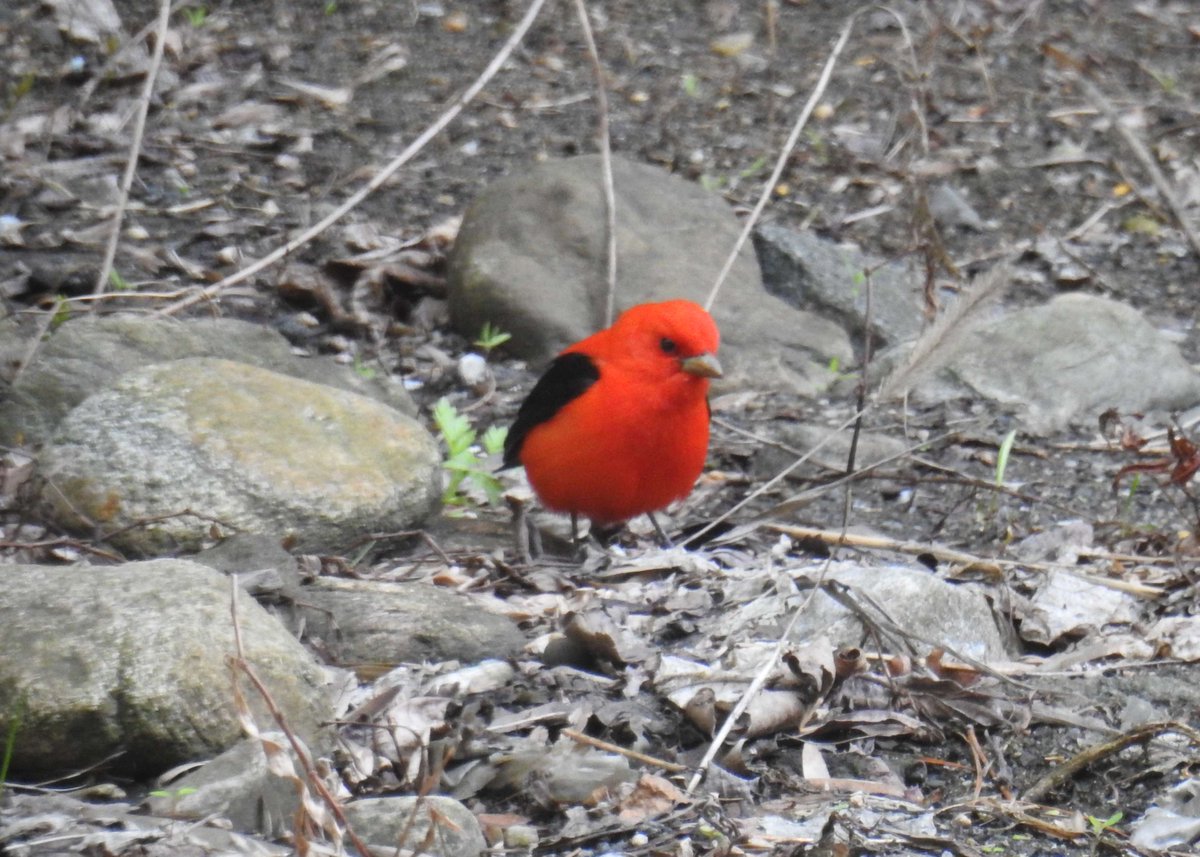
Wow! take a look at these great images of our resident "Indigo Buntings" as captured by GeneP. Keep your eyes open for these beauties because Gene says they are still around!
RangerSu
'Between the Lines' celebrates authors and illustrators who bring stories to life through the seamless interplay of text and image. Showcasing a diverse array of artistic styles and creative voices, the exhibition highlights the unique ability of these creators to build rich, immersive worlds entirely through their own words and illustrations. Through this dynamic fusion of narrative and visual expression, the featured works reveal the power of storytelling in its most integrated form.
On exhibit July 5 - August 22
Art Reception: July 12, 1-3pm
Online Artists Talk: July 20, 7pm
Online Animators Talk: July 27, 7pm
TONIGHT!! TONIGHT!! TONIGHT!!
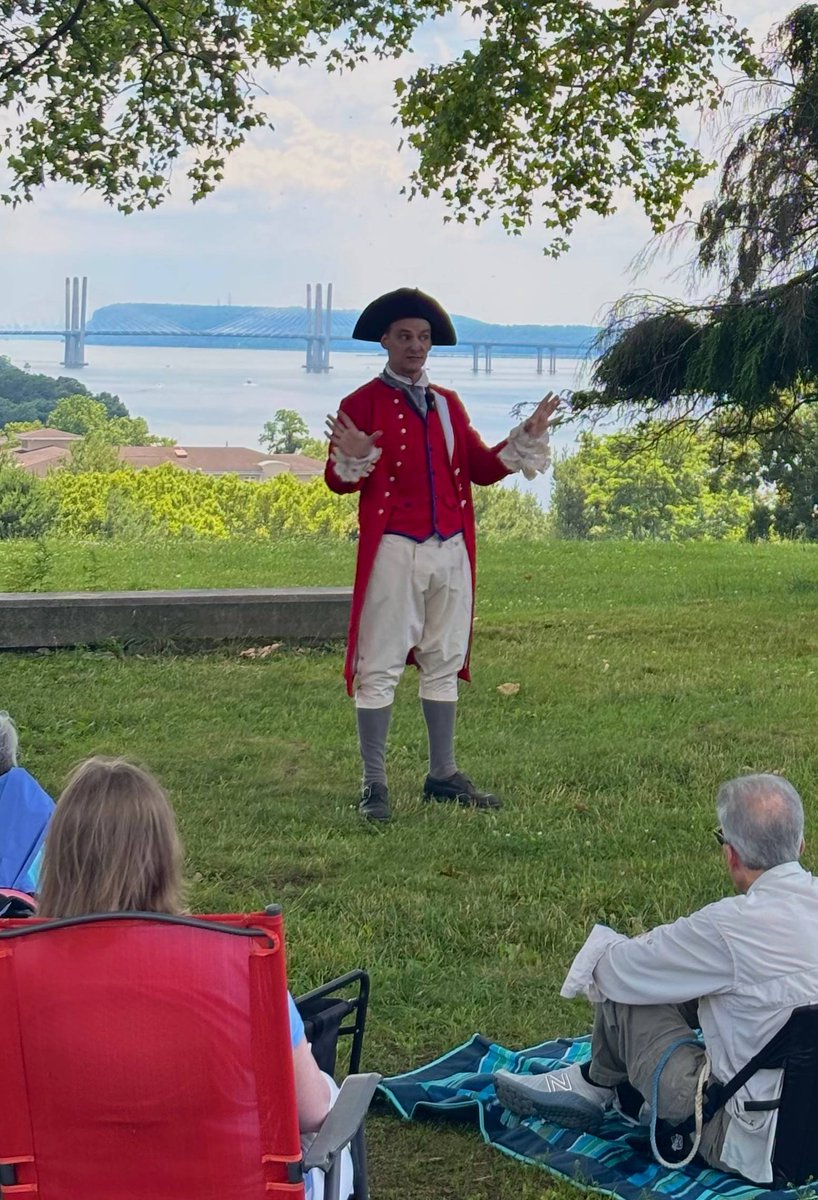
Major John André!
Saturday, July 11th, 7:00 pm - 8:00 pm (rain or shine)
At the Rockwood Hall Foundation
Visit David Rockefeller's Rockwood Hall Foundation at sunset to have a chance encounter with the area's most notorious spy - Major John Andre. Bring an evening picnic and be regaled by Andre's harrowing journey and ultimate capture by three American militiamen near the village of Tarrytown.
Note: Registration required! We are a carry-in, carry-out facility with no trash receptacles. Come at least 10 minutes early to find parking in our small lot or at the Phelps Hospital parking garage and to walk to the Foundation site.
Register at: https://t.co/4NBYyXvitB
Between The Lines Exhibit
View Exhibit July 5 - AUGUST 22
An innovative collective of illustrators, writers & animators expanding the possibilities of visual storytelling.
FEATURED ARTISTS: Nick Bruel, Mike Dolce, Ryan Ehrenkaufer, Betsy Franco Feeney, Ashley Gerst, Lorna Gonsalves, R.H. Lola Koundakjian, Simone Kurtz, Heidi Matonis, Cate McNider, Matilda Rose, Franklin Silva, Richard Thompson, Matthew Van Fleet, Sam Wedelich
The Art Gallery at the Rockefeller State Park Preserve
125 Phelps Way, Pleasantville NY
Gallery Hours: Monday-Sunday, 9:30am-4:30pm
Major John André!
Saturday, July 11th, 7:00 pm - 8:00 pm (rain or shine)
At the Rockwood Hall Foundation
Visit David Rockefeller's Rockwood Hall Foundation at sunset to have a chance encounter with the area's most notorious spy - Major John Andre. Bring an evening picnic and be regaled by Andre's harrowing journey and ultimate capture by three American militiamen near the village of Tarrytown.
Note: Registration required! We are a carry-in, carry-out facility with no trash receptacles. Come at least 10 minutes early to find parking in our small lot or at the Phelps Hospital parking garage and to walk to the Foundation site.
Register at: https://t.co/4NBYyXvitB