If our #BirdOfTheWeek dressed up for Halloween, it’d be a bandit.
Meet the Fish Crow, an eastern U.S. bird known for its distinctive nasal call and opportunistic eating habits.
Learn more: https://t.co/oKufeVtnxy
What do a comic book, a science fiction novel, and an environmental justice movement have in common? On Oct. 8, we held a creative writing workshop at the University of Maryland at the intersection of environmental justice and student advocacy.
More: https://t.co/ZYBuebUzNn
Our latest report examines the environmental costs of U.S. toilet paper consumption and outlines solutions, from choosing more sustainable paper products to strengthening corporate accountability and forest protections.
Read the report: https://t.co/BGAnrZfYfo
Last week, we brought Rachel Carson’s legacy of wonder and environmental advocacy to Yale University through a series of student workshops.
Learn more about our time at Yale: https://t.co/e7VXP8pWxf
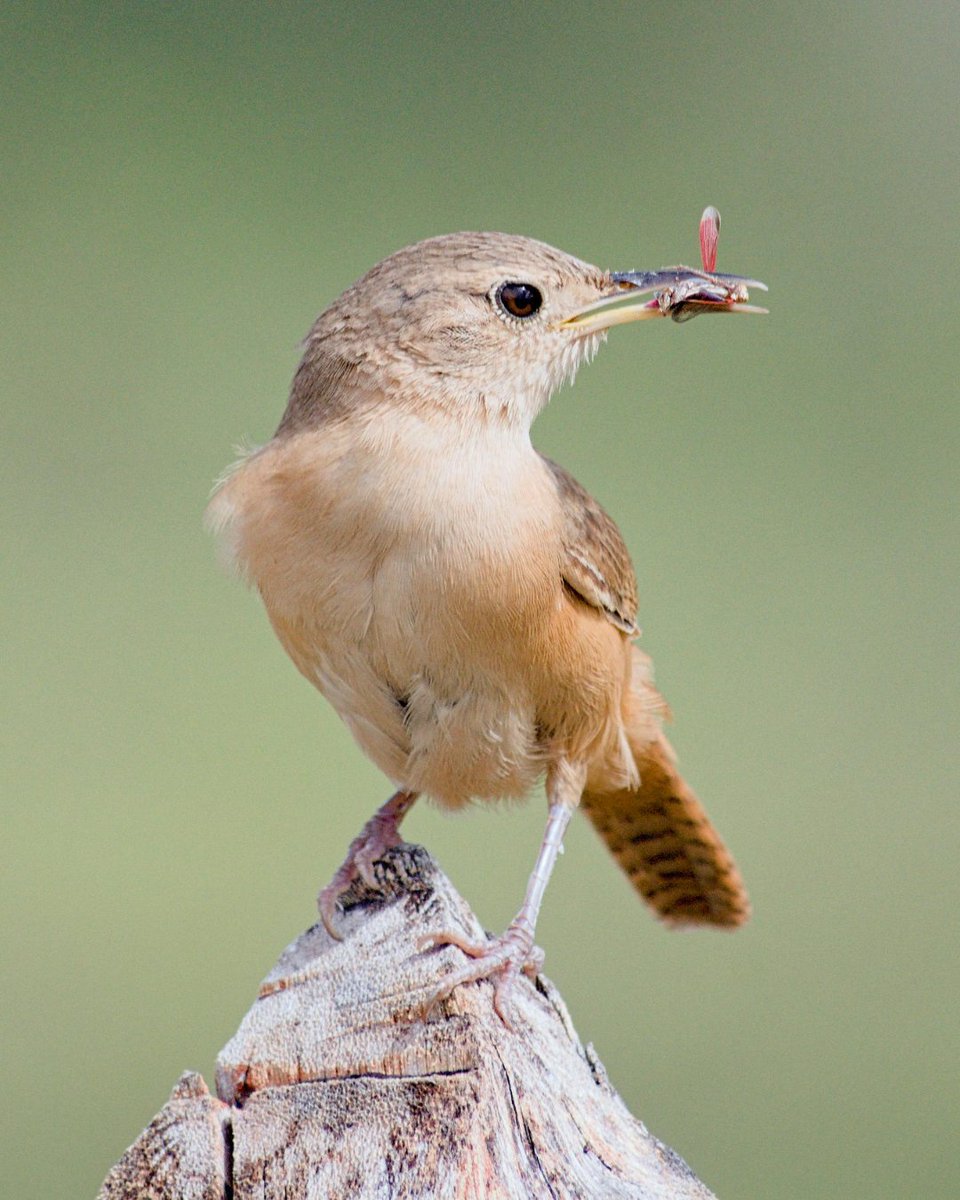
Bird Fact: Bewick’s Wrens forage for insects and spiders among shrubs, brush piles and tree bark, using their slender, curved bills to search for food in tight spaces.
Learn more about our #BirdOfTheWeek: https://t.co/oKufeVtnxy
#Birding
RCC Fellows are ready to vote. What are YOU voting for in November? Let us know in the comments.
Find all the info you need to vote here: https://t.co/RP2YapJRSb
#RCCVotes
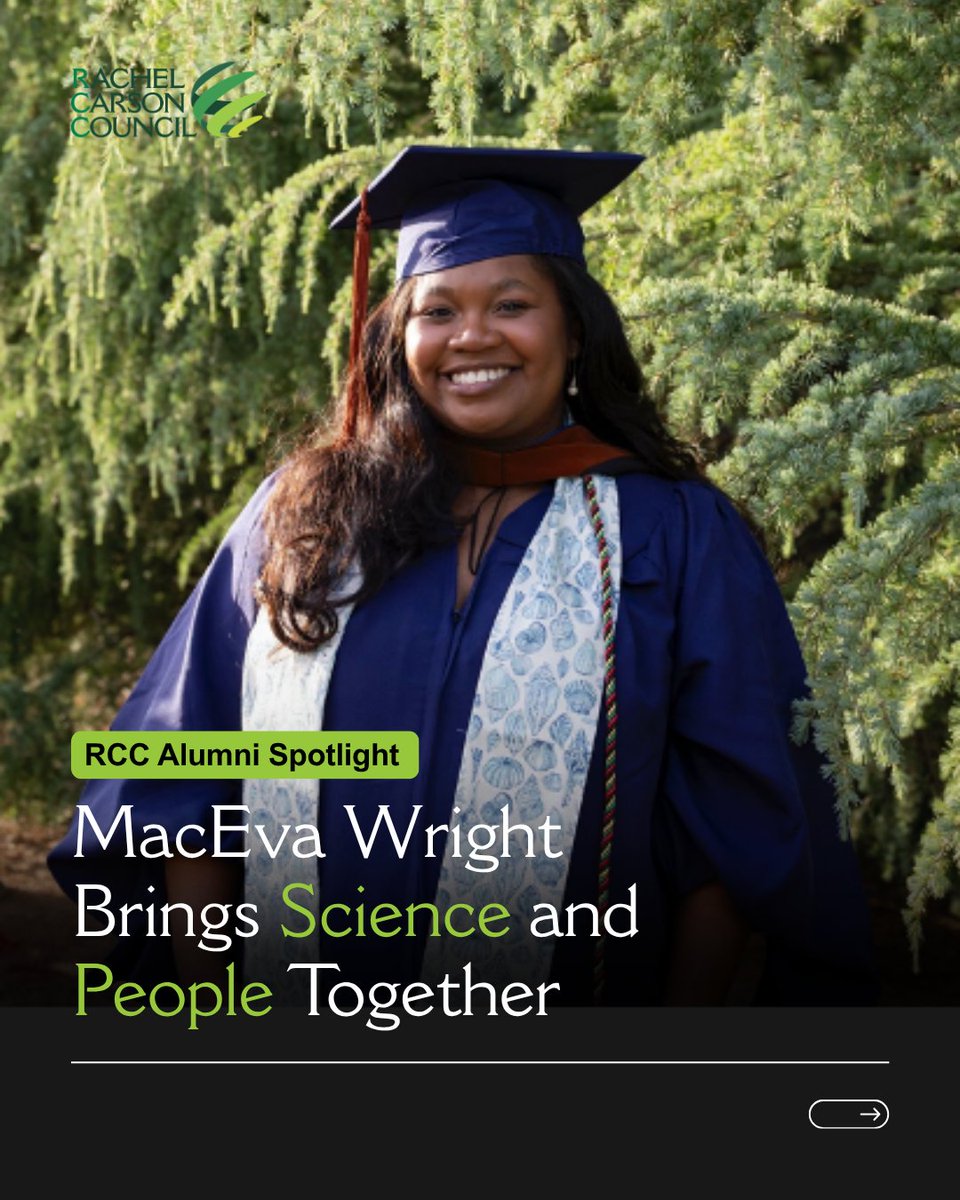
MacEva Wright held our Stanback Fellowship and our National Environmental Leadership Fellowship.
We sat down with her to discuss how her work has evolved after completing these fellowships one year ago.
Read her interview: https://t.co/hfgGpNsolx
Do you have a story to tell about the environment? Submit your work to our Voices of Carson Storytelling Award!
Submissions are due Dec. 31, 2026.
Learn more: https://t.co/goRfuHbpNT
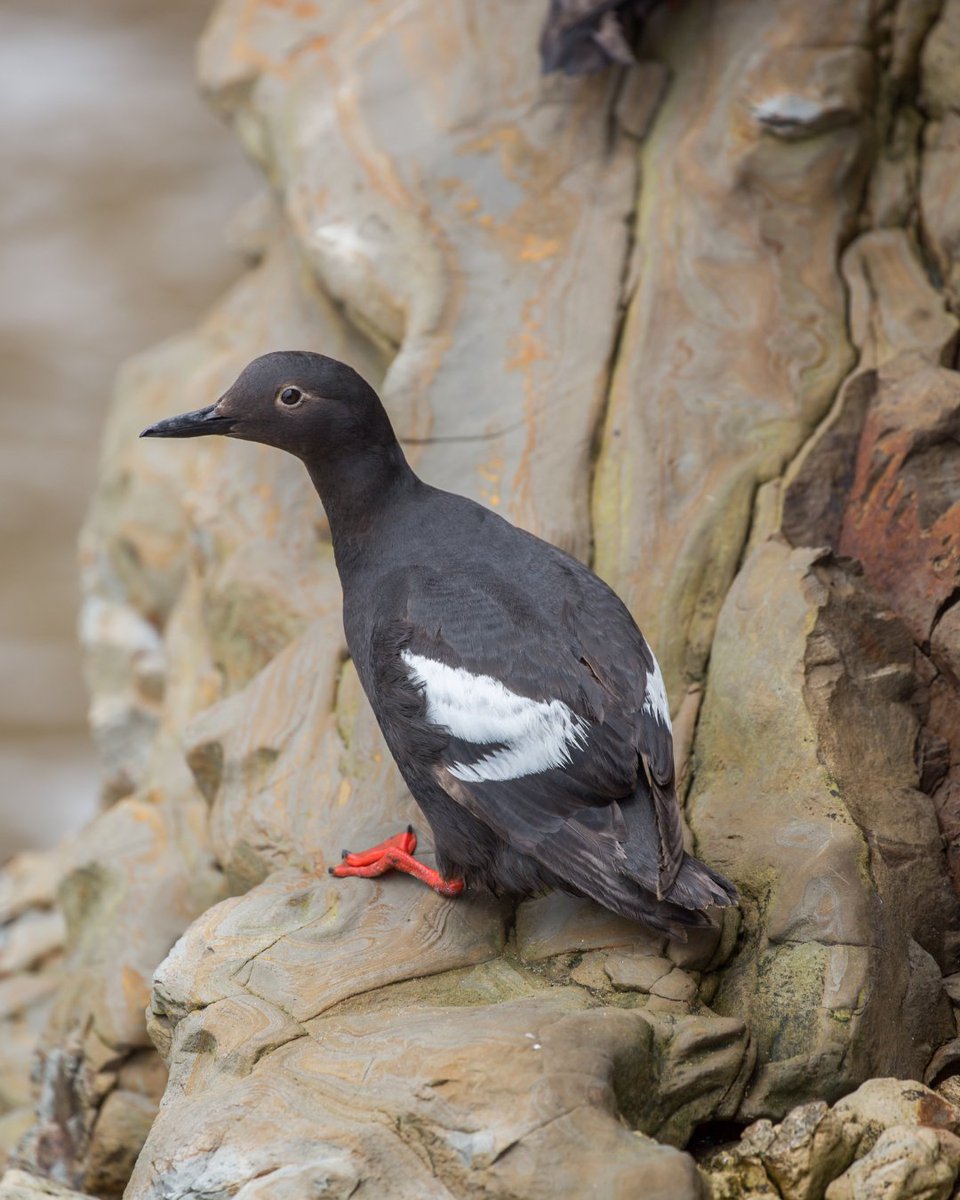
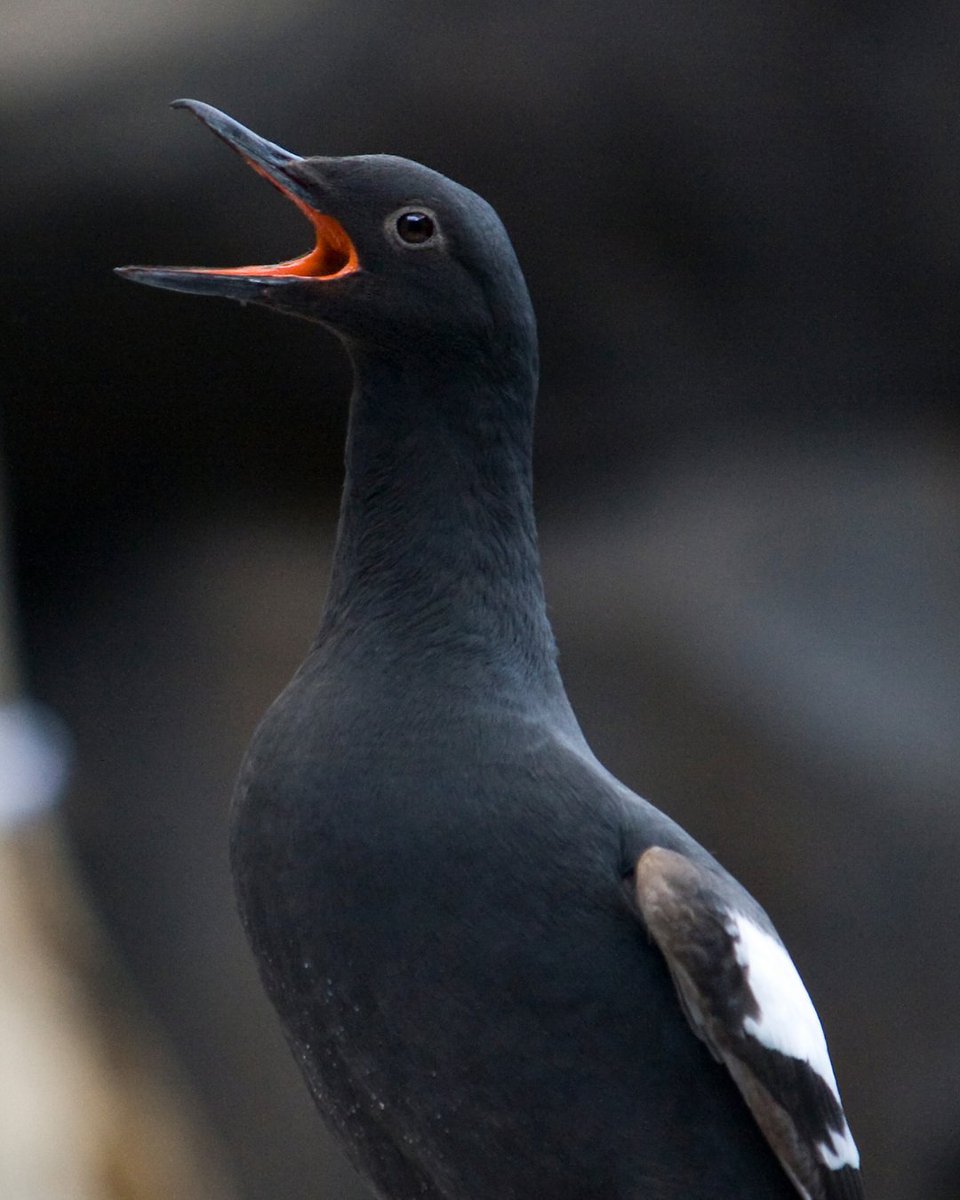
With red feet and a red mouth, our #BirdOfTheWeek is a stunner!
The Pigeon Guillemot is a medium-sized coastal seabird found along the shores of the North Pacific.
Learn more: https://t.co/oKufeVtnxy
In November 2025, rows of smokestacks began releasing hazardous chemicals into the air in Southaven, Mississippi. Just half a mile away, homes stood directly in the air pollution’s path.
More: https://t.co/K2J9CgjHBx
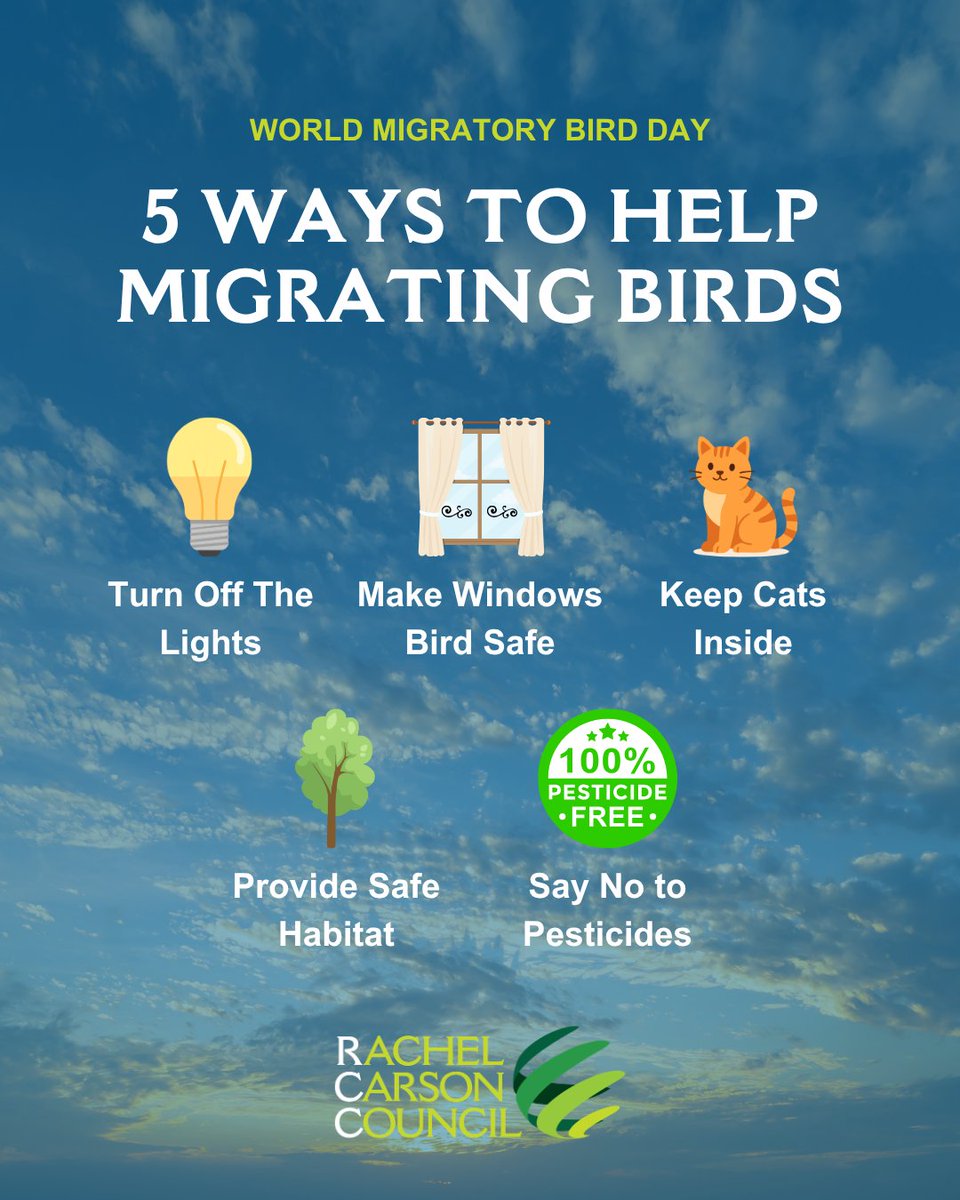
It’s World Migratory Bird Day! Every fall, billions of birds take to the skies to migrate across North America and beyond. Their journeys are incredible, and you can help make them a little safer.
Learn more ways to support migratory birds this season: https://t.co/GNQ4798vsr
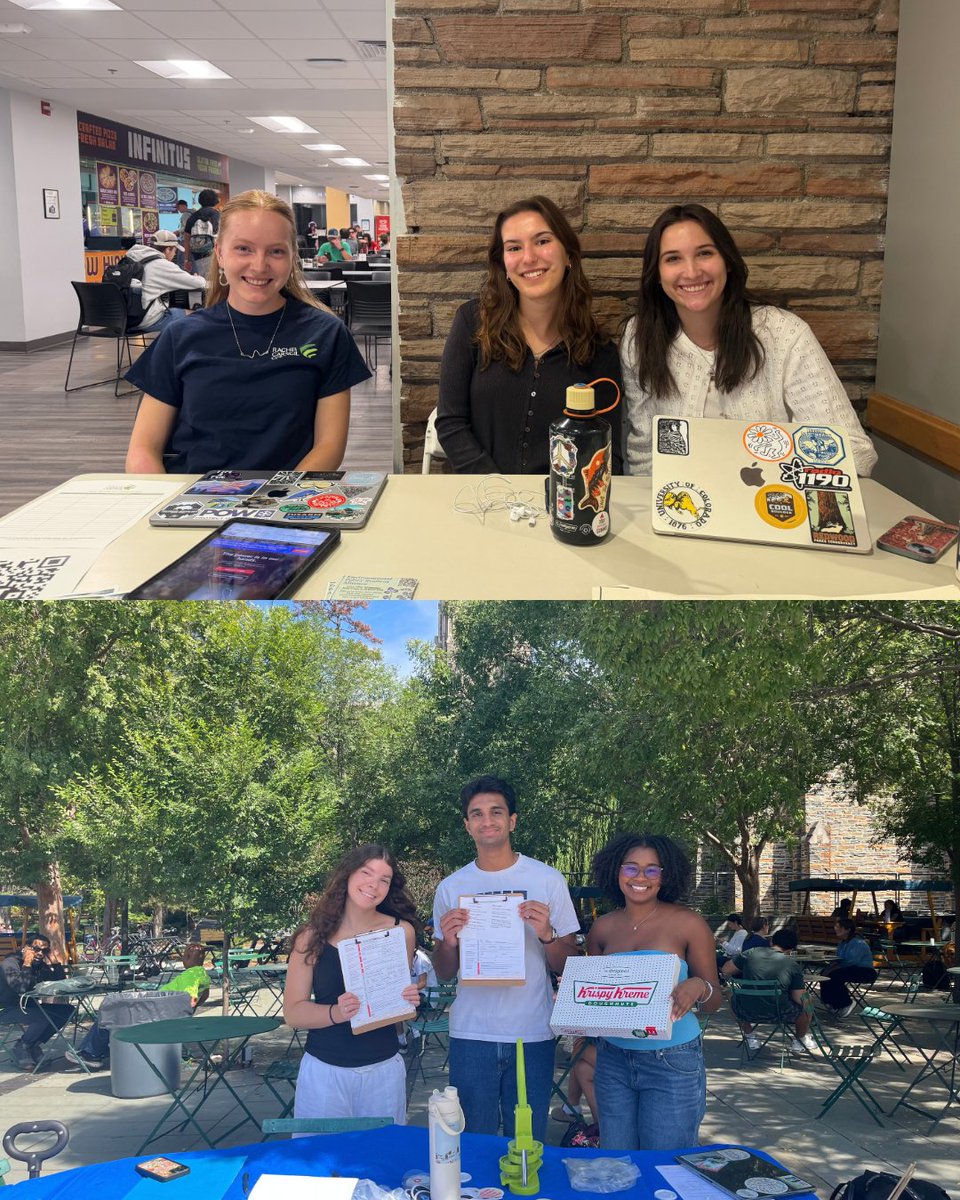
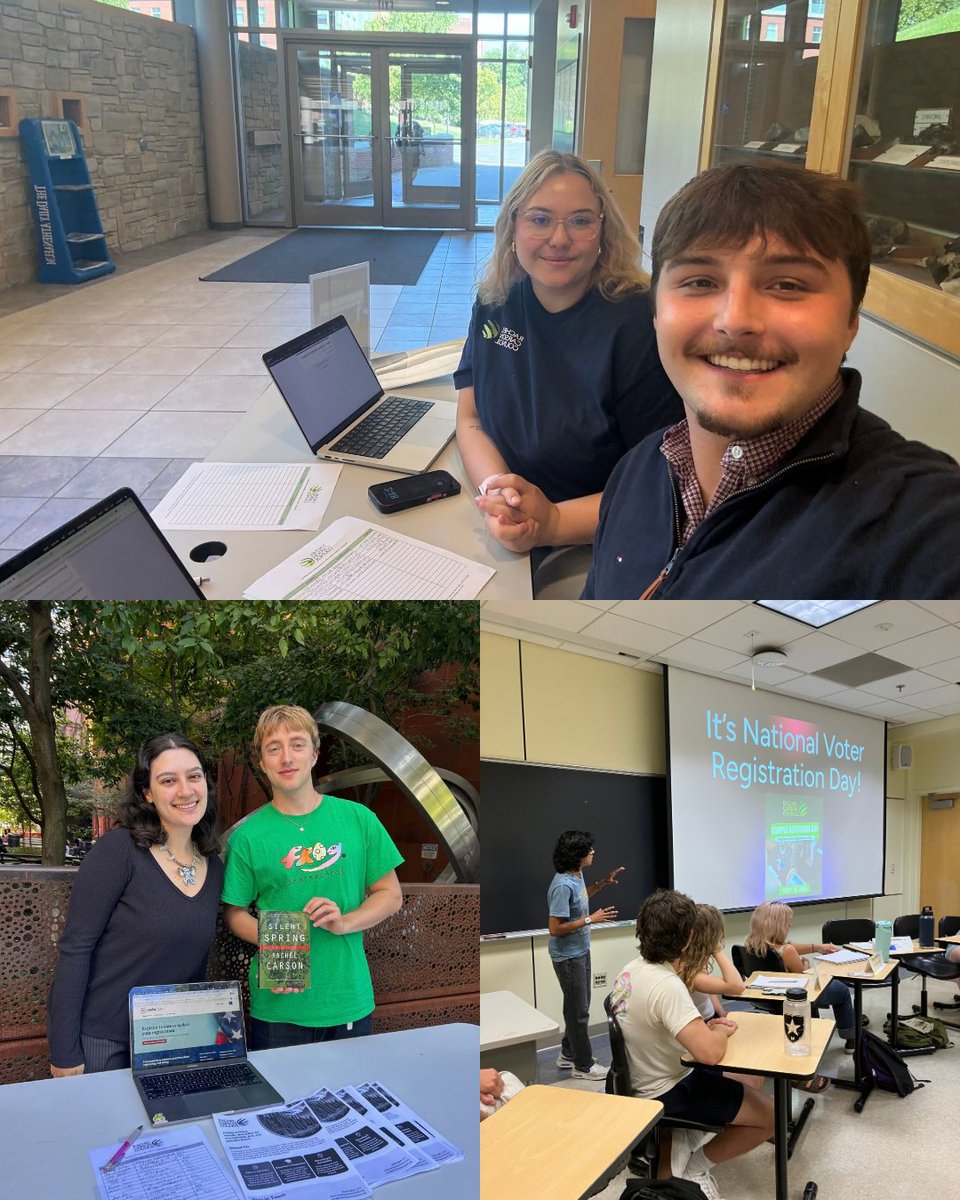
1000 Students. 16 Campuses. 1 Day of Action.
In Sept., we led our first campus activation day for National Voter Registration Day, bringing voter education and registration resources to campuses nationwide.
Learn more: https://t.co/XJtXDTwTL8
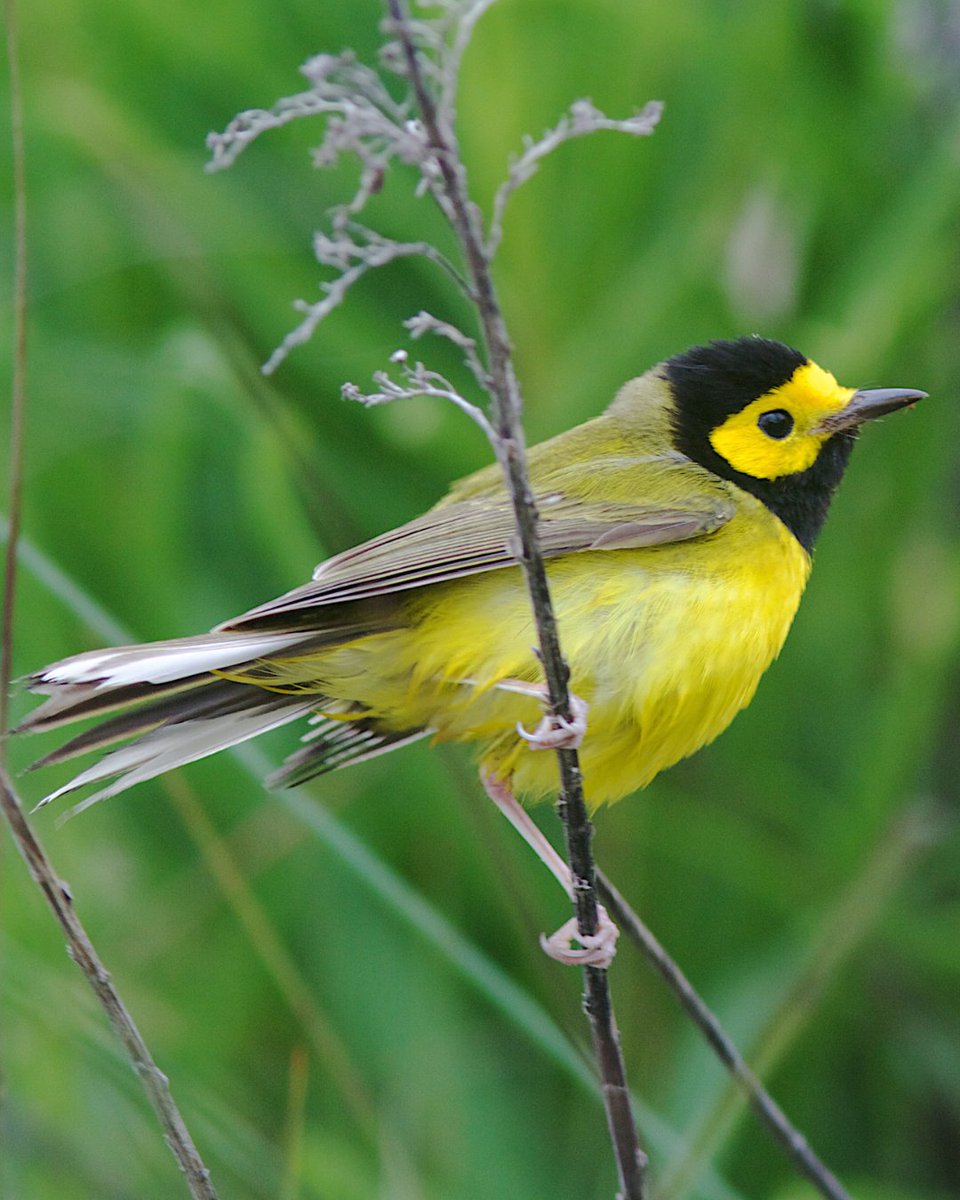
Our #BirdOfTheWeek loves to show off its tail feathers!
Found in forests across the eastern United States, the Hooded Warbler is easy to spot thanks to its bright yellow cheeks and distinctive black hood.
Learn more: https://t.co/oKufeVtnxy
Rachel Carson taught us that when we don't understand the full consequences of a new technology, the wise path is to pause and evaluate before the damage is done.
Tell Congress to pause new AI data center construction until there are protections in place: https://t.co/ceBAtahxRf
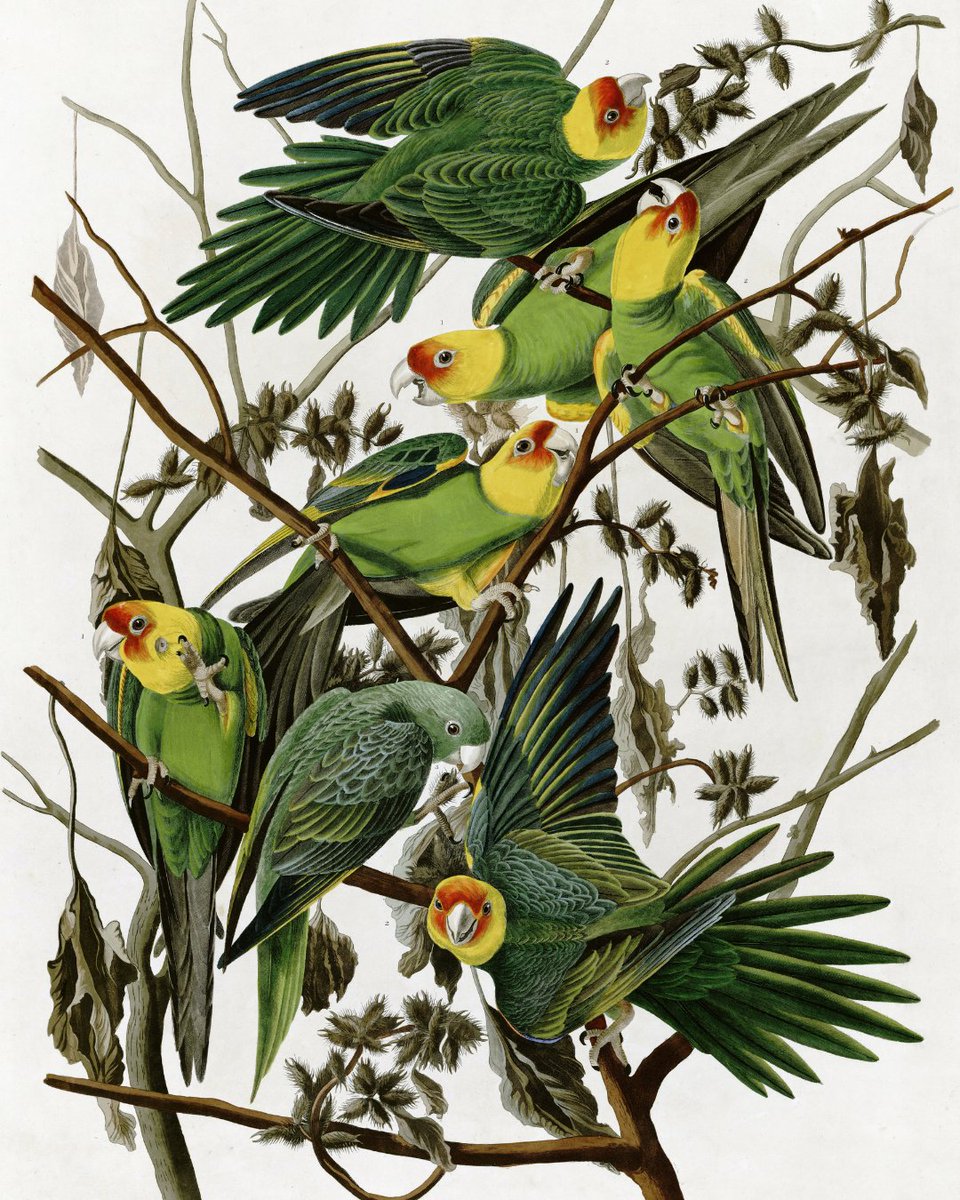
Our #BirdOfTheWeek is the now-extinct Carolina Parakeet, which was once widespread throughout the eastern U.S. Hunting, habitat loss, and other pressures drove its decline, and the last known captive bird died in 1918.
More: https://t.co/oKufeVtnxy
Photo: John James Audubon
What environmental stories are making headlines this week? Here’s your roundup of the news shaping our natural world.
Stay up to date: https://t.co/4thehUxiy7
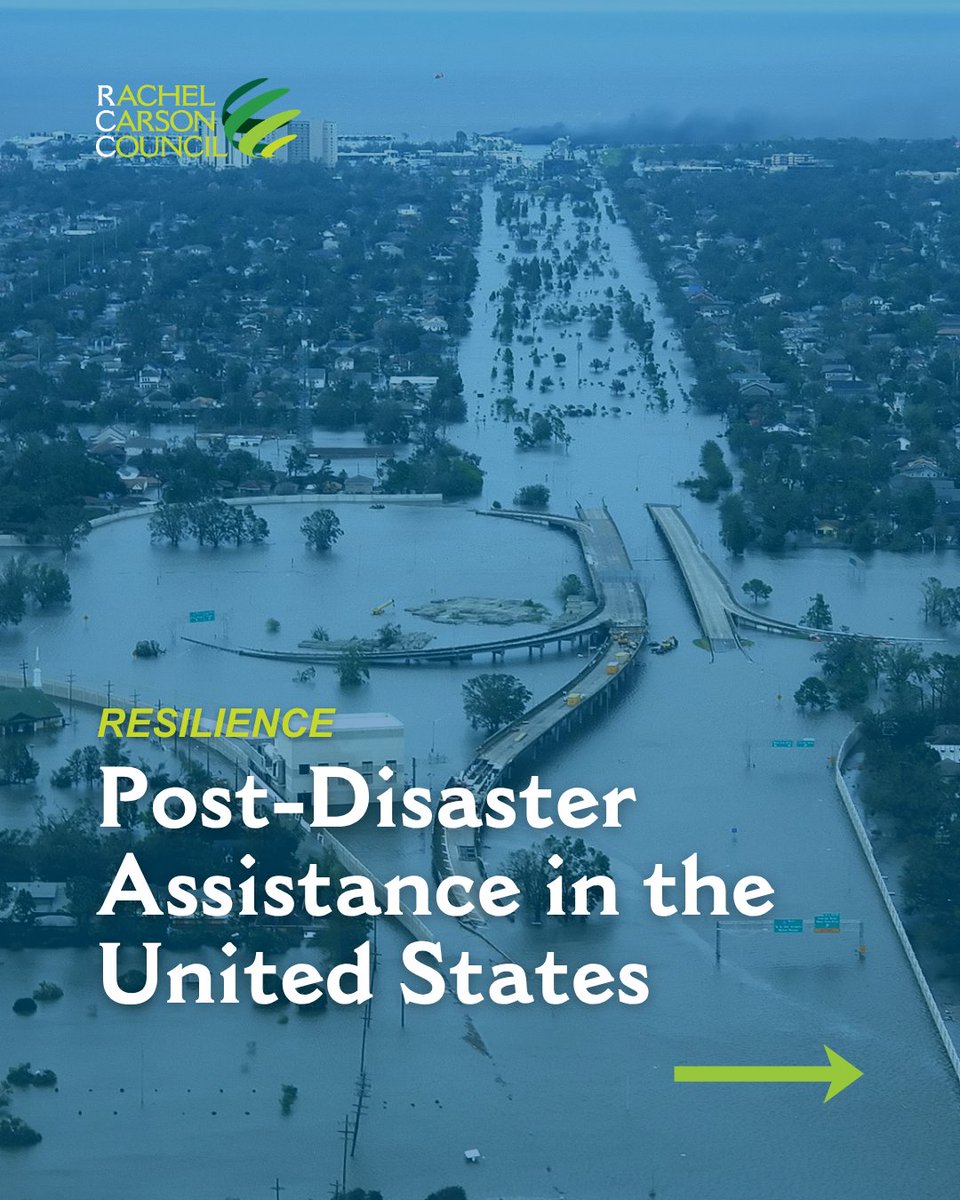
Stronger coordination across levels of government can help ensure communities have the resources and support they need before, during, and after disasters.
Read more: https://t.co/QU7mgfZ1z5
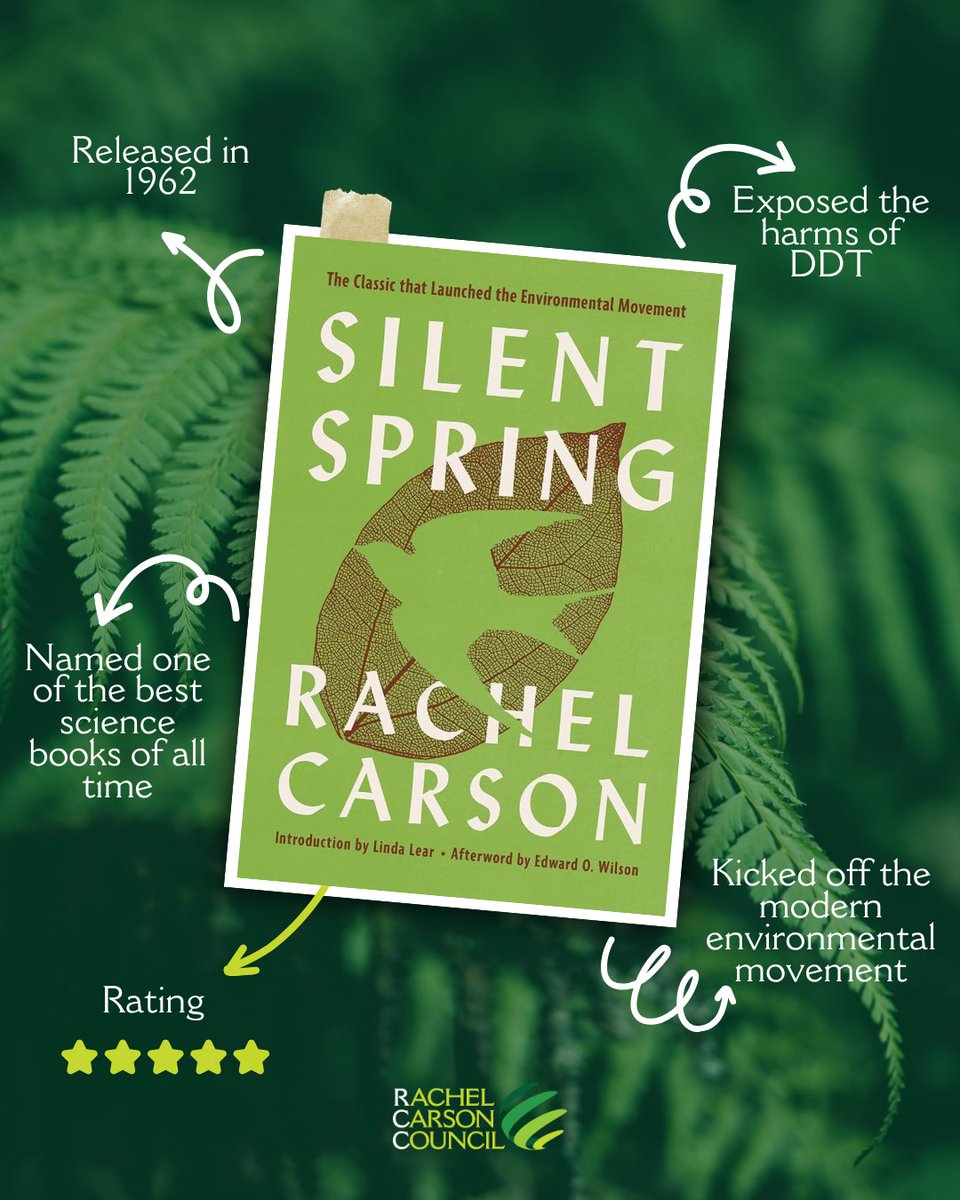
Today marks 64 years since the publication of Silent Spring, Rachel Carson’s groundbreaking book that sparked the modern environmental movement in the US.
Pick up a copy and discover the words that helped launch a movement.