Professor Emerita of Indian Cultures and Cinema, SOAS Univ London.Views are mine esp on Bollywood, Sanskrit poetry and elephants.Baker by appt @HurstPublishers.
🏆🐟Congratulations @herripedia! 'Rigby’s Encyclopaedia of the Herring' has been shortlisted for the Nach Waxman Prize for Food & Drink Scholarship!
https://t.co/j59rinOzK4
📚Our Autumn/Winter 2026 catalogue is here 🎉 Discover original and impactful new titles ranging from a chilling investigation into modern surveillance states to a history of the kola nut, and more.
Browse ➡️ https://t.co/zacTBnrF8w
See the thread below for some highlights ⬇️
Thank you for your patience as we have worked through our hacking episode. No more posts for crypto scams, rather ones about books like ‘Ransom War’ by @Maxwsmeets that consider cyber crime!
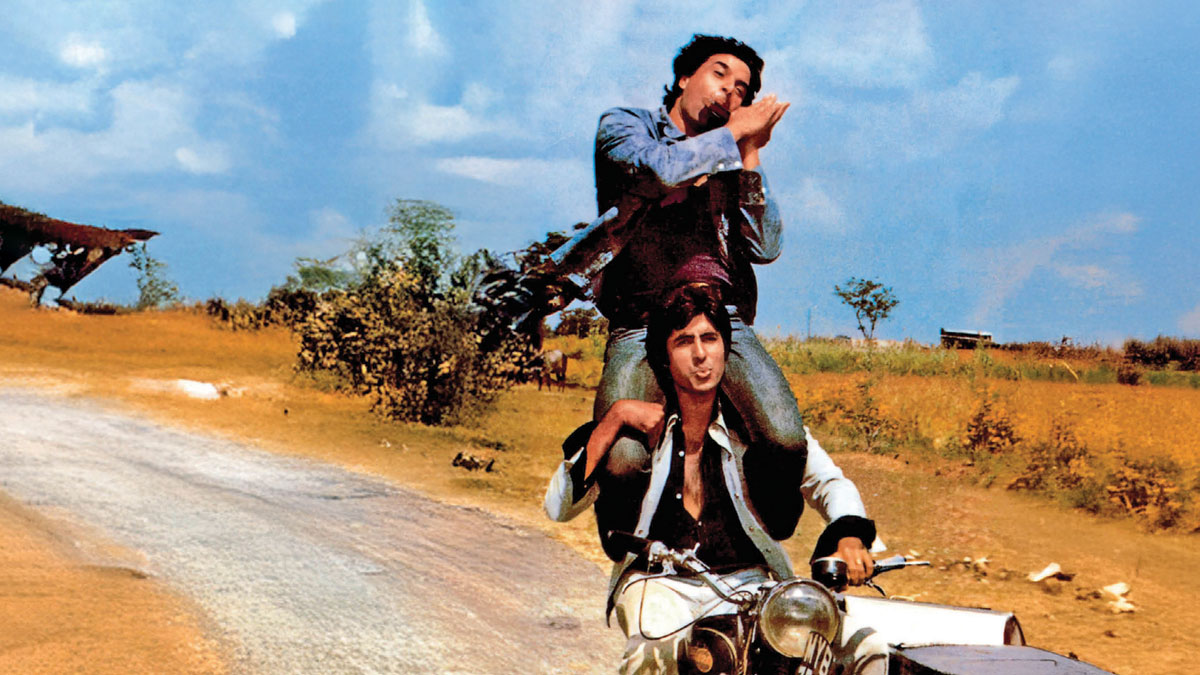
Alvida, Veeru: Sholay marked a milestone in #Dharmendra’s transformation from romantic lead to man of action, writes @RachelMJDwyer https://t.co/FVDF7IJJWY
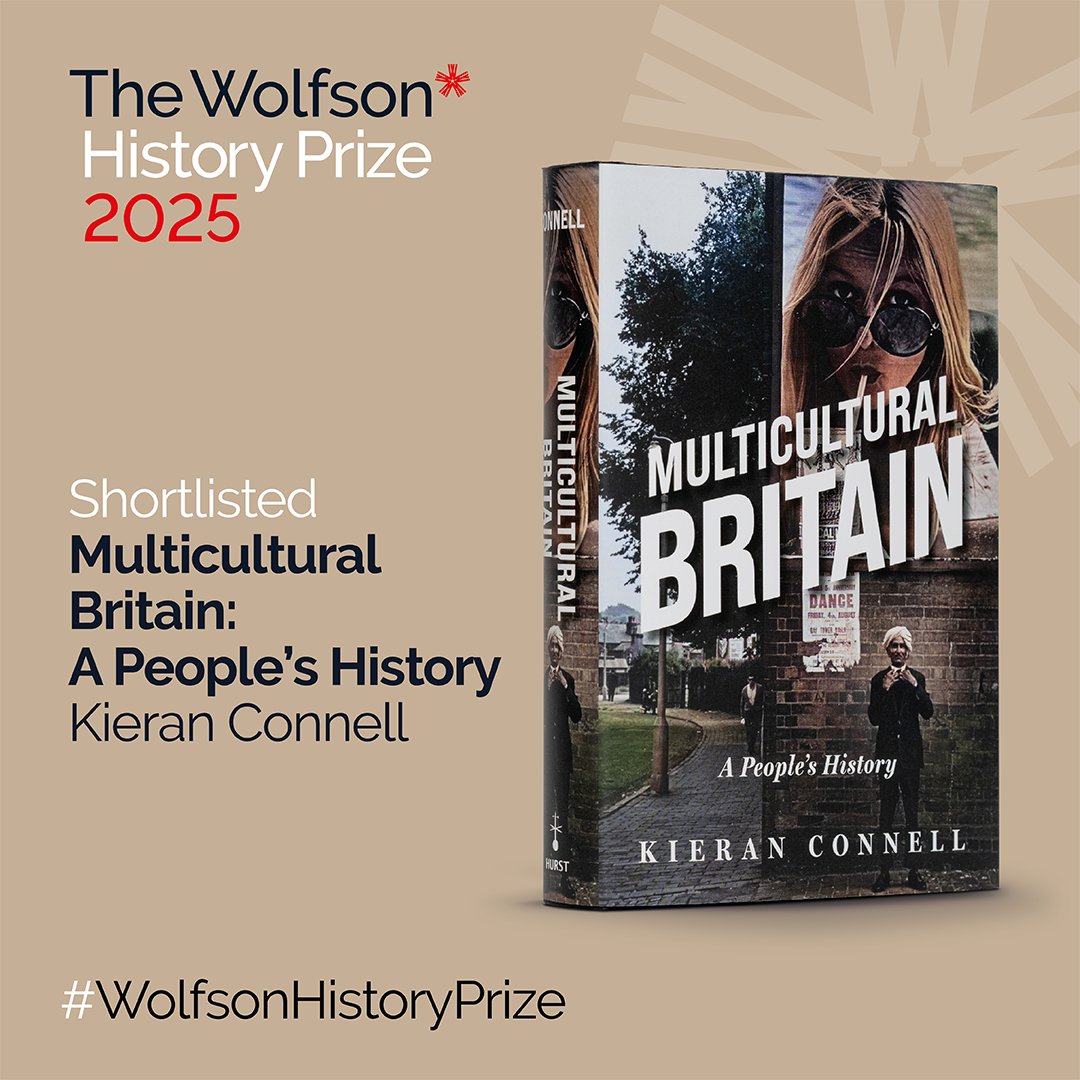
Congratulations to Kieran Connell, whose Multicultural Britain: A People’s History has been shortlisted for the 2025 #WolfsonHistoryPrize. 👏📚
Find out more about this year’s shortlist here: https://t.co/KXYdlUsEU7 @WolfsonHistory
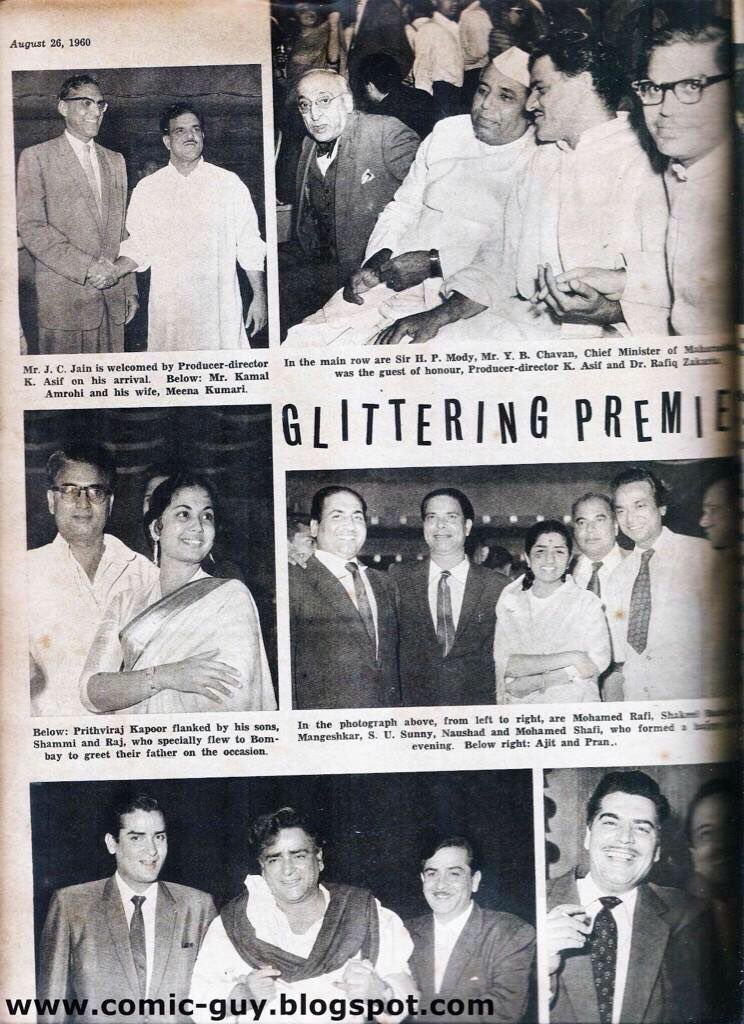
On This Day – August 4, 1960
“Mughal-e-Azam” premiered in Mumbai
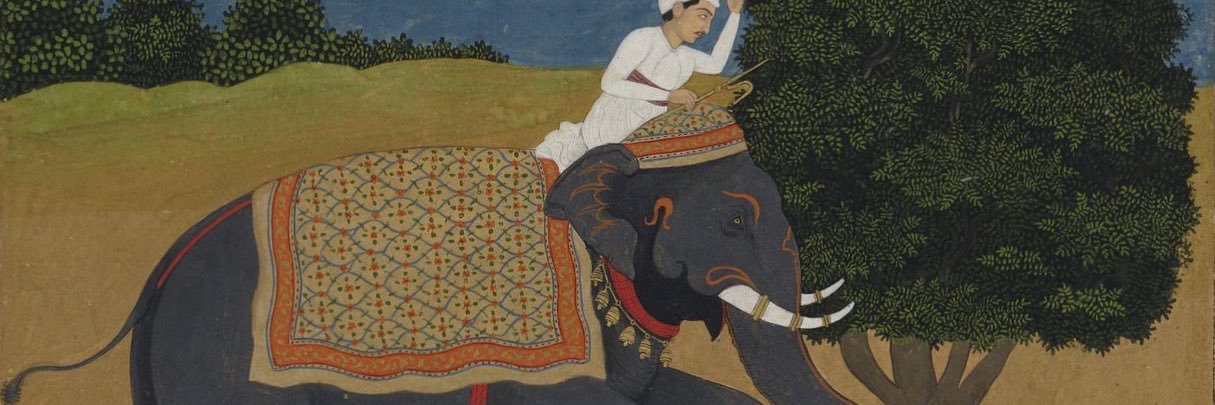
K. Asif’s epic Mughal-e-Azam opened to a grand premiere at Maratha Mandir, which was transformed into a Mughal palace for the occasion. The film cans arrived in style, atop a caparisoned elephant.
Almost a decade in the making and the most expensive Indian film at the time, it was released in 150 theatres across the country. Thousands queued up for days, desperate to witness the spectacle.
💬 'A cottage industry of counterfactual history materialised in France to cater to a market mourning India’s ‘loss’. The actual history, as Ivermee shows in his luminous [book], was wretched.' @kapskom on @RobertIvermee's Glorious Empire in @spectator 👏https://t.co/Z3KYnYX14C
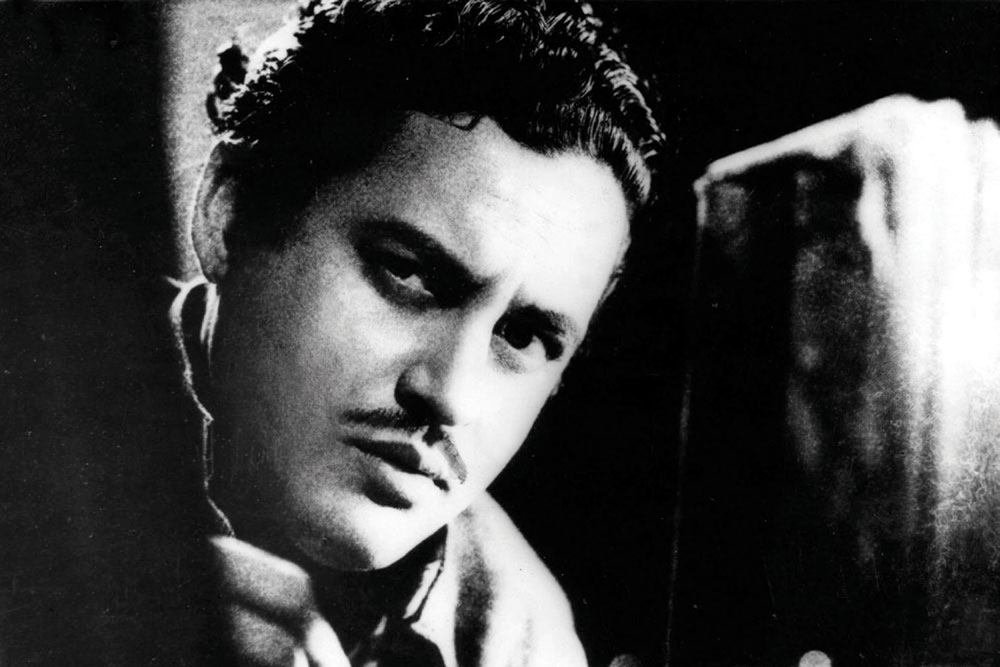
#GuruDutt did not radically change the Hindi film but he showed that the form that was established in the 1940s/50s•–of melodrama, song and dance, grand dialogues–could be regarded as art as well as entertainment. He imaginatively used its features so that they were not hindrances to the development of the story or its characters, writes @RachelMJDwyer https://t.co/mnwqyja2tR
Prof @RachelMJDwyer is one of the most highly regarded film scholars of Hindi cinema. Here she talks about the 1950s and two of the directors who symbolised it.
Guru Dutt, Raj Kapoor and the Golden Age of Hindi Cinema in the 1950s 🎦
The magnificent @RachelMJDwyer talks to one of the most informed people on the subject @bombaywallah https://t.co/kE9iAN9Okx
#TheWireTalks | Guru Dutt, Raj Kapoor and the Golden Age of Hindi Cinema in the 1950s
@bombaywallah in conversation @RachelMJDwyer
Full Episode: https://t.co/14aQfb70gS