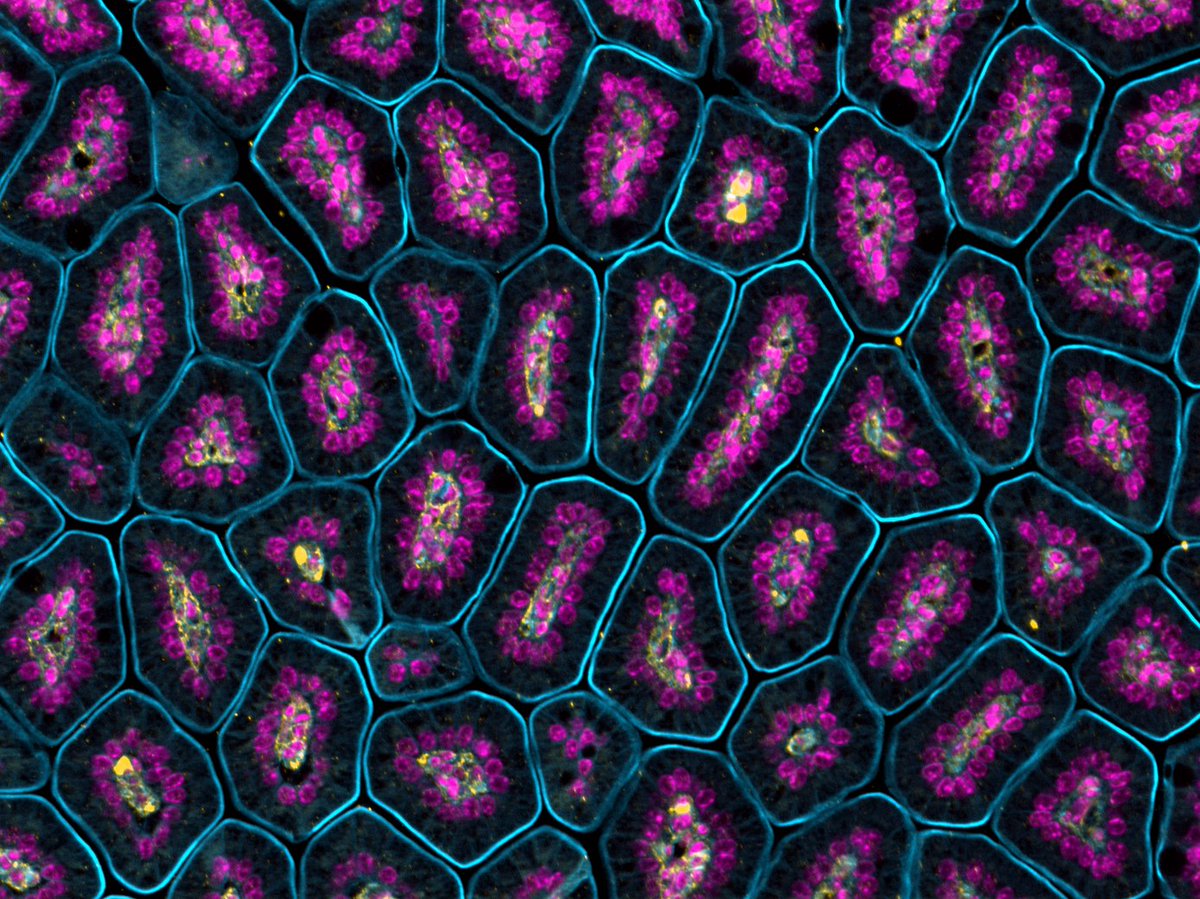
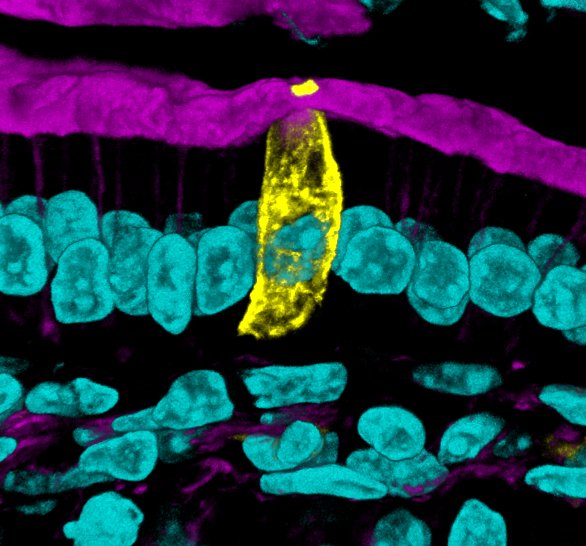
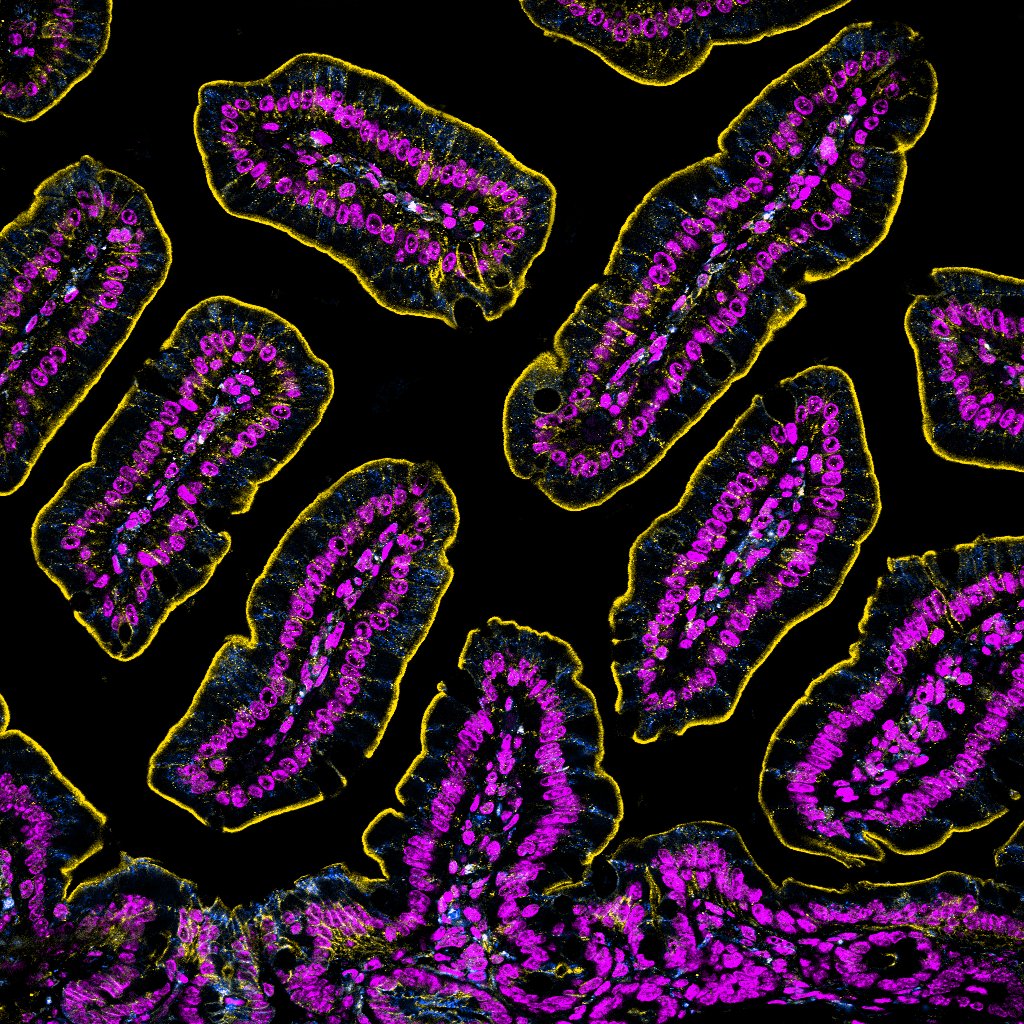
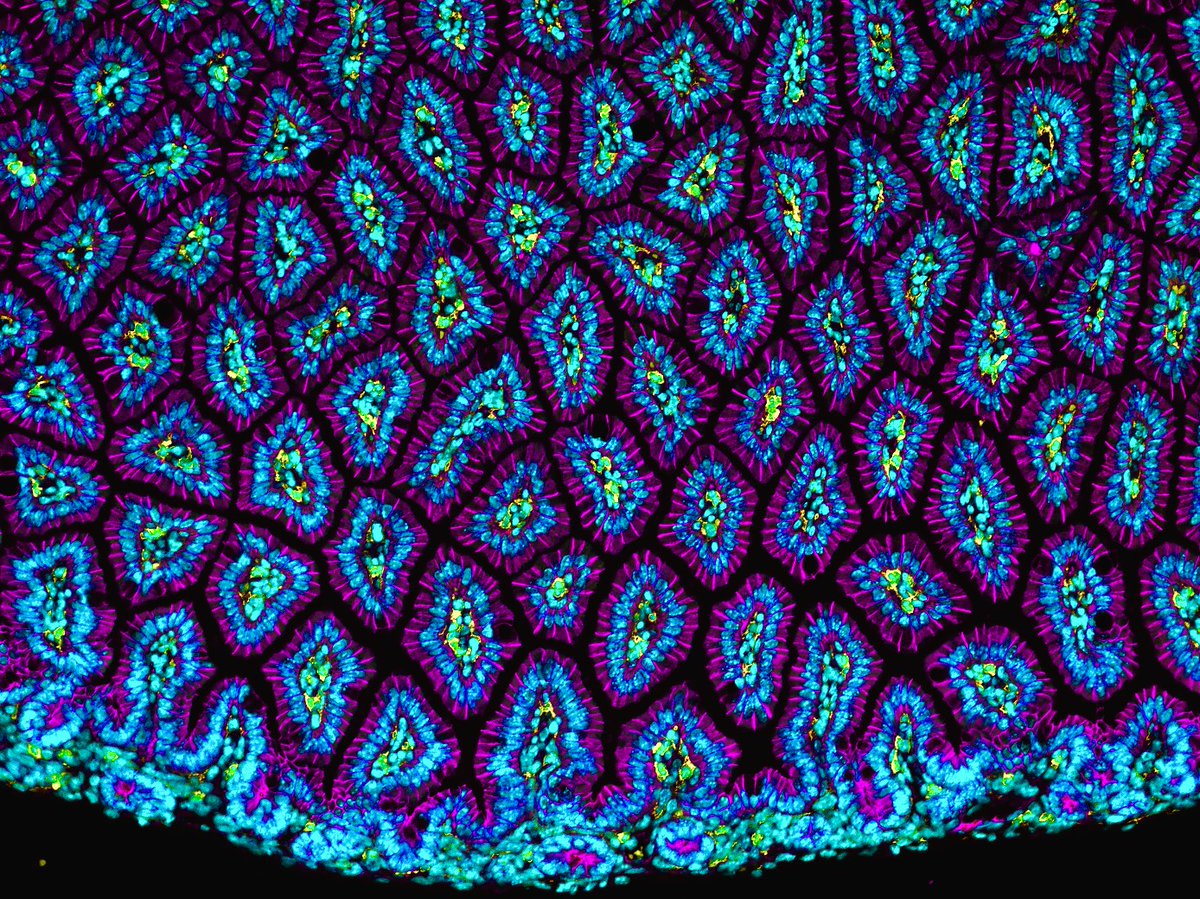
🍁Neon November: Image of the month
IF staining of #murine small intestine: β-actin (magenta), CDHR2 (apical and lateral membrane of tuft cells, purple), phospho-EGFR (yellow), Hoechst (teal). Captured using @LeicaMicro
🥼Scientific #artwork by @RachelStubler from @MedUnivSC
Big news! 🎉 MUSC Ph.D. student Amber Hazzard has been named a 2025 AAAS Mass Media Fellow.
She’ll be writing science stories this summer for The News & Observer, helping make research more accessible and inclusive. 👏
Learn more:
https://t.co/hsnP1AHNUg
The mood was defiant at many of the rallies, where chants of “Scientists will not be silenced”, “Facts over fear” and “What do we want? Peer review! When do we want it? Now!” were heard.
https://t.co/Ux1g91McIV
To everyone thinking that cutting the research budget makes sense because of public debt, I want to remind them of Mary Lasker's words:
"If you think research is expensive, try disease"
Doing science is not a luxury we can't afford. It is investing in our future.
Cutting NIH’s indirect costs to 15% threatens biomedical research. Indirect costs are not wasteful administrative overhead- they fund infrastructure, maintenance, repair, compliance, and oversight to ensure ethical human and animal research. This will cripple the US biotech.
Read the latest in JHC: "Intestinal Tuft Cells Are Enriched With Protocadherins."
Click to read: https://t.co/lxxEPpK8nr
#epithelium#gut#immunostaining