Do you know what this 'Swadeshi Jurisprudence' means?
— It means treating social hierarchies and discriminatory practices rooted in tradition or religion as less problematic than universal principles of equality, liberty, and dignity.
— It means giving greater weight to religious and cultural sentiments than to rational, constitutional, or rights-based critiques of a practice.
— It means limiting the transformative role of the judiciary and making the scope of social justice more dependent on prevailing public sentiment than on constitutional morality.
— It means privileging majoritarian cultural values in judicial reasoning, even when those values come into tension with the rights of marginalized communities.
— It means viewing demands for caste abolition, gender equality, or minority rights through the lens of preserving social harmony rather than dismantling structural injustice.
— It means replacing the constitutional promise of individual rights with the expectation that individuals conform to inherited social norms and collective identities.
— It means treating customs and traditions as repositories of wisdom while paying insufficient attention to the historical suffering they may have imposed upon oppressed groups.
— It means making the legitimacy of rights contingent upon their acceptance by society rather than recognizing rights as protections against social prejudice itself.
— It means elevating "Indian culture" as a judicial category without adequately addressing who gets to define that culture and whose voices are excluded from that definition.
— It means shifting the Court's focus from protecting citizens against social oppression to protecting society from challenges to established traditions.
— It means reducing the Constitution from an instrument of social transformation to a document that merely accommodates existing social arrangements.
— Ultimately, it means that the Court becomes less a guardian of constitutional rights and more an interpreter of prevailing cultural sentiment.
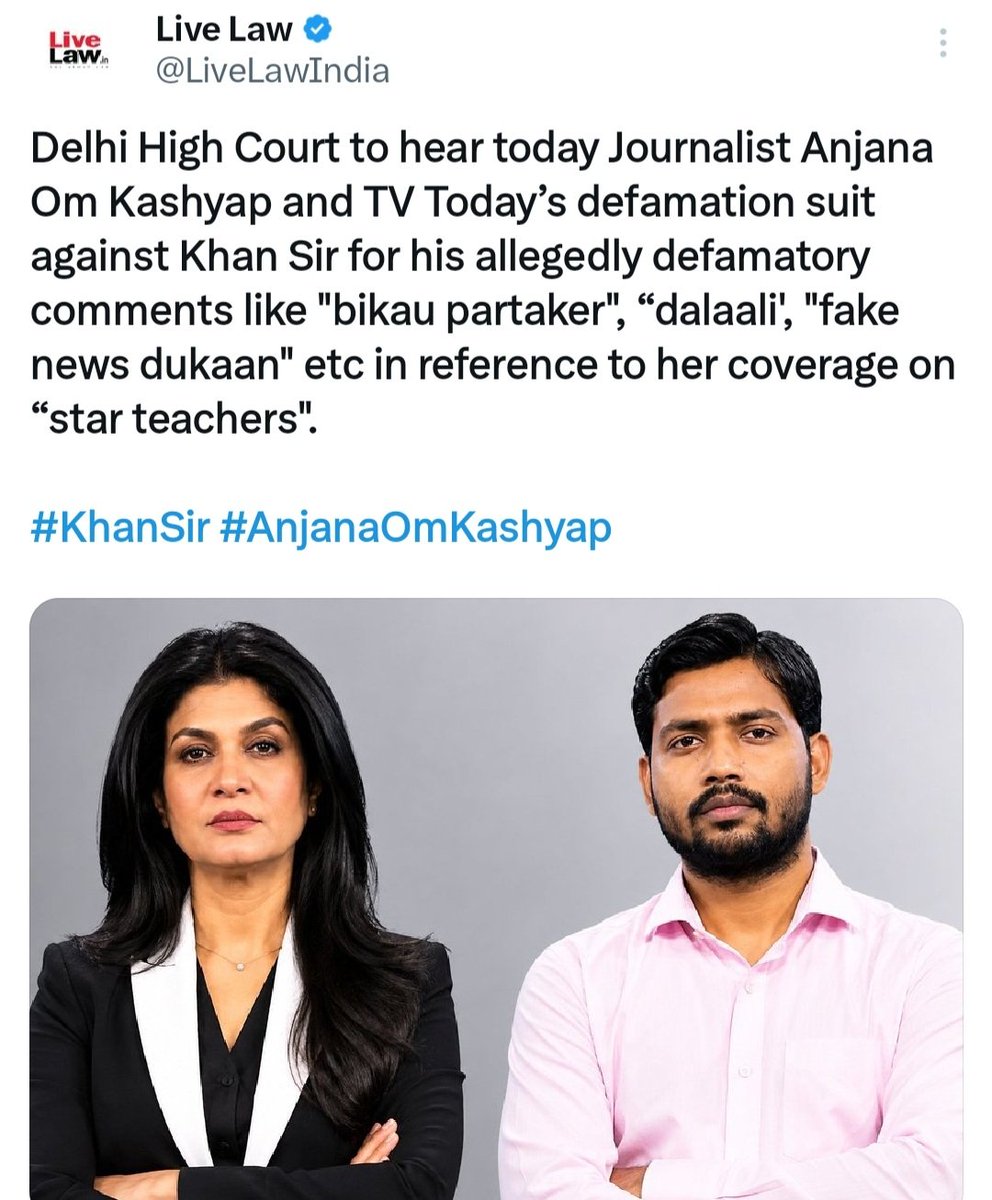
अंजना ओम कश्यप को केस फाइल करने के 24 घंटे के अंदर सुनवाई की डेट मिल गई, फिर भी हम सब यही मानकर चलेंगे कि कोर्ट बिल्कुल भी पॉलिटिकल नहीं होते हैं, सारे जज क्लास/कास्ट/ पॉलिटिकल bias से ऊपर उठकर जजमेंट सुनाते हैं।
Just speak clearly about reservation for SC-ST-OBC communities. Speak about land redistribution to landless Dalits and Adivasis. Demand reservation in the private sector. Defend religious conversion as a legitimate escape from caste hierarchy. Then watch the real face of many so-called liberal/apolitical Hindu Savarna Gen Z supporters emerge.
The leaders of the Cockroach Janta Party are not exceptions or innocent boys gone astray. They are symptoms—products of a liberal-savarna morality that celebrates equality in the abstract while defending privilege in practice.
Everyone opposes caste until anti-caste politics has material consequences. Resistance without ideology is worse than defeat—it becomes a performance that leaves the structure intact.
~Rahul Sonpimple
मीडिया के लिए khan Sir "अच्छे मुसलमान" थे, इसलिए मीडिया उनको One of us की तरह ट्रीट कर रही थी। जैसे ही Khan Sir ने स्टेट को question किया, मीडिया पर सवाल खड़ा किया वैसे ही वो Faisal Khan हो गए। Faisal Khan अच्छा मुसलमान नहीं हैं। वो अब One of Us से बदलकर One of them हो चुके हैं।
अभिनय और कन्हैया कुमार के साथ यह सुविधा है कि वो state पर कितना भी सवाल खड़ा कर लें, मीडिया उन्हें कभी भी One of Us से बाहर नहीं करेगी। जबकि Faisal Khan के लिए वही असहमति, वही सवाल उन्हें एक "अच्छे मुसलमान" से बदलकर "खराब मुसलमान" बना देती है।
मीडिया के लिए khan Sir "अच्छे मुसलमान" थे, इसलिए मीडिया उनको One of us की तरह ट्रीट कर रही थी। जैसे ही Khan Sir ने स्टेट को question किया, मीडिया पर सवाल खड़ा किया वैसे ही वो Faisal Khan हो गए। Faisal Khan अच्छा मुसलमान नहीं हैं। वो अब One of Us से बदलकर One of them हो चुके हैं।
अभिनय और कन्हैया कुमार के साथ यह सुविधा है कि वो state पर कितना भी सवाल खड़ा कर लें, मीडिया उन्हें कभी भी One of Us से बाहर नहीं करेगी। मीडिया उन्हें कभी भी "अच्छे ब्राह्मण" से बदलकर "खराब ब्राह्मण" की कैटेगरी में नहीं रखेगी। जबकि Faisal Khan के लिए वही असहमति, वही सवाल उन्हें एक "अच्छे मुसलमान" से बदलकर "खराब मुसलमान" में बना देती है।
Khan Sir vs Faisal Khan:
Bollywood has long promoted a binary way of looking at Muslims: the gaze of the "good Muslim" vs the "bad Muslim."
According to this framework, a good Muslim is someone who:
—Never questions the state.
—Accepts the ideology of the Indian state as something natural and beyond scrutiny.
—Respects Hindu beliefs and sentiments without expecting the same respect in return.
—Routinely criticizes Pakistan whenever he is among his Hindu friends.
—Laughs when Muslims and their practices such as the burqa or hijab—are mocked, but remains silent when Hindu practices are ridiculed.
In this binary framework, the more a Muslim conforms to these expectations, the more readily he is accepted as a "good Muslim." The moment he steps outside these boundaries and begins to assert an independent political or social voice, the process of turning "Khan Sir" back into "Faisal Khan" begins.
Khan Sir को स्कूल, अस्पताल वगैरह नहीं खोलना चाहिए था। यह सब करके उन्होंने उन लोगों के धंधे को चुनौती दे दिया जिनको सरकारी स्कूल, सरकारी अस्पताल के बर्बाद हो जाने की वजह से फायदा हो रहा था।
अब वो लोग खान सर को कुत्ते की तरह नोच नोंचकर खाना चाहते हैं।
@KraantiKumar यही संदेश देना चाहता है कि आप लोग भी अपनी प्रेमिका के लिए एक बढ़िया बाथ टब खरीदो और फिर ऐसे पानी और बर्फ डालकर थोड़ी देर बिठाओ। जीवन के 99% दुख अपने आप शांत हो जाएंगे। तुम भी करके देखो क्रांति। जलो मत।
“I don’t think you and I are very closely related, however, if you are capable of trembling with indignation each time that an injustice is committed anywhere in the world, we are comrades, and that is more important.”
-Che Guevara, Letter to María Rosario Guevara, 20 February 1964.
Note: Che wrote these words in response to María Rosario Guevara, who had contacted him asking whether they were related because they shared the surname “Guevara.” His reply suggested that a shared commitment to opposing injustice was more meaningful than any possible family connection.
राजधानी लखनऊ में कुत्तों का आतंक बढ़ गया है। हर रोज करीब 200 से अधिक लोग कुत्तों के काटने का शिकार हो रहे हैं। सरकारी अस्पतालों में रेबीज रोधी इंजेक्शन निशुल्क उपलब्ध है। निजी अस्पतालों में इसके लिए 350 से 500 रुपये तक लिए जाते हैं। बलरामपुर अस्पताल में प्रतिदिन 60-70 नए मरीज आते हैं।
पूरी खबर: https://t.co/e5T89HI54X
#AmarUjala
This is so infuriating to watch. A man with his wife and kid returning from a late night show were ambushed and ass@ulted by cops. The thug in khaki again attacked the victim when he was filming the incident in Dhmatari district of Chattisgarh.