Breast screening during pregnancy and lactation presents unique diagnostic challenges. This article reviews current imaging guidelines, modality-specific limitations, and safety considerations to guide screening and diagnostic evaluation. https://t.co/ckfEBAGbnC @RakowPenner
Breast biopsy markers have evolved from simple metallic clips to sophisticated multimaterial devices. Explore marker selection, placement, migration, multimodality visibility, and emerging technologies that support precision throughout breast care. https://t.co/EHILDbZ6ox
🚨 New episode of the @RadioGraphics podcast now available!🚨 @rnicola04 & @LyndonLuk discuss the evidence principles & challenges that shape modern imaging screening programs from early detection & technical quality to cost effectiveness & AI https://t.co/XPoNDY7gHE
CT colonography is a safe and effective screening test in detection and prevention of colorectal cancer, but successful implementation requires active radiologist engagement. @MichioTayaMD@UWiscRadiology https://t.co/CezoRmk1Xu
From imaging to the operating room, virtual surgical planning and 3D printing enable patient-specific models and surgical guides. Explore applications in orthopedic, hand, and spine surgery and the key role radiologists play in this evolving field. https://t.co/nbEGlWGmkd
Successful TAVR starts with precise CT planning. Review 3D processing of the aortic root and access vessels, recognize segmentation pitfalls and challenging anatomy, and learn how accurate measurements help guide device selection and safe TAVR. https://t.co/oBnCBSAdLe @CTeriffic
Imaging is central to surveillance of children with cancer predisposition syndromes. Review imaging protocols, the role of whole-body MRI and tumor patterns that provide clues to hereditary syndrome. https://t.co/OpV8Rgja1q @irhkch@SickKidsNews@boschildrensrad@CHOPRadiology
Earlier detection offers the best chance to improve outcomes in pancreatic cancer. Explore surveillance of high-risk patients, precursor lesions and imaging advances to help identify disease at its most curable stage. @ShravyaRad@SGhoshMD@MGHImaging https://t.co/9IQsWkkxan
Not every breast finding is within the breast. Skin changes may reflect benign, infectious, inflammatory, or malignant disease. Learn how clinical examination and imaging work together to guide diagnosis, biopsy, and appropriate management. https://t.co/CctKbjzxvD @DerekLNguyen
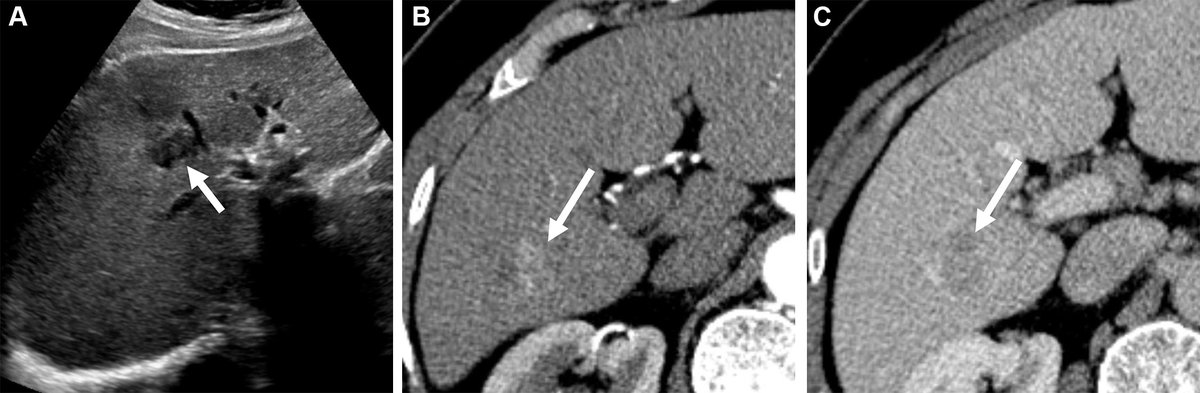
HCC surveillance is moving beyond one-size-fits-all. Review current US and AFP guidance, LI-RADS 2024, abbreviated MRI, biomarkers and risk-adapted strategies to improve early detection. @VChernyakMD@chemshift1@docamitgs@ayakamaya @ShuchiRogers https://t.co/8yjS6TimiC
Not all exertional pain in athletes is musculoskeletal. Vascular abnormalities can be easily overlooked and have serious consequences. Review the role of US, CTA, MRA, and angiography in timely diagnosis and treatment planning. @MayoRadiology@PRajiah_CV https://t.co/oaQ9ibP1oY
Incidental CT findings at routine lung cancer screening can provide clinically relevant information for risk stratification and preventive care. @scbyrne2 https://t.co/bnJKEzfCK8
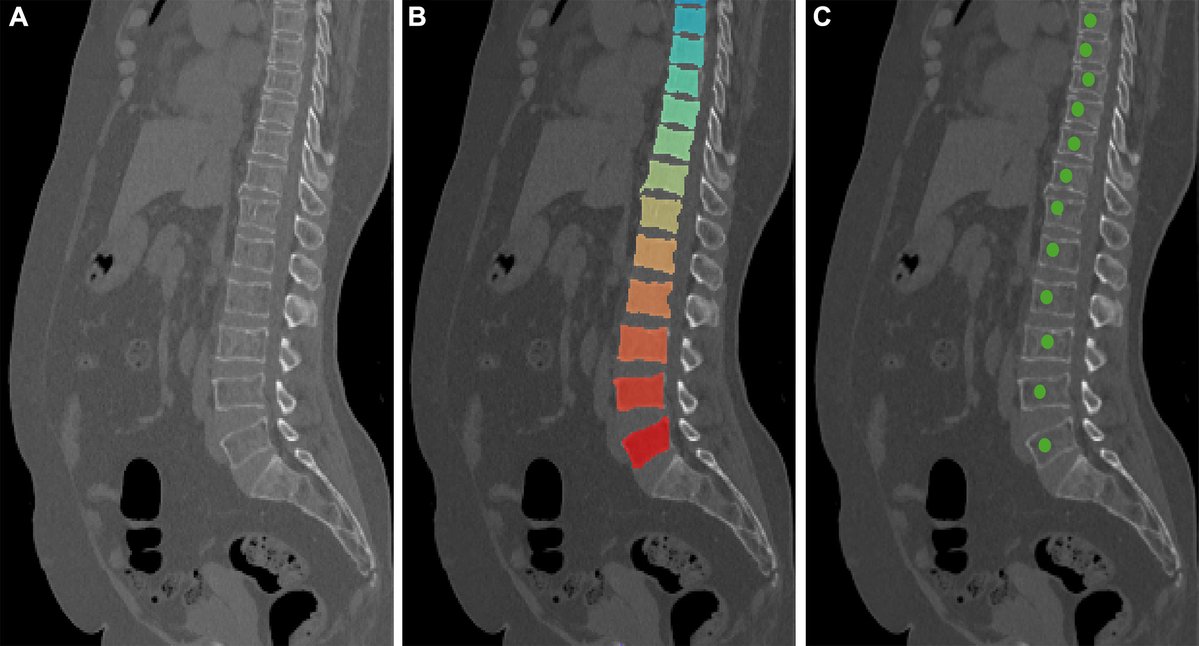
There’s more information in every CT scan. Opportunistic screening can extract biomarkers such as bone density, body composition and vascular calcification from existing imaging, expanding radiology’s role in proactive patient care. @SidDograMD@NYUImaging https://t.co/DEotMtlvUp
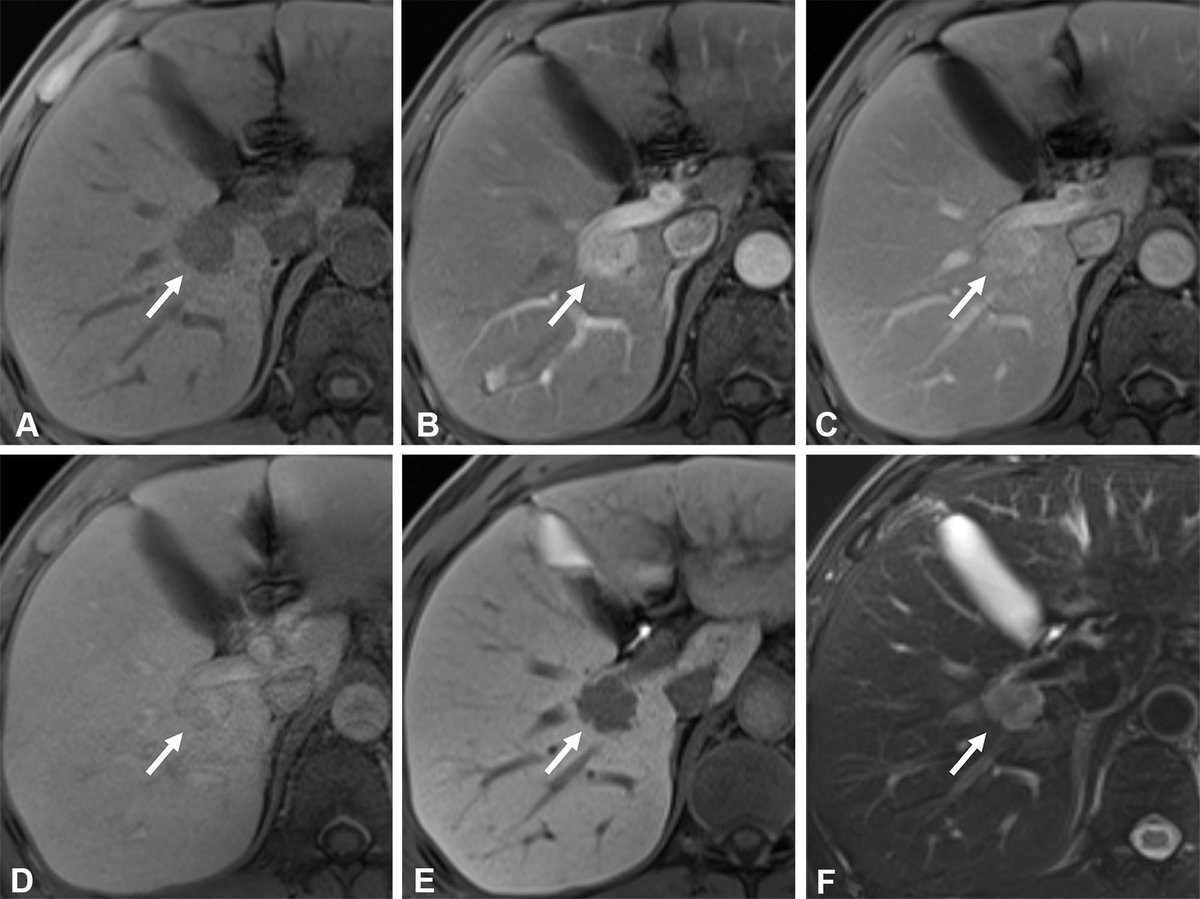
East meets West in HCC imaging. Explore differences in how MRI is used for HCC screening, diagnosis, treatment response, and surveillance across international guidelines, and where emerging evidence may support greater global harmonization. https://t.co/wz3xMuehXp
The latest Cases from the Cooky Jar features imaging findings of Menkes disease, a rare X-linked recessive disorder of copper metabolism. https://t.co/OtHvKoPJcI @cookyscan1
Early pancreatic cancer may whisper before it declares itself. Subtle findings such as FPPA, faint enhancement, and pancreatic duct abnormalities can precede tumor visualization by years, creating a critical window for earlier diagnosis. https://t.co/9IQsWkkxan
ASCVD can develop silently for years, but imaging biomarkers may enable earlier detection & more personalized prevention strategies for cardiometabolic health and longevity. https://t.co/osiQaWpjb0
@MayoRadiology@cookyscan1@PRajiah_CV@AmitGupta_83
Check out our NEW "Special Collection: Imaging-based Screening," a compilation of articles presented in association with our 2026 monograph and assembled by Rui Dai, MD, PhD. https://t.co/f85djslFyK
@cookyscan1@ruidai_
Not all PSMA uptake is prostate cancer. Recognizing physiologic, benign, and malignant mimics is key to avoiding false-positive interpretations. Learn a structured approach integrating uptake, location, anatomic findings, and clinical context.https://t.co/hJZ2fMa2Ex @uciradiology
Are we training radiology residents to think or simply to pass a test? Radiology education must evolve to emphasize real-time reasoning, communication, and clinical decision making. https://t.co/Yr68fIDYRr @KatieTraylorDO@teachplaygrub@amy_kelly_md@PittRadiology