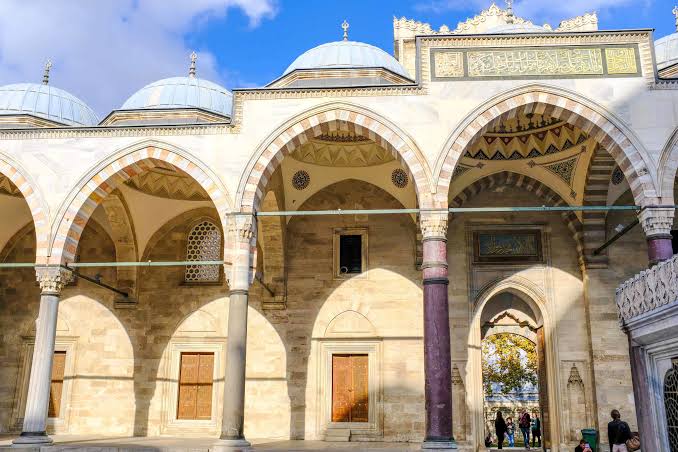
The design of grand bazaar was modeled on traditional Ottoman architecture which employed four basic elements: pillars , domes , arches and vaults#grandbazaar
#istanbul#turkey#turkeytourism#ottomanarchitecture
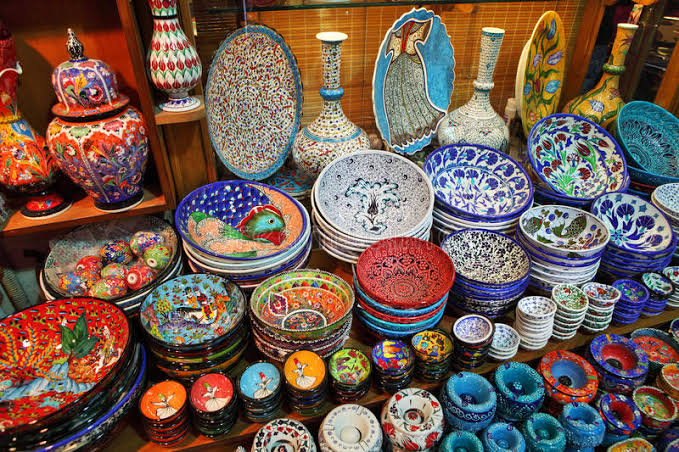
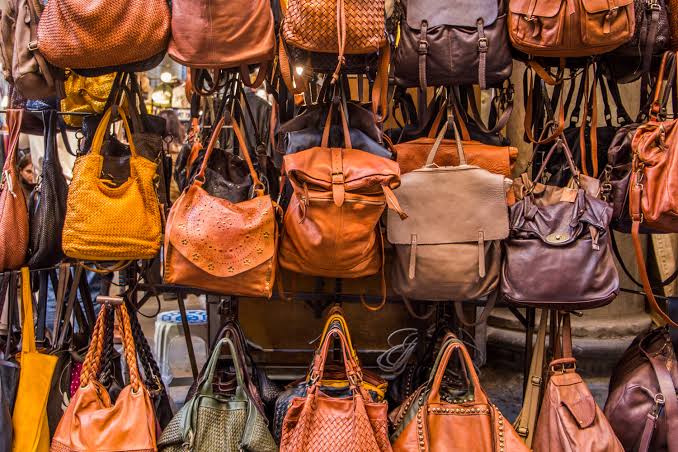
Grand bazaar was originally built as a commercial center for artisans and goldsmiths, but eventually became a marketplace for every type of good imaginable, from spices to leather goods.
#grandbazaar#istanbul#turkey#leathergoods#turkeytourism
The bazaar has over 4,000 shops which are all open to shoppers 24 hours a day. Some of the best-known shops are those selling oriental rugs and spices.
#grandbazaar#istanbul#turkey#shops#turkeytourism
Grand bazaar is a complex of more than sixty buildings with narrow lanes, alleys, and streets that are filled with shops that sell a variety of goods#grandbazaar.
#istanbul#turkey#varietyofgoods#turkeytourism
The Grand Bazaar was originally established as a traditional Ottoman-style marketplace in 1461 by Sultan Mehmed II who sought to create a modern commercial center for his new capital city.
#grandbazaar#istanbul#turkey#turkeytourism
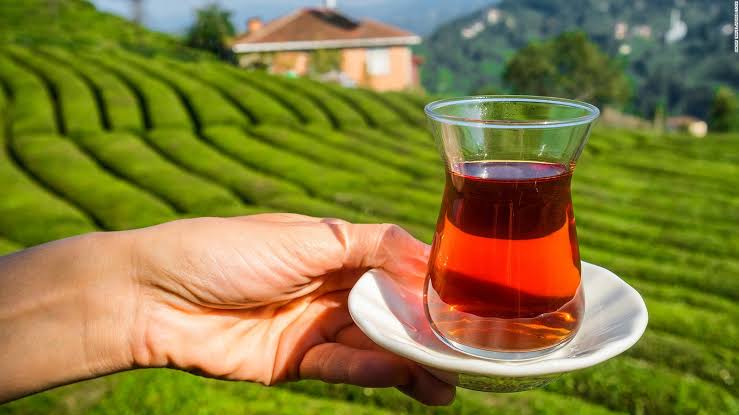
There are many variations on how to make Turkish tea, but most recipes call for a teaspoon or two of loose leaf black tea leaves per cup , boiled water, sugar, and milk.
#turkishtea#turkey#tea#recipe#turkeytourism
Turkish tea is a type of black tea that is popular in many parts of the world, particularly in the Middle East and Central Asia. It has been brewed for centuries and is consumed daily by millions of people.
#turkishtea#turkey#tea#consumed#turkeytourism#popular
The first mention of Turkish tea can be found in the 14th century Ottoman manuscript “Zubdat Al-Haqiqah” which was written by Shems-Ed-Din Ahmed ben al-Hajib Al-Nabulusi.
#turkishtea#turkey#tea#firstmention#turkeytourism