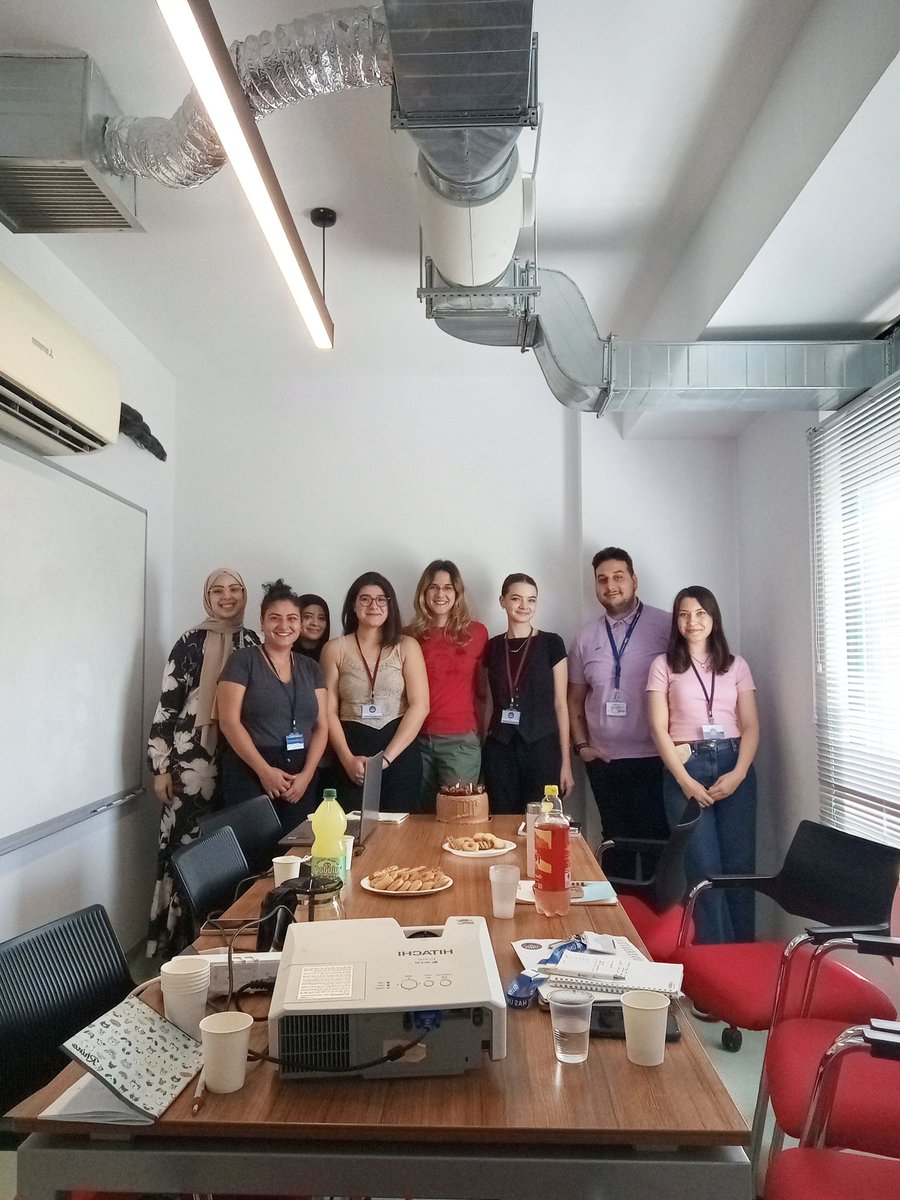
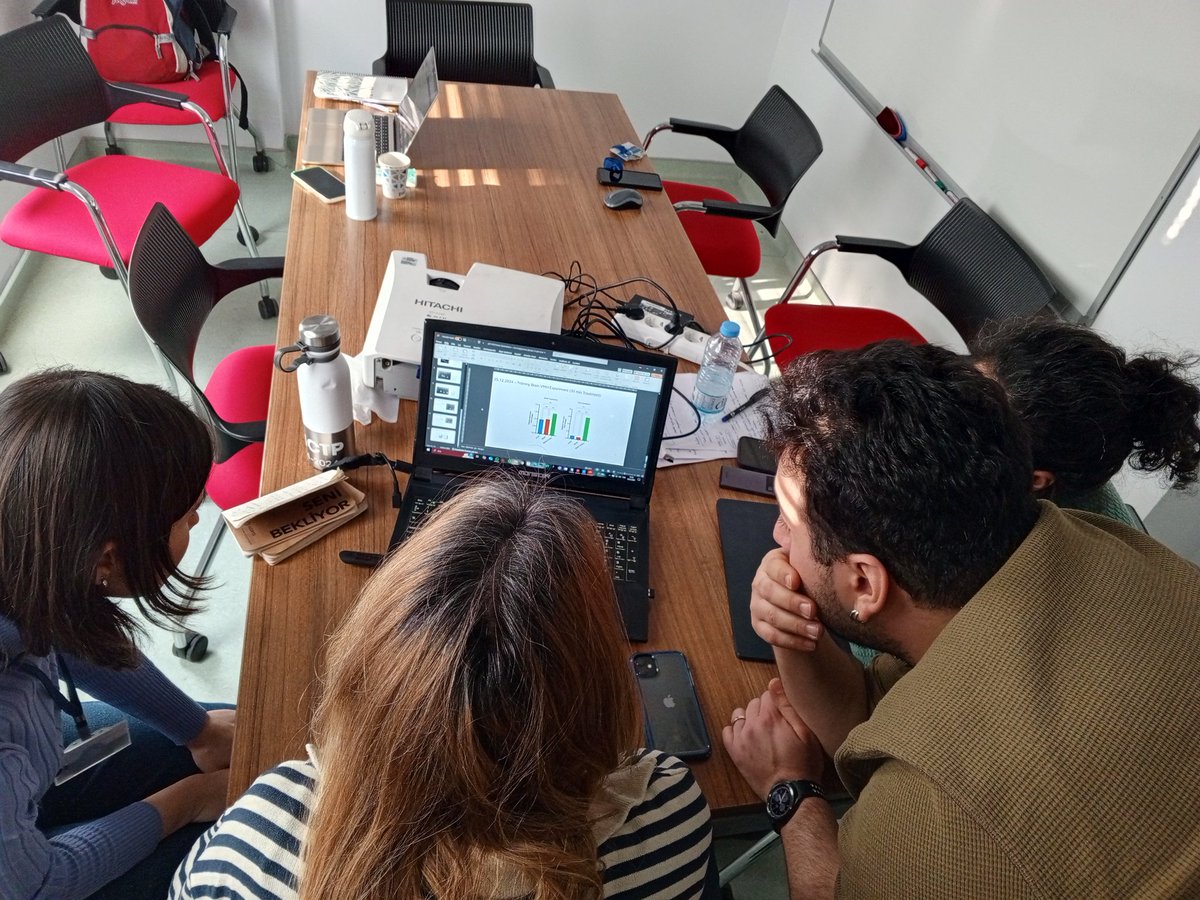
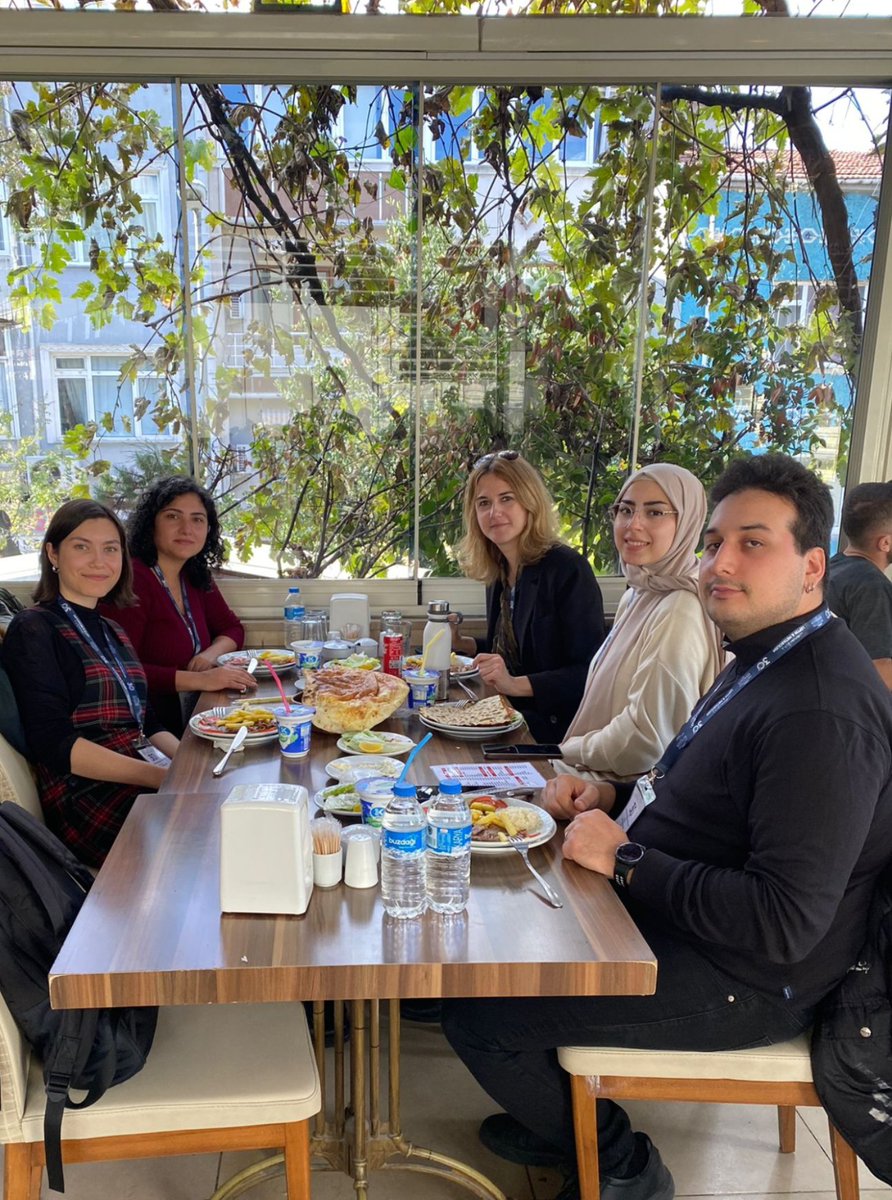
We're delighted to announce that our undergraduate teams successfully presented their projects. We wish them all the best in their future endeavors 🎓✨.
@yonder841
Meet our TUBITAK STAR intern, Yadigar Akbaş, and our spring interns, Ardakaan Sönmez and Aylin Öztürk. We welcome you to follow our LinkedIn profile to get to know them more.
https://t.co/0PACoUM7t7
@yonder841|
We are excited to share that our team attended the Symposium on Leptin and Metabolism. Thank you @bezmialem for hosting this incredible event.
@yonder841
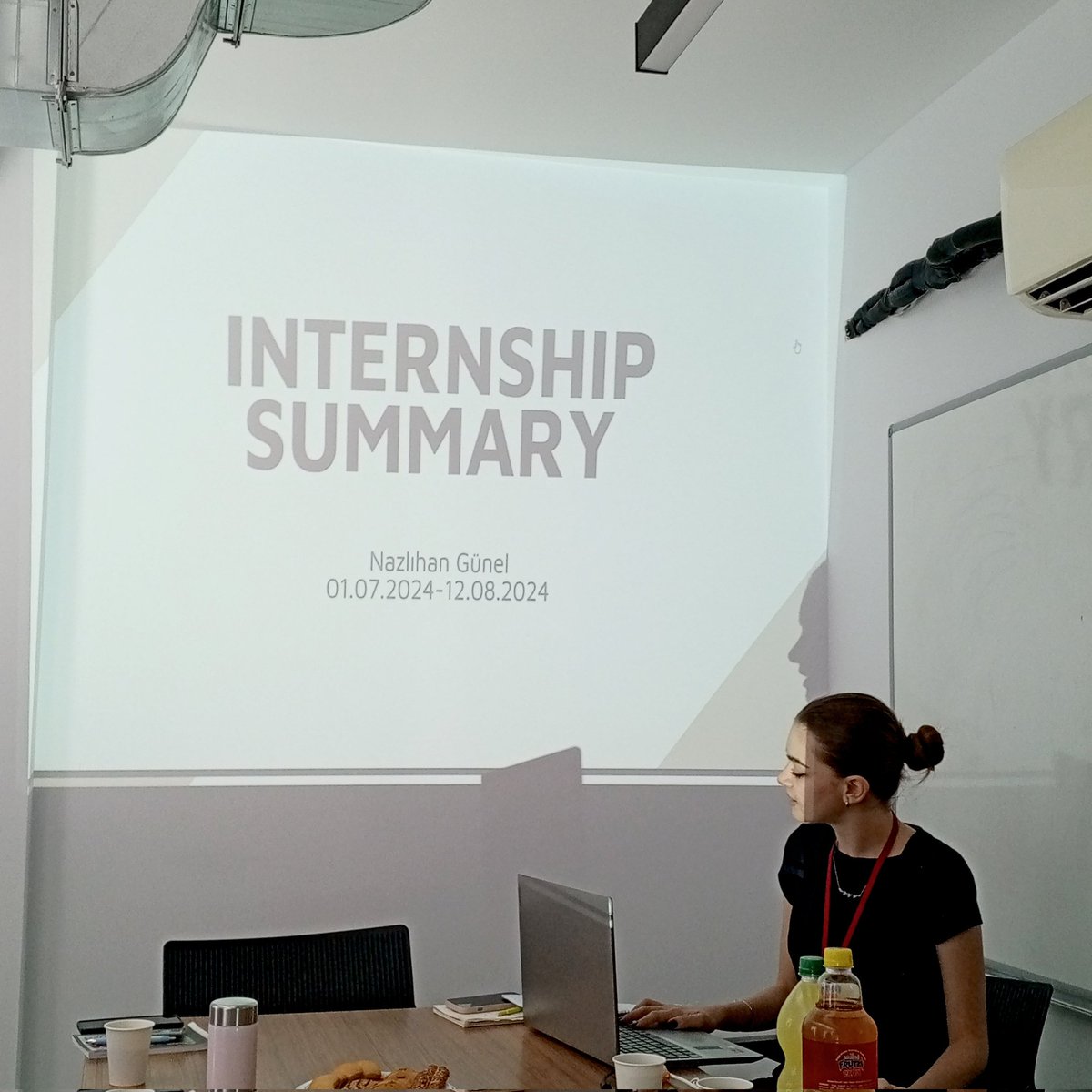
Our TÜBİTAK STAR intern Aslihan Cemere Çetın from Koç University and our summer intern Nazlıhan Günel from Yıldız Teknik University gave their final presentations as a part of our lab. We will miss you and we wish you success in your future endeavors.
@yonder841
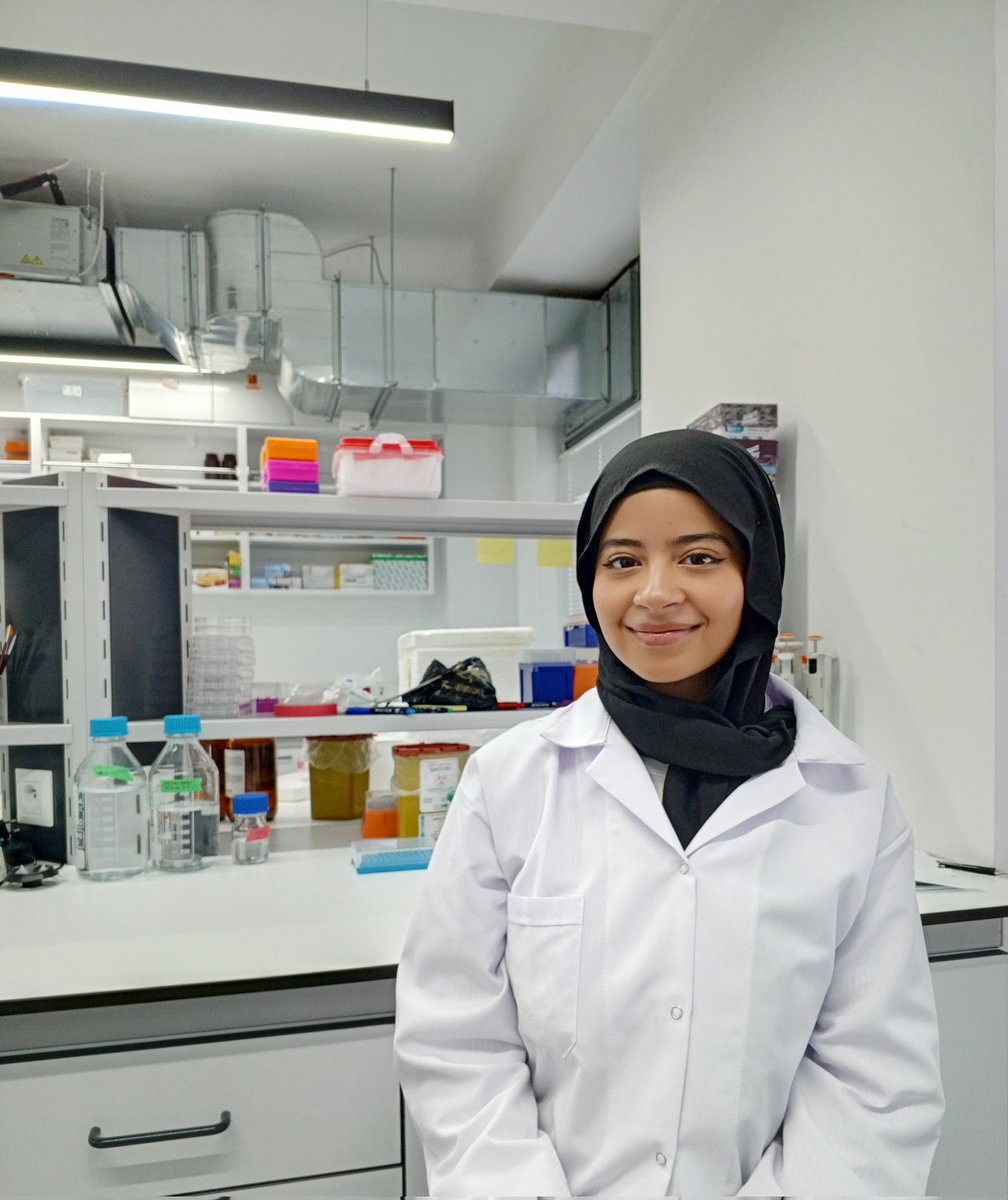
We're delighted to welcome our new summer intern Ranim Ata Oudeh Al-Masri visiting us from Near East University. We're excited to have you in the lab.
@yonder841
@AssessmentG@neubadah Are we not allowed to highlight ones that are starting? That aren't famous? If you don't know any and can't relate to being a minority in a field keep scrolling.
I have Asthma, allergies, dyslexia, ADD, anxiety, and Depression.
But I will tell you that what you have does not define what you can become.
Why Not You!
Just finished reviewing several hundred applications for a very selective PhD program (3% acceptance rate). I’d like to share a few tips on how to write a strong research statement and avoid common mistakes.
First, the sad reality: we receive many statements that seem to be written by ChatGPT. Using ChatGPT to refine your writing is fine, but overrelying on it is a recipe for failure, because ChatGPT produces just average outputs. If you’re applying for a selective program, you don’t want to be average, you want to stand out. So:
Tip 1: Be unique, show what unique contribution you can bring.
Many candidates focus solely on how a PhD would advance their career. This is a mistake. You don’t have to talk only about your interests but also about ours. The trick is to align your interests with those of the institution. You have to argue why you would be an added value for the institution.
Tip 2: Show how you would benefit from the program AND how the institution would benefit from you.
Many applicants write impersonal statements that could be (and probably are) submitted to many institutions. This is another common mistake. If you want to work with us, show us why. Name specific faculty members you wish to collaborate with and reach out to them before applying. But don’t send impersonal emails to dozens of professors: we appreciate genuine interest from prospective students, but we don’t like to be spammed.
Tip 3: Explicitly name potential supervisors and contact them beforehand. But don’t spam
Many candidates write super long and detailed research projects, while others write just a few vague lines about their research interests. Neither is optimal. Your project is likely to change a lot during your PhD, so there’s no point in writing a detailed research project. On the other hand, we’d like to see that you have an idea of the open problems in the field and that you have a strategy to address them.
Tip 4: Focus on one important research question and give us an idea of how you plan to address it.
I hope this is useful. Feel free to ask questions.
Good luck with your application!
Who's going to #SfN2024? My lab is going! And I'm looking for 1 or 2 male students to share a room with one of my male students.
I have a 2-room suite at the Embassy Suites Downtown River North from 10/5 to 10/9. Let me know if you have a student who's looking for housing!