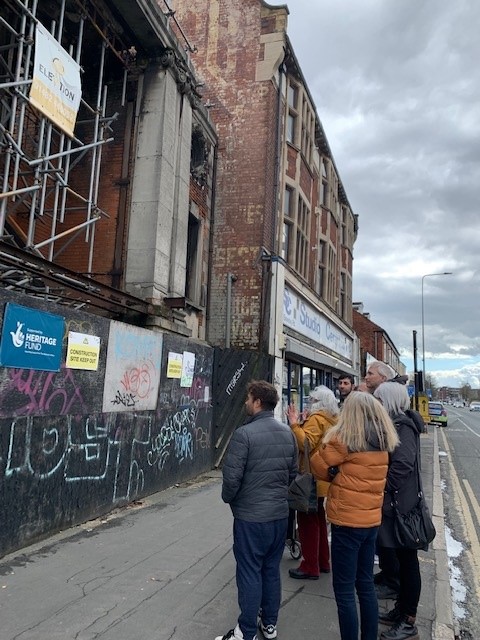
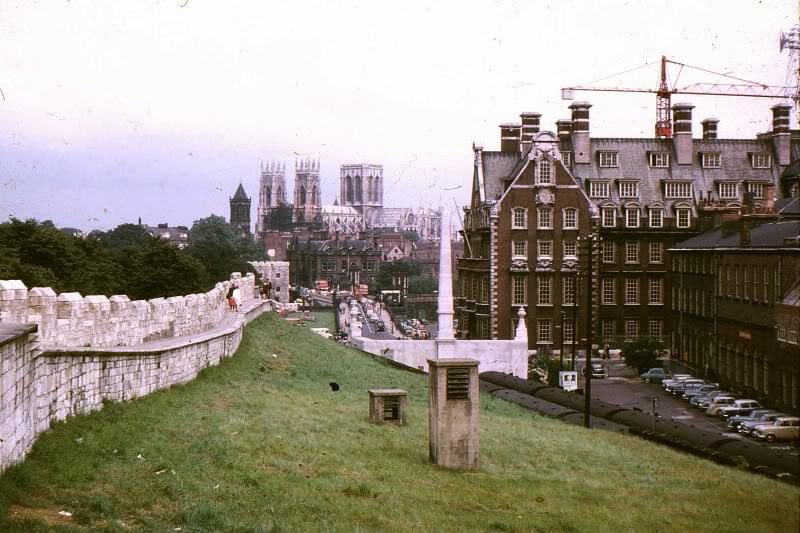
This is a very popular view of York, but this photo from the 1960s shows something that’s no longer there. See the two air vents? They were for the wartime air raid shelter and command centre for the staff of the old train station.
@RaidsOverYork When I attended Park Grove Primary School in the 1960s, there was always a rumour that there were still bombs on the roof. Enough of a rumour to scare an 8 year old. The teachers bicycle shed was in an air raid shelter.
You can find out more about the wartime air raids over #York here:
https://t.co/ulMhKETq31
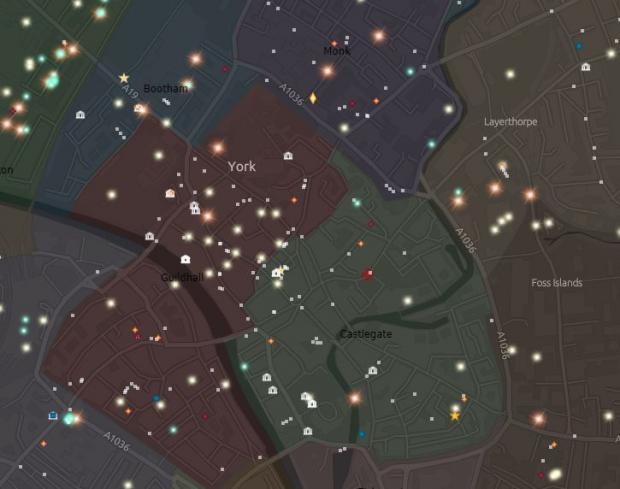
You can explore the digital map or let us know if you have any connections to this final December 1942 raid over #York.
@yorkcivictrust@YorkExplore@YorkArchivesUK@yorkpress
There were 11 casualties in this final raid and two people were killed, Frederick Poole of 69 Monkgate and a Fire Warden Alfred Keech of 311 Burton Stone Lane.
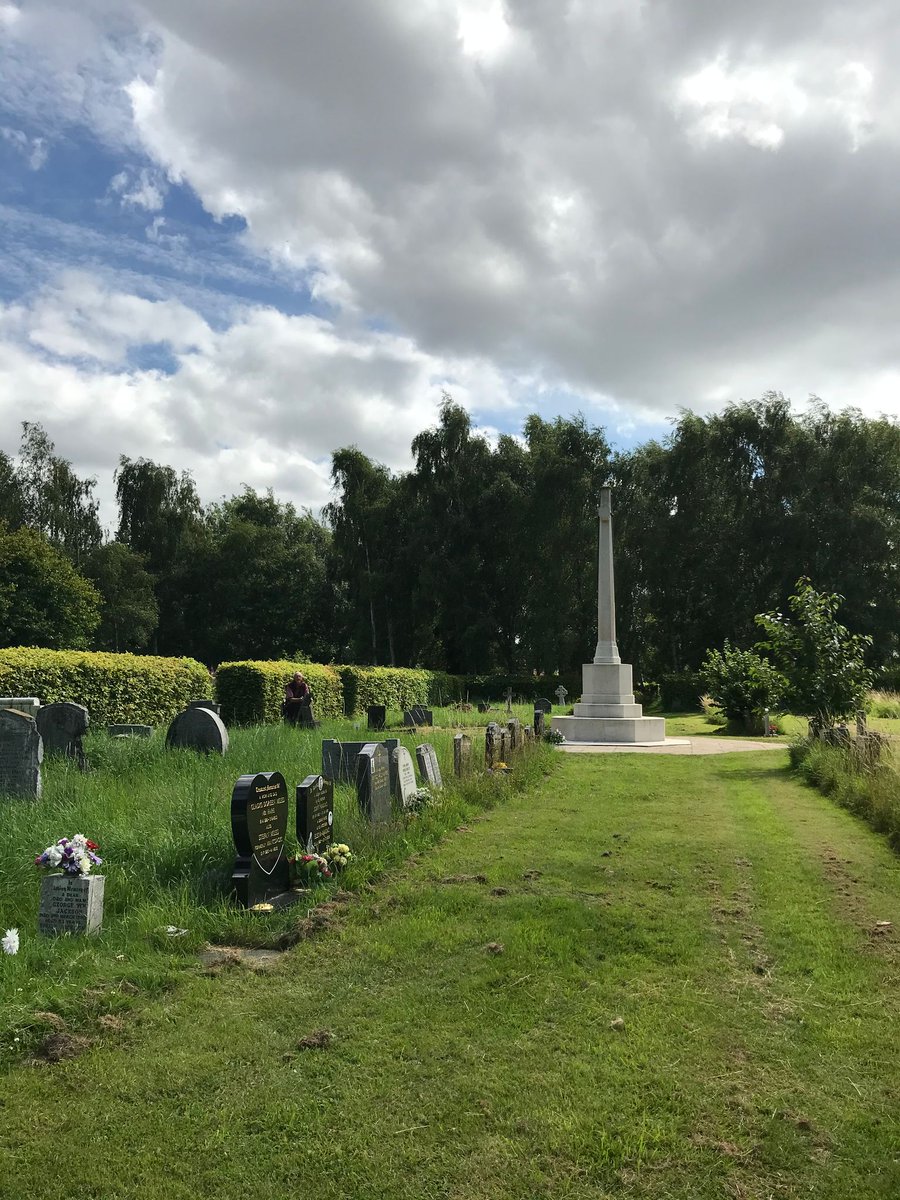
You can find the grave of Frederick Poole on the @YorkCemetery#SecondWorldWar trail:
https://t.co/vYx1mNx1mN
The air raid warning sounded at 9.50pm and fires were recorded at Park Grove School and the Gas Works in a final raid lasting under an hour.
Bombs fell around Layerthorpe, along the Derwent Valley Light Railway line and there was a direct hit on 35 Bilton Street.
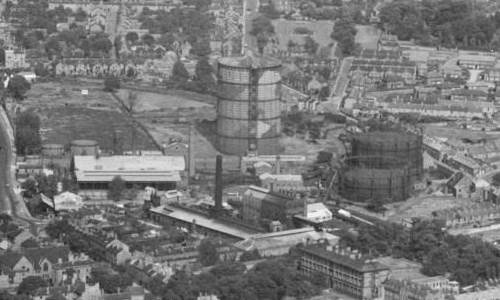
The @YorkStories Layerthorpe Project website explores the now lost suburb, including the gasometer camouflage added in the #SecondWorldWar to deter bombers.
Find out more here:
https://t.co/2iSE1ckdQG
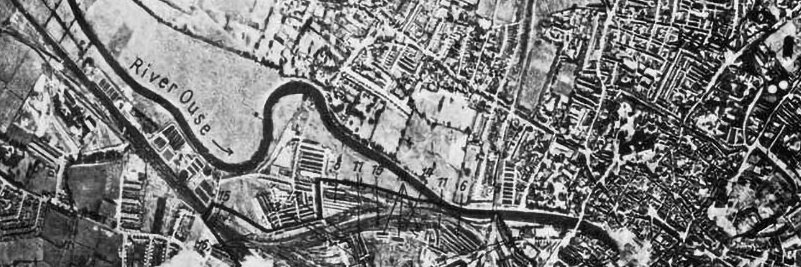
Image credit Historic England
On the evening of the 17th December 1942 was the 11th and final raid over #York.
The target of the raid were the industrial buildings and gas works in Layerthorpe and Foss Islands but with the built-up terraced housing in the area there were numerous casualties.
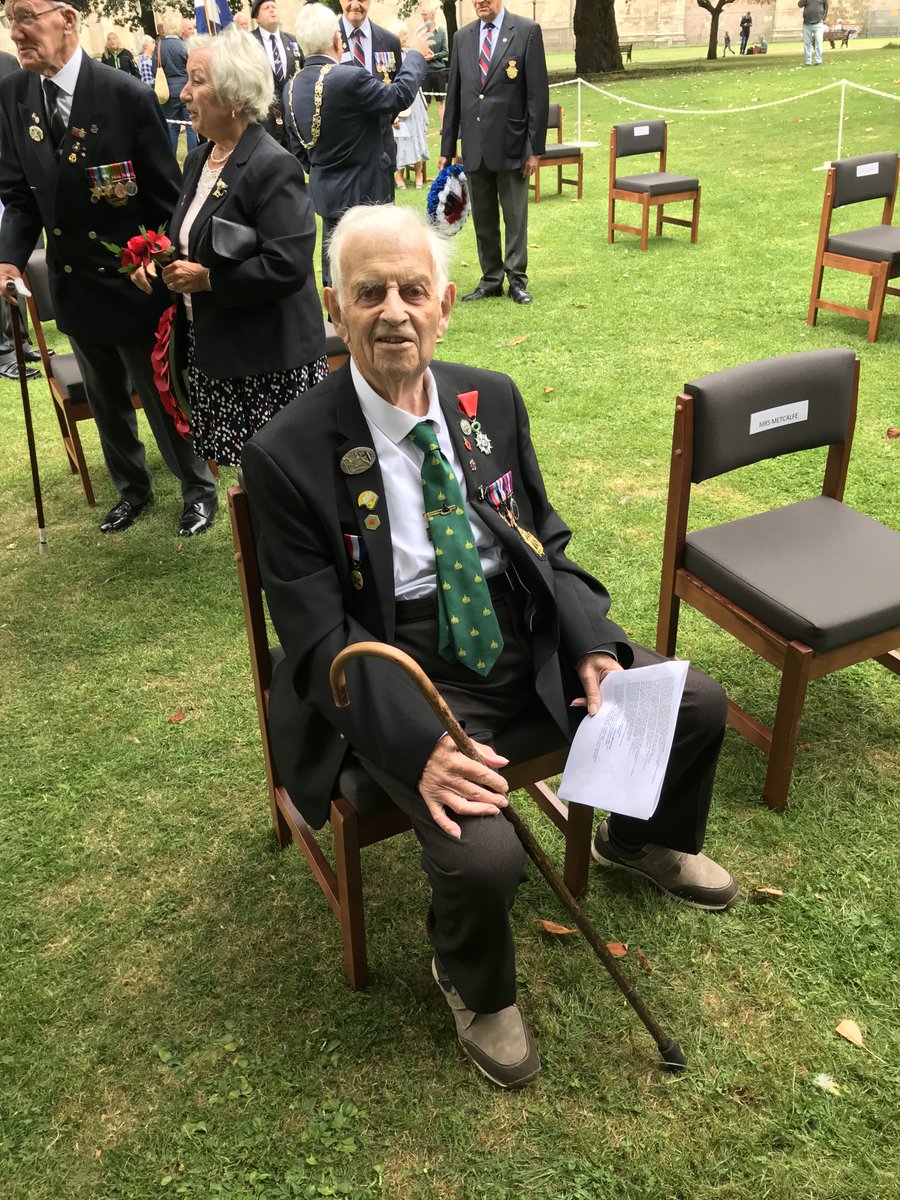
Today is the funeral at the Church of St Lawrence, York of my friend York Normandy Veteran Sid Metcalfe. Sid died on Armistice Day aged 99. A wonderful man who served his country well. His discharge papers stated Military Conduct Exemplary.
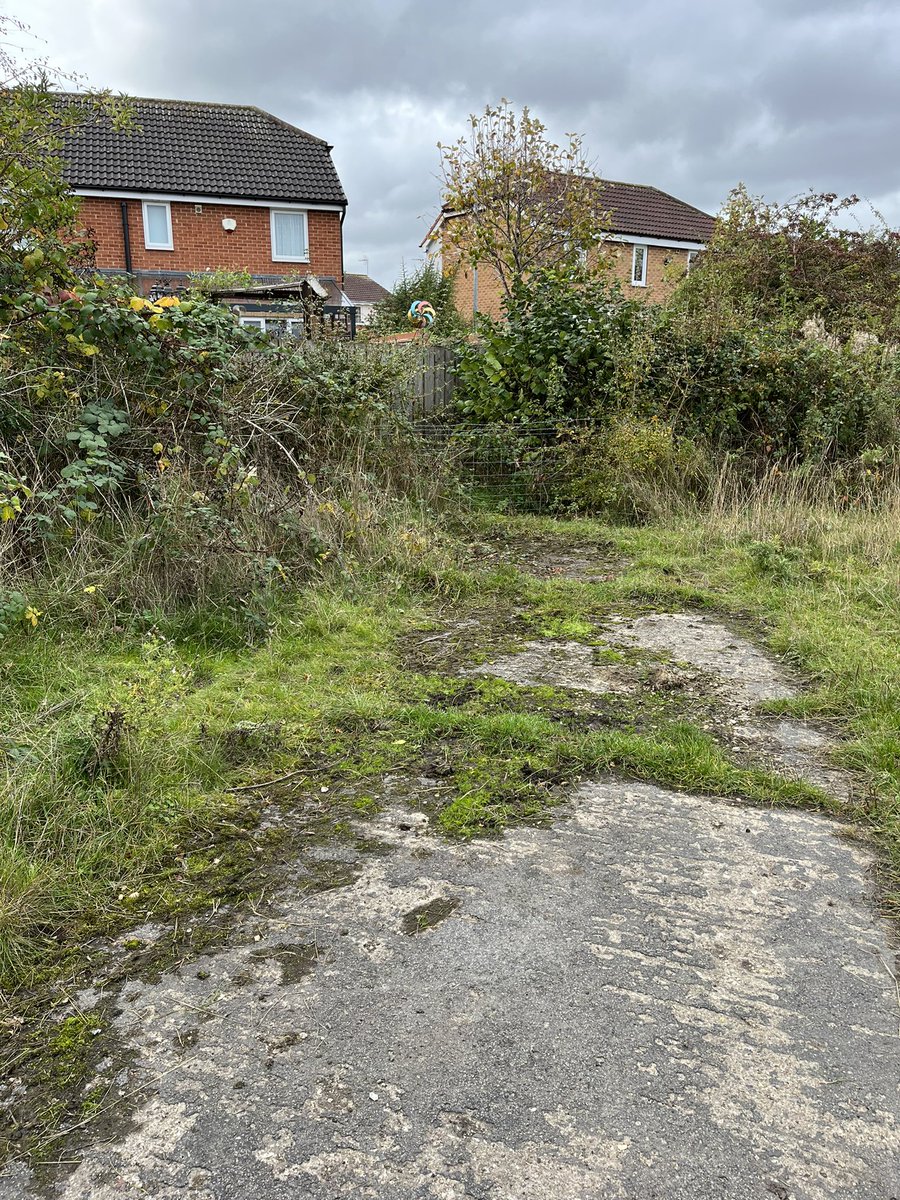
This was a spontaneous recce of the site and I look forward to having an even better look at the remains again soon. My interest in Second World War RAF bases has recently been reignited. Mostly to do with the social histories surrounding them.
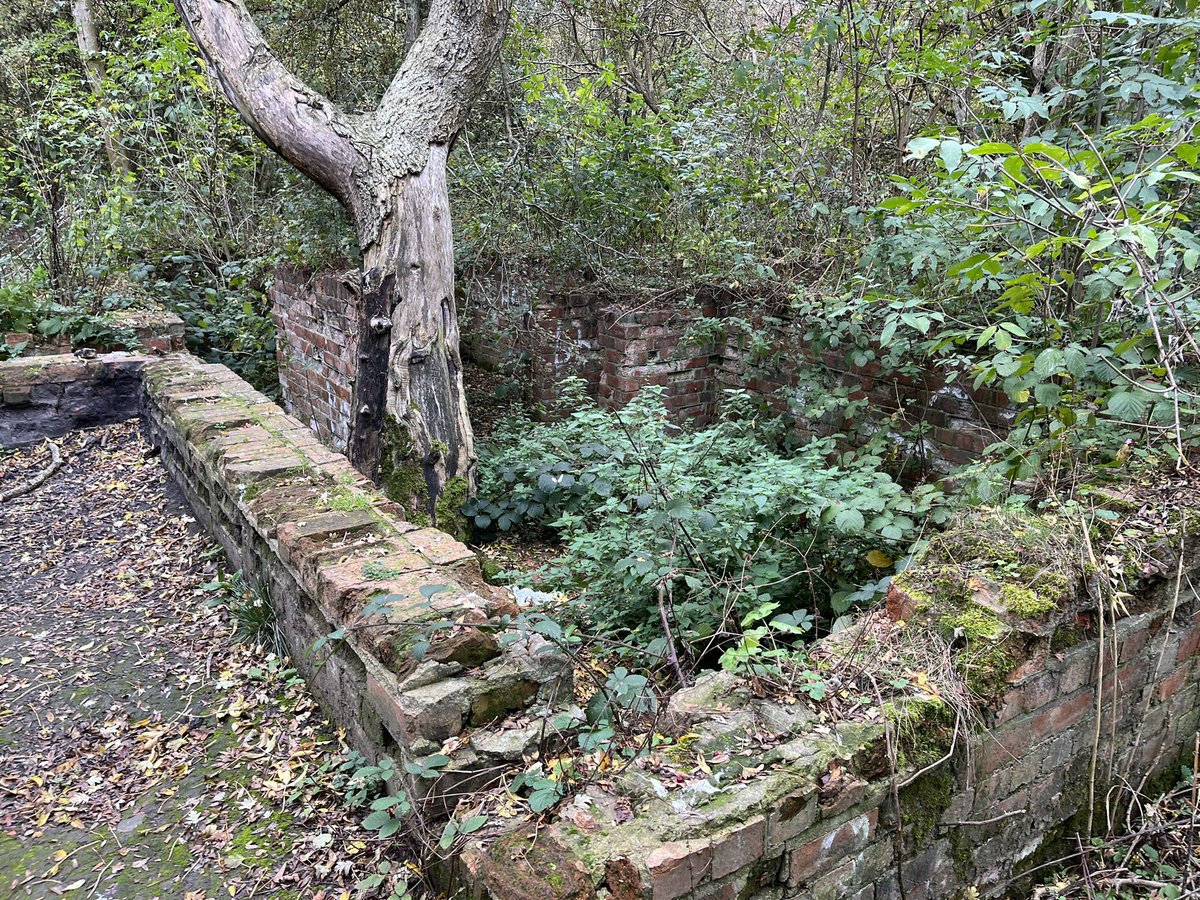
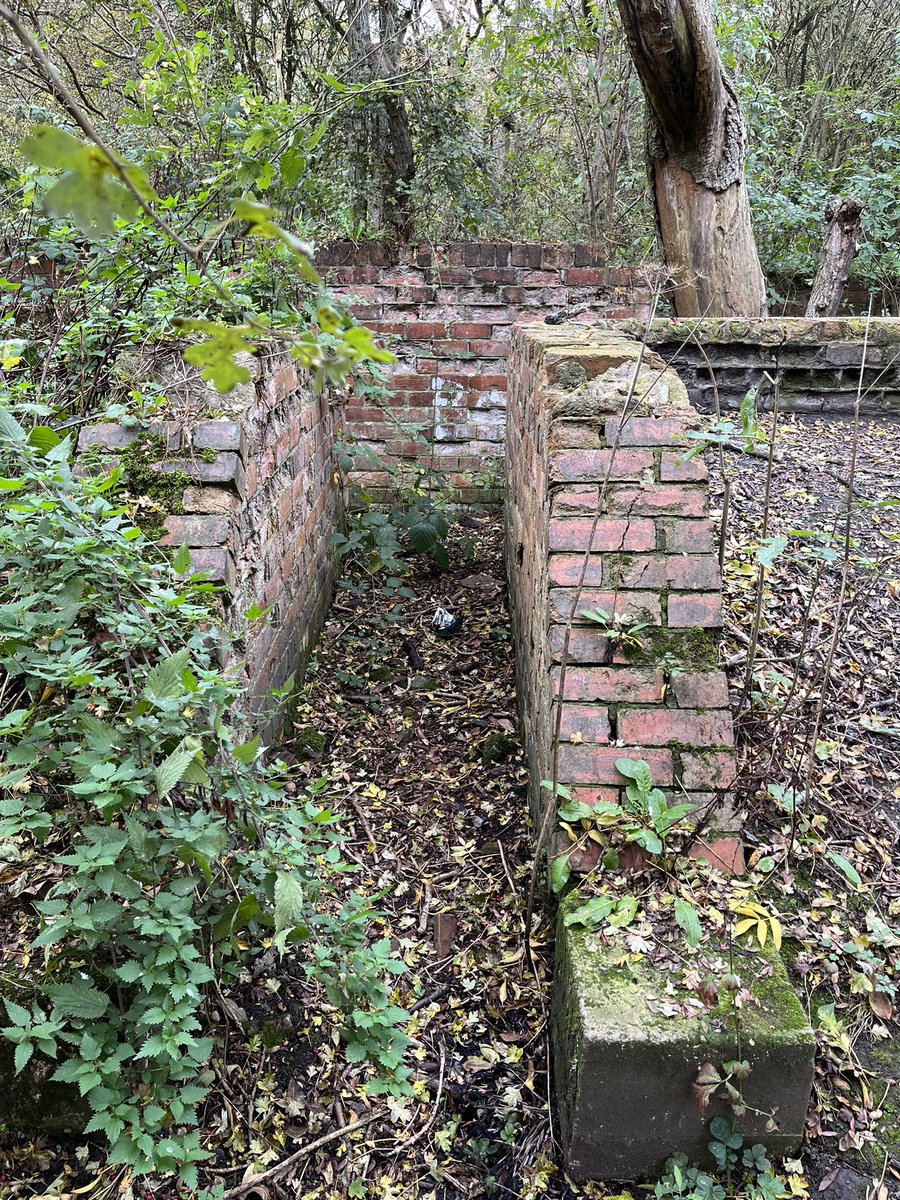
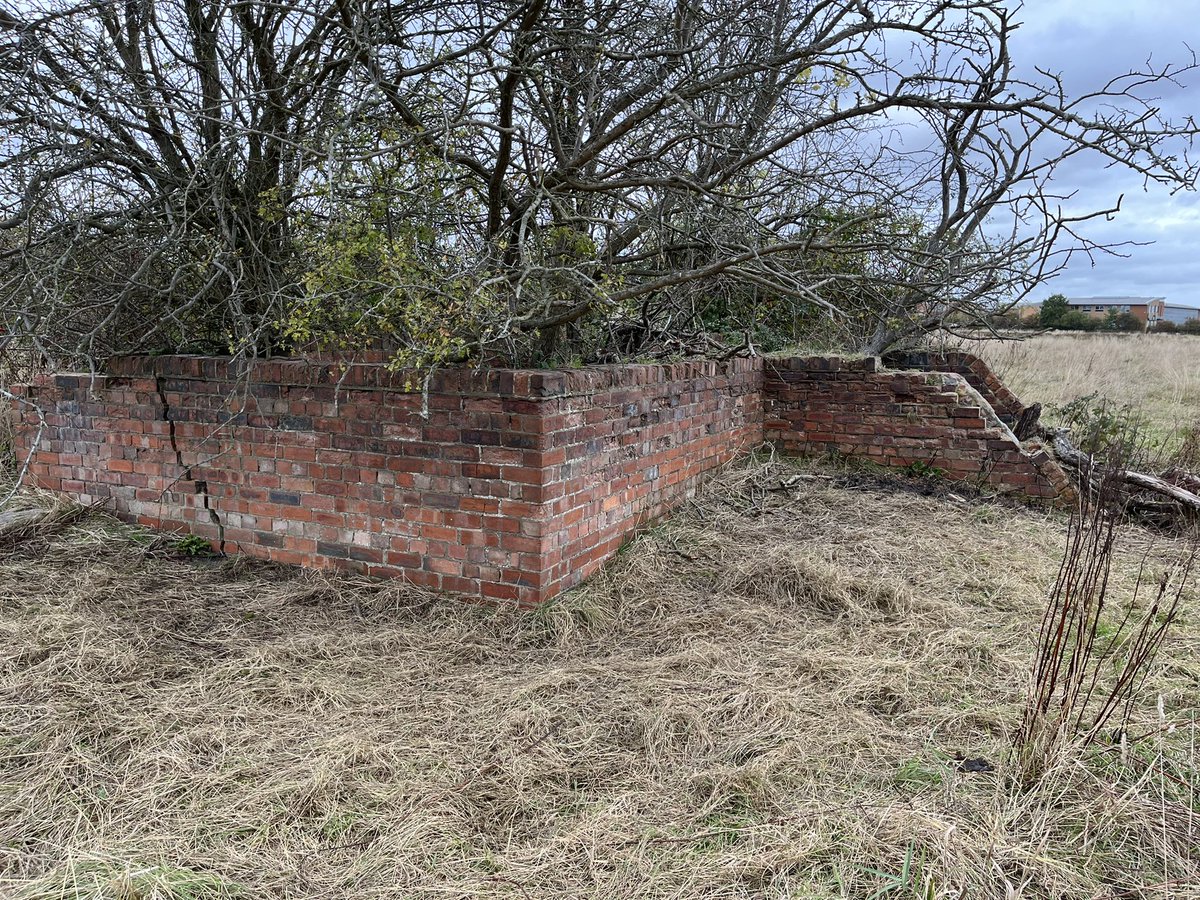
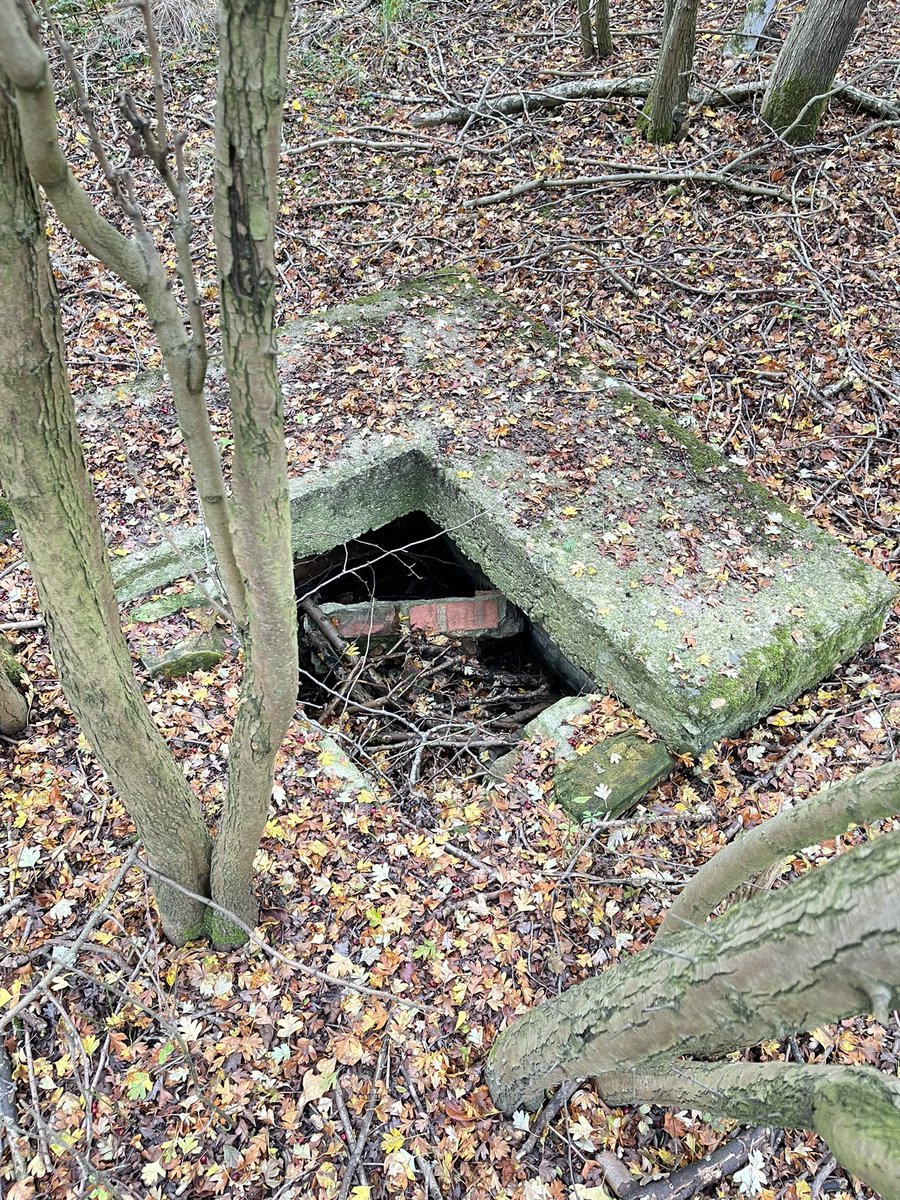
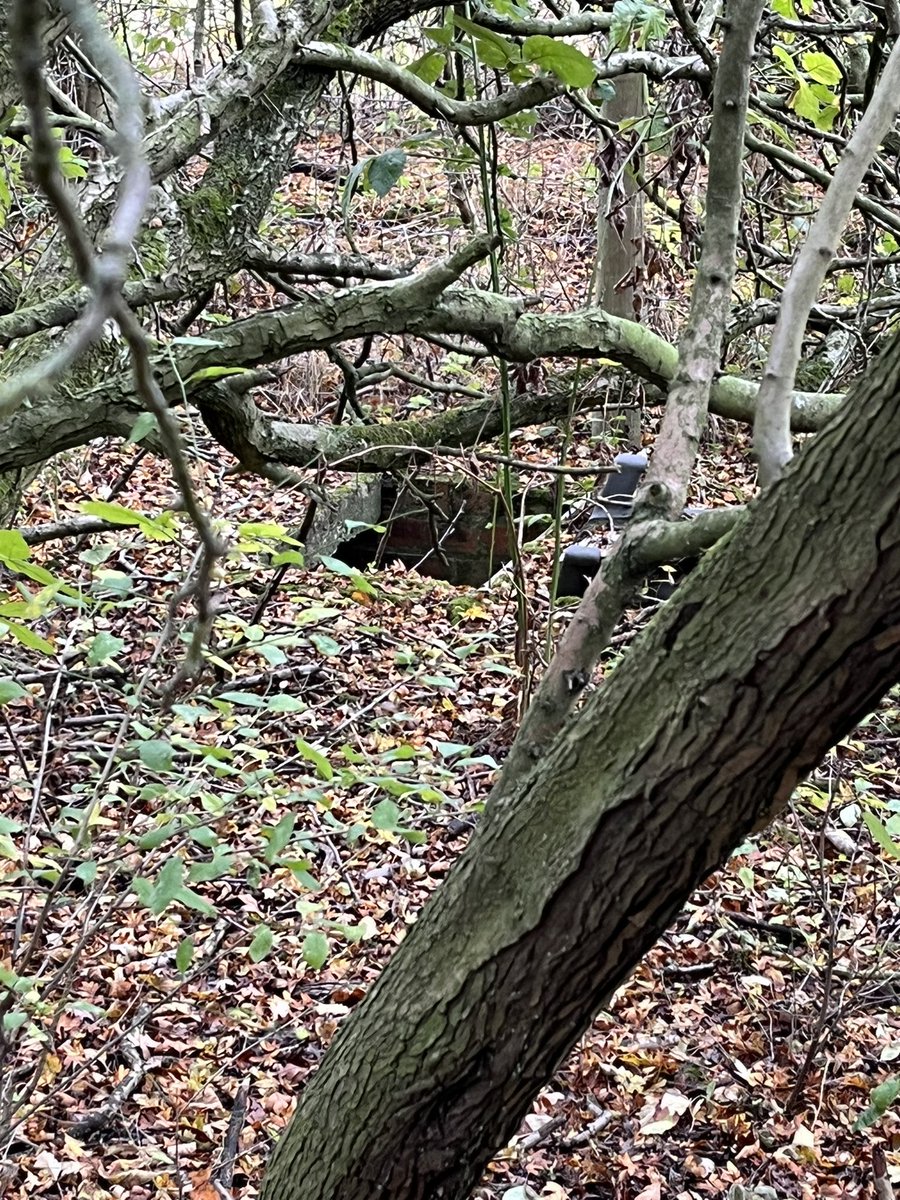
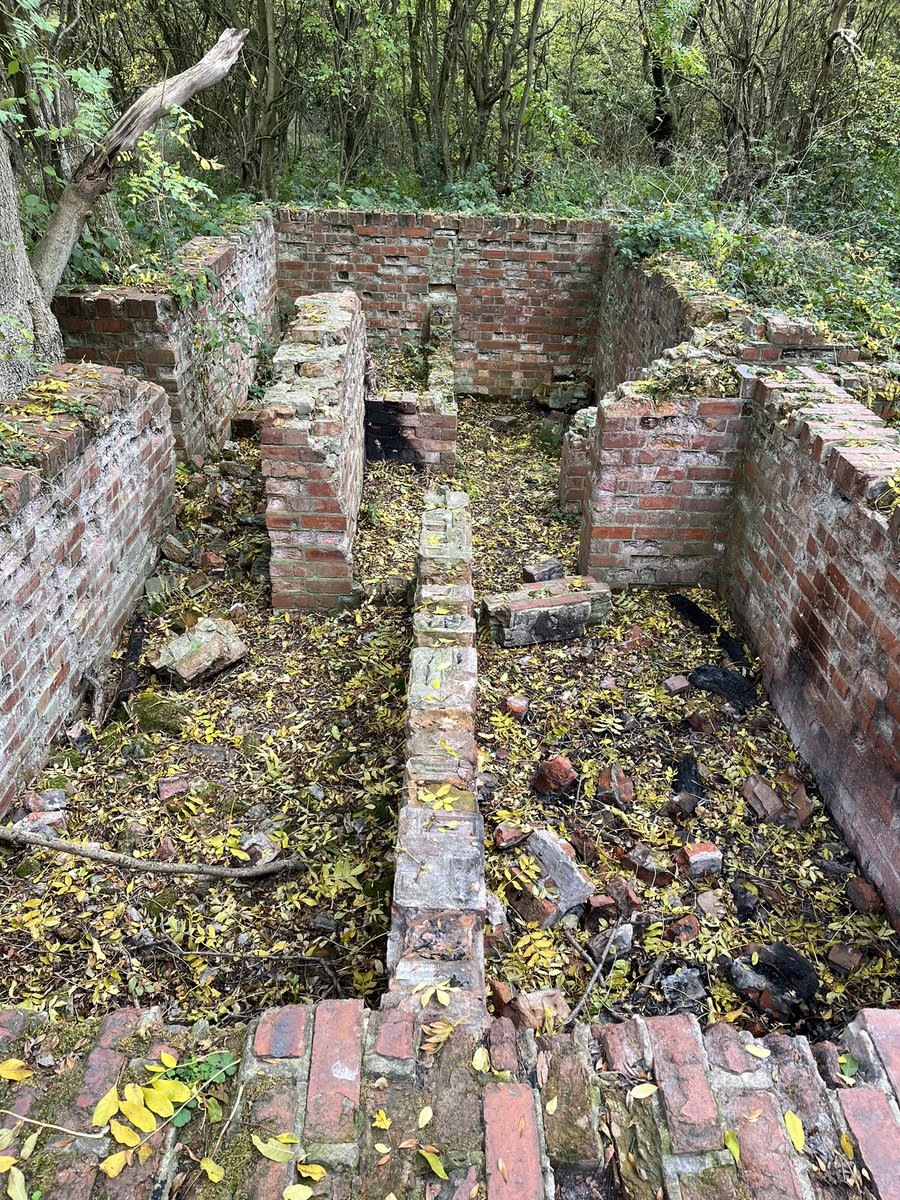
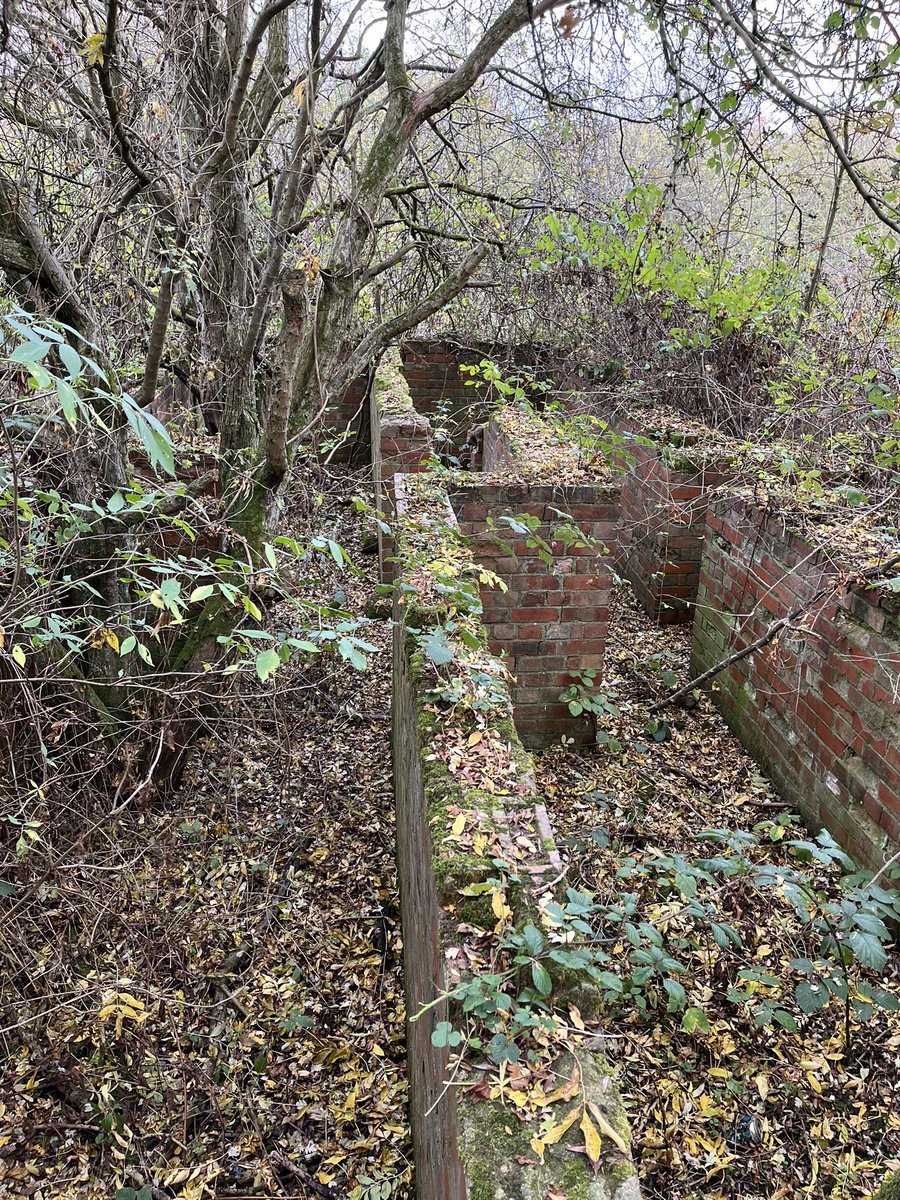
The first time I saw a blast shelter in the flesh was at RAF East Kirkby on Saturday. Today I saw at least 15! It’s poignant, because these shelters were used in action. RAF Clifton was bombed by the Luftwaffe several times and several airmen were killed.
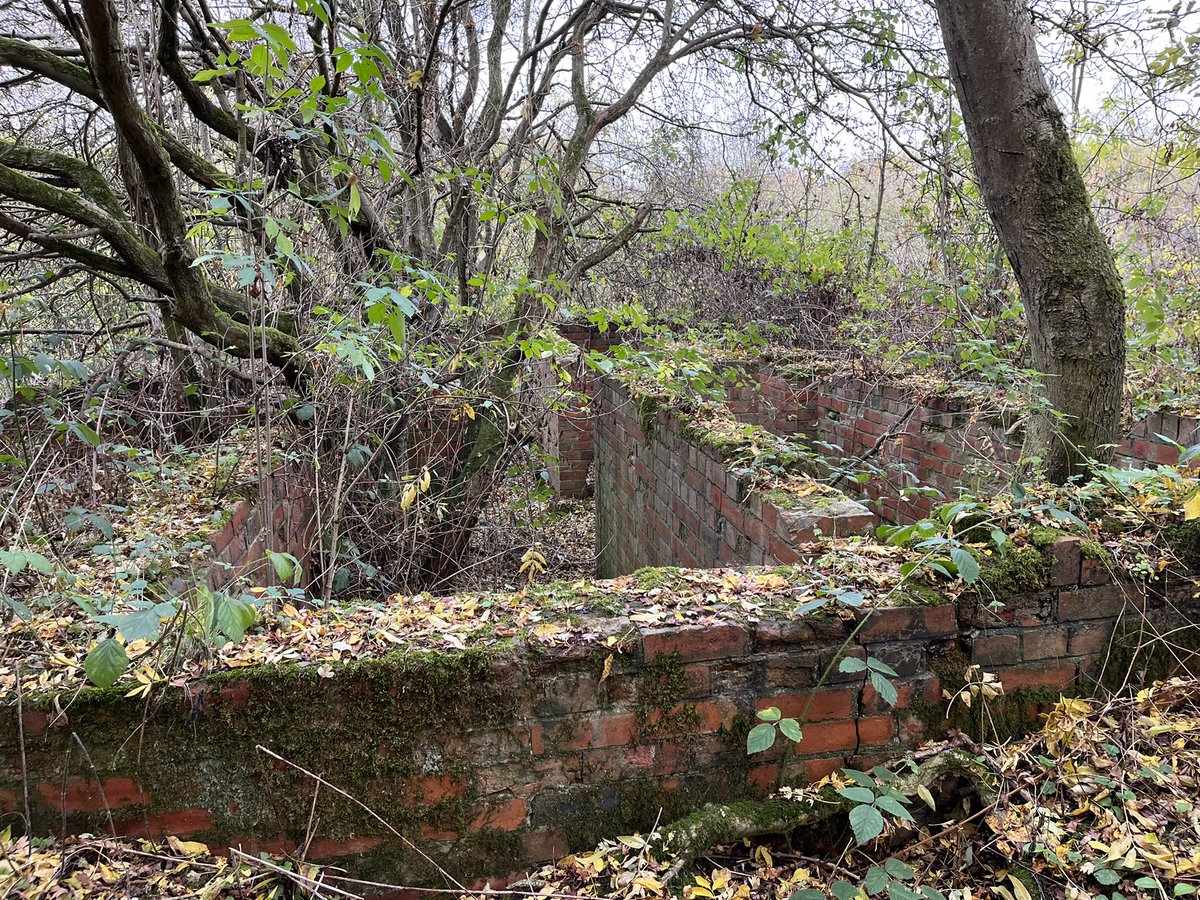
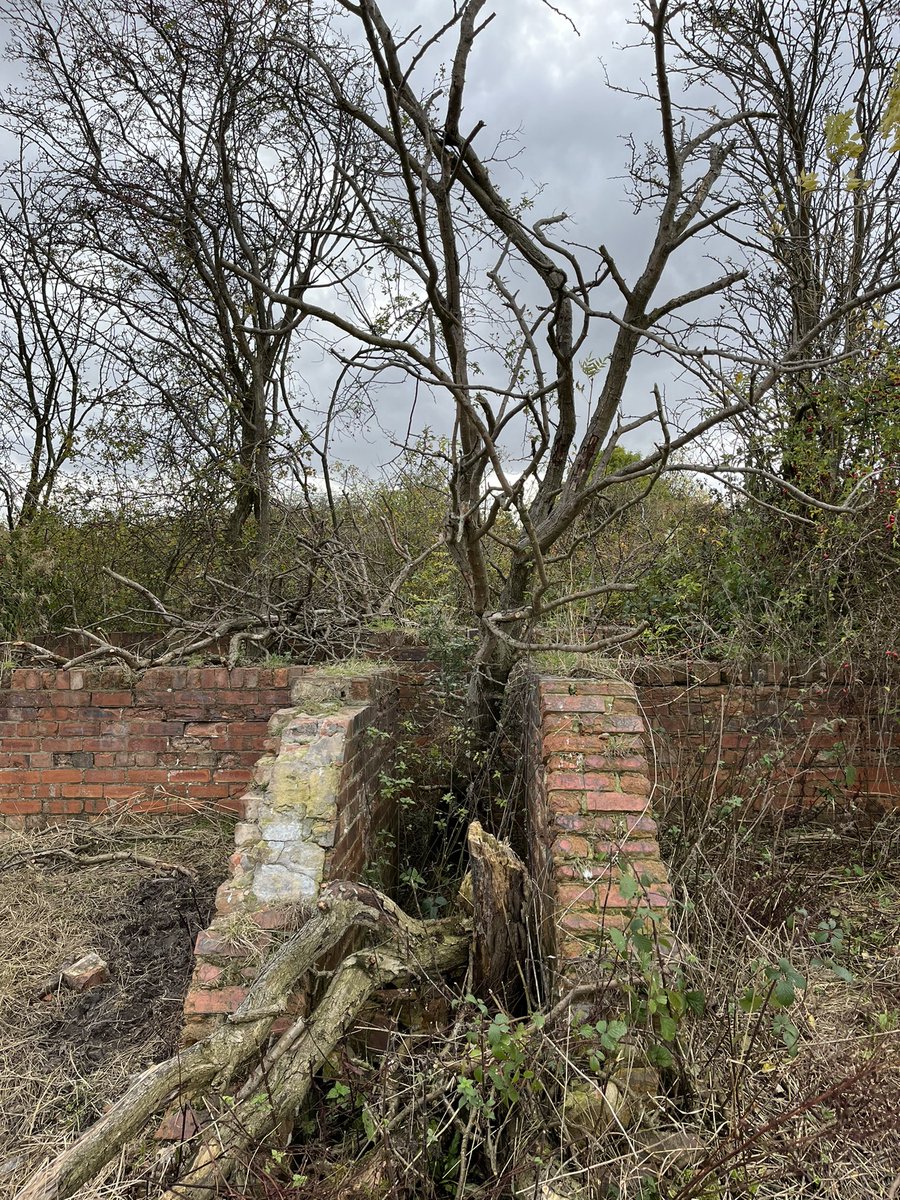
More blast shelters hidden in the trees. I was surprised to find these away from the runways. They are located just off an entrance road and not too far from the 1930s Rowntree’s Houses.
On this opening stray, there are at least five blast shelters located in a staggered row. Some variate in design and are larger. There must have been a lot of personnel in this area.
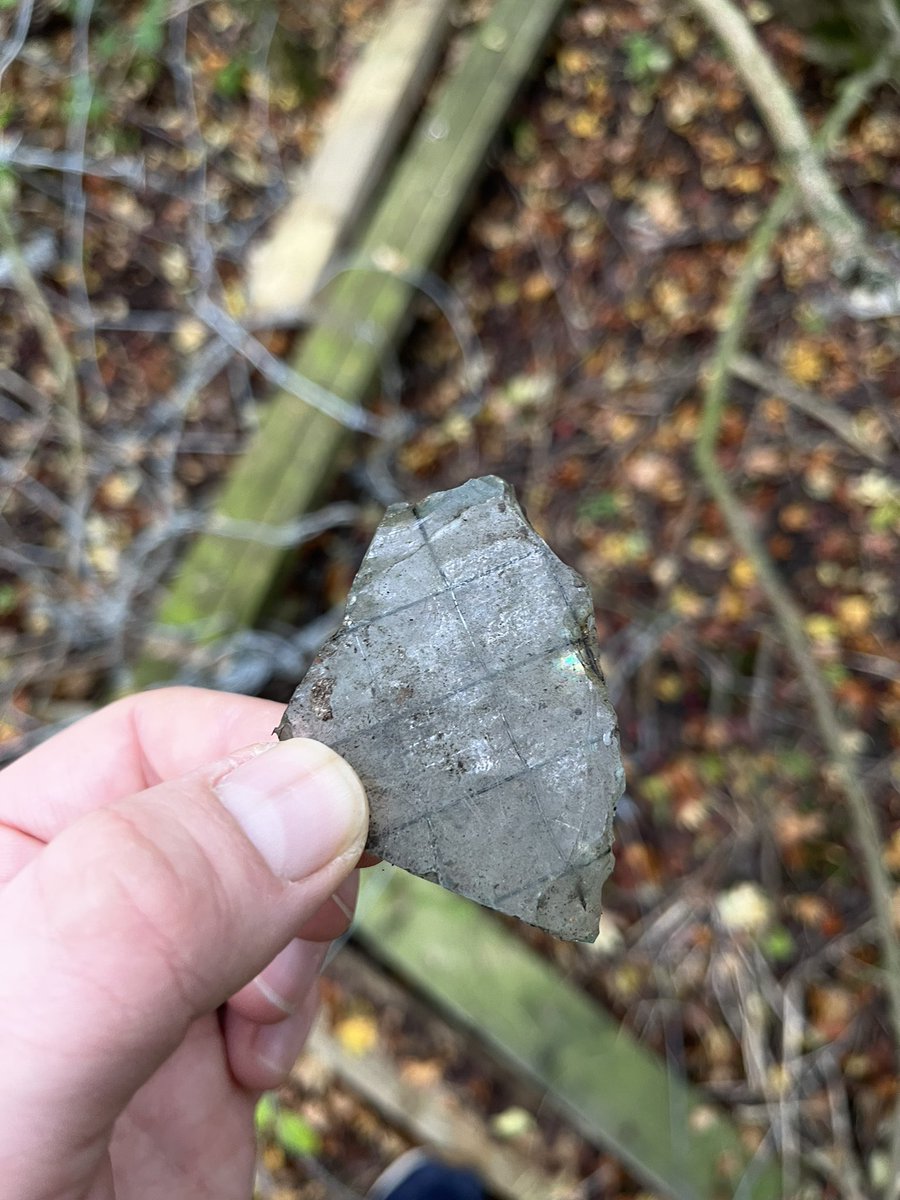
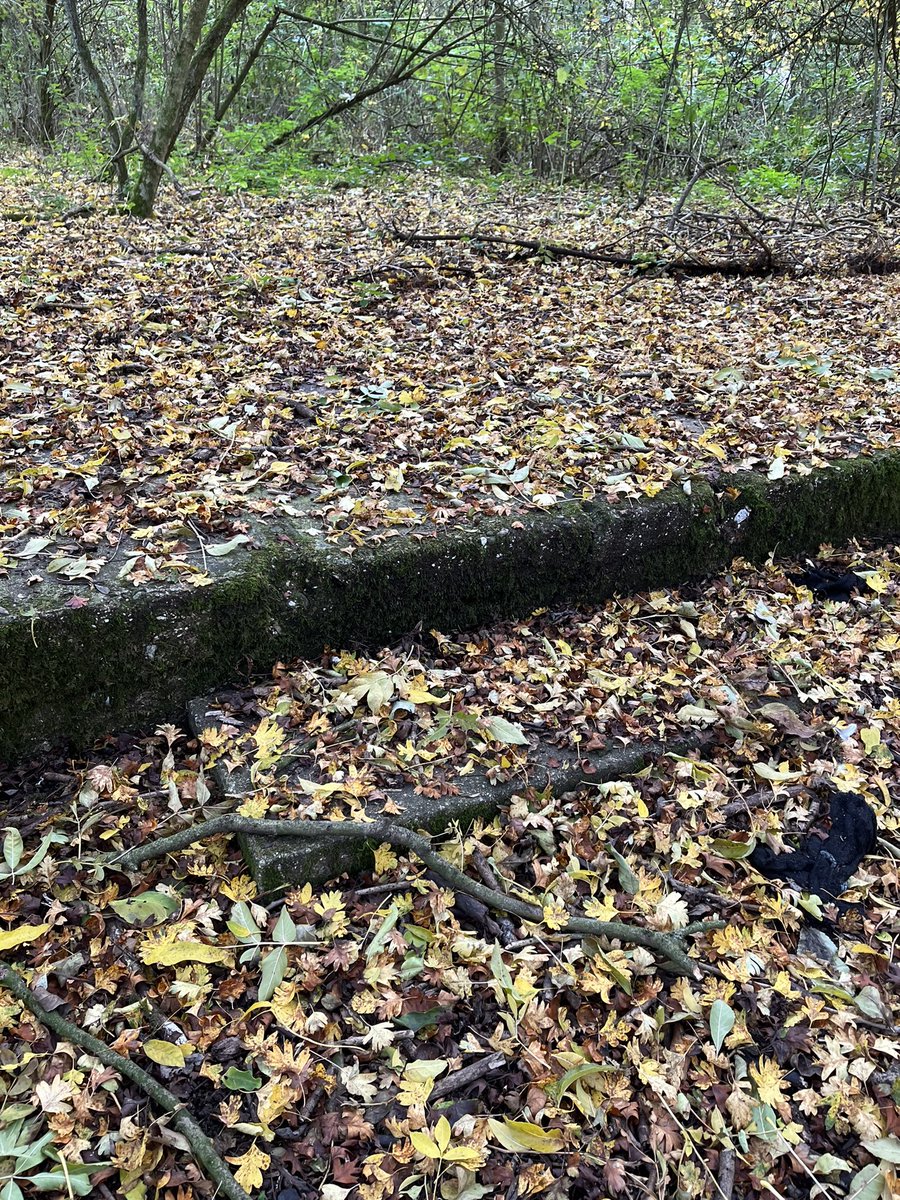
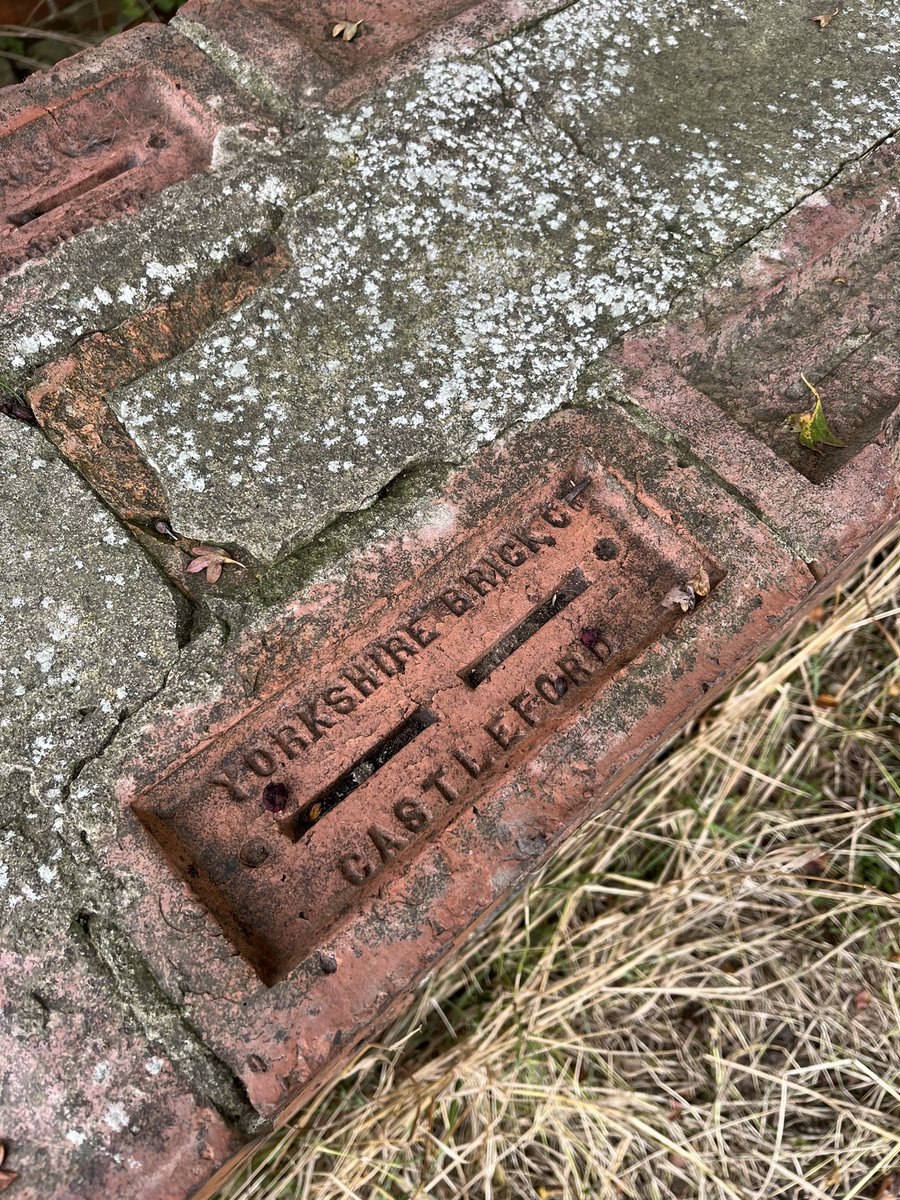
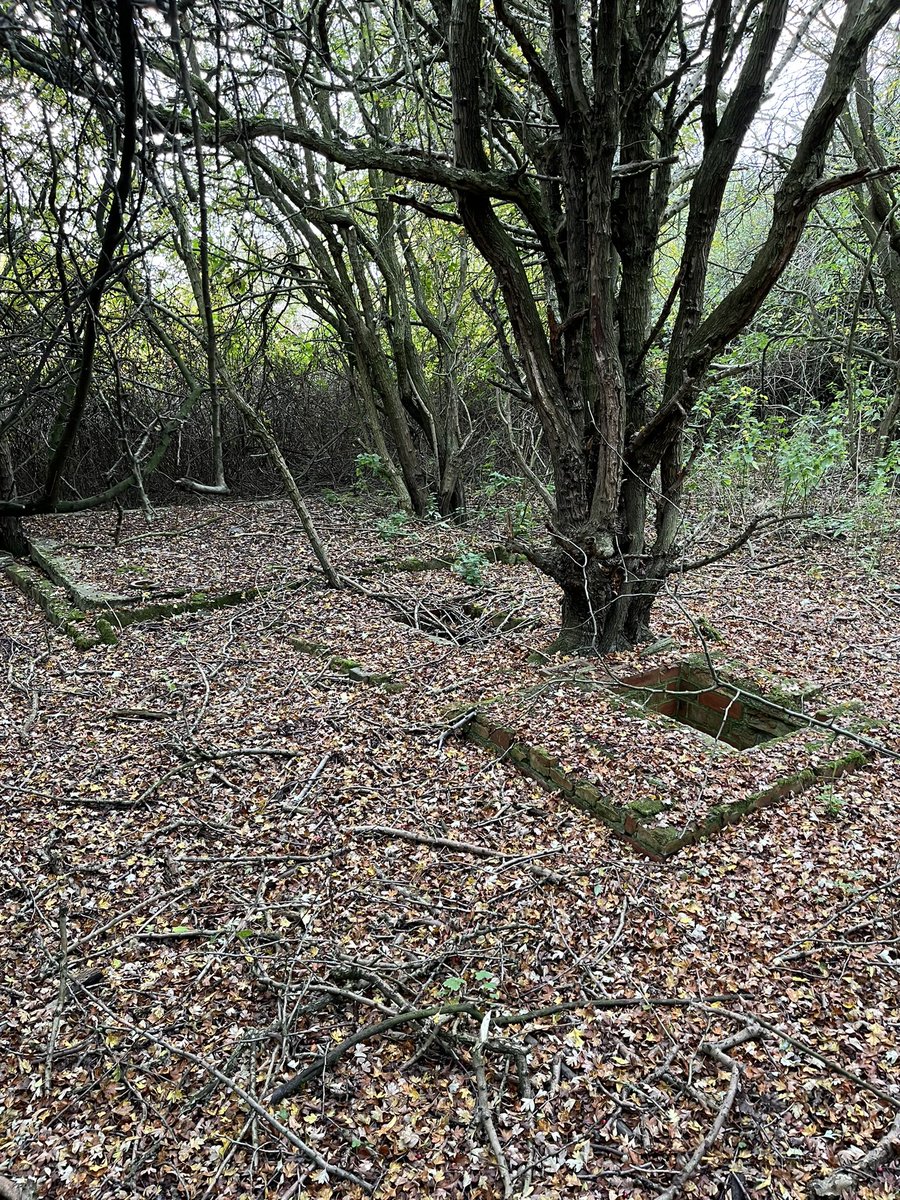
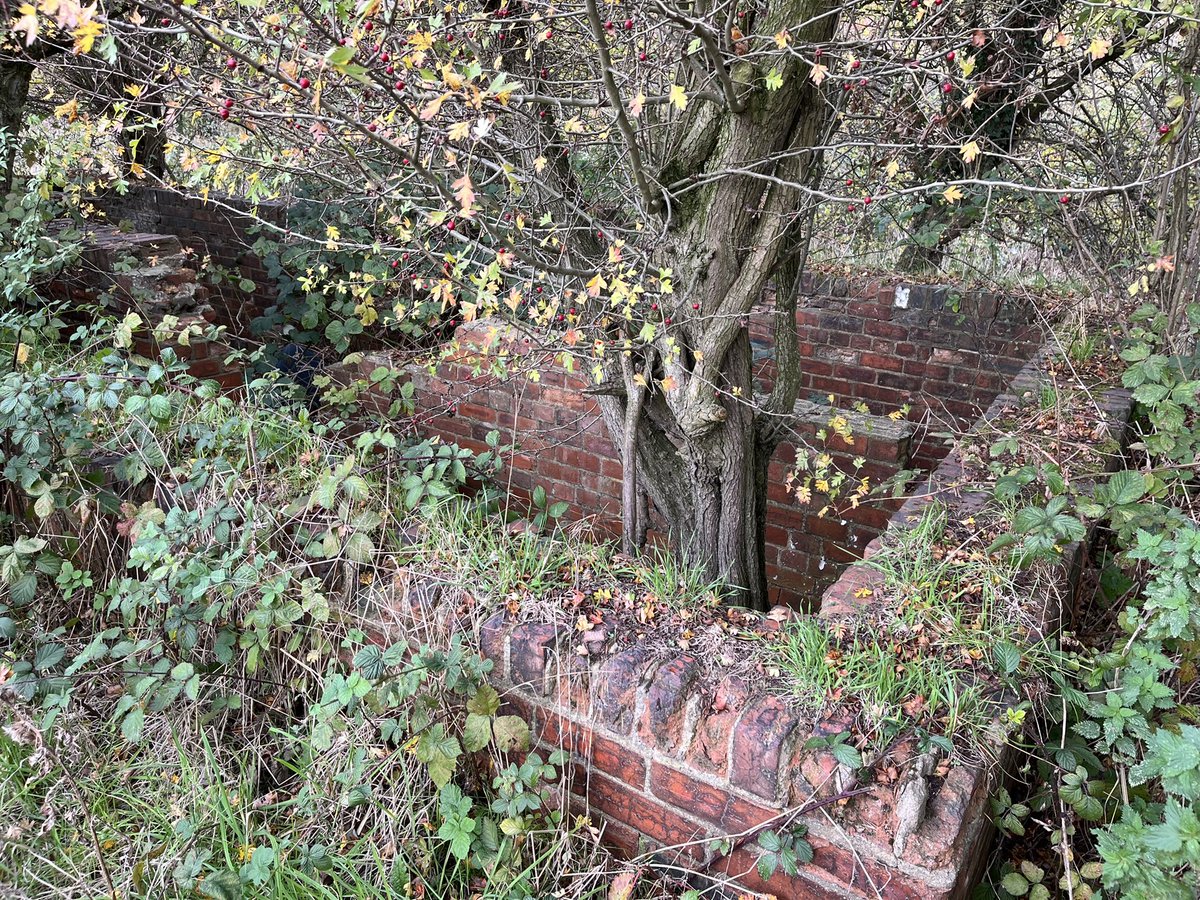
Beyond the first blast shelters, deep in the trees, are the foundations of several buildings. Evidence of drainage and broken ceramics suggests they were ablution buildings. I also found reinforced glass.
I became entangled in barbed wire here too…
The first shelter was too overgrown, but the second I found was probably the most accessible of the day.
These shelters were to offer quick, accessible protection for RAF personnel when under attack.