Tweets on protecting the emotional life of your adolescent children and guiding them into adulthood. Psychology and Neuroscience behind raising a teenager.
How I hated schools, and what a life of anxiety I lived there. I counted the hours to the end of every term when I should return home. I always like to learn, but I don’t always like to be taught.”
— Winston Churchill
Although it’s helpful and reassuring to know that this is all “normal” our brains develop and improve through EFFORT so the more you try to make your brain behave in the way you want it to, the quicker it will.
And you can come back sometimes for a home cooked meal and even bring your dirty washing with you if you play your cards right.
The need for separation could also explain teenagers are far more concerned about what their friends think than what their parents think.”
@nicolamorgan
“All mammals need to leave their parents and set up on their own at some point. But human adults generally provide a comfortable existence - food arrives on the table in quantities, money is dished out at regular intervals and…
In fact, falling out of love with the adults who look after you is probably a necessary part of growing up. Later, when you’ve gone, you can start to love them again because you won't need to be fighting to get away from them.
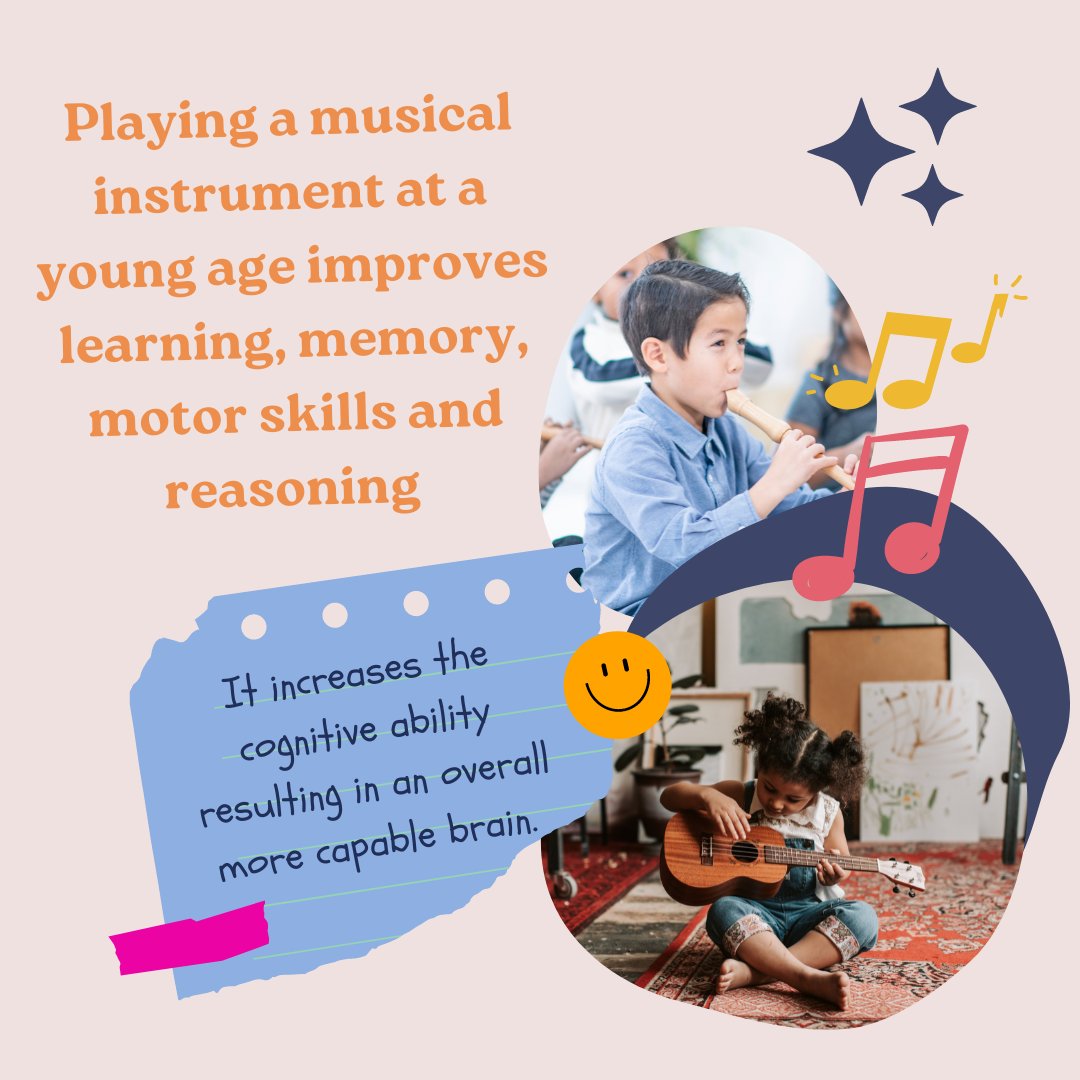
Playing a musical instrument, particularly at a young age, has recently been a hot topic in neuroscience.
Playing a musical instrument has been shown to increase cognitive ability through enhanced neuronal communication between the left and right hemispheres of the brain...
The recent research and results are ultimately showing the importance of engaging children in instrument lessons of any kind to enhance the network of neuronal connections developing in the brain.