RamanProSeq is a EIC Pathfinder OPEN project: Plasmonic nanopore technologies for automatic manipulation and Raman spectroscopic sequencing of single proteins.
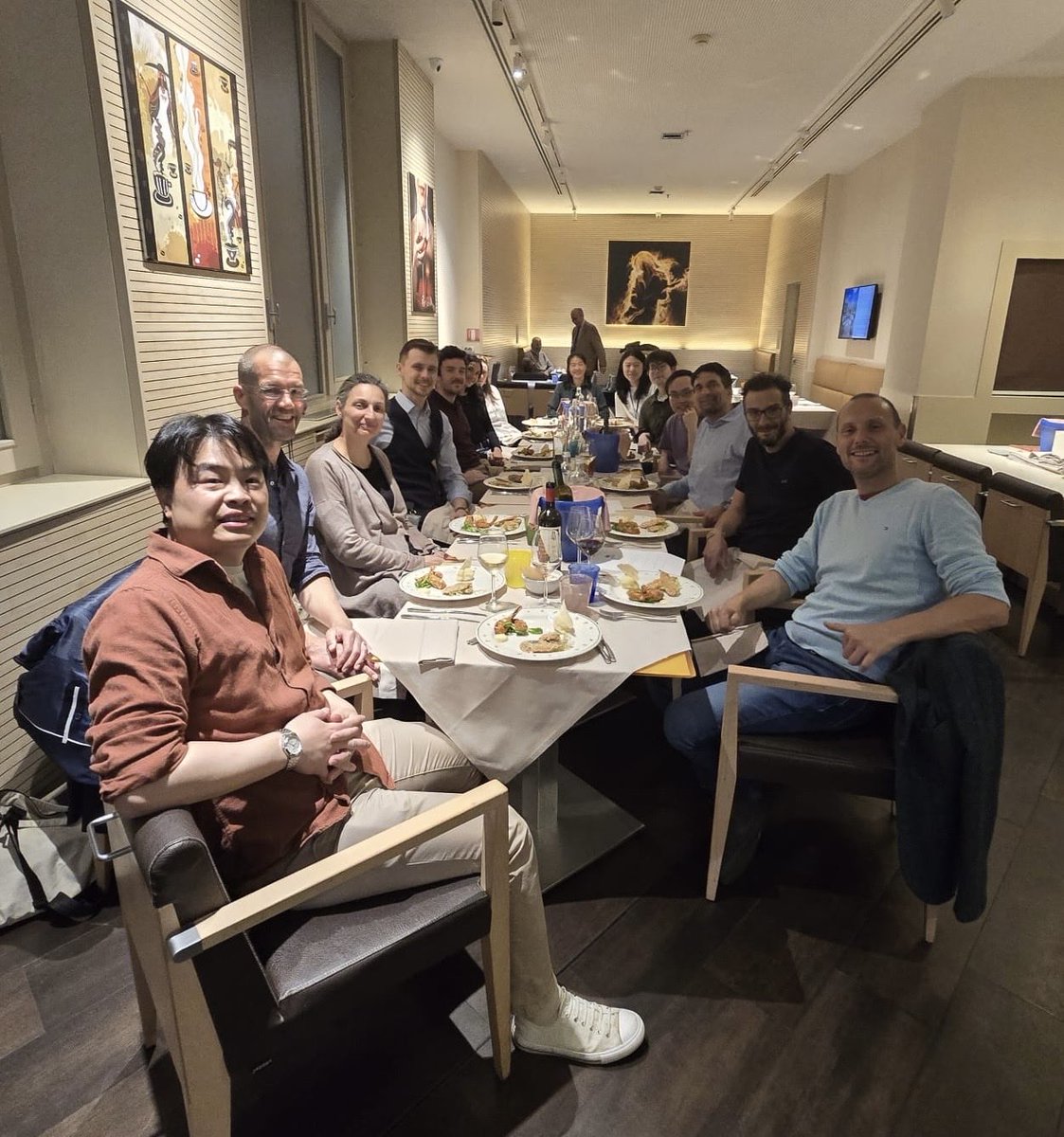
It was great to join #RamanProSeq kick-off meeting at Istituto Italiano di Tecnologia at Genova to discuss the research of Raman spectroscopic single-molecule protein sequencing with James Yates ,Cuifeng Ying ,Maria Fyta ,Francesco De Angelis, Lu Cheng and their group members.
I will give an invited talk: "Could sweat-biomarker-reading smartwatch even assess suitability of medication?" to present our collaboration with Polar Electrode Oy for wearable sweat sensors with an optical watch for in the event of Bridge Summit 2026 at Helsinki on 26 May 2026.
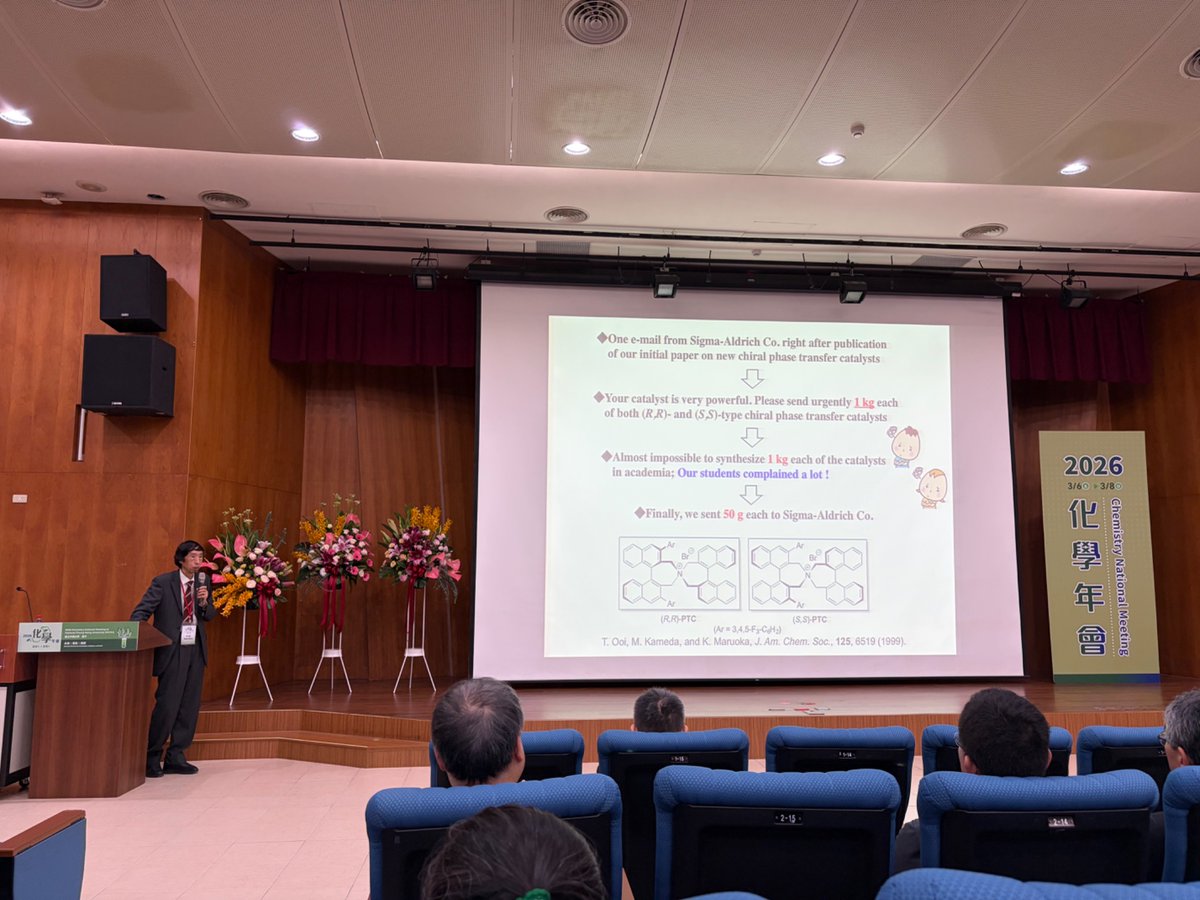
It was a nice experience to attend the 2026 Chemistry National Meeting at Taichung, enjoy the foods and make friends with many friendly Taiwan scientists.
We are hiring a Postdoctoral Researcher in development of plasmonic nanopore for single molecule Protein sequencing by surface enhanced Raman spectroscopy (SERS) for the EIC Pathfinder project: RamanProSeq by 8 March 2026: https://t.co/R2PcsmIrzt
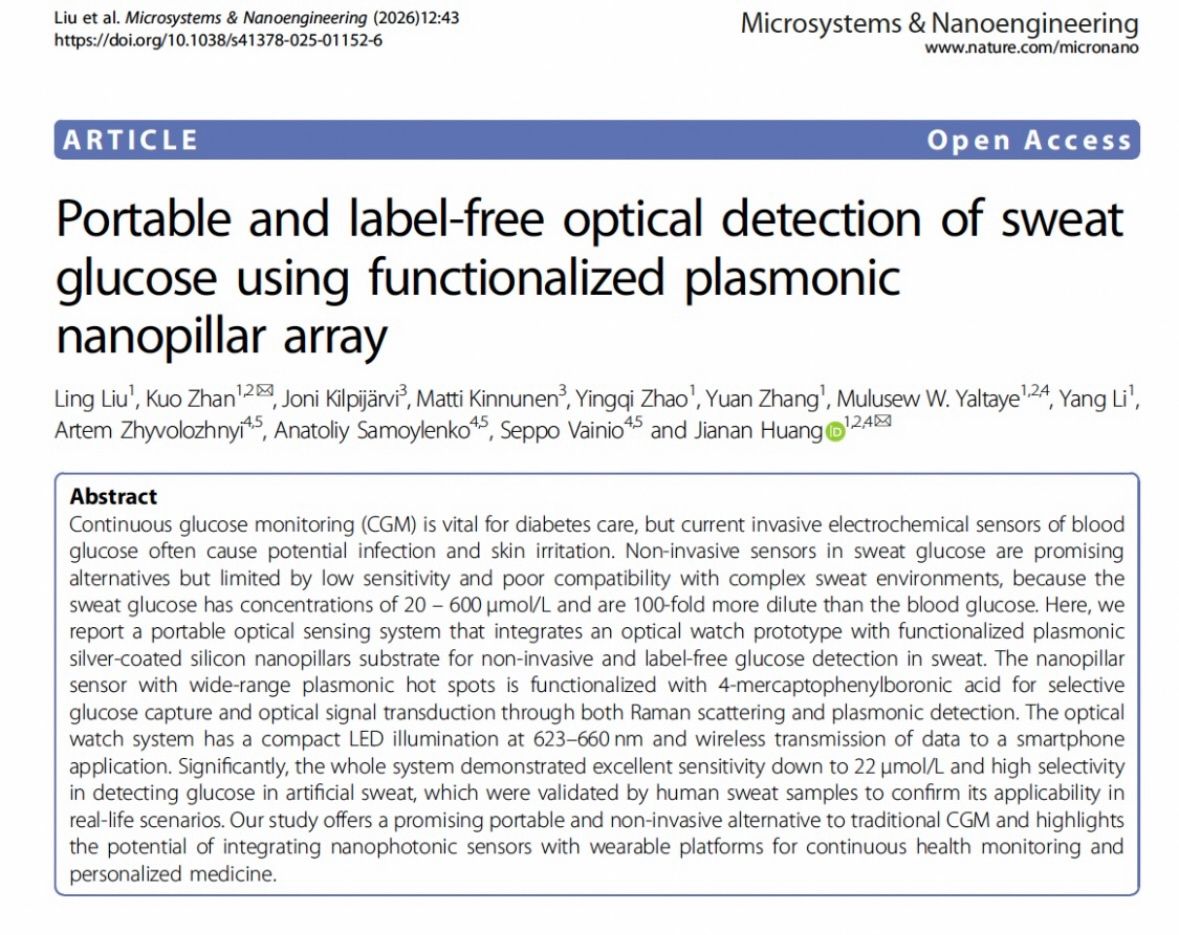
Our recent publication demonstrated portable plasmonic sensor with an optical watch prototype able to detect glucoses In human sweat of concentration down to 22 μmol/L. https://t.co/2rzqqDMd6B
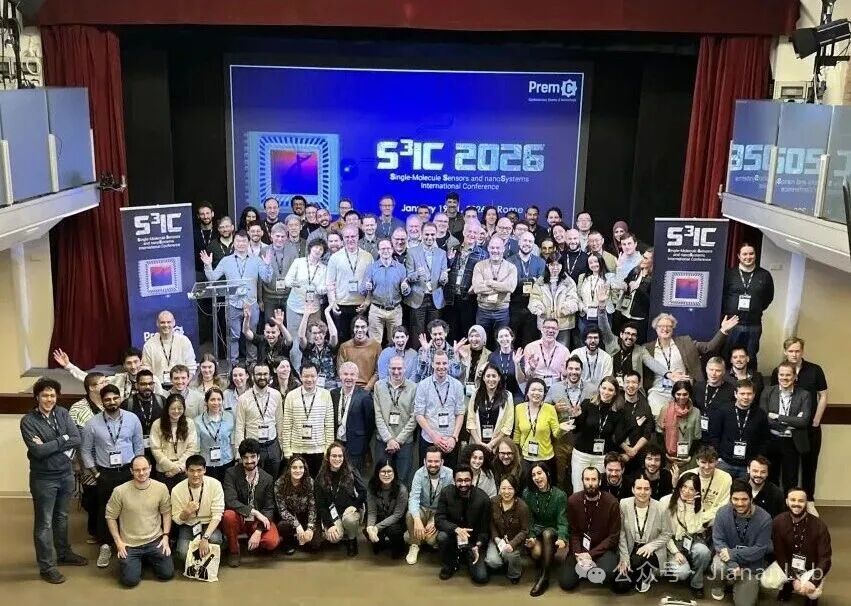
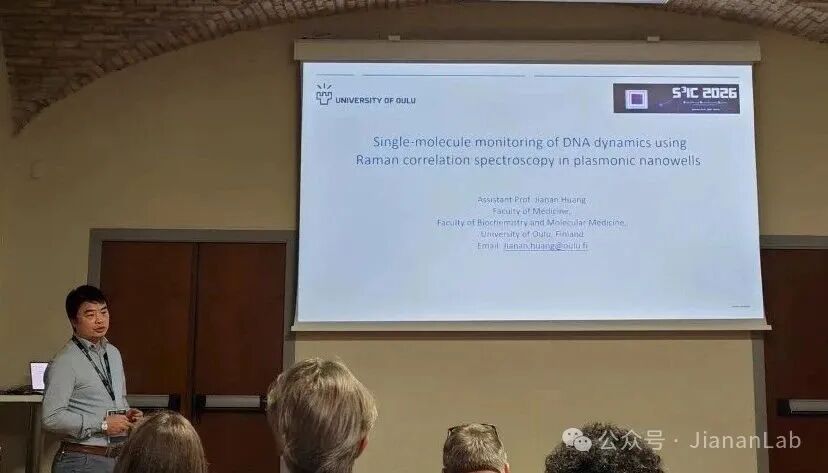
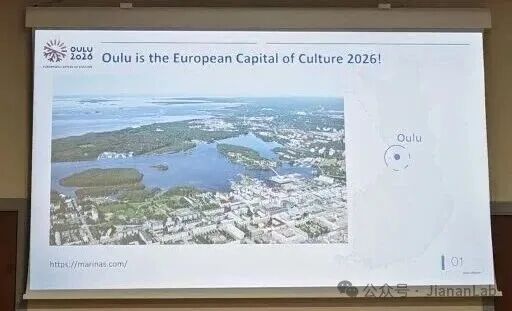
It was a great experience to present and discuss our single-molecule SERS research at Oulu (European Capital of Culture 2026) with scientists at the Single-molecule Sensors and nanoSystem conference 2026 (S3IC 2026) at the artistic atmosphere of Rome: https://t.co/SkhMivIujY
Shared is my student: Ms. Peilin Xin's blog article (in Chinese) about her journey and gained insight of her research towards her first doctoral publication of single-molecule Raman monitoring of DNA on the top-tier journal ACS Nano: https://t.co/0tsHTLFjT3
A great story (in Chinese) and research journey of struggling, challenge overcoming, growth and rewarding behind Ms. Yuan Zhang' 1st doctoral publication on hydroxylation quantification: https://t.co/xND1pIfqOL
I have learnt a lot in collaborating with Prof. Shuai Li to combine his expertise in automation for development of the single-molecule protein sequencing technology in the upcoming EIC Pathfinder Project: RamanProSeq. https://t.co/eaT4UvXult
Congratulation on Yuan's publication of stochastic Raman sensing to quantify proline and hydroxyproline in a mixture within 30 minutes at the detection limit of nano-Molar scale: https://t.co/S4icbq1Hy9
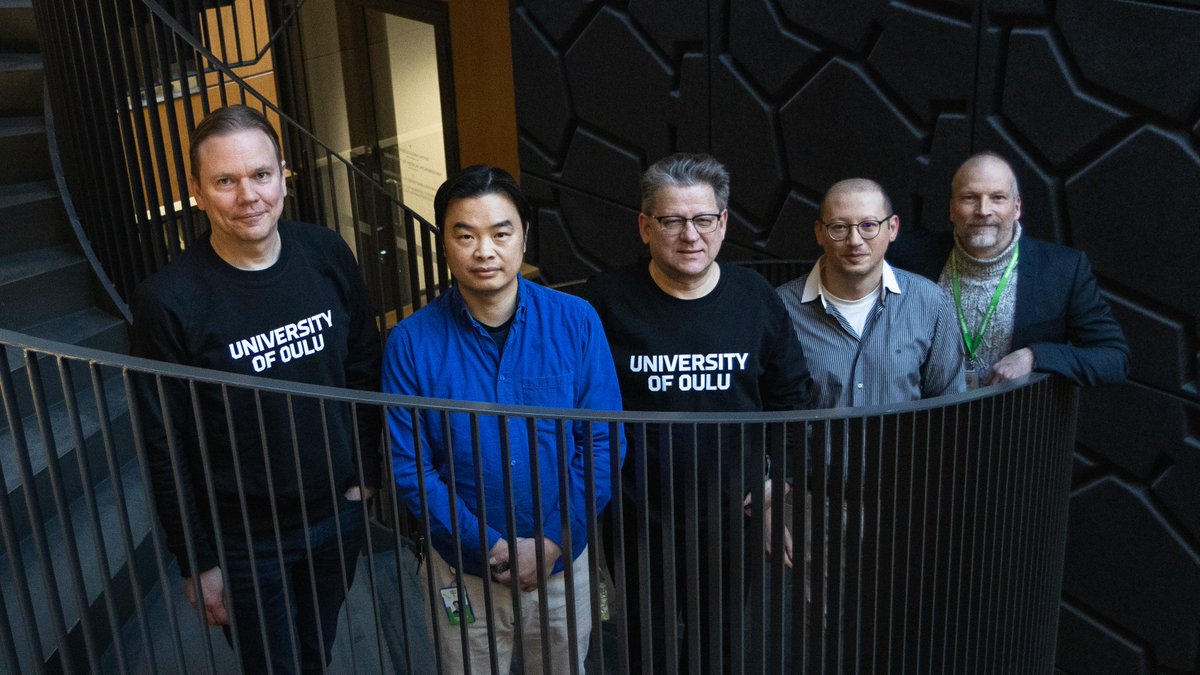
Our group at the University of Oulu is part of the RamanProSeq project, awarded €3M from the EIC Pathfinder Open. The project develops an optical method for single-protein sequencing, advancing personalised medicine and drug discovery.
🔗 https://t.co/EUViDAAkeO
A recent study (shared below) reminded me that 𝐰𝐡𝐚𝐭 𝐦𝐚𝐤𝐞𝐬 𝐚 𝐏𝐡𝐃 𝐬𝐭𝐮𝐝𝐞𝐧𝐭 𝐡𝐚𝐩𝐩𝐲 𝐢𝐬 𝐧𝐨𝐭 𝐩𝐮𝐛𝐥𝐢𝐜𝐚𝐭𝐢𝐨𝐧𝐬 𝐨𝐫 𝐬𝐭𝐢𝐩𝐞𝐧𝐝𝐬, 𝐛𝐮𝐭 𝐠𝐨𝐨𝐝 𝐬𝐮𝐩𝐞𝐫𝐯𝐢𝐬𝐢𝐨𝐧.
Over the years, I have supervised 53 PhD students, and I can say with conviction that 𝘁𝗵𝗲𝗿𝗲 𝗶𝘀 𝗻𝗼 𝘀𝗶𝗻𝗴𝗹𝗲 𝘀𝘂𝗽𝗲𝗿𝘃𝗶𝘀𝗼𝗿𝘆 𝘀𝘁𝘆𝗹𝗲 that works for all. Each student is different, and every PhD journey has its ups and downs.
With some students, I spent a disproportionate amount of time helping them gain confidence. With stronger ones, my role was to 𝗴𝘂𝗶𝗱𝗲 𝘁𝗵𝗲𝗺 𝘂𝗻𝘁𝗶𝗹 𝘁𝗵𝗲𝘆 𝗳𝗼𝘂𝗻𝗱 𝘁𝗵𝗲 𝗿𝗶𝗴𝗵𝘁 𝗽𝗿𝗼𝗯𝗹𝗲𝗺 𝗮𝗻𝗱 𝗯𝗲𝗰𝗮𝗺𝗲 𝘀𝗲𝗹𝗳-𝗱𝗿𝗶𝘃𝗲𝗻.
𝗘𝗺𝗽𝗮𝘁𝗵𝘆 𝗺𝗮𝘁𝘁𝗲𝗿𝘀. Unless a student gets genuinely interested in what he or she is doing, great work rarely happens.
A good 𝘀𝘂𝗽𝗲𝗿𝘃𝗶𝘀𝗼𝗿 𝗺𝘂𝘀𝘁 𝗮𝗹𝘀𝗼 𝗵𝗮𝘃𝗲 𝗴𝗼𝗼𝗱 𝗿𝗲𝗹𝗮𝘁𝗶𝗼𝗻𝘀𝗵𝗶𝗽𝘀 𝘄𝗶𝘁𝗵 𝗰𝗼𝗹𝗹𝗲𝗮𝗴𝘂𝗲𝘀. I never restricted my students from seeking advice from other faculty. In fact, I always encouraged it and built a network they could freely approach. I also followed an 𝗼𝗽𝗲𝗻-𝗱𝗼𝗼𝗿 𝗽𝗼𝗹𝗶𝗰𝘆 - any student could walk into my office anytime for advice.
I never had a lab of my own in any institution I worked at. Instead, I built common labs, shared by all, to promote collaboration and collective ownership. I have always believed that the 𝗯𝗲𝘀𝘁 𝗿𝗲𝘀𝗲𝗮𝗿𝗰𝗵 𝗲𝗻𝘃𝗶𝗿𝗼𝗻𝗺𝗲𝗻𝘁𝘀 𝗮𝗿𝗲 𝘁𝗵𝗼𝘀𝗲 𝘄𝗵𝗲𝗿𝗲 𝗽𝗲𝗼𝗽𝗹𝗲 𝗮𝗻𝗱 𝗳𝗮𝗰𝗶𝗹𝗶𝘁𝗶𝗲𝘀 𝗮𝗿𝗲 𝘀𝗵𝗮𝗿𝗲𝗱, 𝗻𝗼𝘁 𝗼𝘄𝗻𝗲𝗱.
I have always taken 𝗽𝗲𝗿𝘀𝗼𝗻𝗮𝗹 𝗿𝗲𝘀𝗽𝗼𝗻𝘀𝗶𝗯𝗶𝗹𝗶𝘁𝘆 𝗳𝗼𝗿 𝗲𝗻𝘀𝘂𝗿𝗶𝗻𝗴 𝘁𝗵𝗮𝘁 𝗺𝘆 𝗣𝗵𝗗 𝘀𝘁𝘂𝗱𝗲𝗻𝘁𝘀 𝗳𝗶𝗻𝗱 𝘁𝗵𝗲𝗶𝗿 𝗳𝗶𝗿𝘀𝘁 𝗷𝗼𝗯 𝗮𝗳𝘁𝗲𝗿 𝗴𝗿𝗮𝗱𝘂𝗮𝘁𝗶𝗼𝗻. Since most of them worked on industry-supported projects, this was never a problem.
Nearly 90% of my PhD students wrote their first peer-reviewed paper with me.
Unlike in the US, where professors often get students with prior research experience, 𝗶𝗻 𝗜𝗻𝗱𝗶𝗮 𝘄𝗲 𝘄𝗼𝗿𝗸 𝘄𝗶𝘁𝗵 𝗿𝗮𝘄 𝘁𝗮𝗹𝗲𝗻𝘁 𝗮𝗻𝗱 𝗵𝗲𝗹𝗽 𝘀𝗵𝗮𝗽𝗲 𝘁𝗵𝗲𝗺 𝗶𝗻𝘁𝗼 𝗰𝗮𝗽𝗮𝗯𝗹𝗲 𝗿𝗲𝘀𝗲𝗮𝗿𝗰𝗵𝗲𝗿𝘀. Faculty in Indian institutions (at least in the institutions where I worked so far - IIT Bombay, IIT Delhi and BITS Pilani) often put in far more time and effort per student than many of our counterparts abroad.
The 𝗿𝗲𝗮𝗹 𝗿𝗲𝘄𝗮𝗿𝗱 𝗰𝗼𝗺𝗲𝘀 𝗳𝗿𝗼𝗺 𝘀𝗲𝗲𝗶𝗻𝗴 𝘀𝘁𝘂𝗱𝗲𝗻𝘁𝘀 𝘁𝗿𝗮𝗻𝘀𝗳𝗼𝗿𝗺 𝗶𝗻𝘁𝗼 𝗰𝗼𝗻𝗳𝗶𝗱𝗲𝗻𝘁 𝗿𝗲𝘀𝗲𝗮𝗿𝗰𝗵𝗲𝗿𝘀, 𝗶𝗻𝗻𝗼𝘃𝗮𝘁𝗼𝗿𝘀, 𝗮𝗻𝗱 𝘁𝗲𝗮𝗰𝗵𝗲𝗿𝘀. That makes everything worthwhile.
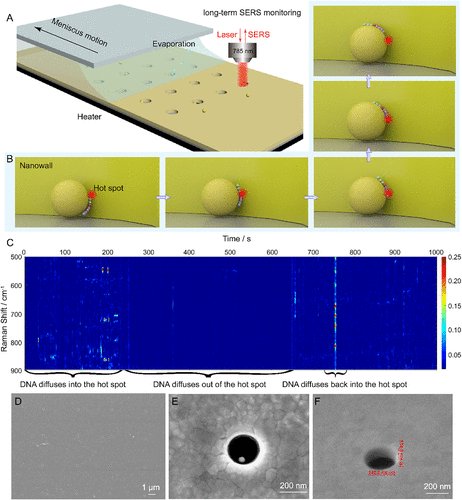
Delighted to present our new publication in ACS Nano!
Using Raman correlation spectroscopy in plasmonic nanowells, we achieved label-free single-molecule monitoring of nucleic acid dynamics with base-level resolution.
Read more 👉 https://t.co/4hxkAtnLtf
Xin et al.
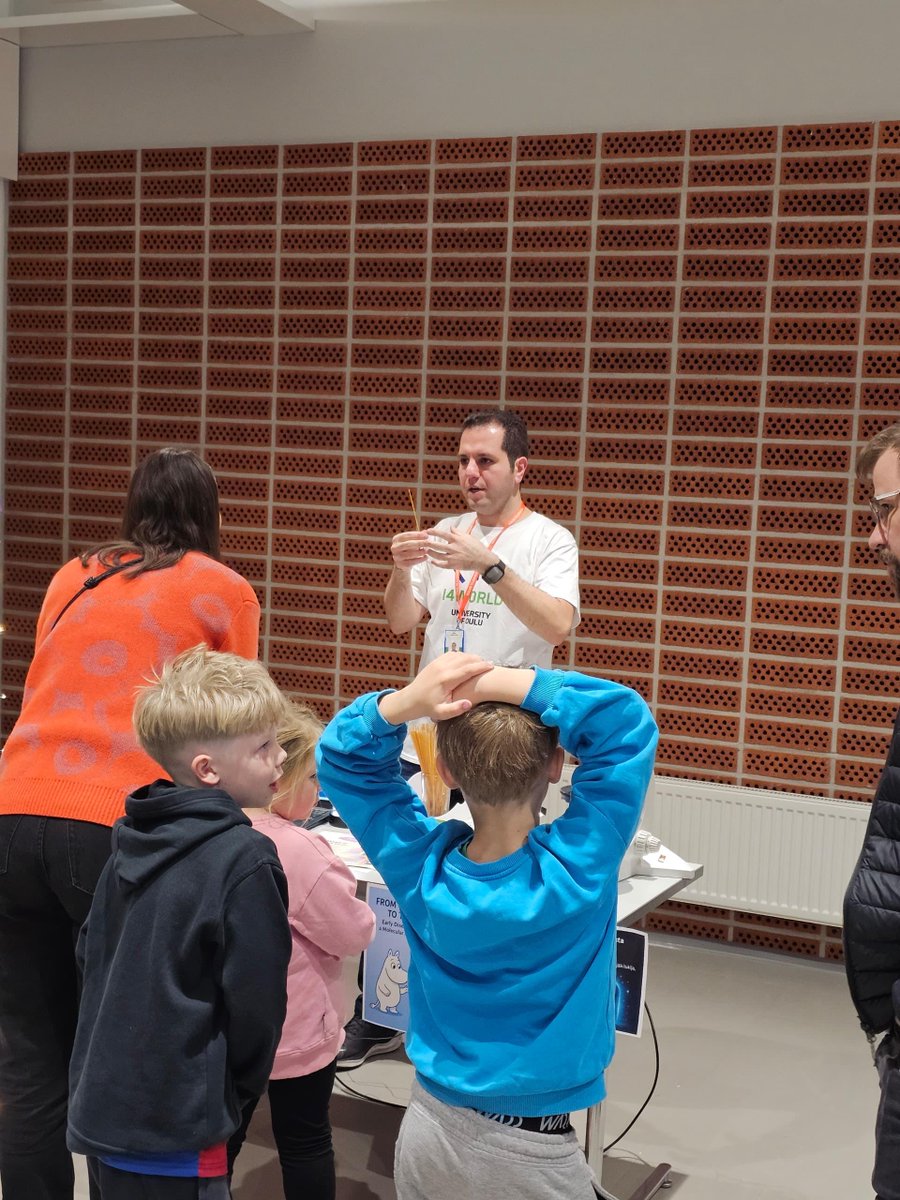
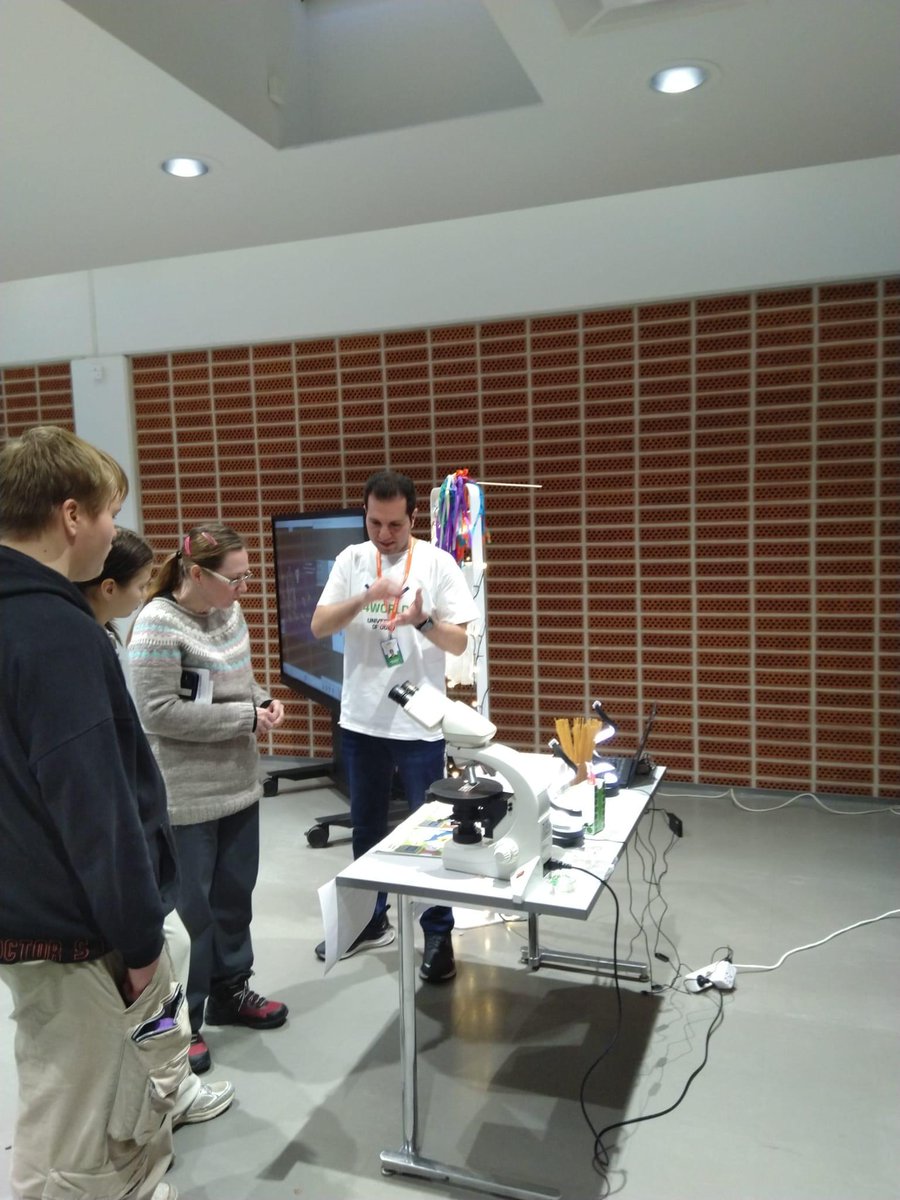
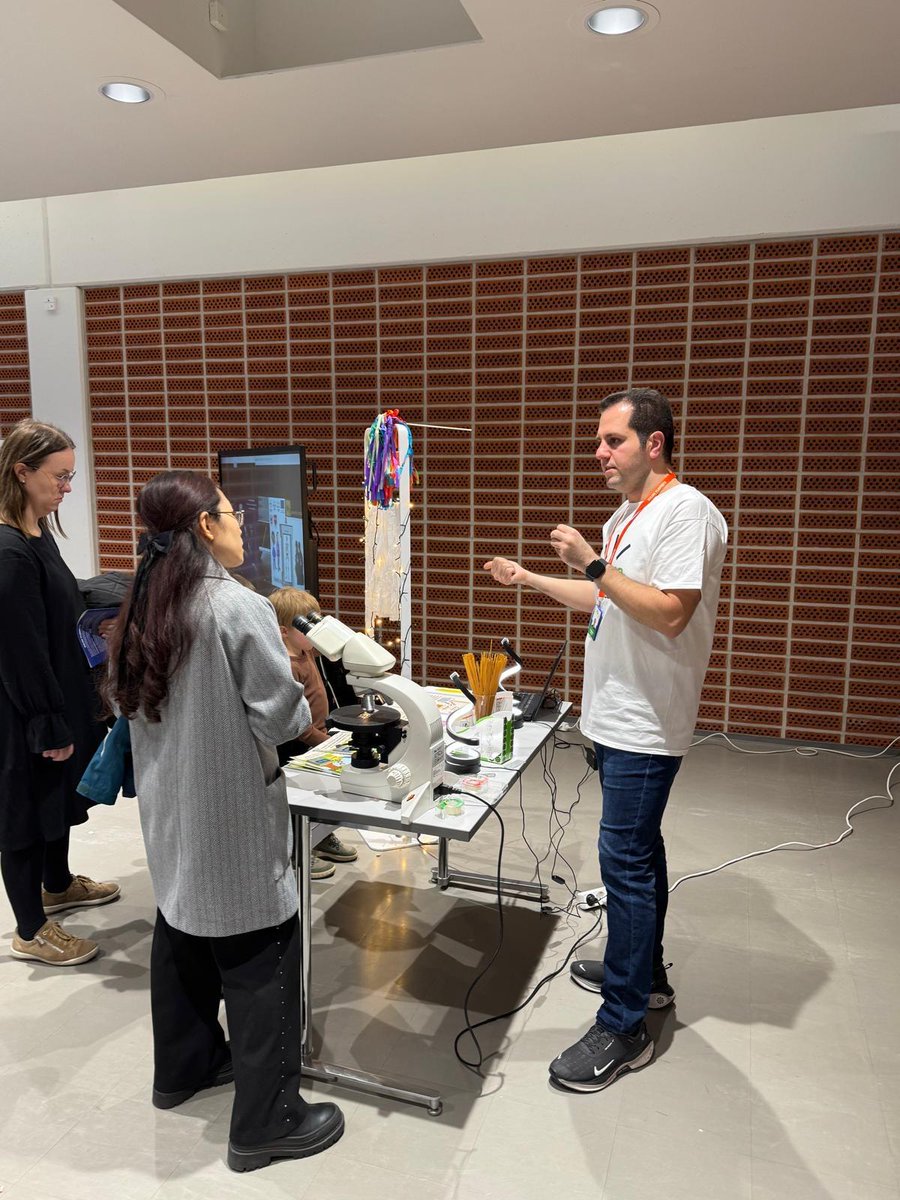
From Glass Nanopipettes to Molecular Sensing: Bridging Science and Curiosity!
Our member Alireza Soleimanian presented his research at Researchers’ Night 2025 (University of Oulu), engaging children and adults with how a glass nanopipette reads single DNA and protein molecules!
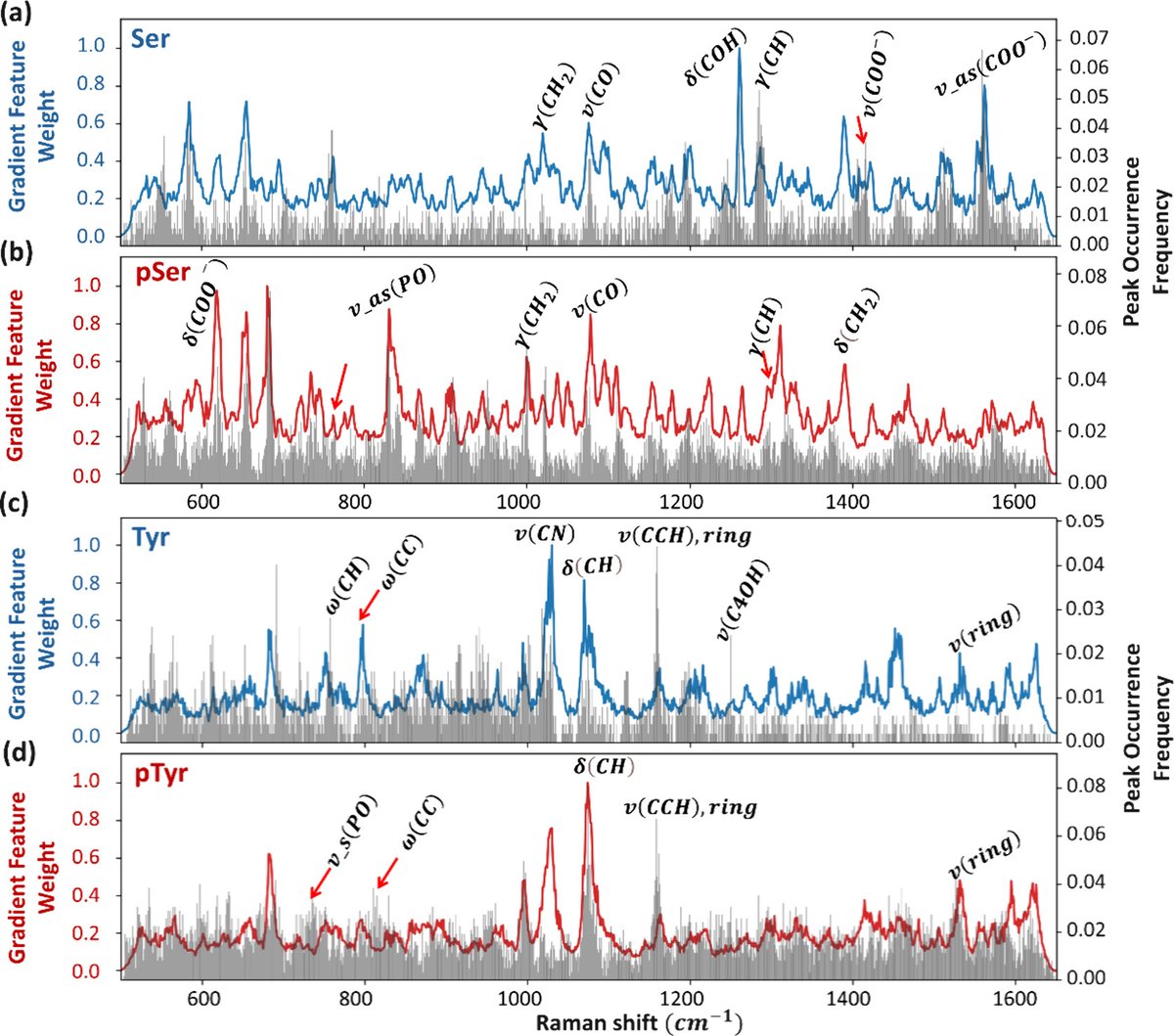
Thrilled to announce our latest work!
By combining a plasmonic particle-in-pore sensor with deep learning, we achieved high-accuracy single-molecule SERS detection of phosphorylation in serine and tyrosine (>95% & >97%).
Read more👉 https://t.co/3YqbnSu3Zz
Yaltaye et al.
Excited to share our latest work in Nano Letters! We achieved 96.6% accuracy in distinguishing proline vs hydroxyproline at the single-molecule level using a plasmonic nanopore sensor, SERS, and deep learning. A big step for PTM detection! https://t.co/6zVyo9FLKk, Zhao et al.
We are hiring a nanopore postdoc for the NGSens project that aims to develop single molecule biosensors by integrating artificial cells, biological vesicles, molecular cell biology, plasmonic nanopores with AI data analysis led by 5 PIs as a consortium: https://t.co/SD4JOKtLZI
Prof. Lin-bao Luo (School of microelectronics, Hefei University of Technology) visited UniOulu and our group last Thursday and Friday. We not only discussed research, but also went hiking in the forest. It was a really pleasant time.