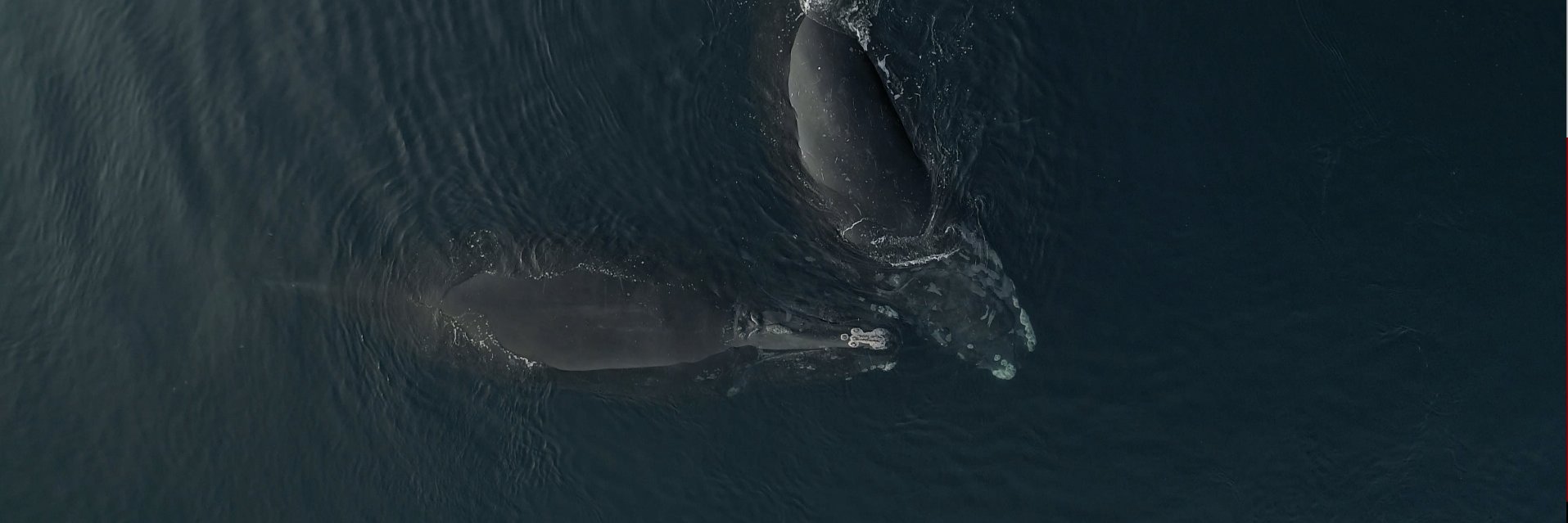
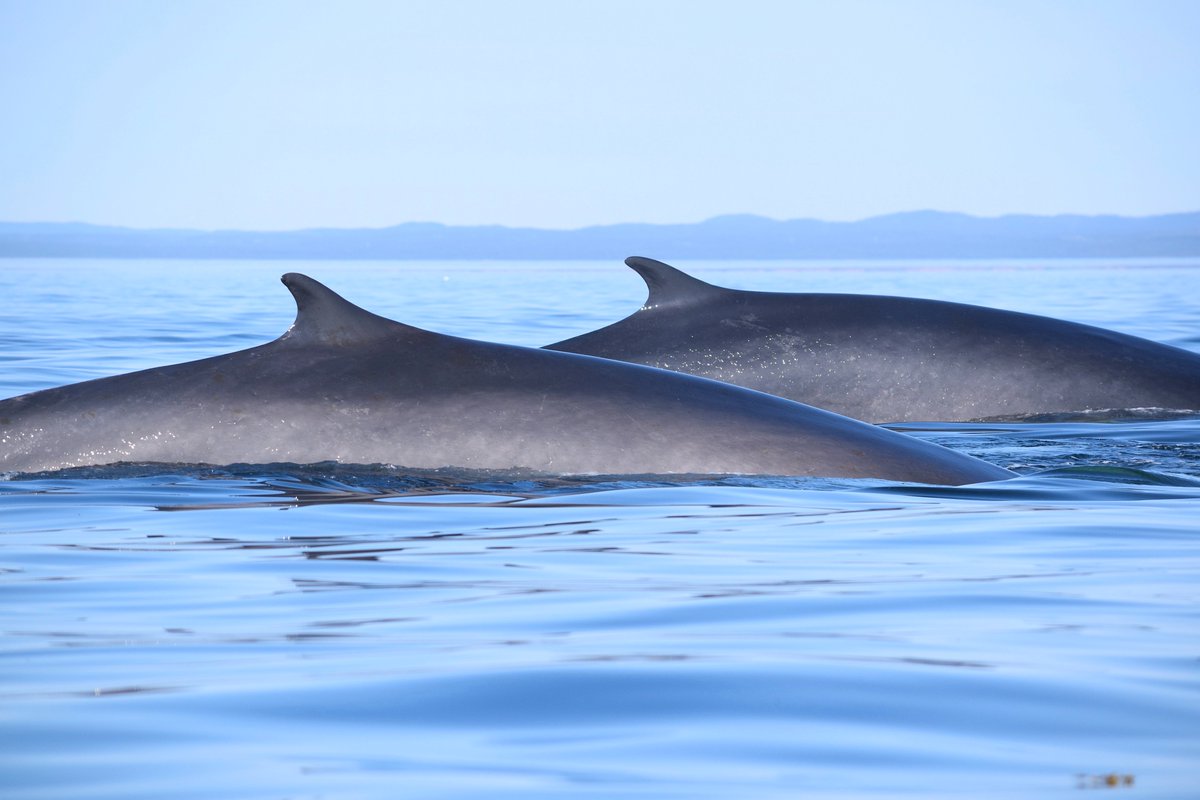
Only 0.87% of all whale pregnancies involve twin fetuses, but very few (< 1 in 500) remain viable as birth approaches... and there are zero known instances of twins being born and surviving.
https://t.co/x8Gv2RNiTe
A reminder that Elsevier made $10.5 BILLION in 2022 from selling your academic journals and articles behind paywalls, and make more profit than Amazon, Google, and Apple every year…
And paid the academics who wrote the articles $0
And paid the reviewers of the articles $0
27 avril. Aujourd’hui, ça fait précisément 20 ans que je travaille au @LeDevoir, d’abord embauché comme commis à la rédaction encore aux études, puis comme journaliste vigile, puis en Économie pendant 4 ans, puis en Environnement depuis 2012. Je dirais presque que ça passe vite!
#jobs Postdoc @UW_SAFS Importance of peripheral populations for climate adaptation and productivity of Gulf of Alaska Pacific cod. Salary: $65,508/yr plus benefits.
https://t.co/eRICNJFZVR
Fewer than 350 North Atlantic #rightwhales remain and ~70 of them are reproductive females. With their 2023 calving season having begun, researchers are closely monitoring to see if their offspring can yield an improvement in their populations.
https://t.co/C7SQsjjo3I
More good news! @MyFWC have spotted North Atlantic right whale mom & calf pair #2!
Archipelago (NARW no. 3370) was seen Dec. 8, off Little St. Simons Island, Georgia, with her 3rd known calf.
📷 Florida Fish & Wildlife Conservation Commission, taken under NOAA permit 20556-01
COP15 : l’occasion de sauver la vie sur Terre - the photo seems to be at Tadoussac, Québec, a great place for watching whales and belugas (and one narwhal) https://t.co/G1mgivOyGR