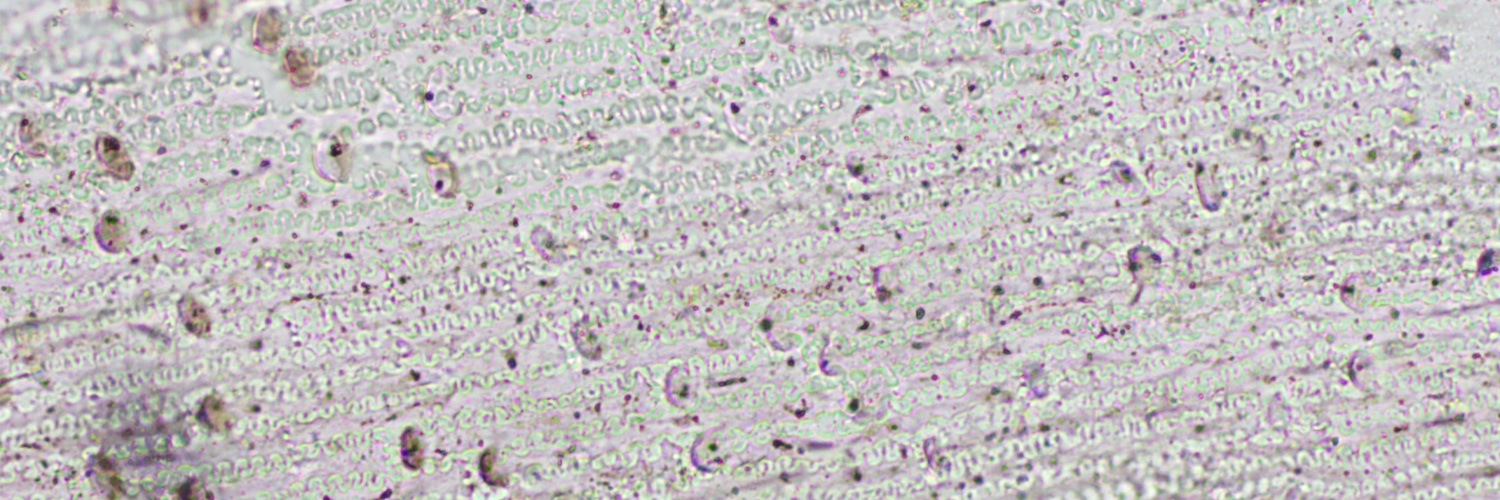
This work has the potential to refine our understanding of early pottery adoption, plant processing, and cooking practices, and even explore whether some vessels were used for fermentation and early brewing. Well done Jessica !
Her research investigates Yarmukian pottery, one of the earliest ceramic traditions in the Southern Levant, through microbotanical residue analysis. By focusing on starch spherulites preserved in ceramic sherds, she aims to reconstruct how these vessels were used and what they contained.
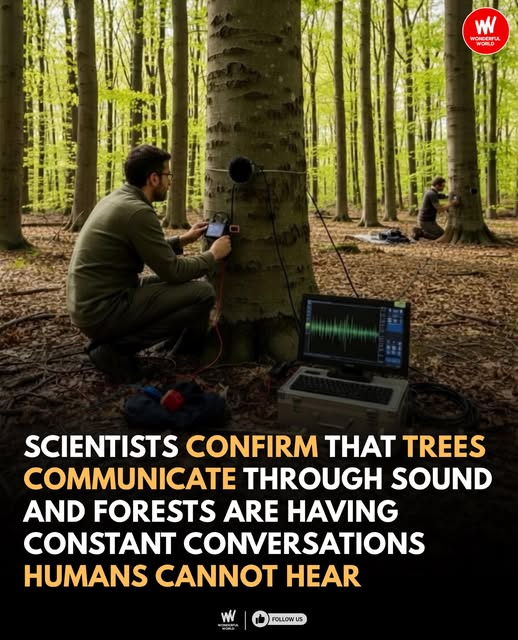
Scientists have confirmed something almost unbelievable… forests aren’t silent at all.
Researchers from the University of Florence discovered that trees communicate using ultrasonic sound pulses — frequencies so high (20–200 kHz) that humans can’t hear them.
In the forests of Casentino Forest, European beech trees under drought stress began emitting rapid ultrasonic “clicks.” These weren’t random noises — they were warnings.
And here’s the wild part…
Nearby trees heard the signal and reacted within hours.
Before experiencing any drought themselves, they started closing their stomata (tiny pores on leaves) to conserve water proving they received and acted on the warning.
Scientists traced the sound to tiny internal events called cavitation microscopic bubbles forming and collapsing inside the tree’s water transport system. These clicks travel through air and soil, reaching trees up to 50 meters away.
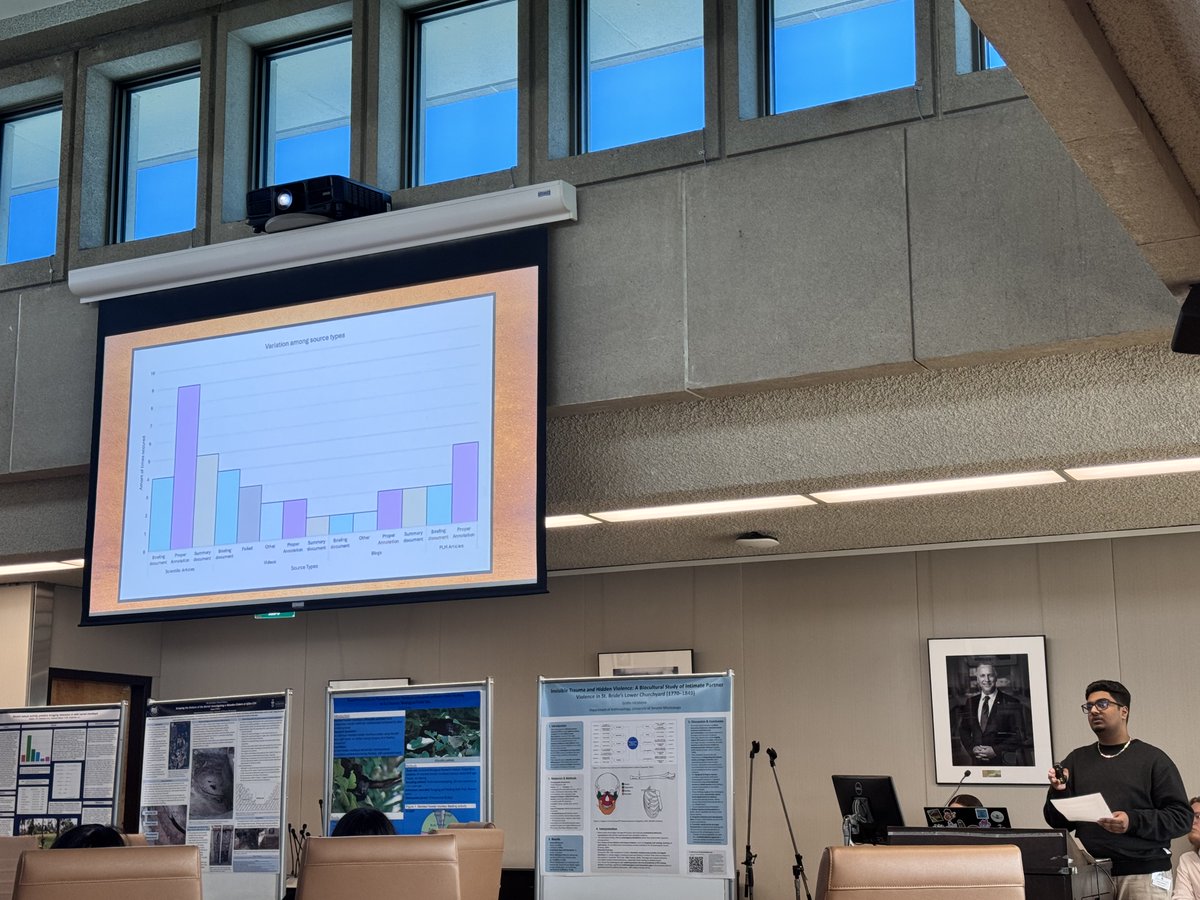
Big congratulations to our outstanding undergraduate volunteer Krishan Maisuria for placing 3rd at the University of Toronto Anthropology Societies (UTMAS) 2026 Undergraduate Conference! 🎉
His project explored how effectively AI can generate annotated bibliographies in anthropology, testing tools like ChatGPT across different source types and prompt styles. The findings highlight both the promise and current limitations of AI, especially its variability, tendency toward hallucinations, and challenges with non-traditional sources.
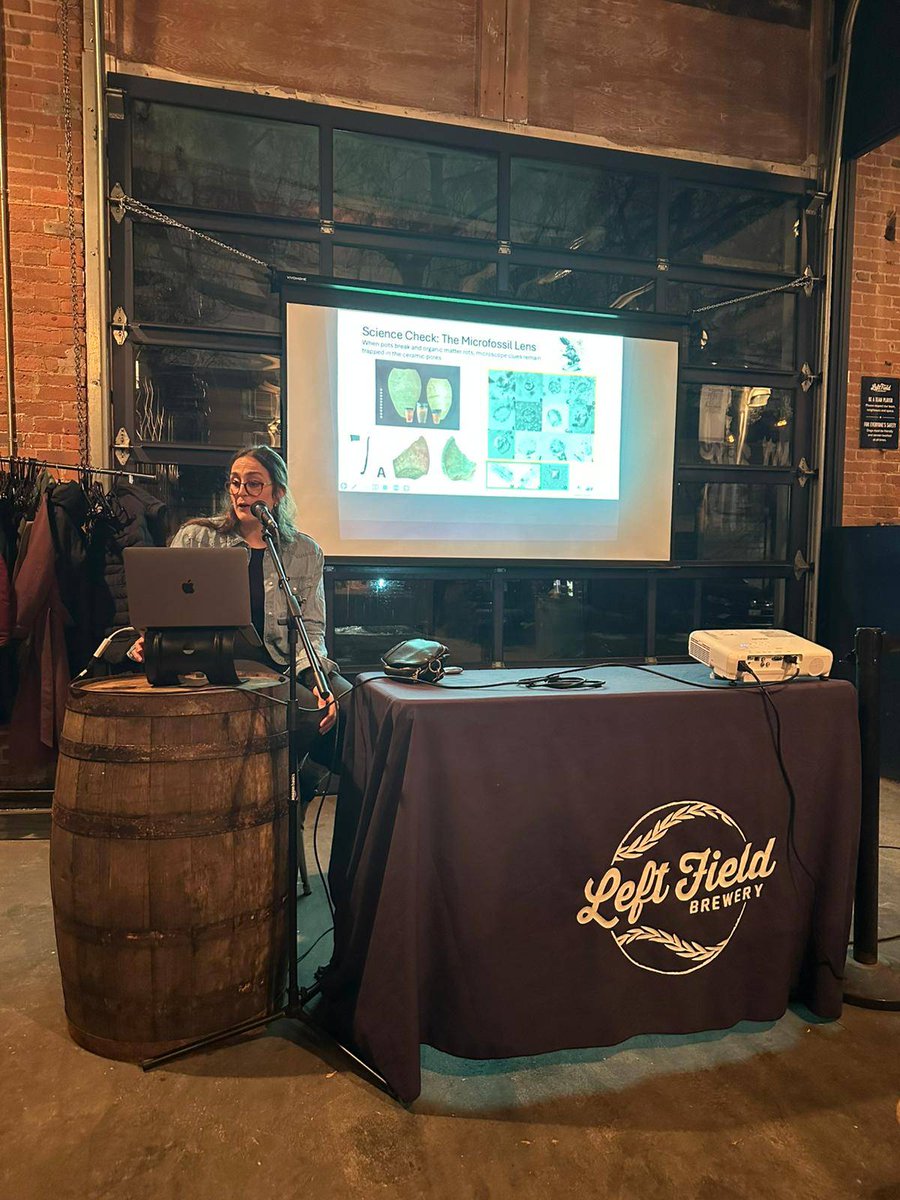
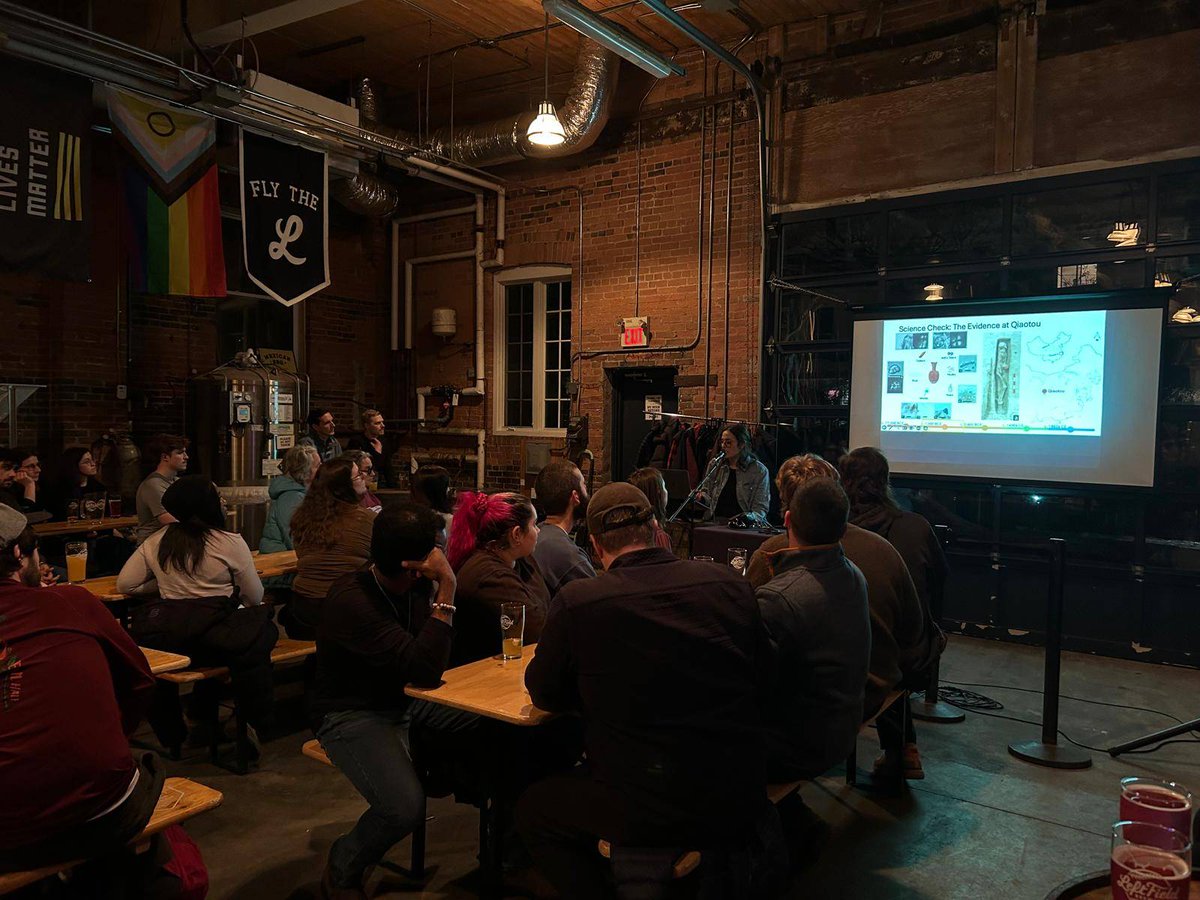
A fantastic evening at @LeftFieldBrew for the "Inside Baseball Sip and Learn" 🌾. Dr. Monica Ramsey took us on a journey through the deep history of brewing from modern craft traditions back into the epipaleolithic by exploring how fermentation, plants, and human ingenuity shaped one of the world’s oldest cultural practices.
A perfect blend of archaeology and great beer. 🍺🍻
A big congratulations to PhD candidate and RLEA lab manager Melanie Pugliese for her recent publication, titled "Traditional dishes and culinary improvisations: Elite gastronomy in the Maya area", published in Ancient Mesoamerica and ranked as the paper of the month https://t.co/1IYtuOx9L0
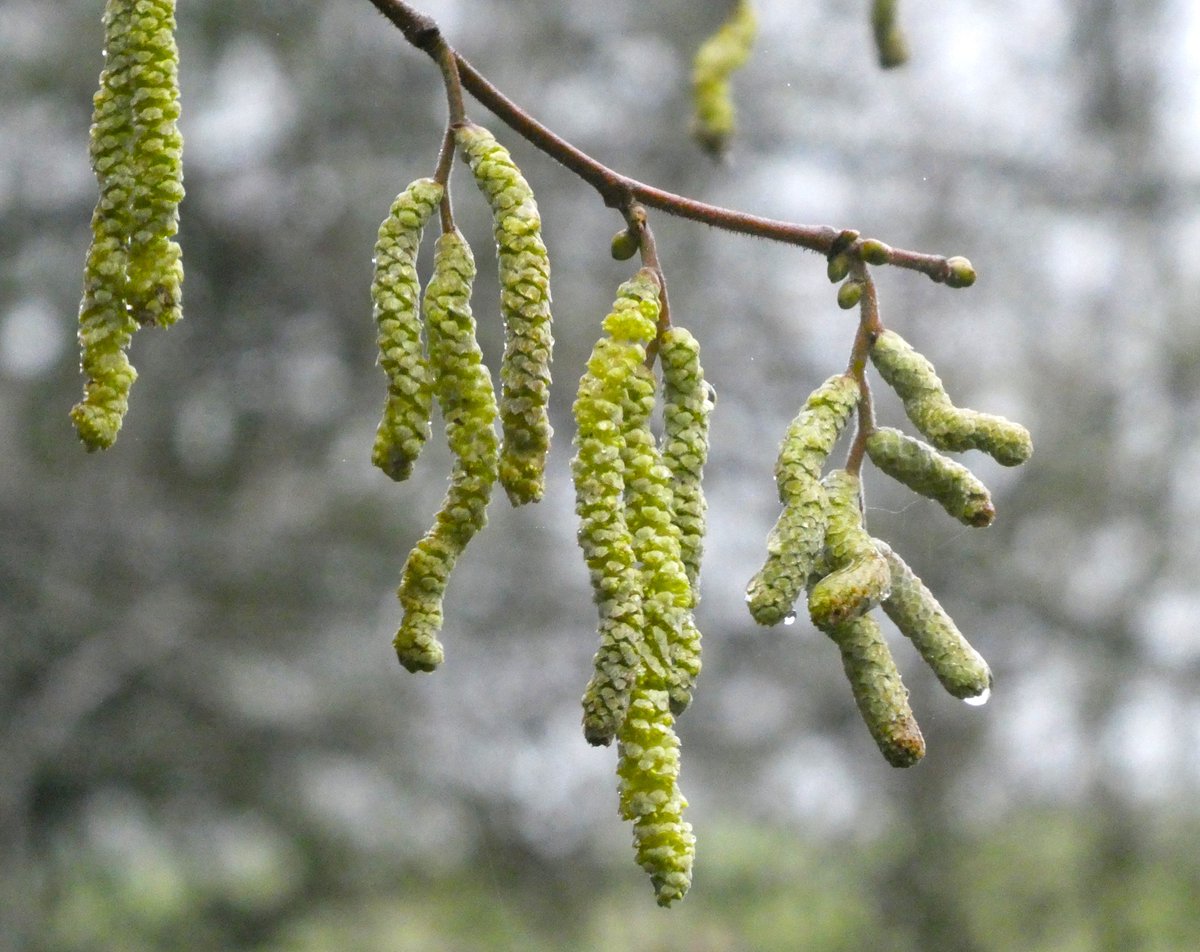
'While yet the woods lie grey and still,
I give my tidings: "Spring is near!"'
(Cicely Mary Barker, 'Song of the hazel catkin fairy')
A promise of spring in a hazel wood🩶💛🩶
#SignsOfSpring
🎀Wrapping up another excellent year with an incredible team at our annual RLEA Christmas Party (although many are missing)! A big thanks to @LeftFieldBrew for hosting us!! Grateful for the collaboration that shaped this year’s work. Happy holidays from all of us at RLEA 🎊🎄!
2025 was chock full of exciting discoveries in human evolution
From an incredible series of revelations about the ancient humans called Denisovans to surprising discoveries about tool making, this year has given us a clearer picture of how and why humans evolved to be so different from other primates
https://t.co/ziKadzoofG
'It is the most exciting discovery in my 40-year career': Archaeologists uncover evidence that Neanderthals made fire 400,000 years ago in England https://t.co/hPb76tFMFr
Dr. Monica Ramsey's latest research is featured in Discover Magazine: “Our species evolved as plant-loving, tool-using foodies who could turn almost anything into dinner" @Ramsey_Lab🌱#UTM#archaeology https://t.co/jFBQBFpuyb
We’re thrilled to see Dr. Ramsey and Dr. Florins @sannaflorin new paper featured in the press! The study reveals that early Homo sapiens were plant-processing problem-solvers unlocking calories that shaped our evolution.
Read the coverage here:
🔗 https://t.co/tdE3IatMlt
This innovative research combines experimental archaeological work with modern cacao samples and archaeological analysis to shed new light on how different processing methods alter cacao starch grains.
Congratulations to one of our first undergraduate volunteers Xintong Gao for receiving a UTM Undergraduate Research Grant! Their project at RLEA investigates how ancient Maya communities prepared and used cacao in both daily and ritual life.