One thing I’ve noticed after more than two decades of professional chess is that almost everyone dramatically underestimates how much preparation has changed.
People still imagine opening prep as memorizing a few lines from a book. That world is long gone.
Today it’s databases with millions of games, engines stronger than any human has ever been, neural networks evaluating positions that used to be considered equal, cloud computing, custom scripts, opening trees, novelties hidden 25 moves deep, and increasingly AI helping organize all of it.
But here’s the funny part.
The biggest difference between the very top players isn’t usually who has the strongest engine. We all have access to incredibly strong engines.
It’s knowing what to ask.
You can spend six hours analyzing a position and learn almost nothing, or ask the right questions and discover an idea in twenty minutes that completely changes your understanding.
Over the years I’ve also realized that preparation isn’t really about finding “the best move.”
It’s about finding positions where:
you understand what’s going on,
your opponent probably doesn’t,
and the practical decisions are difficult.
That’s why sometimes you’ll see a super-GM voluntarily enter a position that’s objectively only equal—or even slightly worse. If it’s easier to play for one side, the engine evaluation isn’t the whole story.
Another misconception is that preparation ends once the game starts.
The first novelty is often just the beginning. After that you’re relying on pattern recognition, intuition built from thousands of hours of analysis, psychology, time management, and occasionally just stubbornness.
Chess has become both more scientific and more human at the same time.
The computers keep getting stronger, but understanding which positions fit you is still something no engine can optimize perfectly.
At least not yet.
"I have never seen a move greater than this in this format. This is the best move I've ever seen," says Canty as IM Ranindu Dilshan Liyanage is about to take down GM Luca Moroni.
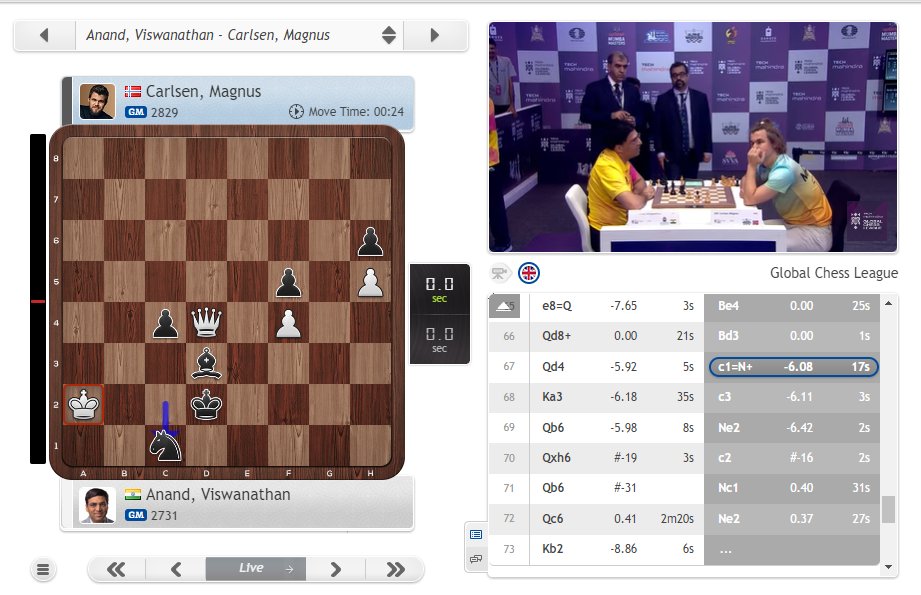
Carlsen wins an absolutely stunning endgame, featuring an underpromotion to a knight (to avoid stalemate), and takes the match for his team!
#GlobalChessLeague
Raahul V S wins 1st Queenstar Blitz Rating Open 2023
Top 3
🥇IM @RaahulVS2 🇮🇳 8.5/9
🥈FM Liyanage Ranindu Dilshan 🇱🇰 8.5/9
🥉IM L M S T De Silva 🇱🇰 8/9
#Chess#ChessBaseIndia#SriLanka#India
https://t.co/DMXXTdMw9k
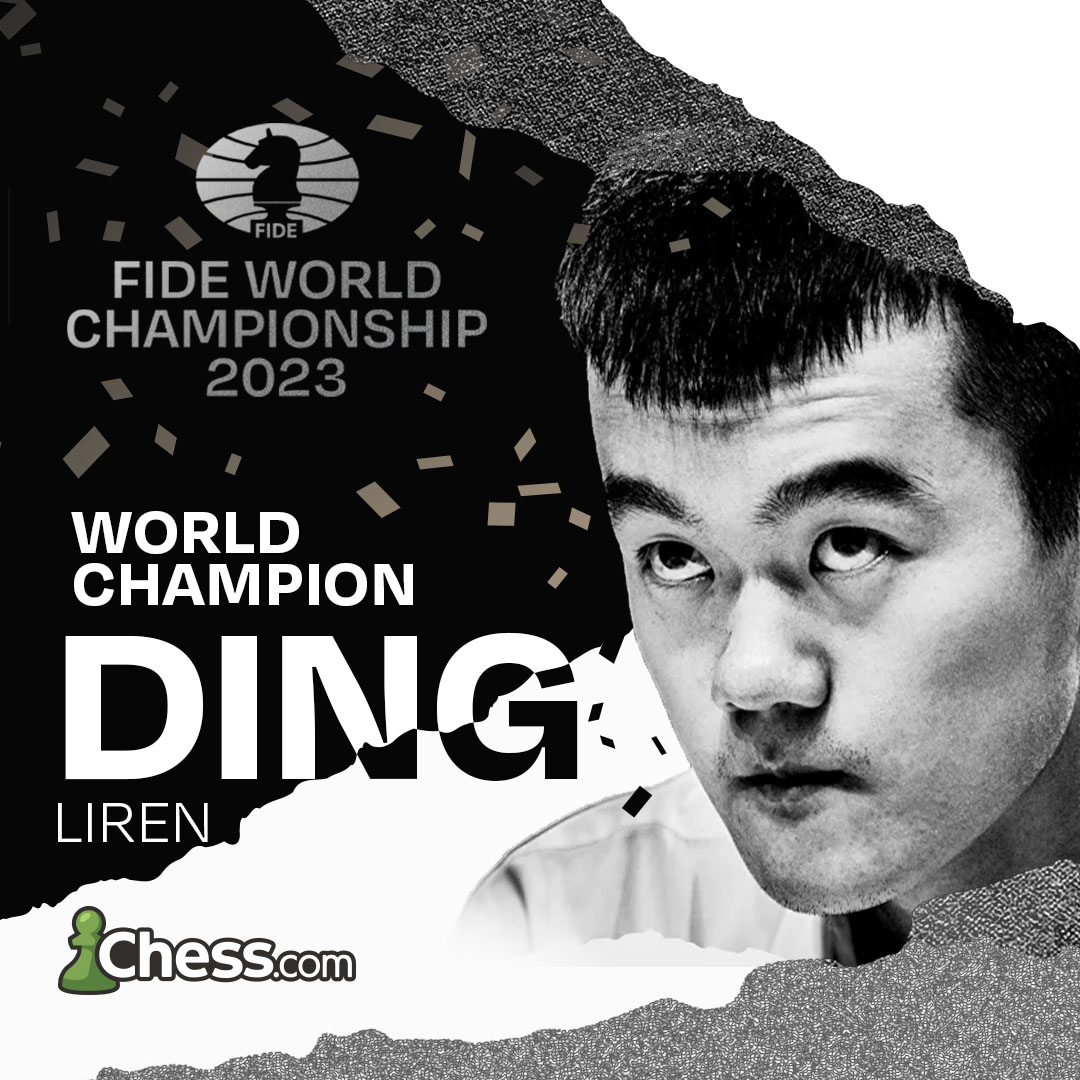
Ding Liren wins the 2023 FIDE World Championship 🏆
Congratulations to Ding on becoming the new FIDE World Champion, and cementing his place in chess history after a thrilling match! 👏
19th Delhi International GM Open Round 2: Sri Lanka no.1 FM Ranindu Dilshan Liyanage beats GM D Gukesh
13-year-old Shreyas Seshadri Nallore pulled a big upset by defeating GM Cristhian Camilo Rios (COL)
➡️https://t.co/sNxUluyxOZ
📷Aditya Sur Roy
#Chess#ChessBaseIndia#Delhi
Really happy and excited to make my debut in chess world cup 2021 at Sochi , Russia . And this is the first time a Sri Lankan men's player participating this event.Looking forward to the excitement ahead.
Thanks Chess Federation of Sri Lanka for the encouragement and support.
University of Sri Jayawardenapura Chess Club team emerged as a champion of Sri Lanka National Inter Club Super League Chess Championship 2021 with two rounds to spare.
https://t.co/JKpTmJ23R7
#SriLanka#chess
Ranindu Dilshan Liyanage won the 8th Sri Lanka Grand Prix. 🇱🇰
The student of Ananda College and the reigning National #Chess Champion, he proved to be the strongest by winning the rapid tie-breaker against Minul Sanjula Doluweera of Royal College.
https://t.co/vft08qquel
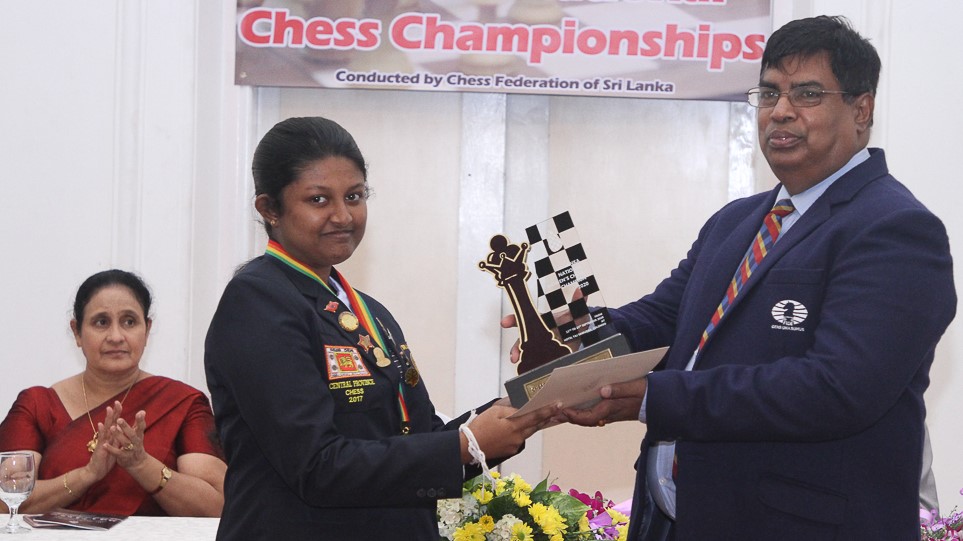
Youth takes over Sri Lankan chess: Ranindu Liyanage and Nethmi Fernando, both 16-year old, are new national champions.
Report: https://t.co/agmsc7r9rC
#chess#SriLanka