These pictures were taken by photographer TAMAMURA Kozaburo and his disciple TAKAGI Teijiro as black and white photos and colored by hand during the Meiji and Taisho eras. They were published in photo books for foreigners. #ndlimagebank
https://t.co/83WCoyZAcW
#NewPublication
Cultures of Exchange
Mercantile Mentalities between Italy & the World (XII–XVI c.)
University of Toronto Press, 2026
https://t.co/8gP5MZM3oE
https://t.co/PXbH8F0aiT
https://t.co/EfY6tdKWiB
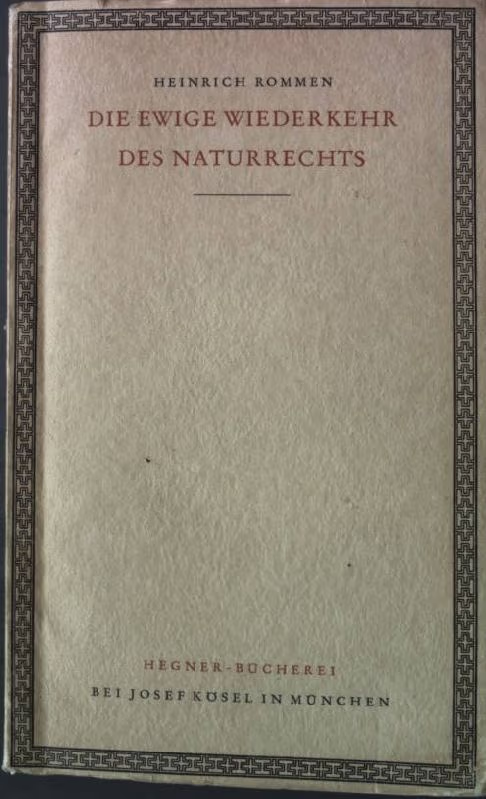
And another book has also come to light, one that we don’t talk about often enough either. Its German original was: Die ewige Widerkehr des Naturrechts (1936). I wish more people had read it, and were interested in it today, too.
https://t.co/GMFfrSWfKQ
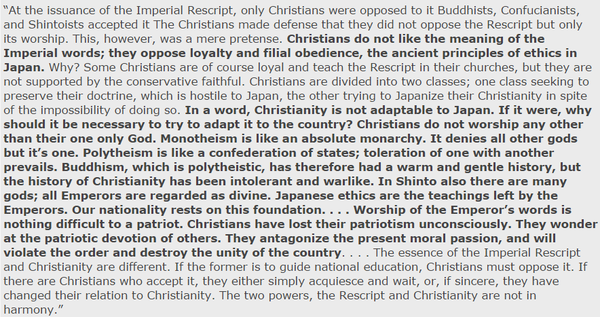
Rediscovering Japanese nationalism from 1st principles
Christianity is not adaptable to Japan... Worship of the Emperor’s words is nothing difficult to a patriot. Christians have lost their patriotism unconsciously
- Professor Inoue Tetsujiro, 1893
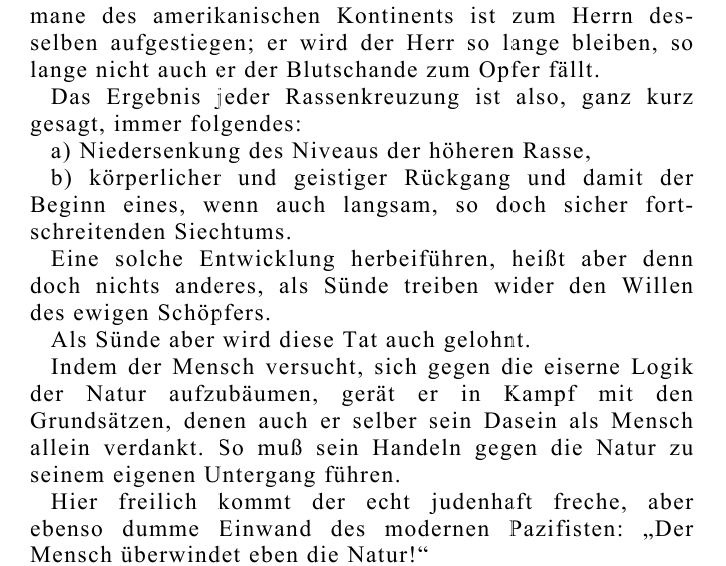
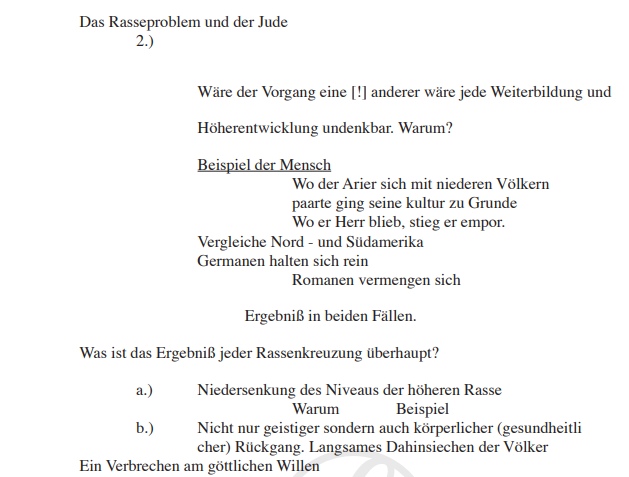
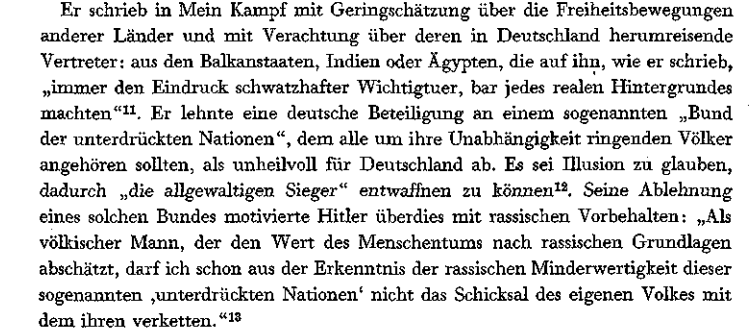
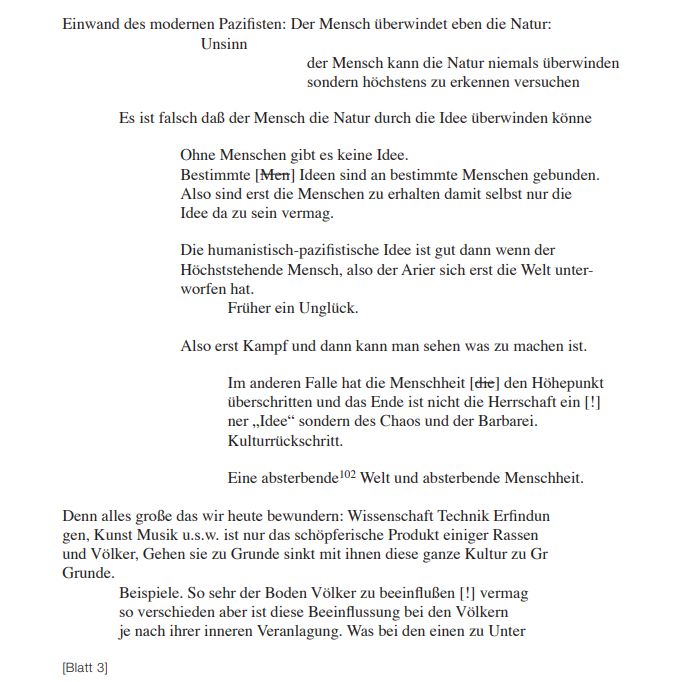
Dicho esto, no comparto la exageración de ciertos autores que intentan vincular la lectura que hizo un joven Adolf de las obras de Karl May con la "Vernichtungskrieg" en el este, pero está claro que este como "völkischer Mann", defendía la supremacía blanca.
Por cierto, también cabe señalar que los nazis compartían esa admiración romántica por los pueblos nativos, algo que heredaron del nacionalismo alemán.
Franck Usbeck ha escrito bastante sobre este tema.
Los asientos de esclavos, contratos monopolísticos, fueron el instrumento más utilizado por la monarquía española entre 1595-1789 para introducir cautivos. Para una visión de buena parte de estos asientos hasta 1750, es imprescindible acudir a este reciente trabajo.