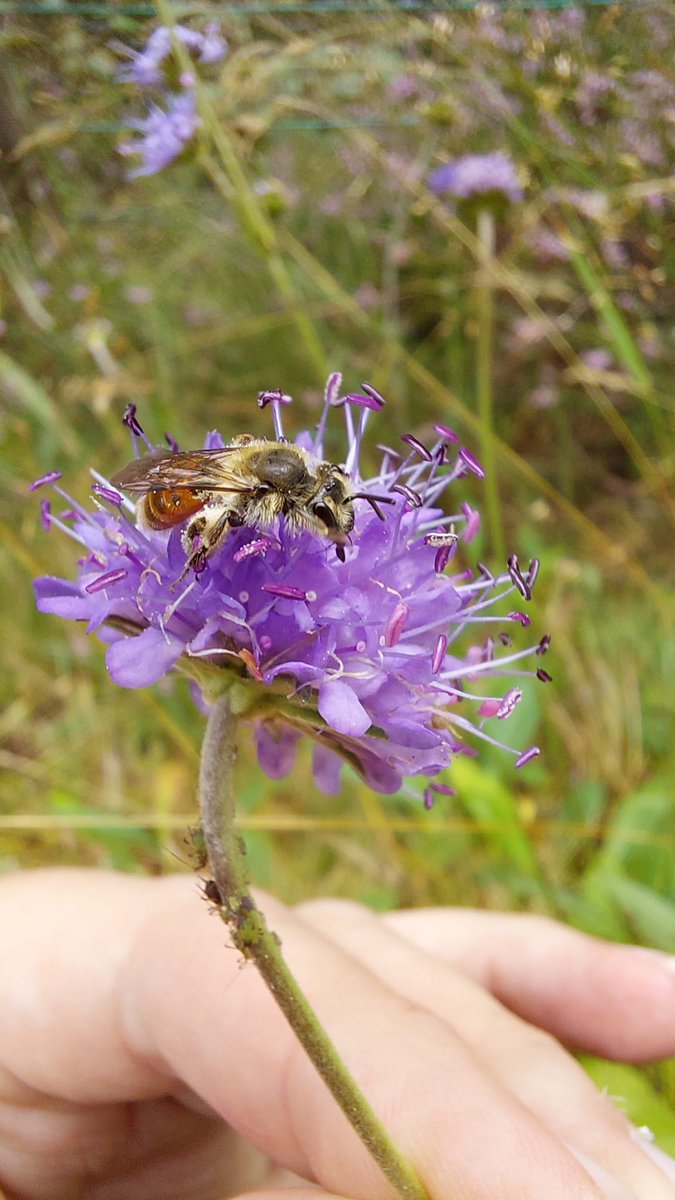
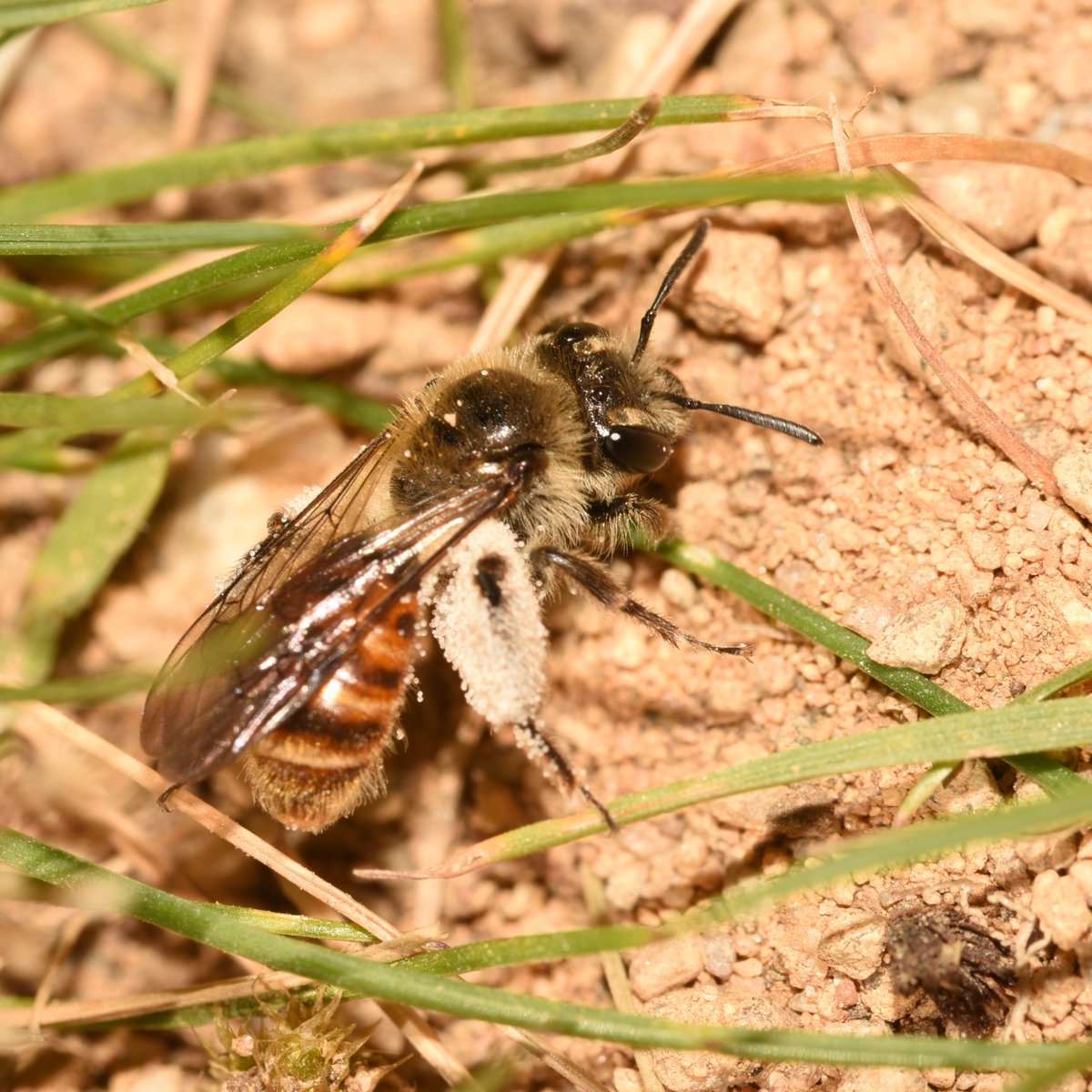
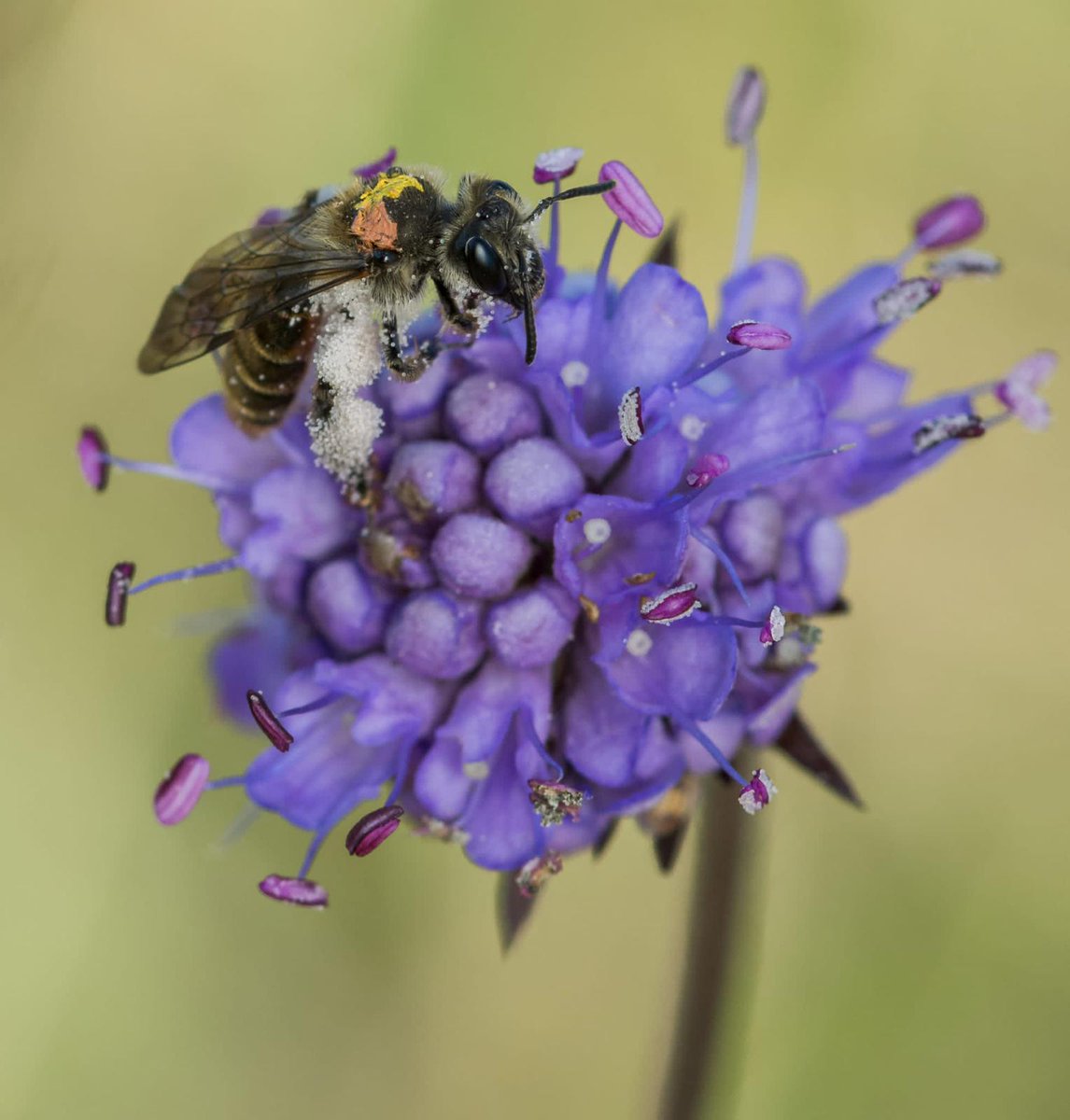
Fantastic new sites found for Small Scabious Mining Bee recently by our brilliant partner organisations.
@CNPARangers Gillian Gibson has found the bee near Grantown while @rzss staff have found new sites @HighlandWPark & @RSPBScotland Insh Marshes
Well done #teambee 🙌🐝
Sixty years on from Rachel Carson's #SilentSpring the problems with #pesticides have only worsened, with flying #insects down 60% & bird populations more than halved in just 17 years
Sign the petition to call for pesticide reduction targets now➡️https://t.co/lUWRjFfteb
@PAN_UK
Some BIG news about a SMALL bee 🐝
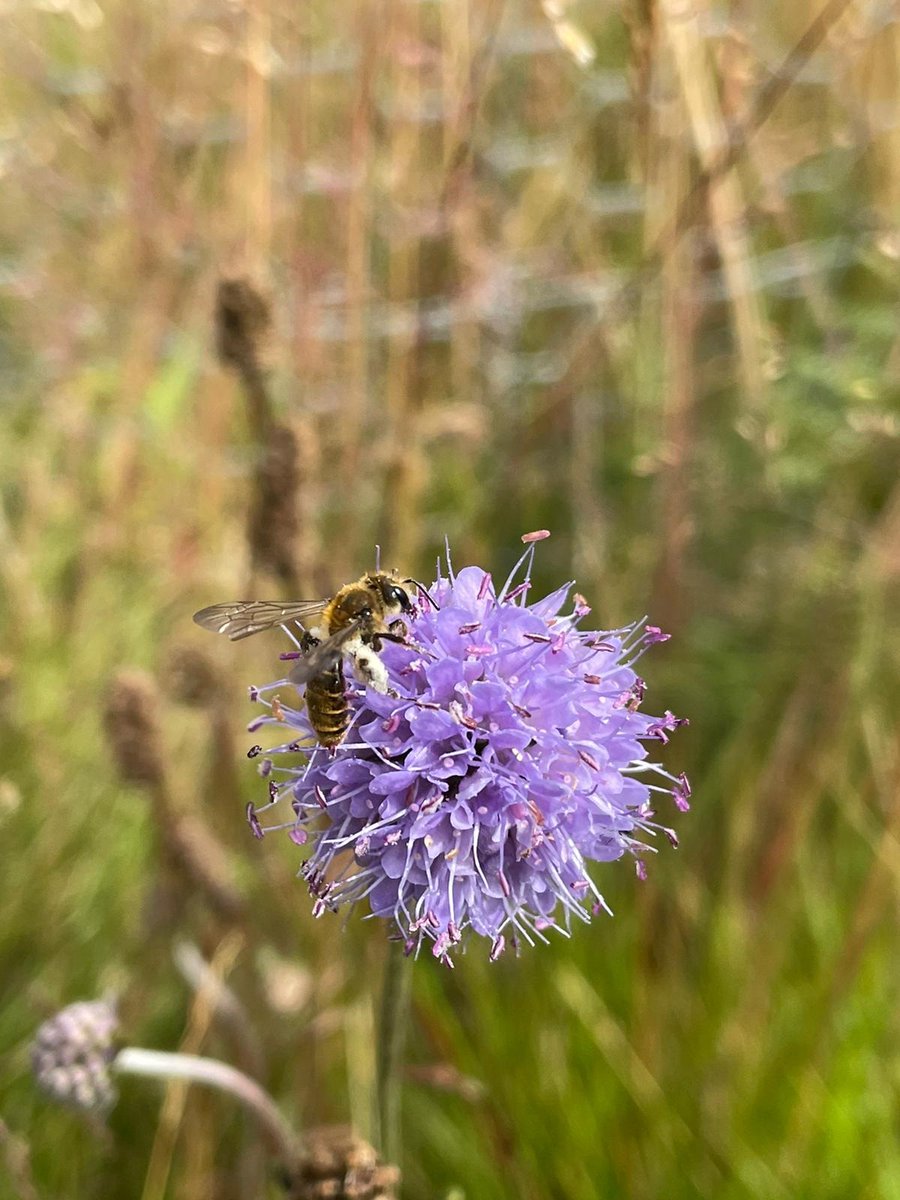
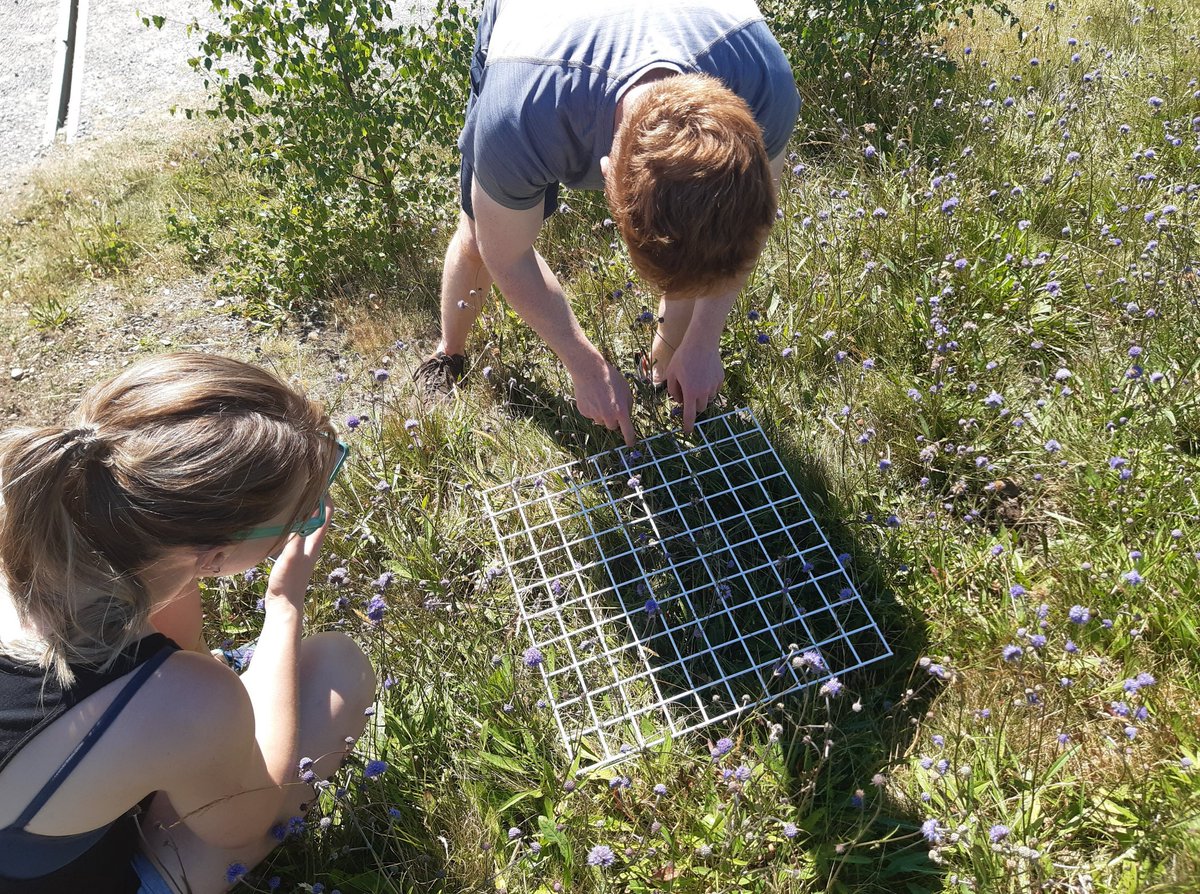
As part of our work with @RareInverts6, we completed our first small scabious mining bee survey @HighlandWPark and found 70 bees and discovered important nest sites.
Find out more 👉https://t.co/5Jg01DX36z
Next Saturday we're taking over Perth Concert Hall for the #BigPictureConference.
We can't wait to hear from our fantastic line-up of speakers, covering a wide range of rewilding topics in what will be a fascinating day.
There's still time to get tickets: https://t.co/qSCj8lU8Xy
It's not just the Pine Hoverfly who finds sanctuary in deadwood homes. While looking for the hoverfly larvae, we often find other creatures.
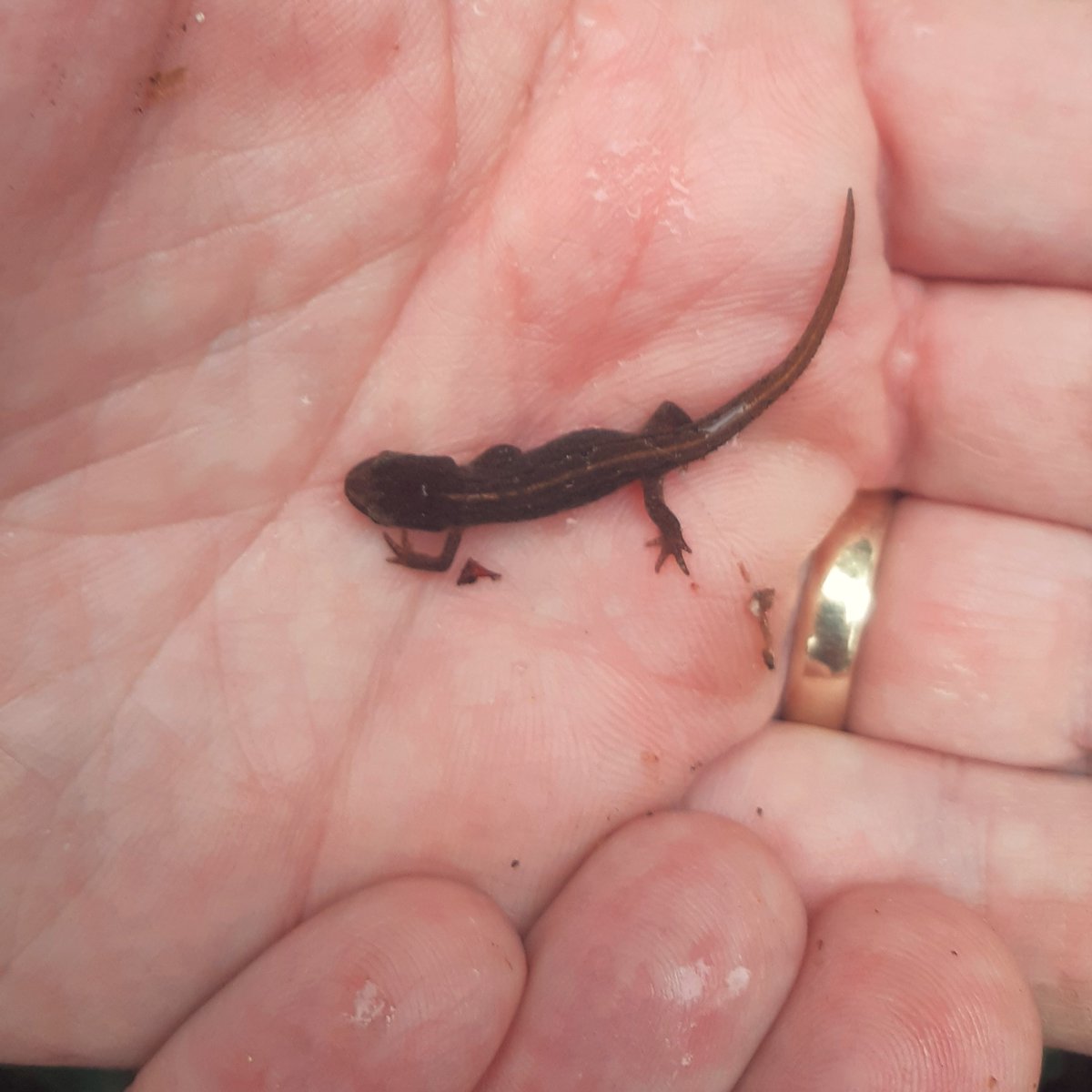
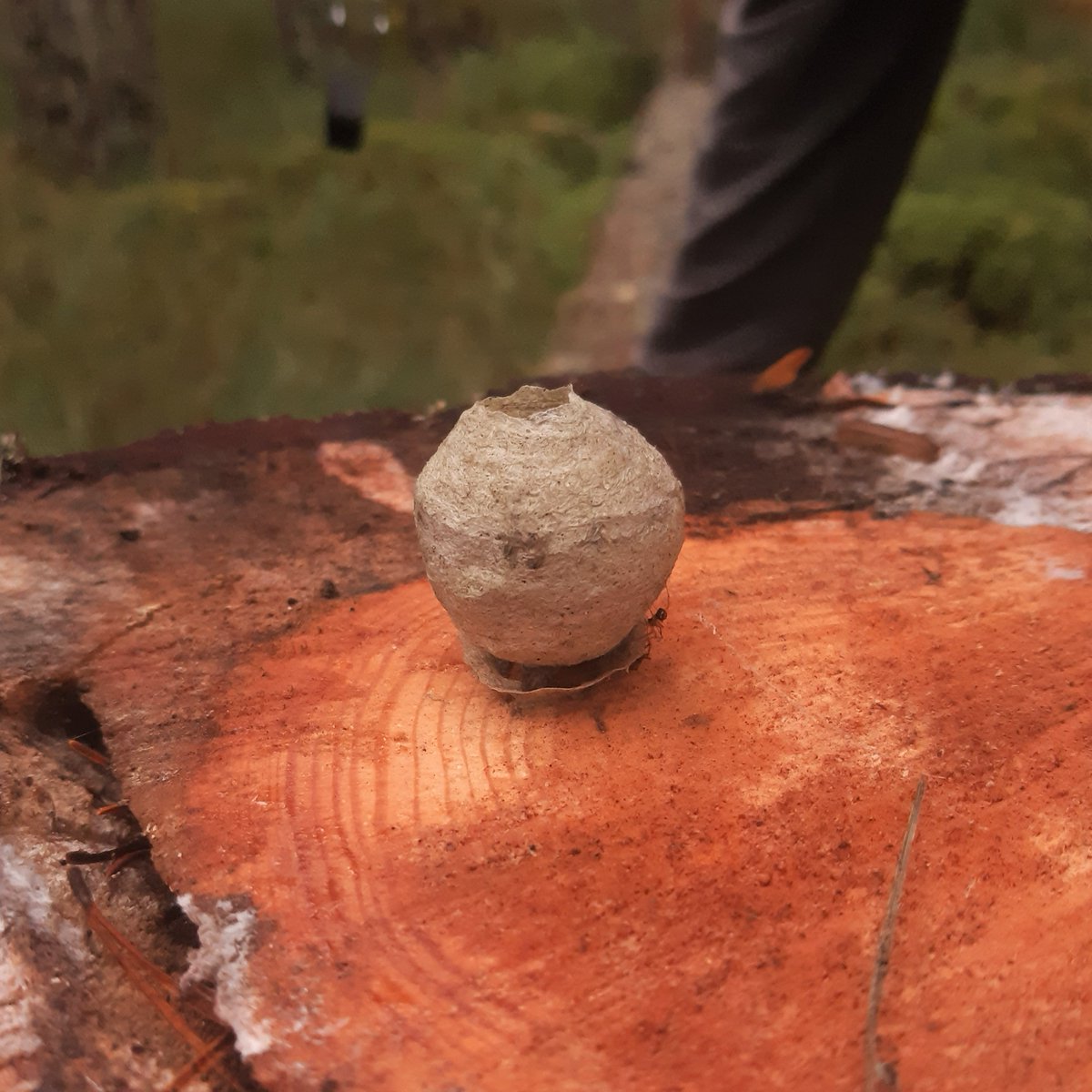
Recently we've come across this beautiful social wasp nest inside a stump, plus a longhorn beetle larva & lots of newts!
Cracking little finds @RSPBScotland Abernethy y'day.
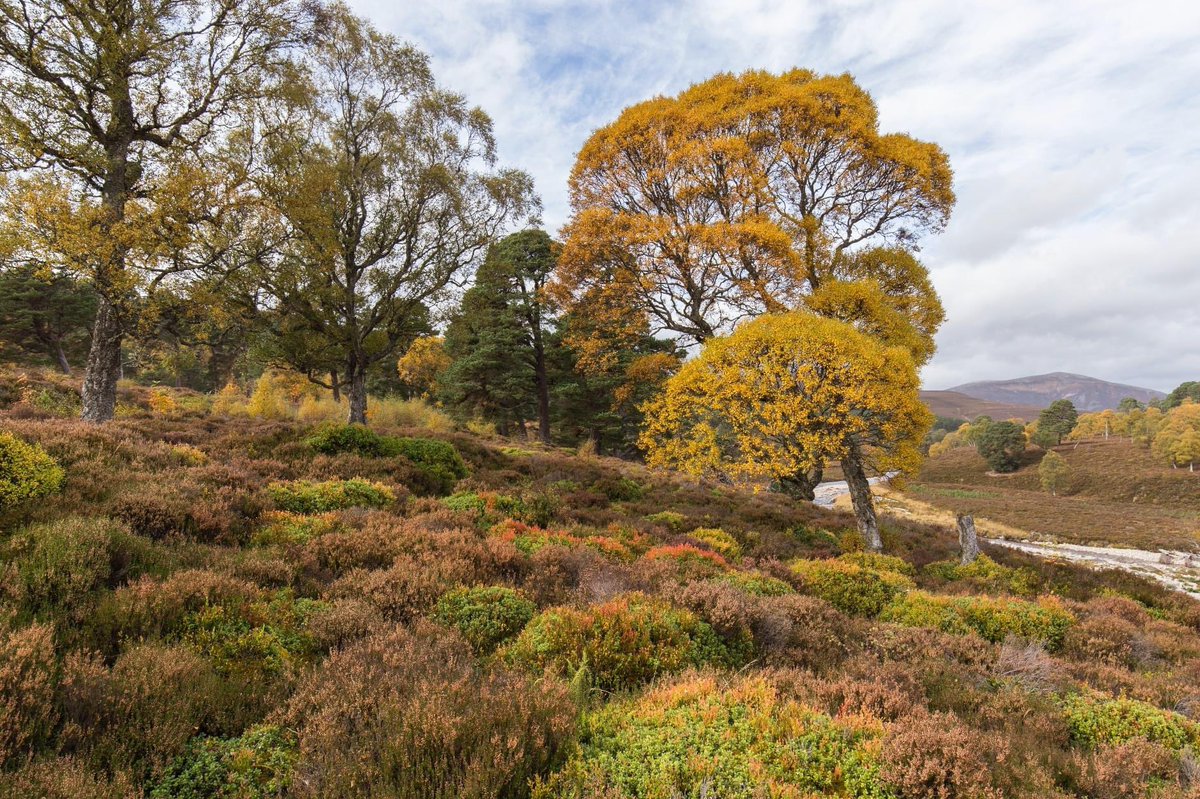
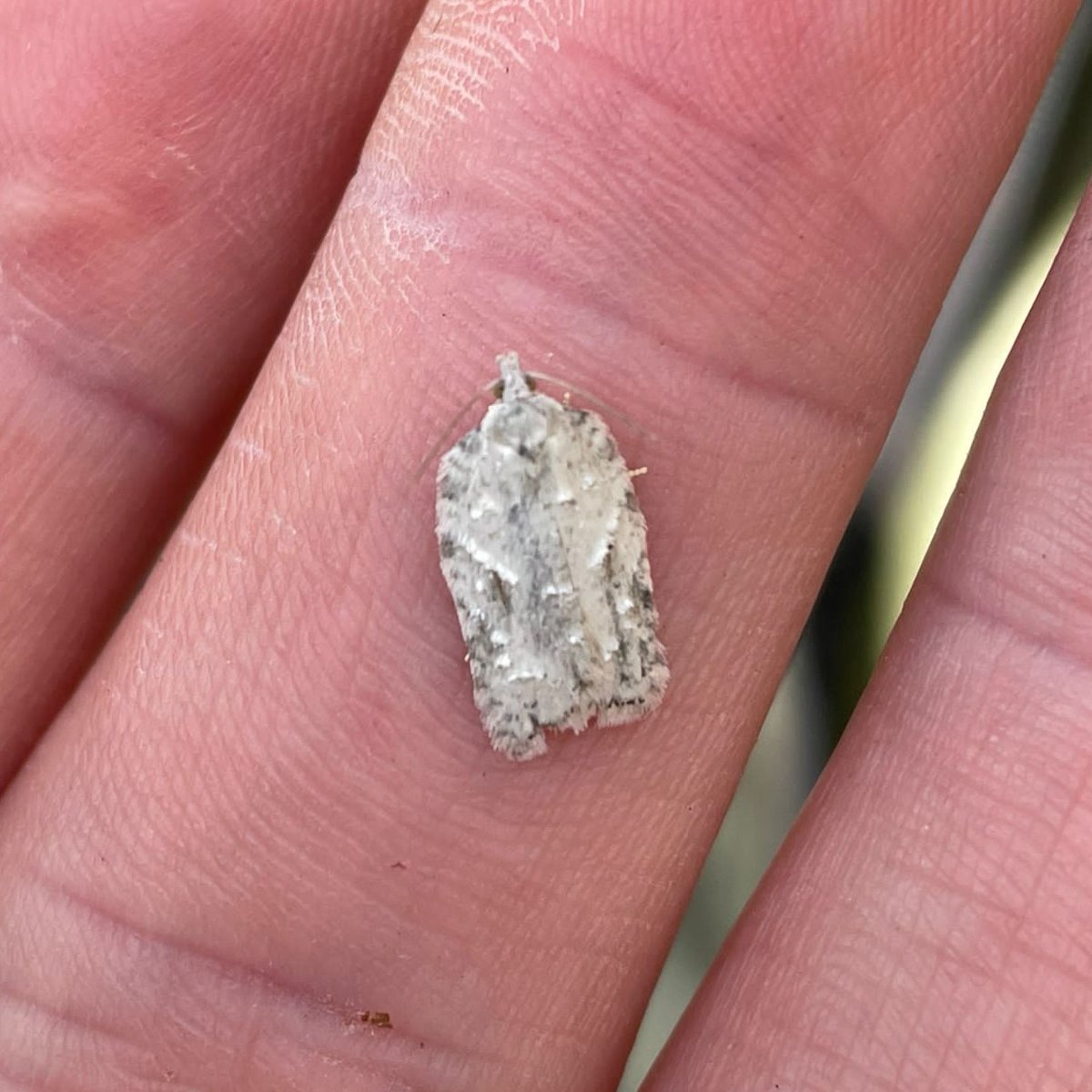
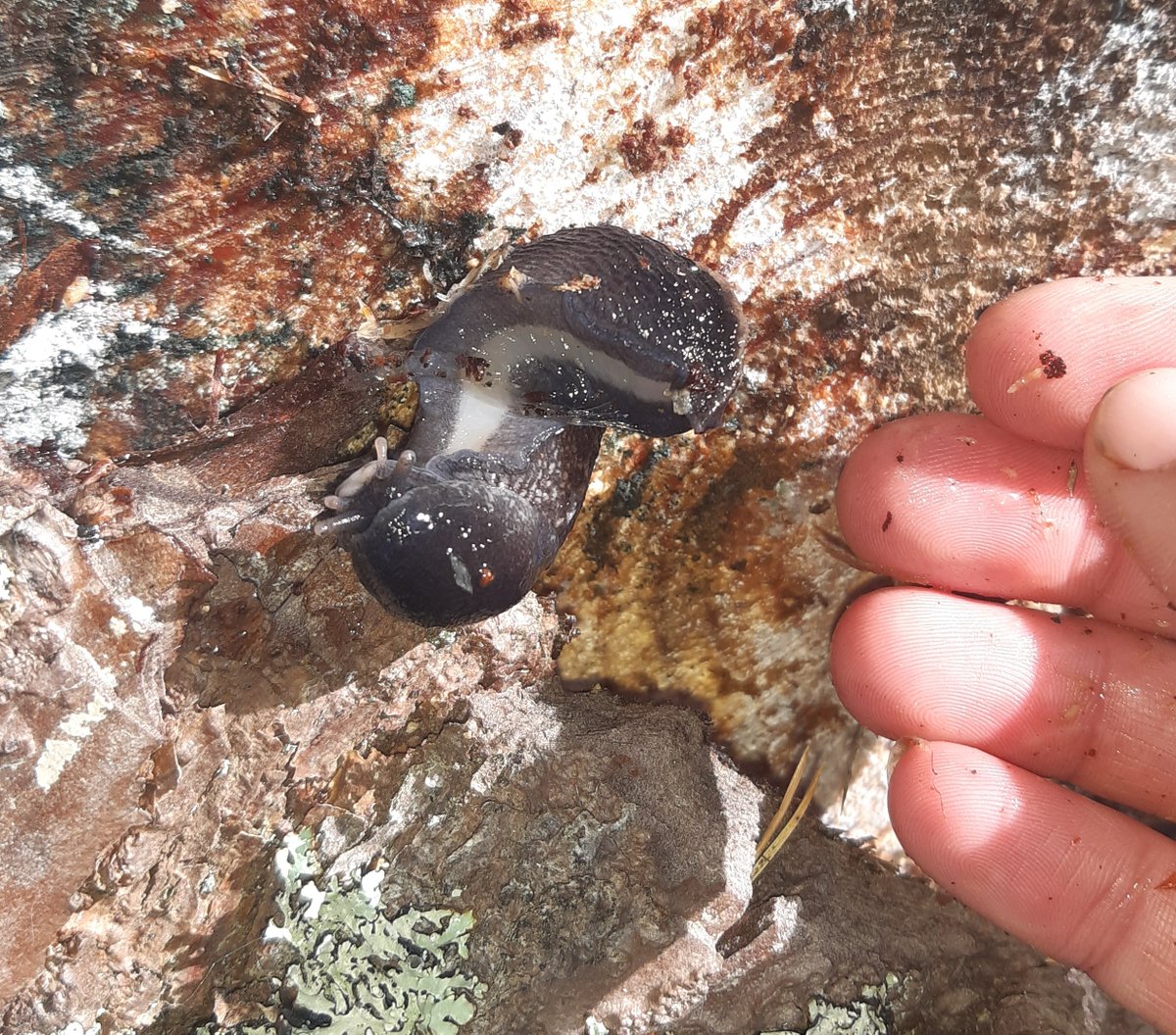
The local moth, Grey Birch Button, (📸Carl Allott) originally only known from birch woods in the Scottish Highlands. And the handsome Ash Black Slug, a specialist of old woodlands.
Diverse, old woodlands = magical species😍
@bscgscotland On that note about spiders, staff @rzss@HighlandWPark found a small scabious mining bee being predated by a xysticus sp crab spider on a devil's bit scabious flowerhead this year. 🧐
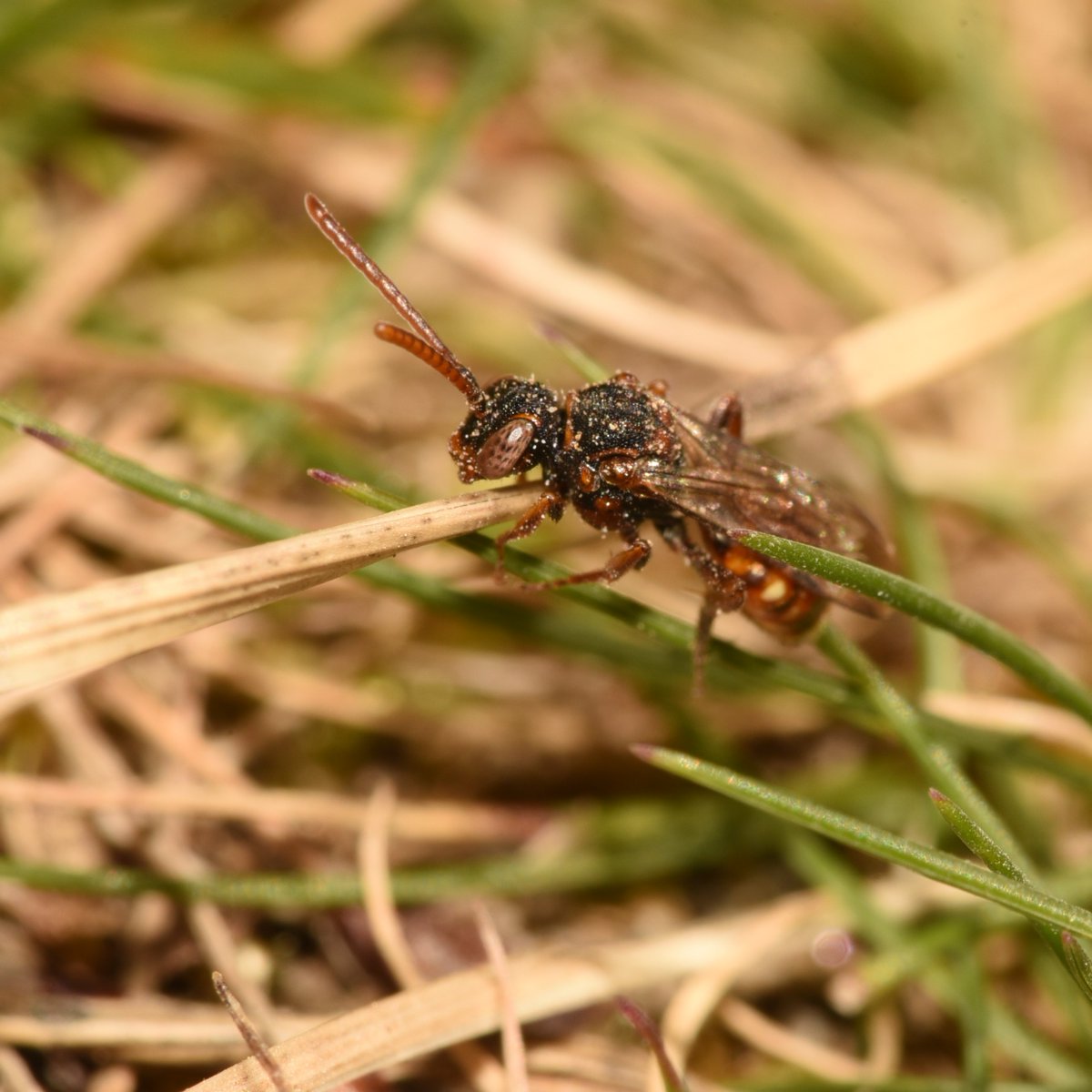
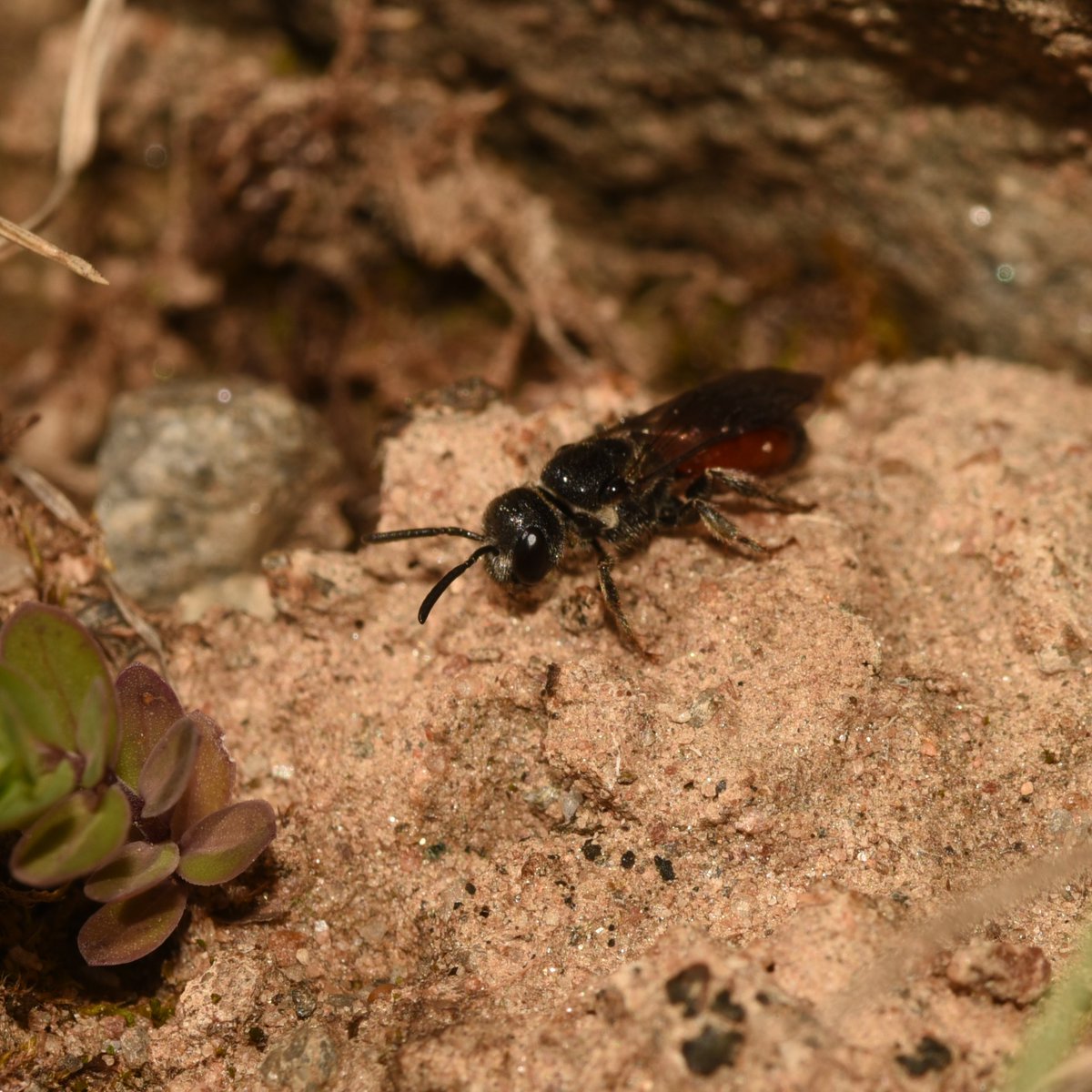
A perk of Small Scabious Mining Bee surveys is delving into the world of parasitic bees 🧐
At SSMB nest aggregations we have found female Box-headed Blood Bee, Little Nomad Bee & Black-horned Nomad Bee.
Important records of under-recorded species & fascinating to witness 🙌
✨Join the Buglife Team✨
Would you like to help bees & other #pollinators along the #RiverTweed?
Do you have a passion for species-rich grassland management?
Enjoy working with local communities?
🦋Pollinators Along the Tweed🐝
👇
https://t.co/LZXKmgJrMx
#Conservation
Meadows are great, don't get me wrong, but most were cut many weeks ago while lots of lives were still to be lived.
So here's to uncut places, messy places, places sheltering life long in to autumn, here's to gardens like mine! #Life@BumblebeeTrust@Buzz_dont_tweet@Love_plants
Scalloped Hook-tip larva on birch in Glen Feshie this week.
Mini dragon? Pet dog?
Stylish whatever, both as a caterpillar and an adult moth. #MothsMatter
Today, surveying for Broken-belted bumblebees & Small scabious mining bee w/ @RareInverts6 on Glenlivet Estate. Thanks @Markquiff for a fab site suggestion! Quite a few target bumblebee species spotted. Sadly, no Small scabious mining bee but could have been too cool & breezy.
Check out this brilliant blog by RIC partner, @rzss's, @carlallott all about his work on the Small Scabious Mining Bee!
On-going studies like this help us to better understand the bee's ecology. With greater understanding we can effect more positive change 🙌
Meet one of Scotland's rarest bees, the small scabious mining bee 🐝
We are conducting surveys @HighlandWPark to establish the population size & distance the bees travel around the park.
Our NEW BLOG talks more about our work with this tiny pollinator 👉 https://t.co/cW1OAMNJxw
A lovely variety of moths on Wildland Estate at the weekend, despite the Sturgeon moon!
Some really beautiful species in the mix, including Autumnal Rustic, Bordered Beauty & Green Carpet.
Moths giving us a design lesson in bold patterns & striking colours 😍 #lovemoths
A much needed analysis of insect anatomy happening here!
Next up we need a breakdown of bees, to include all the varied and wonderful bumblebees, cuckoo bees and solitary bees.
@RSPBScotland@BuglifeScotland@BC_Scotland@nature_scot @CNPnature @rzss
Ever wondered which bee-moji is the most anatomically correct?
US TOO. Luckily, our conservation programme manager and invertebrate expert(ebrate) Dr Helen Taylor was on hand to tell us which one is the bees knees 🐝
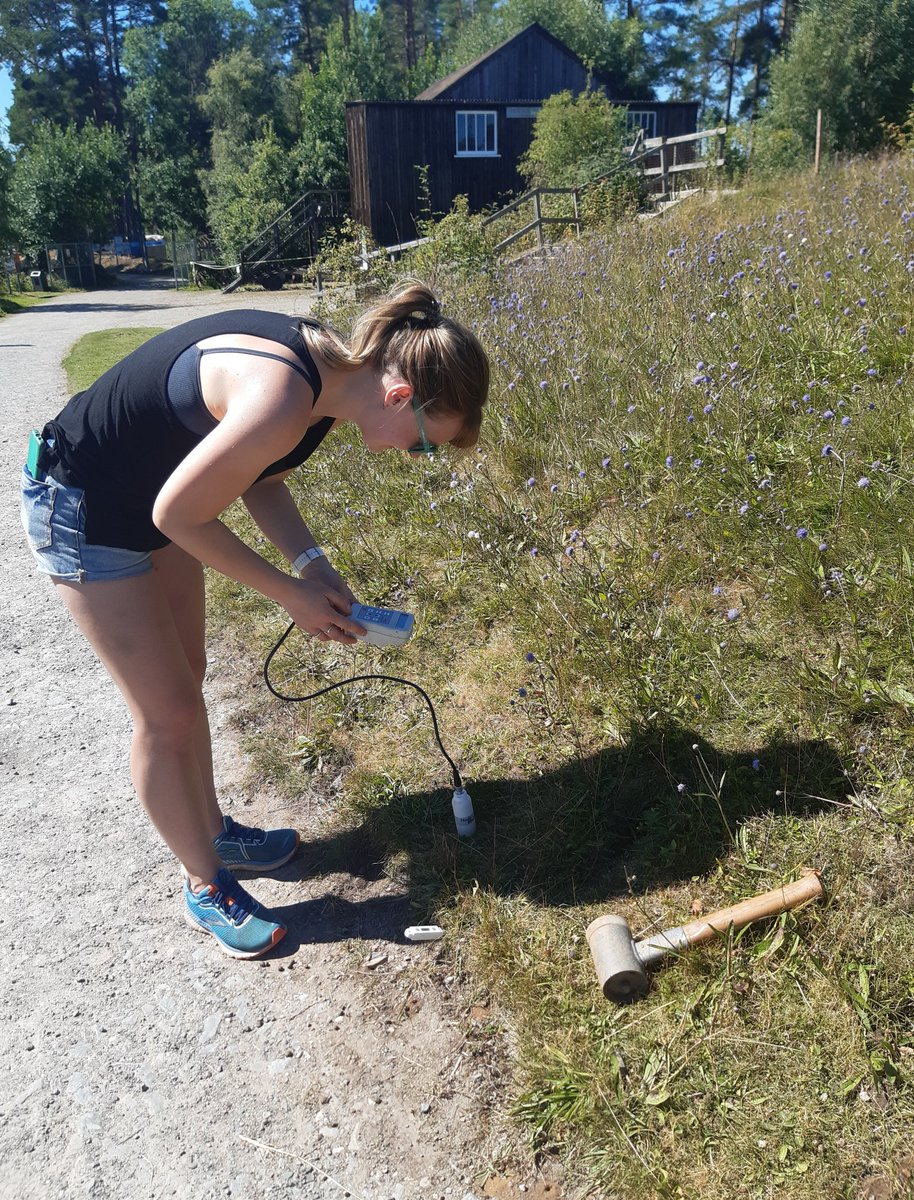
Day 1 of a fascinating study of Small Scabious Mining Bee by @SRUC student, Kelly Powell, @HighlandFolk last week!
The project is studying the bees' nest locations across its Scottish sites. We hope the results will help us better understand the species' habitat needs 🙌