The timeless beauty of Kashi Art of Sindh, Pakistan! Inside a traditional workshop, an artisan carefully handcrafts and decorates ceramic tiles with intricate patterns and vibrant colours. A centuries old artistic tradition, preserving the cultural soul and craftsmanship of Sindh
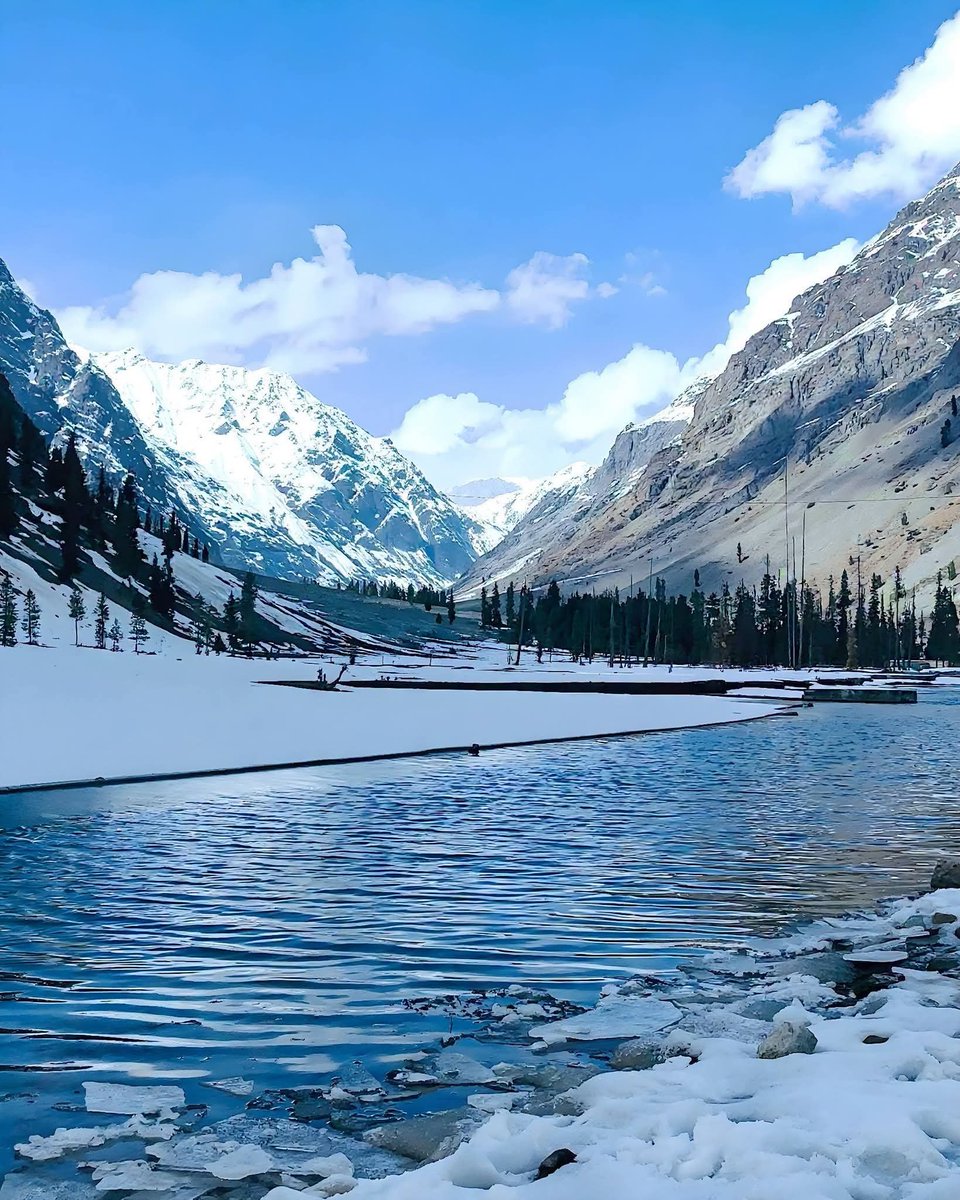
مہوڈنڈ جھیل، کالام کی وہ جنت جہاں نیلگوں پانی برف پوش پہاڑوں سے گلے ملتا ہے
پہلی برفباری کے بعد یہ منظر اور بھی حسین ہو گیا ہے، بتائیں آپ نے برفباری کہاں دیکھی؟
A beautiful bond between humans and nature, In the Tharparkar desert of Sindh, Pakistan, a woman feeds a peacock that visits her home every day. A heartwarming example of love, kindness and harmony between humans and wildlife.
A beautiful view of Clifton Beach, Karachi!, Sindh Pakistan.
A hardworking camel owner waits for visitors to enjoy a ride, earning his daily livelihood to support his family. Behind this beautiful beach scene is a story of hard work, hope and survival.
A beautiful portrait capturing the innocence, charm and expressive eyes of a young girl from Sindh, Pakistan. Her traditional jewellery, colourful attire and graceful expression reflect the beauty of Sindh's rich cultural heritage.
A breathtaking night view of Ranikot Fort, District Jamshoro, Sindh, Pakistan. Also known as the Great Wall of Sindh, this magnificent historic fortress looks magical under the golden lights, showcasing the timeless beauty and heritage of Sindh.
Here is my Daughter Asha on set of Coke Studio, she performed in Sindhi song
Aayi Aayi Ayyi hu diso khatay aayi,
by Coke Studio Season 15, and I was Cultural Consultant of that song.
Inside the melting crevasse cave of Baltoro Glacier at Goro-II during trek to K2 Base Camp Gilgit Baltistan.
بالترو گلیشیئر کے Goro-II میں پگھلتے ہوئے دراڑ والے غار کے اندر، K2 بیس کیمپ کے سفر کے دوران۔ 🏔❄️
یہ شاندار برفانی شکلیں ہمیں قراقرم میں موسمی تبدیلی climate change کے خطرناک اثرات کی یاد دلاتی ہیں۔ بڑھتی ہوئی درجہ حرارت گلیشیئر کے پگھلنے کی رفتار کو تیز کر رہی ہے، جو دنیا کے عظیم پہاڑی مناظر میں سے ایک کو خطرے میں ڈال رہی ہے
Mientras en Paris los franceses celebraban la derrota del nazismo, el 8 de mayo de 1945, el colonialismo francés se comportaba como Hitler en Argelia, matando a más de 45.000 argelinos en las ciudades de Setif, Guelma y Kherrata.
Aquel día los argelinos salieron a a las calles a celebrar la derrota de Hitler movilizados por los propios franceses, los manifestantes entre gritos de alegria y libertad por la caida del Tercer Reich, ondearon banderas argelinas por las calles para recordar a Francia su promesa de dar la independencia a Argelia... y la respuesta de Francia fue abrir fuego contra la multitud.
Un joven argelino llamado Bouzid Saâl fue el primer manifestante asesinado simplemente por ondear la bandera argelina, lo que encendió la rabia popular que enfrentó la ocupación colonial francesa.
El general francés Raymond Duval, ante las protestas anti-colonialistas, aquel 8 de mayo ordenó "disparar a todo aquel que lleve una bandera argelina", aplicando una masiva represión a gran escala, persiguiendo y masacrando a todo aquel argelino que pidiera independencia.
Las fuerzas de ocupación francesas mataron a 45.000 personas desde el 8 de mayo hasta el 26 de junio de 1945, lo que empezó con una celebración contra el fascismo acabó siendo una masacre fascista del colonialismo.
Hasta el día de hoy, no ha habido una disculpa estatal formal de Francia a Argelia por las masacres de Setif, Guelma y Kherrata.