Really wish retail therapy was like an acceptable form of therapy. Like yeah, talking to you helps Dr. Whatever but if you gave me $200 and sent me to the mall it’d have the same effect.
@StephenKing Hello Mr. King! I’m getting married this August and hoping to send you a wedding invite. Is there a mailing address that you prefer? The internet has a surplus of options from California to New York to Maine.
@skytopjf Fun fact, one of the few human-skin-bound books was created there. 👀“Narrative of the Life of James Allen”… suddenly that burrito seems far less appetizing.
Hannibal Lecter: Tell me, Clarice, do you know why they call it "girl dinner" the papers won't say
Clarice: Girls online... don't eat a nutrious enough meal sometimes
Lecter: And do 𝘺𝘰𝘶 ever find yourself at 8pm eating just strawberries and cheese?
Clarice, voice breaking: yes
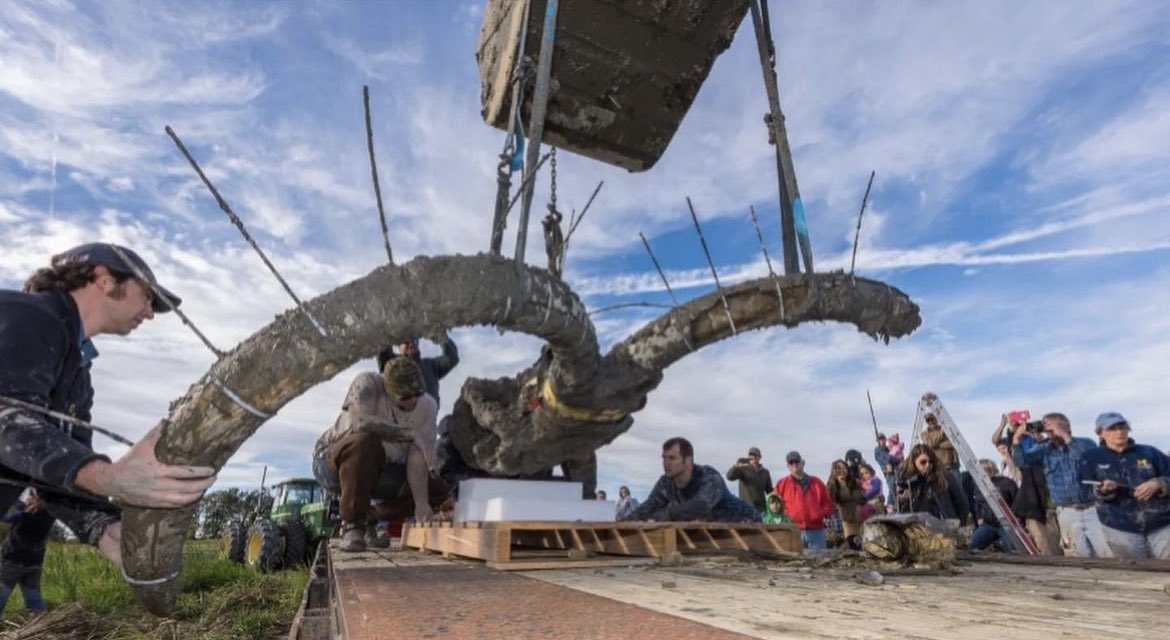
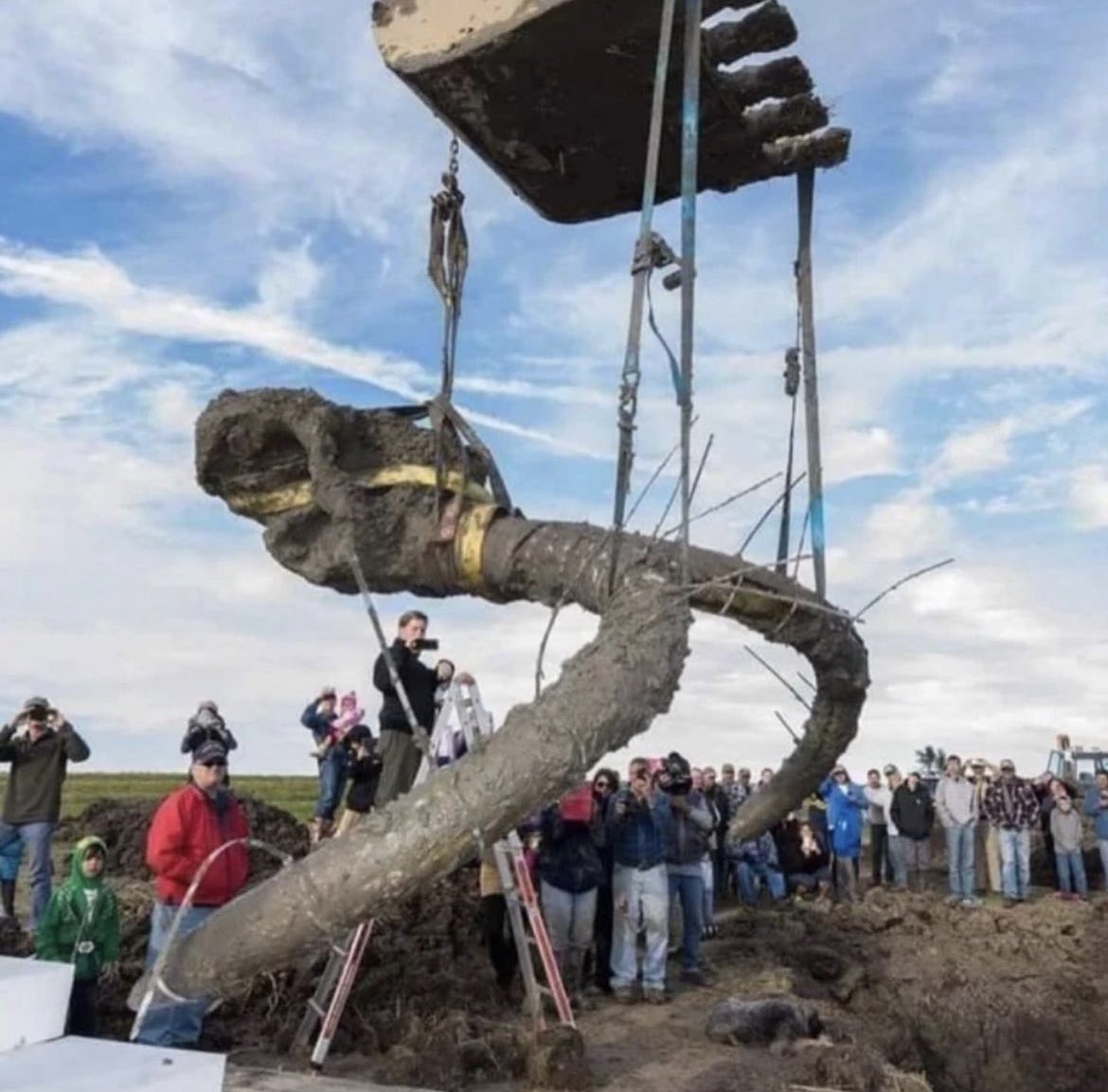
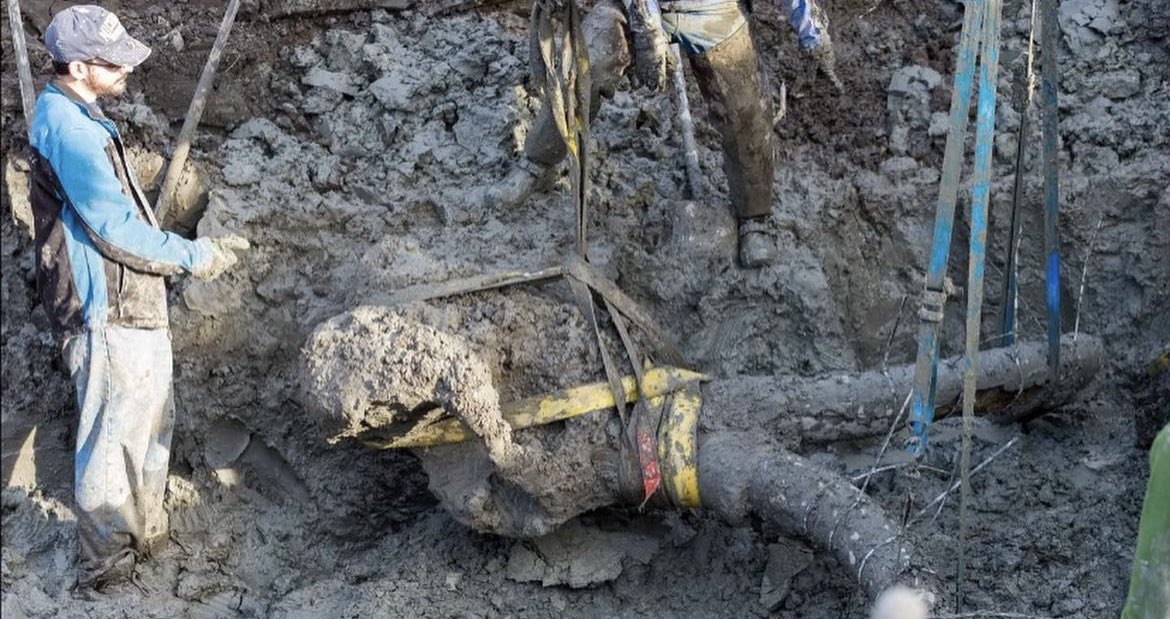
In 2015, Farmer James Bristle and his neighbor were diligently digging a trench in Lima Township, Michigan, with the purpose of installing a drainage pipe on Bristle's farm. To their surprise, their backhoe struck something solid about eight feet underground. Upon further investigation, they discovered an enormous three-foot-long bone that was clearly much larger than that of a cow.
Recognizing the potential significance of their find, Farmer Bristle and his neighbor immediately contacted the University of Michigan Museum of Paleontology, which happened to be just 10 miles away from the field. The museum's team of paleontologists arrived promptly, and Bristle generously allowed them only one day to complete their work, as he needed to resume his drainage project.
Working briskly and meticulously, the paleontologists carefully excavated the site. They revealed the remains of a prehistoric mammoth, a species that had roamed North America until their disappearance approximately 12,000 years ago. While Michigan had seen the discovery of remains from 30 other mammoths previously, this particular find was exceptional in its level of preservation.
The mammoth's remains, dating back between 12,000 and 15,000 years ago, were identified as those of an adult male who likely lived to be in his 40s before meeting its demise. However, what made this discovery even more intriguing was the evidence of human activity associated with the mammoth's remains.
The paleontologists found indications suggesting that ancient humans might have played a role in preserving the mammoth's meat for later use. The theory suggested that the carcass was submerged in a pond, aided by three basketball-sized boulders found near the remains, possibly used to weigh down the carcass.
The paleontologists utilized zip lines attached to a backhoe to carefully hoist the mammoth's gigantic skull and tusks. They then placed these impressive specimens onto a flatbed trailer, along with the skeleton's vertebrae, ribs, pelvis, and shoulder blades, before filling in the pit.
The discovery shed new light on the ancient history of North America and provided valuable insights into the interactions between prehistoric mammoths and early human populations. Farmer Bristle's accidental find became an invaluable contribution to the scientific understanding of this fascinating era.
What the hell is an ampersand and why does it look like that?!
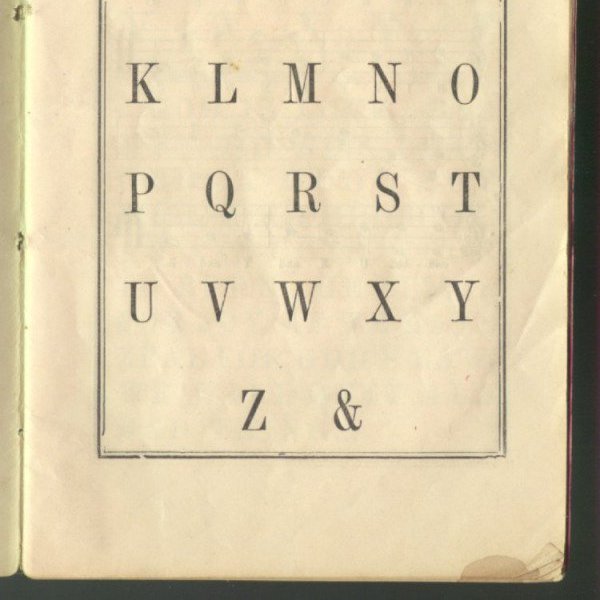
The first thing you need to know is that "&" used to be the 27th letter of the alphabet...
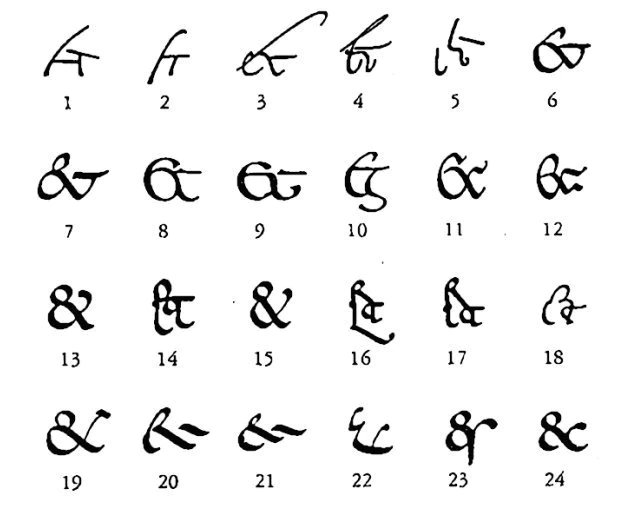
But there are three parts to this story. And the first begins over two thousand years ago in Ancient Rome with a single word: et. It's the Latin for "and". At some point Roman scribes started combining the two letters of et into a single symbol, which was the ancestor of our modern &.
The earliest example of the "et" symbol is actually from graffiti in Pompeii. In any case, it did not disappear with the fall of the Roman Empire.
Latin survived as the language of the Catholic Church and of scholarship in Medieval Europe. Scribes during the Dark Ages continued to use the & symbol. It evolved down the centuries, in places losing any semblance of the letters e and t whatsoever.
The second part of the story is that during the 18th and 19th centuries, as education and the teaching of literacy spread, & was added to the end of the alphabet as a sort of 27th letter.
On a related note, although "et cetera" is now usually just abbreviated as etc., for a long time it was instead abbreviated as "&c". The & was for et and the c for cetera.
The third and final part of the story is about how the alphabet was taught to children — and how it was read out loud.
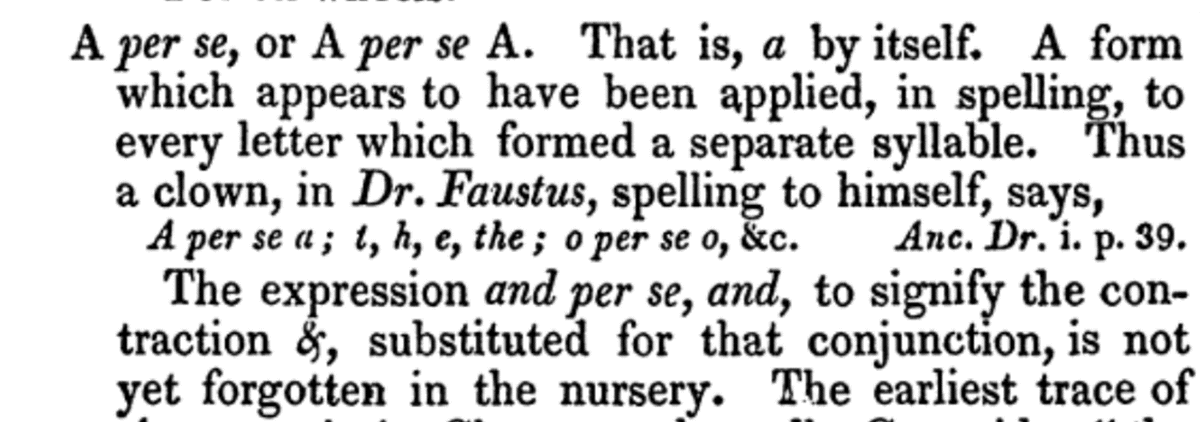
As this 1822 Glossary of Words and Phrases explains, it had been normal during the Renaissance, when speaking the alphabet, to add "per se" before any letter which could also be a word on its own — "per se" means "by itself" in Latin.
Take the letter A, which can also be a word of its own. When reading out the alphabet people would say "A, per se A, B, C, D, E, F, G, H, I, per se I..." and so on. O was also considered a word of its own.
Which means, when people got to the end of the alphabet, with & being the 27th letter, they would say: "S, T, U, V, W, X, Y, Z, and per se &."
When this old way of reading the alphabet was taught to children in the 18th century and they were reciting it aloud, they would garble "and per se " into what eventually became... ampersand.
A Dictionary of Slang and Colloquial English from 1905 relates some of the many other pronunciations school children apparently came up with:
"Ampersand. The sign &; ampersand. Variants: Ann Passy Ann; anpasty; andpassy; anparse; apersie; per-se; ampassy; am-passy-ana; ampene-and; ampus-and; ampsyand; ampazad; amsiam; ampus-end; apperse-and; empersiand; amperzed; and zumzy-zan."
Well, of all the many pronunciations that might have stuck, it was "ampersand" which came to be accepted and is now the official name for &... rather than zumzy-zan. So, from hurried Roman scribes to unruly school children, that's where "&" came from.
Laying in bed every night thinking "Wow, it would be so nice to read before bed." The book is right next to me. I have chosen the book. I have prepared the book. Why can I not pick up the book. Why can I not open the book and read the book. Why is there only Scrolling.
@NoahKahan I had my first lobster roll the other day and I really think you should consider a song involving one of those delicious little New England treats. 🦞