Really excited to see this out! Lots of work (including some of my own) suggests LLMs pass ToM tests. But they’re pretty much all *static* *predictive* tests. We design a new interactive task which involves planning & intervening on other agents!
I'm excited to share work to appear at @COLM_conf! Theory of Mind (ToM) lets us understand others' mental states. Can LLMs go beyond predicting mental states to changing them? We introduce MINDGAMES to test Planning ToM--the ability to intervene on others' beliefs & persuade them
🐝🧠🤖 Curious about how bees think, why human reason might be social, or the challenges in developing AI that understands our world? Last month, I was lucky to learn about these topics and more @DivIntelligence in Scotland. A few reflections below: https://t.co/jByiosnhYx
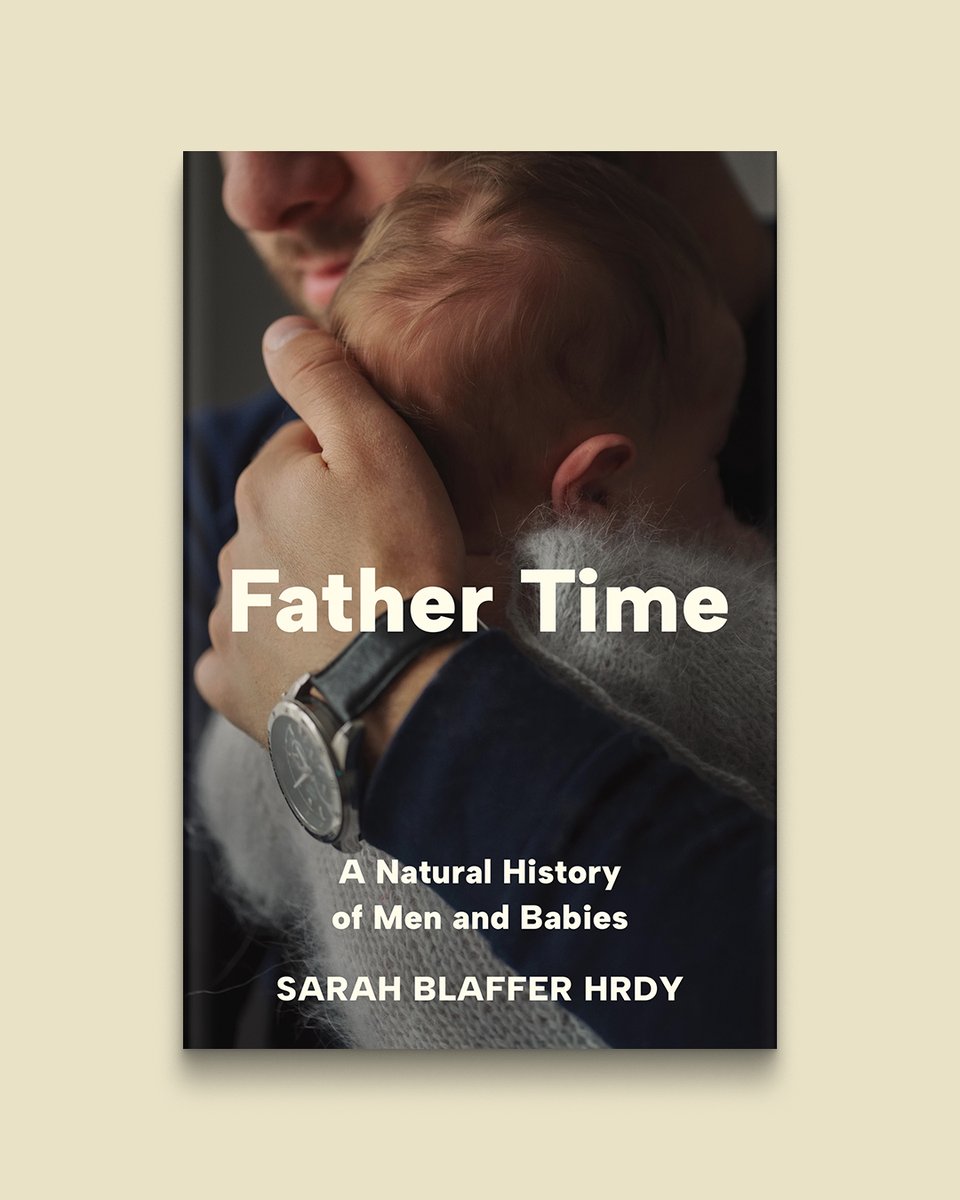
In Father Time, Sarah Blaffer Hrdy traces the deep history of male nurturing, explaining how and why men are biologically transformed when they care for babies.
Father Time is out now: https://t.co/ddQCnGdOAv #Evolution#Biology#Anthropology
Dan Dennett was a lifelong champion of (1) the explanatory power of cognitive science and evolutionary biology in relation to the big questions of philosophy, and (2) the integration of philosophy with scientific disciplines. An inspiration to me and many others in these ways.
Really sad news. Dennett's work is perhaps the major reason I decided to pursue experimental psychology alongside philosophy. I suspect many could tell the same story.
July 18, 2008
“I wish my boyfriend would stop doing his awful Gollum impression, it’s been years and I’m so tired”
A finger on the monkey’s paw curls
“Hey, honey, are you excited to see The Dark Knight?!”
Have a spare 15 minutes? Already done the Wordle? Please consider helping out my students by completing their study and find out why it fits this meme https://t.co/1gxF8FfW96
“Why is this even philosophy?!” asks person whose ideal of Real Philosophy is making narrow conceptual points within whatever extremely path-dependent conversation high-status members of the profession happen to be having in elite philosophy journals.
I sometimes worry that philosophy is a fire-dependent ecosystem: if we don't periodically burn our debates to the ground (re. consciousness, free will, etc.) and begin again from nothing, new ideas are unable to grow - they are crushed by the weight of what is already there.
Anyone in Physics ever looked into the organisation of atoms and stuff in matter? Different phases? "Condensed" in some sense? Maybe scales?
I reckon we could model all that absolutely unproblematically using analytic tools for the study of human languages, culture, and society