BREAKING: Claude can now run Stock Market research like a top consulting firm (for free).
Here are 10 Claude prompts that replace $100K/year stock analysts (Save for later)
wake up because this is the GREATEST time in history to start a company with TRILLIONS of dollars up for grabs over the next 10 years
1. consumer mobile is INTERESTING again for the first time since like 2017. apps can actually do things now.
do things. real things. book the flight, draft the contract, follow up with the lead, negotiate the rate, do things. we went from "tap to view" to "tap to deploy." the entire interaction model of software just flipped & most people haven't even registered it yet. OH, and the cost to create these apps is 1/100th of 2017.
2. HARDWARE is back on the table because you can shove Gemma 4 or DeepSeek onto a device that costs less than dinner & it runs locally with zero cloud costs. a year ago that sentence would have sounded insane. you can ship a physical product with a real brain in it now. the last time hardware was this accessible was the early smartphone era & that created a trillion dollar app economy from scratch.
3. literally EVERY category is open to be rebuilt AI-first. the incumbents know it & they're paralyzed. they can't move fast because moving fast because incumbents move slower than you (usually). that paralysis is your opportunity. build the app. build the SaaS. build the AI agent
4. distribution is FREE. you can go from zero audience to 10,000 people who trust you in 90 days on X or YT or IG your first 100 customers are sitting in your replies right now. the old playbook of "raise money, hire sales team, buy ads" is being lapped by a solo founder with a twitter account & a working demo. Oh, and you can use AI to automate a lot of it (ideas, research, AI avatars etc)
5. Idk about you but it feels like companies are doing LAYOFFS like it's the great depression and it's only getting started. No job is secure. So, building a side project that could turn into the main project is more important than ever.
6. the ENTIRE economy is being repriced in real time. the surface area for new companies has never been wider. the tools to build are free. the models are open source. the incumbents are running committees about their "AI strategy" while you could have already shipped.
and somehow the predominant response from most people is to watch youtube videos about it & go back to their 9-5.
not saying this is easy
not saying everyone will win
but im saying right now is a time worth trying
YOU ARE LIVING through a mass reshuffling of who owns what & who builds what. the last time this happened was the internet itself. before that, electricity.
this almost never happens.
& you're sitting there doing nothing about it?
wake up.
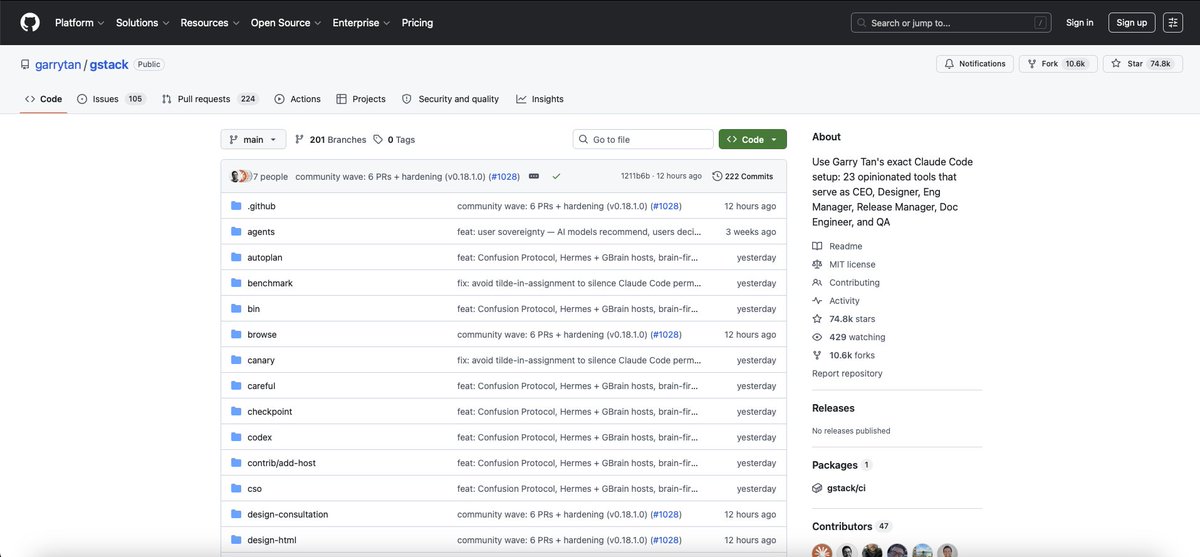
The CEO of Y Combinator just open-sourced his entire AI development setup.
And it is already at 72,600 stars on GitHub.
Garry Tan runs Y Combinator. He has worked with Coinbase, Instacart, and Rippling when they were two people in a garage. Before that he was one of the first engineers at Palantir. He has seen more startups build product than almost anyone alive.
He is now shipping 10,000 to 20,000 lines of production code per day. Part-time. While running YC full-time.
In the last 60 days alone: 600,000 lines of production code. 35% of it tests.
That number is not a typo.
Here is exactly how he does it.
He built a system called gstack — 23 AI tools that turn Claude Code into a full engineering team. He open-sourced the entire thing. Free. MIT license. One command to install. And then he posted the quote that explains why he built it:
"I don't think I've typed like a line of code probably since December, basically, which is an extremely large change." — Andrej Karpathy, March 2026.
When Tan heard that, he wanted to find out how. The result is gstack.
Here is what the 23 tools actually do.
There is a CEO tool that challenges your product framing before you write a line of code. It does not just approve your idea. It finds the 10-star product hiding inside what you described and pushes back on everything you got wrong.
There is an engineering manager that locks architecture, draws ASCII diagrams of data flow, and forces hidden assumptions into the open before anything gets built.
There is a designer that rates every design decision on a 0 to 10 scale, explains what a 10 looks like, and edits the plan until it gets there. It also has AI slop detection. It catches the generic AI output that looks fine and ships badly.
There is a QA lead that opens a real browser, clicks through your actual app, finds bugs, writes regression tests, and verifies the fix. Not a simulation. A real browser.
There is a security officer that runs OWASP Top 10 and STRIDE threat modeling with 17 false positive exclusions built in, so you only see findings that actually matter.
There is a release engineer that syncs main, runs tests, audits coverage, pushes, and opens the PR. One command from approved to shipped.
And then there is something Tan says was the biggest unlock of all.
You can run 10 to 15 of these sprints in parallel. Each one in its own isolated workspace. One agent challenging a product idea. One implementing a feature. One doing QA on staging. Six more on separate branches. All at the same time.
Tan's GitHub contribution graph for 2026 is a vertical wall. In 2013, building Bookface at YC from scratch, he made 772 contributions in a year. In 2026, he is at 1,237 — and still climbing.
Same person. Different era. The difference is the tooling.
One more thing.
In the README, Tan quotes the number directly: 140,751 lines added. 362 commits. 115,000 net lines of code. In one week. Part-time.
That is not what a solo developer looks like. That is what a team looks like.
Except it is one person with 23 AI specialists and a GitHub repo you can clone right now for free.
https://t.co/LRoiMcSYcx
🚨 This is absolute GOLD.
The @AnthropicAI engineer who literally wrote "Building Effective Agents" just dropped a 14-minute masterclass.
saves you months of headaches trying to figure this out alone.
bookmark for the weekend + read @Av1dlive's great guide below 👇
This 2-hour Stanford lecture breaks down how models like ChatGPT and Claude are actually built, clearer than what many people in top AI roles ever get exposed to.
Save this and set aside two hours today. It might end up being the most valuable thing you learn all week.
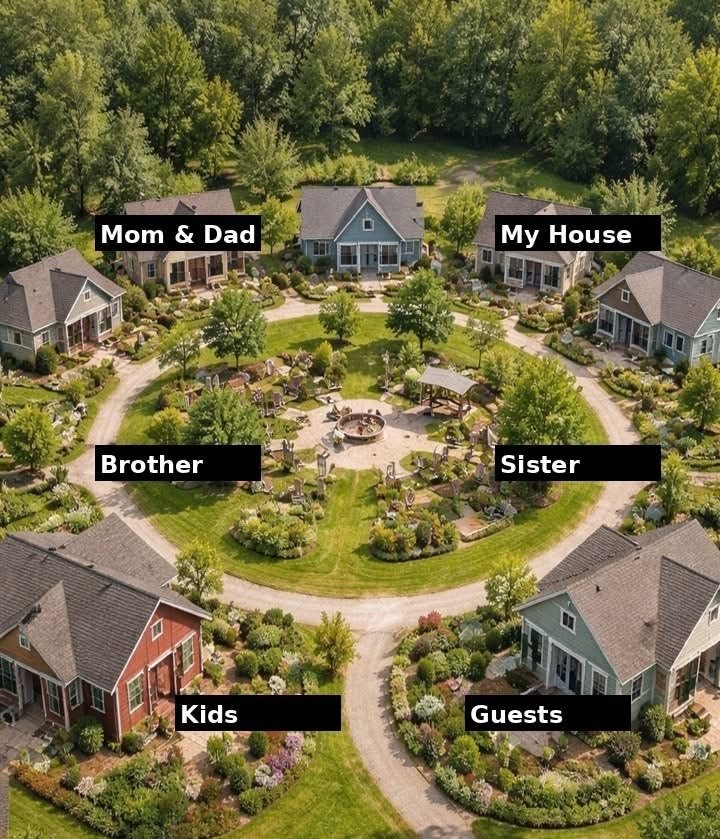
A New Way to Live Together
What if the future of family living isn't about moving farther apart... but building closer together?
Imagine a piece of land where everyone has their own home, their own space, and their own privacy -yet parents, siblings, kids, and loved ones are only a short walk away. No long drives for Sunday dinners. No worrying about aging parents living alone. No strangers raising your children while family lives miles away.
This kind of family compound keeps not only memories close, but also wealth, land, and opportunities within the family. Shared gardens, shared meals, shared support... and a lifestyle built on connection instead of distance.
This is big... Anthropic just announced a model so powerful they won't release it to the public out of fear over the damage it will cause 😨
Claude Mythos Preview found thousands of zero-day exploits in every major operating system and web browser...
The numbers are hard to believe:
> $50 to find a 27-year-old bug in OpenBSD, one of the most security-hardened operating systems ever built
> Under $1,000 to find AND build a fully working remote code execution exploit on FreeBSD that grants unauthenticated root access from anywhere on the internet
> Under $2,000 to chain together multiple Linux kernel vulnerabilities into a complete privilege escalation exploit
For context: these are the kinds of findings that previously required elite security researchers working for weeks.
Anthropic engineers with no formal security training asked Mythos to find exploits overnight. They woke up to working code the next morning.
The results were so impressive Anthropic assembled Apple, Google, Microsoft, Amazon, NVIDIA, and seven other organizations into Project Glasswing:
A $100M defensive coalition. They're not releasing this model publicly. Instead, they're racing to patch the world's infrastructure before models like this proliferate.
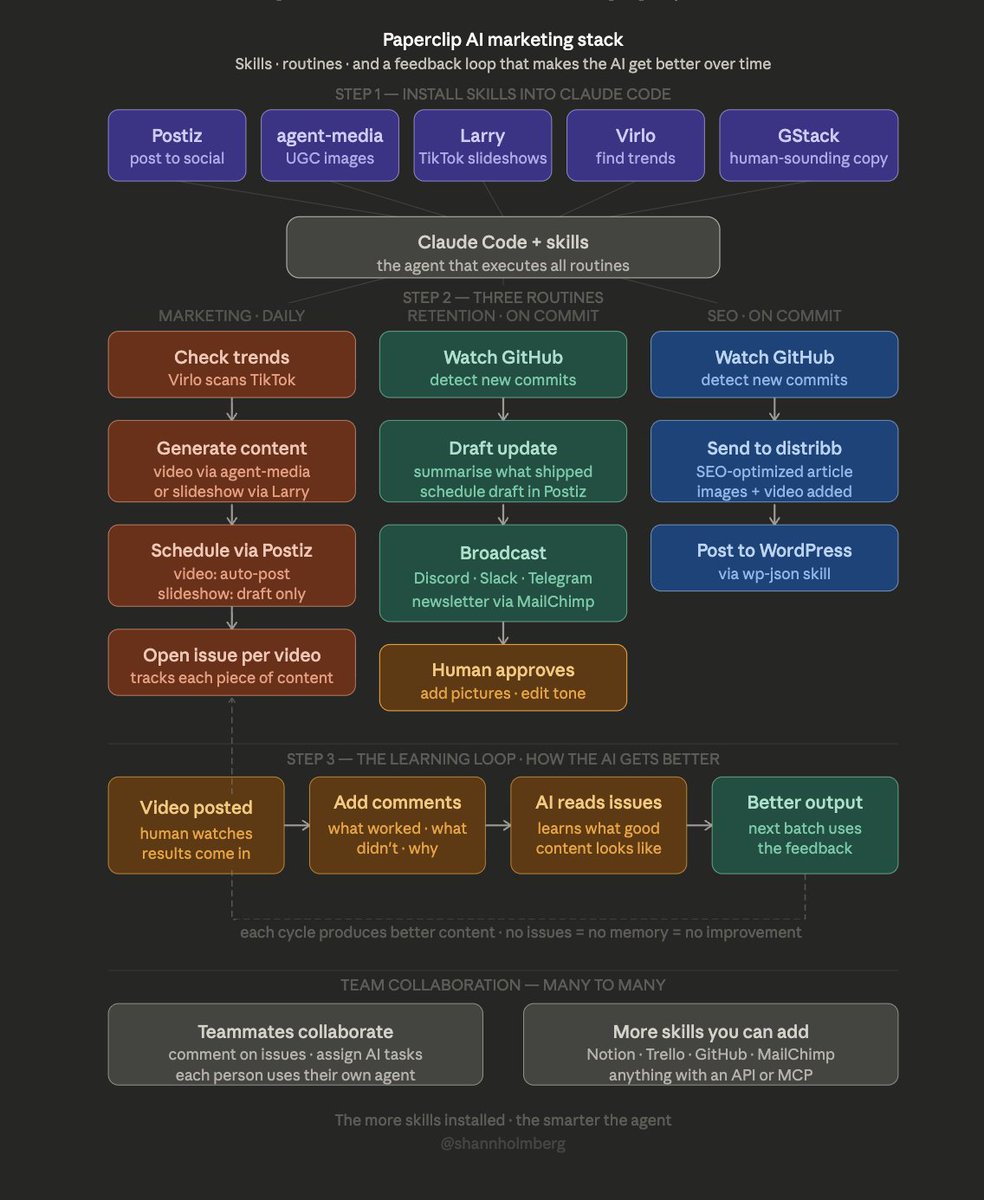
the full Paperclip AI marketing stack
skills, routines, and a feedback loop that makes the output get better over time
step 1: install skills into Claude Code
> Postiz for posting to social
> agent-media for UGC images
> Larry for TikTok slideshows
> Virlo for finding trends
> GStack for human-sounding copy
step 2: set up three routines
marketing (daily):
> Virlo scans TikTok trends
> generates video or slideshow
> schedules via Postiz
> opens an issue per video to track it
retention (on commit):
> watches GitHub for new commits
> drafts a product update in Postiz
> broadcasts to Discord, Slack, Telegram, newsletter
> human approves and edits before it goes out
SEO (on commit):
> watches GitHub for new commits
> sends to distribb for an SEO-optimized article
> posts to WordPress via wp-json skill
step 3: the feedback loop
> video gets posted, results come in
> you add comments on the issue: what worked, what didn't, why
> agent reads the issues and uses that feedback for the next batch
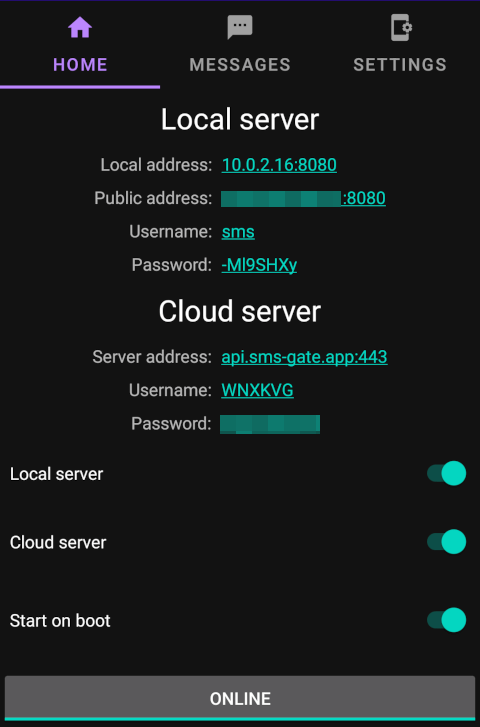
🚨 Twilio charges $0.0079 per SMS. Someone just turned any old Android phone into a free SMS gateway. Unlimited messages. $0.
It's called SMS Gateway for Android.
Install it on any Android phone. It becomes a full SMS sending and receiving server with an API.
No Twilio. No MessageBird. No per-message pricing. No contracts. Just an old phone and a SIM card.
Here's what's inside this thing:
→ Send and receive SMS through a REST API from any app or service
→ Works with any Android phone running 5.0 or newer
→ End-to-end encryption. Messages are encrypted before they leave the device.
→ Multi-SIM support. Use multiple SIM cards on one phone.
→ Multi-device support. Connect multiple phones to the same account.
→ Real-time webhooks for incoming messages
→ Multipart messages with auto-splitting for long texts
→ Track delivery status of every message in real time
→ No registration required. No email. No account in local mode.
Here's the wildest part:
That old Android phone in your drawer that you haven't touched in 2 years? Install this app. Insert a SIM card. You now have your own private SMS infrastructure.
Two-factor authentication. Order confirmations. Appointment reminders. Notification alerts. All the things startups pay Twilio thousands a month for.
Free. Running on a phone you already own.
Startups spend $500 to $5,000/month on SMS APIs. This costs the price of a SIM card.
875 GitHub stars. 359 commits. Apache 2.0 License.
100% Open Source.
I don't think people understand what this actually means.
Every application on earth can now build an agent that teaches ITSELF how to use the application through the UI.
Not through API integrations. Not through documentation. Through the actual interface, the same way a human learns.
Here's the loop:
You define what success looks like (an eval). You point Claude at your application via Computer usage. Claude tries to complete the task through the UI. It fails. It writes what it learned to a skill file. It tries again. Recursively. Hundreds of times.
This is Karpathy's auto-research method applied to software usage.
Let me make this concrete.
I built a company called CoinLedger — crypto tax software, ~1 million users. The product is powerful but complicated. Users have to import wallets, classify transactions, handle edge cases, and generate accurate tax reports. The learning curve is our single biggest challenge.
With Claude computer use, I can hand it public wallet addresses and CSV files and say: use CoinLedger to produce an accurate capital gains report with no errors.
Claude opens the app. Navigates the import flow. Hits an error. Documents the failure. Adjusts. Tries again.
Each cycle produces better skill files. Each skill file captures how to properly use a specific part of the app. After enough iterations, Claude has built a complete agent harness — a set of instructions that lets it use CoinLedger as well as our best power user.
Then I ship that agent to every user who struggles with the platform.
The biggest friction in a million-user product, solved by an AI that grinded through the learning curve so humans don't have to.
Now multiply this across every complex application. Every SaaS product with a steep onboarding curve. Every enterprise tool where 90% of users touch 10% of features.
The first applications that build these recursive agent harnesses will compound in ways their competitors can't catch.
I just built an AI agent in under 10 minutes using Claude Cowork.
It knows my business. It connects to my tools. It has memory.
I'm packaging the full step-by-step process into something.
More soon.
Introducing the new dev-browser cli.
The fastest way for an agent to use a browser is to let it write code.
Just `npm i -g dev-browser` and tell your agent to "use dev-browser"
This feels like cheating.
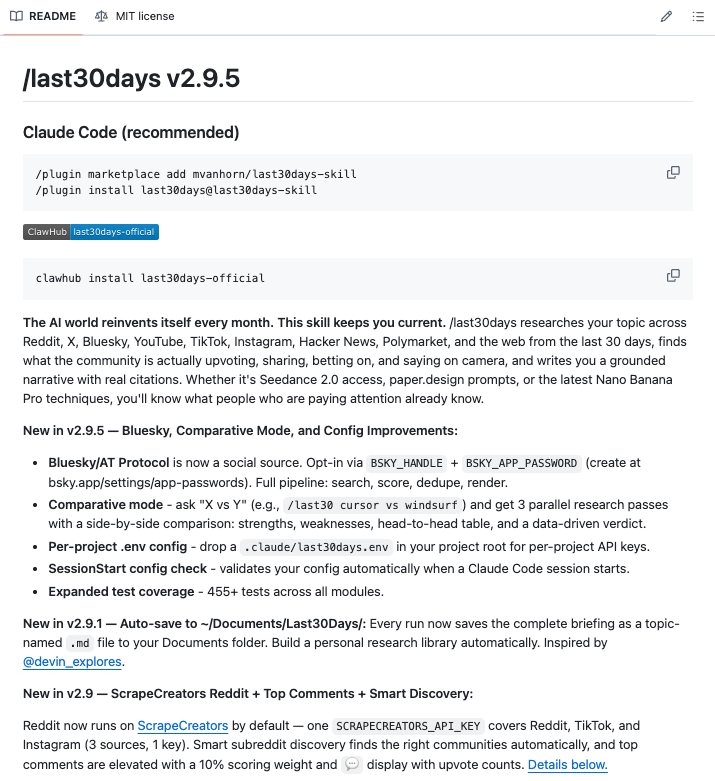
Someone built a Claude Code skill that scans Reddit and X from the last 30 days on any topic you give it, then writes you copy-paste-ready prompts based on what the community has actually figured out not what was working six months ago.
You type /last30days prompting techniques for ChatGPT for legal questions and it comes back with the top patterns real lawyers and power users are using right now, complete with a fully written prompt you can drop in and use immediately.
No more Googling, no more digging through threads, no more prompts that worked last year but got patched out.
It works for anything - Midjourney techniques, Suno music prompts, Cursor rules, trending rap songs, whatever you need to know what people are actually saying about right now.
100% Open Source. MIT License.
Link in the comments.
My OpenClaw bot scraped 1,000+ local business websites, took screenshots of every single one, and used them to train an AI model that scores website design quality automatically
Here's what it did:
→ Scraped 1000+ local businesses from Google Maps
→ Screenshotted every website
→ Trained an AI model on 1,000+ sites to score design 0–100
→ Flagged the worst ones as hot leads
No more manually finding clients with bad websites, it finds them for you in seconds
Reply "OpenClaw" and I'll send you the whole system for free
I built 31 automations for clients last year.
Every single business - from solo founders to 50-person teams - needed some version of the same workflows.
So I documented all of them. Every workflow. Every department. And the exact plain-English prompt that builds each one in minutes.
Sales & CRM: lead capture, follow-up sequences, deal tracking, proposal generation, pipeline alerts
Marketing: social scheduling, email sequences, content repurposing, UTM tracking, review requests
Operations: invoice generation, payment reminders, inventory alerts, automated reporting
Customer Success: onboarding emails, NPS surveys, churn detection, support routing
Admin: meeting scheduling, expense tracking, document generation, approval workflows
Each one includes the specific prompt I use to build it - not vague instructions, the actual sentence I type.
Plus which 3 to start with if you want to save 10+ hours/week immediately.
Comment "PLAYBOOK" and I'll DM you the full PDF for free.
Maybe the sickest OpenClaw use case I've ever built
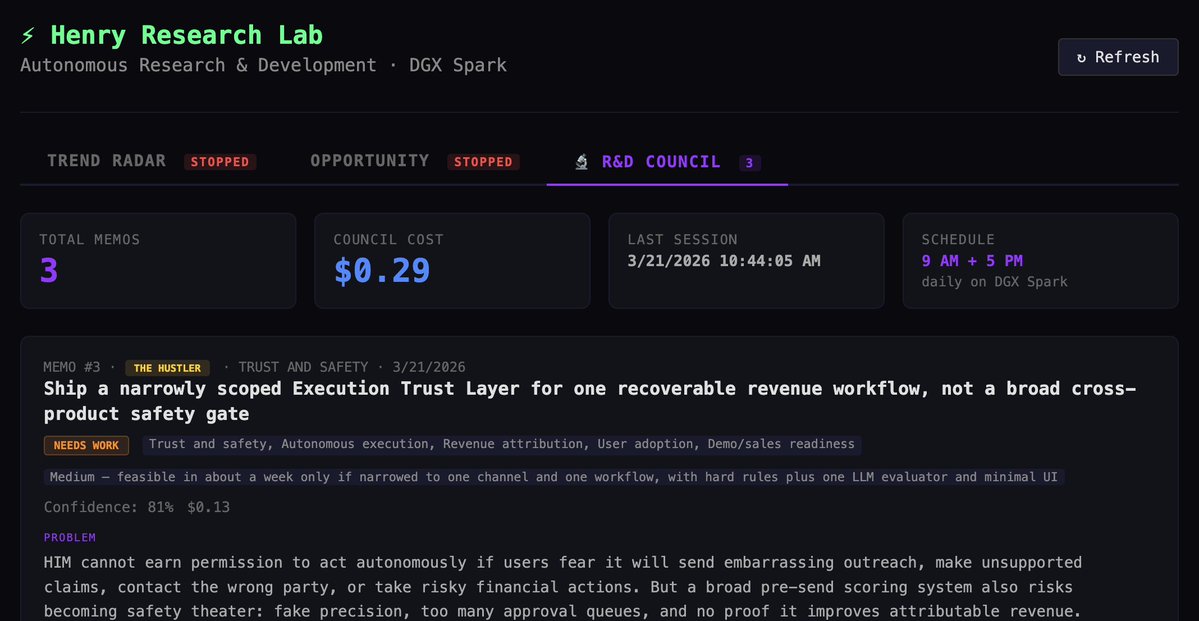
I now have my own R&D department
Twice a day 5 different AI models autonomously meet and discuss my business
They take a look at my products/content and debate eachother and come up with next steps to grow revenue
They then send me a memo that describes all their discussions and next action steps I need to take
It's been WILDLY helpful. Especially in developing my new product
This is how you use super intelligence to autonomously earn you money
Here's how to set it up:
1. Go to OpenClaw
2. Ask it to set up a dashboard for an R&D council (5 different AI models)
3. Have them meet at 9am and 5pm every day
4. Give them access to all your links, code, and anything you're working on
5. Have one of them (rotating) come up with a new idea
6. Have all 5 debate
7. Build a report based on their discussions
Now twice a day you'll get a ping with a detailed memo describing how to grow your business
Next steps is making all of these 5 models local so they can run for free and do this around the clock
If you implement workflows like this, I promise your life will change